




CUET 2023 Geography Answer Key for all shifts is made available for download here. NTA to release CUET Answer Key 2023 PDF for Geography soon on cuet.samarth.ac.in. Download CUET 2023 Geography Question Paper PDF
Candidates can download the answer key and question paper PDFs for CUET UG 2023 Geography exam using the links given below.
CUET 2023 Geography Answer Key and Question Paper with Solutions PDF
| CUET 2023 Geography Question Paper with Answer Key |  Download Download |
Check Solution |

Geography Questions with Solutions
Question 1:
“Human Geography is the synthetic study of relationship between human societies and earth’s surface”. Who said this?
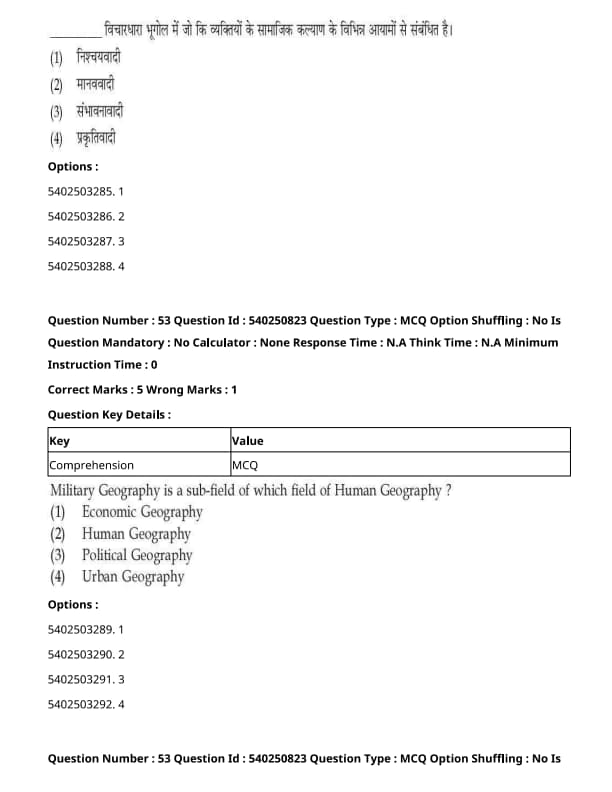
___________ School of Thought in Geography is concerned with the different aspects of social well being of the people.
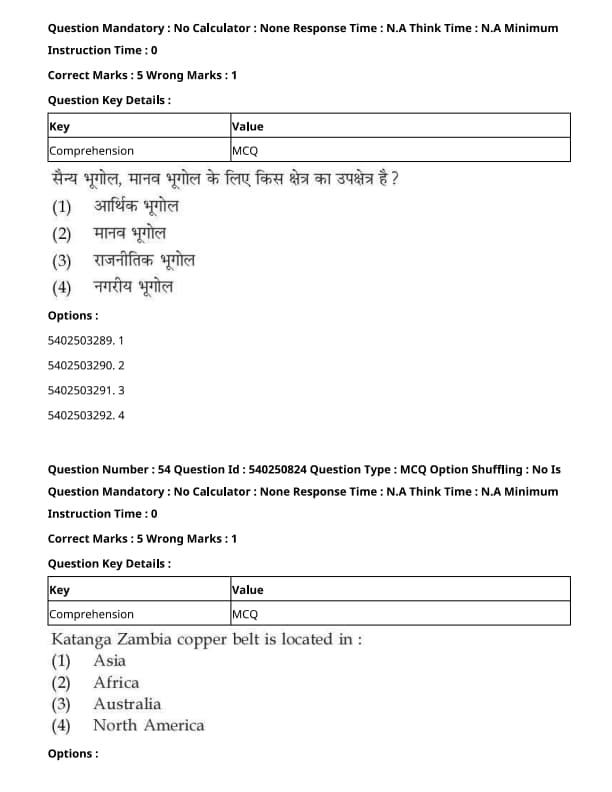
Military Geography is a sub-field of which field of Human Geography?
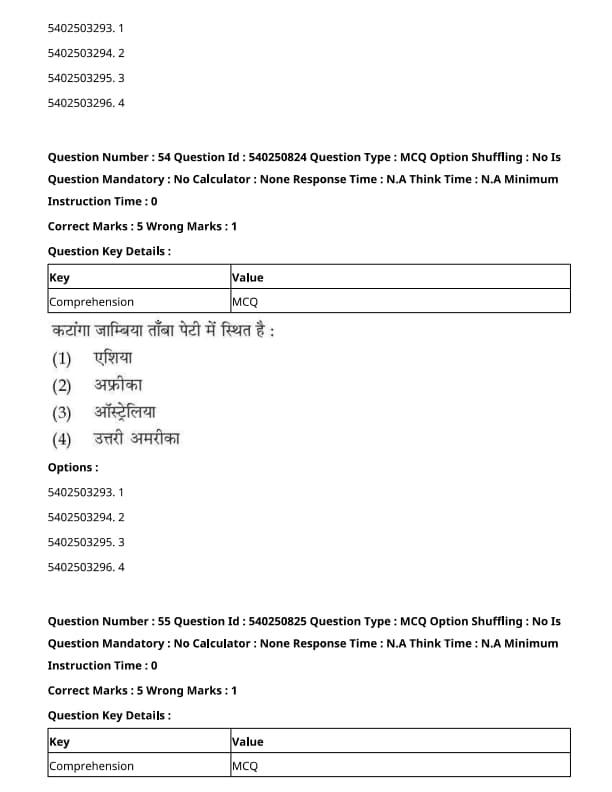
Katanga Zambia copper belt is located in:
Which one of the following is the main cause of immigration in developed countries?
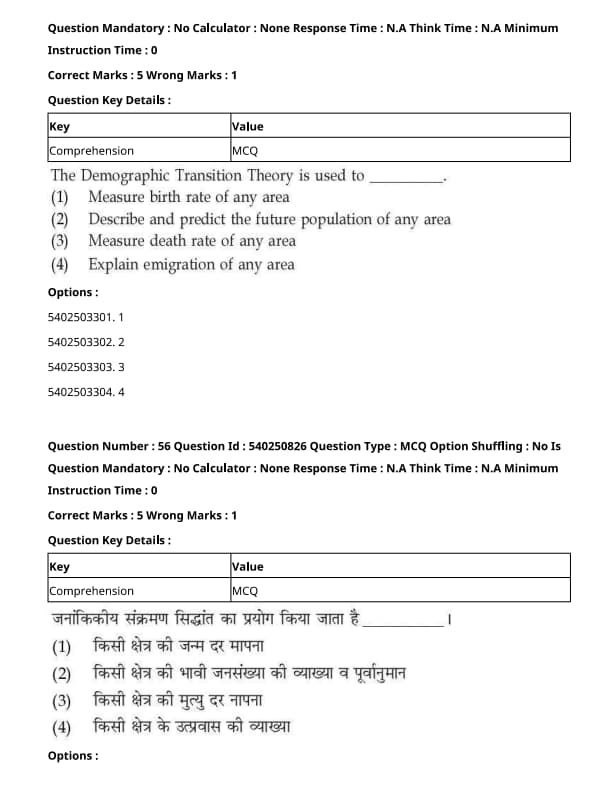
The Demographic Transition Theory is used to ...........
Which industry is NOT dependent on any specific raw material?
Many people living in landlocked areas love to spend holidays along the beaches/sea. Which factor of tourist attraction does this represent?
The spacing between two rails of broad gauge is .........
Aryabhata was launched in the year ...........
By supporting developing countries in setting up capital intensive industries, the industrial nations ensure ...........
Which city was the first urban settlement to reach a population of one million?
The most important problem faced by big cities due to increasing population is .................
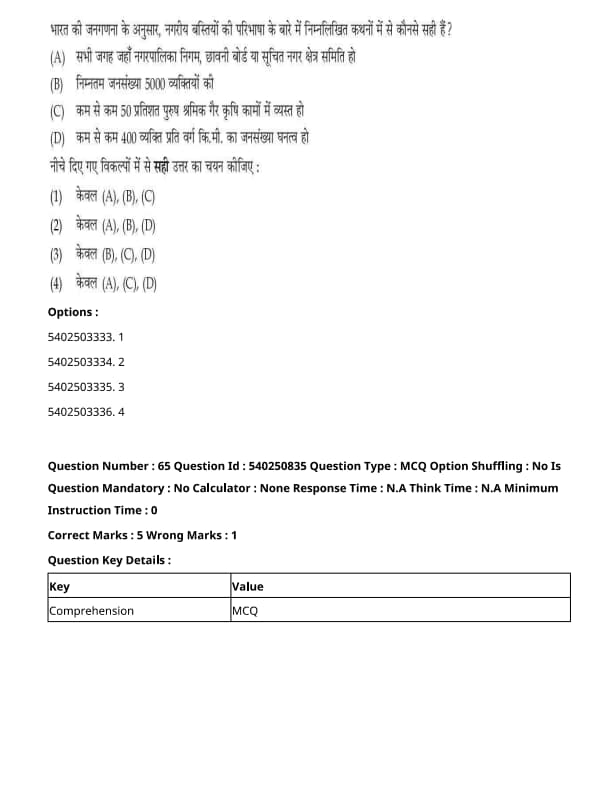
Which of the following statements about the definition of urban settlements by Census of India are correct?
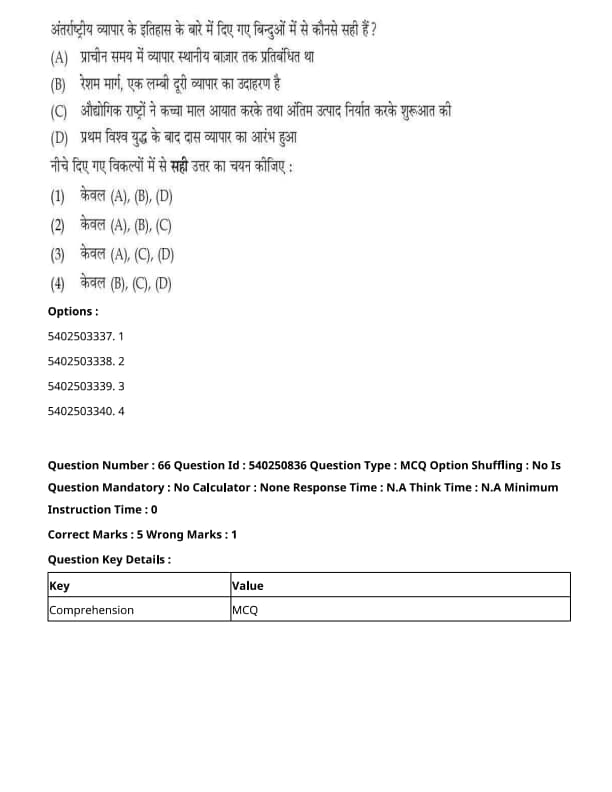
Which of the given points on History of International Trade are correct?
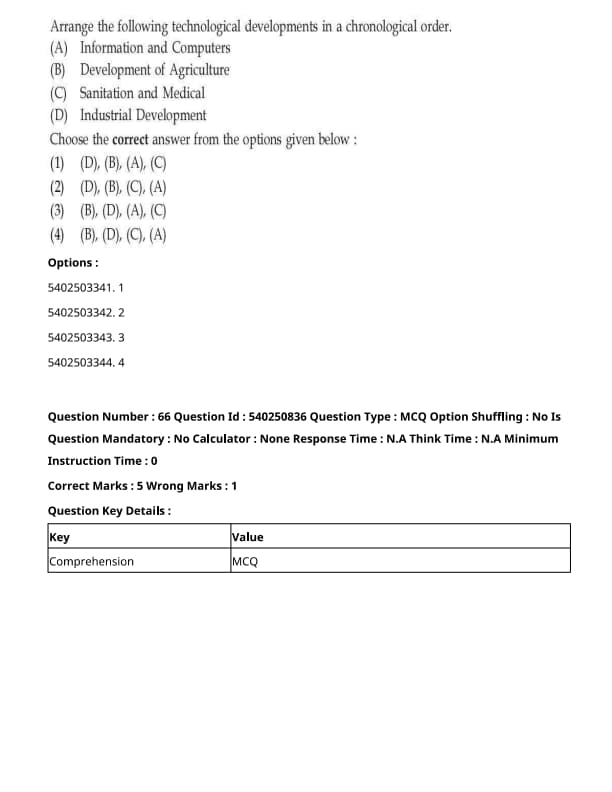
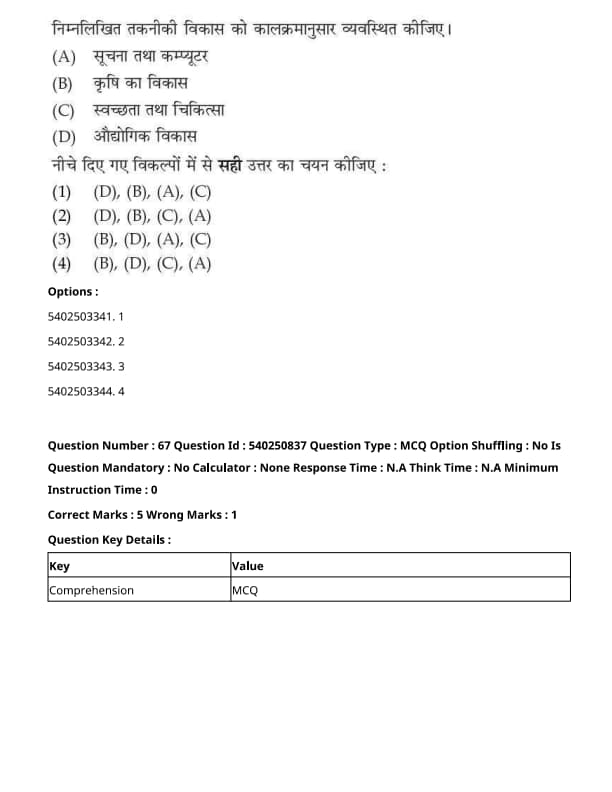
Arrange the following technological developments in chronological order.
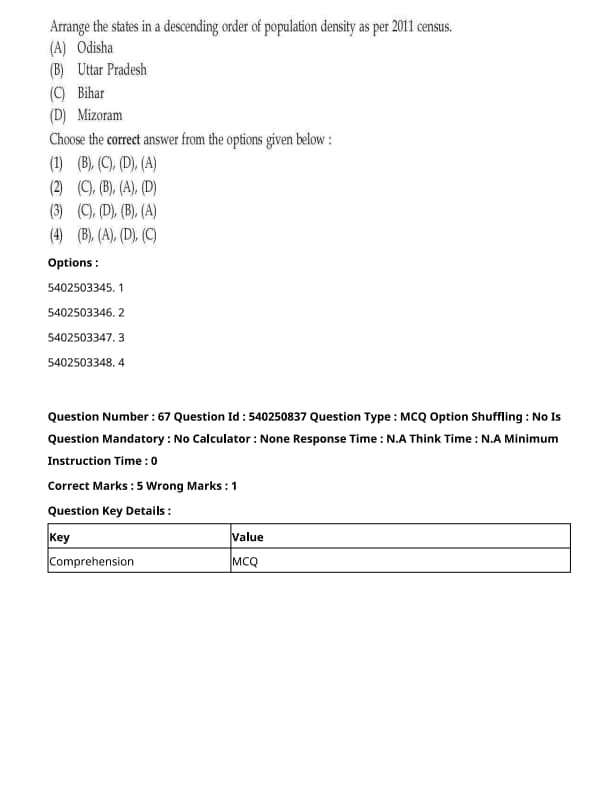
Arrange the states in a descending order of population density as per 2011 census.
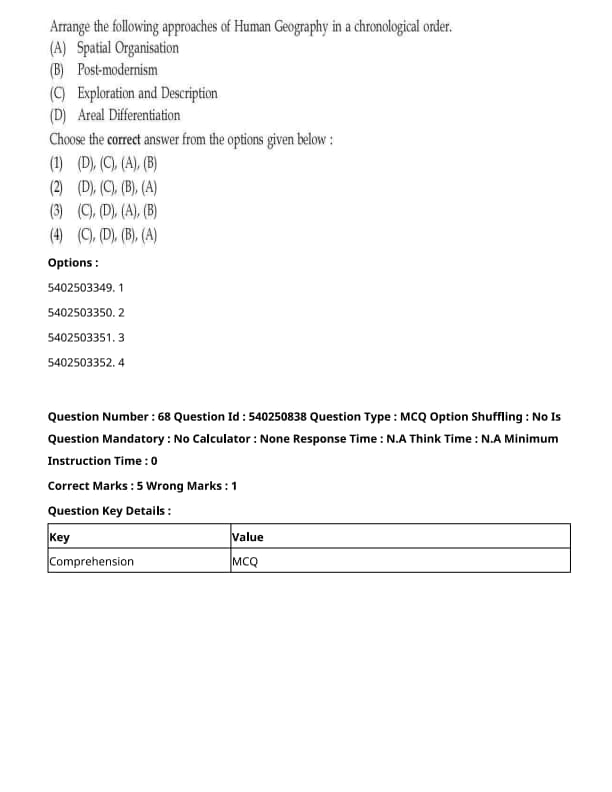
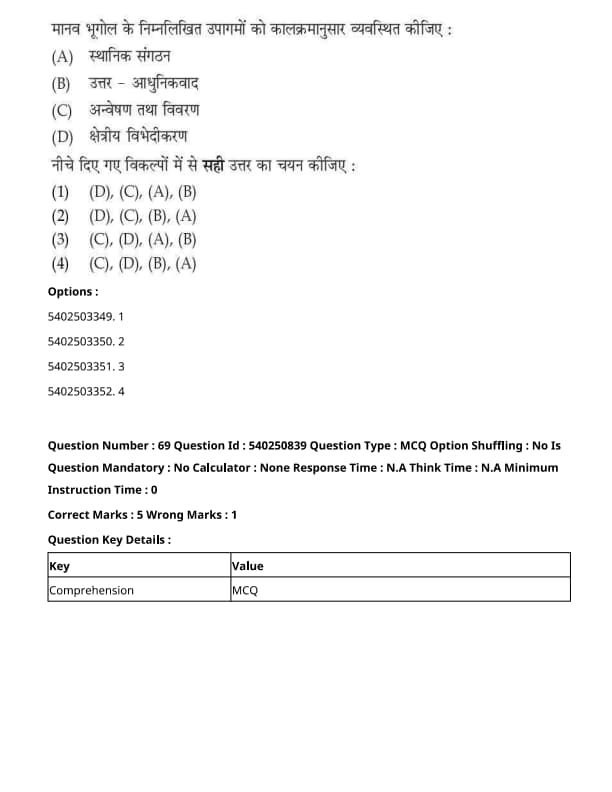
Arrange the following approaches of Human Geography in chronological order.
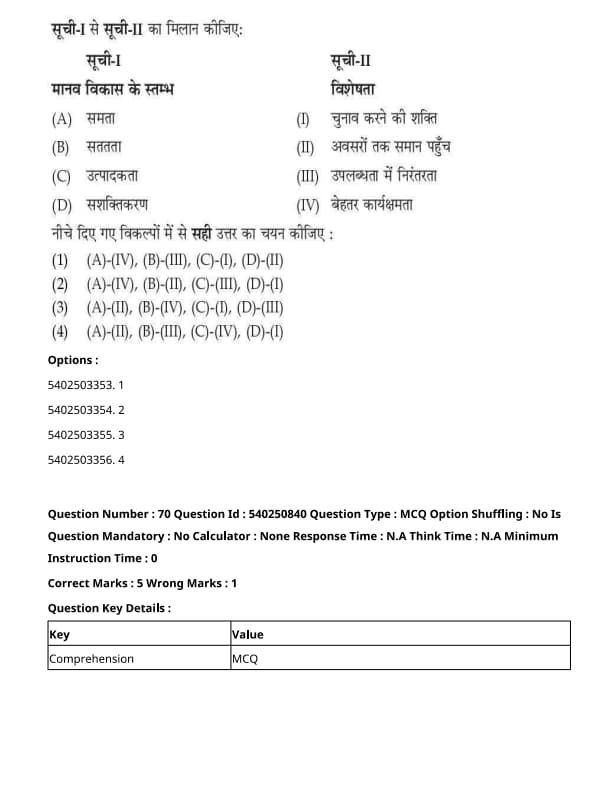
Match List - I with List - II.
List - I:
Pillars of Human Development
Match List - I with List - II.
List - I:
In which environment one can expect the presence of the clustered rural settlements?
Which one of the following is a cantonment town?
Which one of the following crops is grown in all three cropping seasons in southern states of India?
In which of the following river basins, the replenishable utilization of water is the highest?
Which water development projects is sponsored by Central Government?
Which one of the following is a metallic mineral?
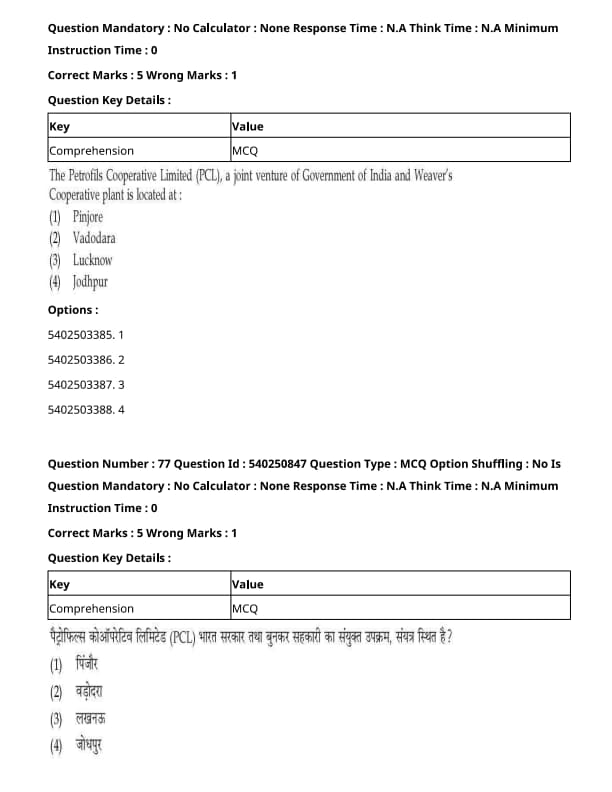
The Petrofils Cooperative Limited (PCL), a joint venture of Government of India and Weaver’s Cooperative plant is located at:
The National Highways Authority of India was operationalised in ...........
The roads laid along international boundaries are known as ............
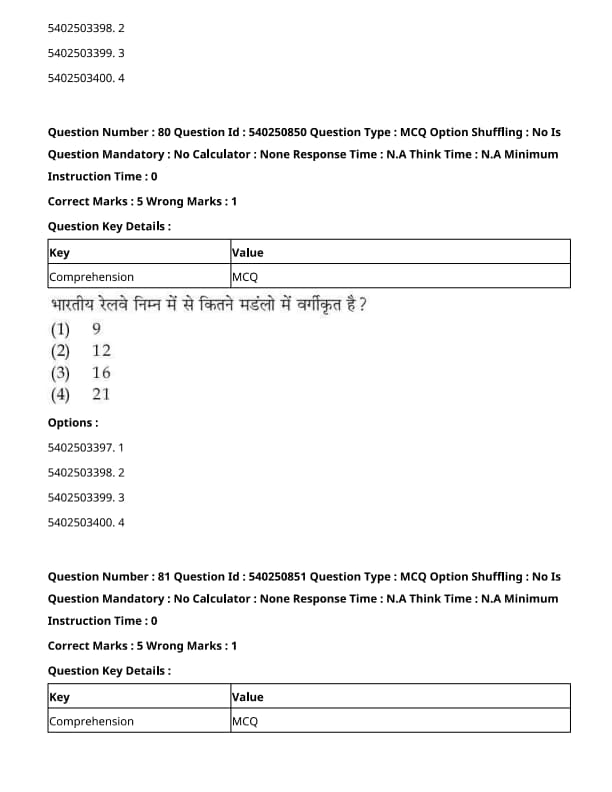
The Indian Railways is divided into how many zones?
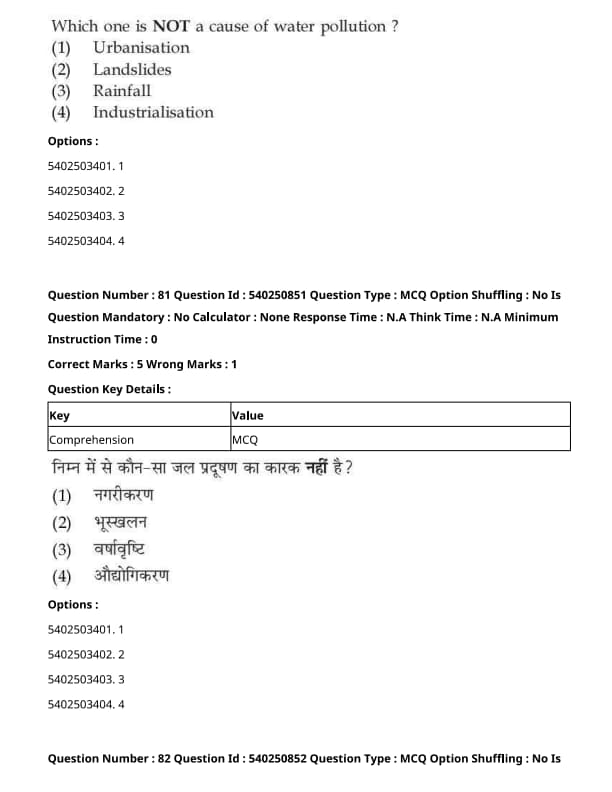
Which one is NOT a cause of water pollution?
Slums are inhabited by which of the following?
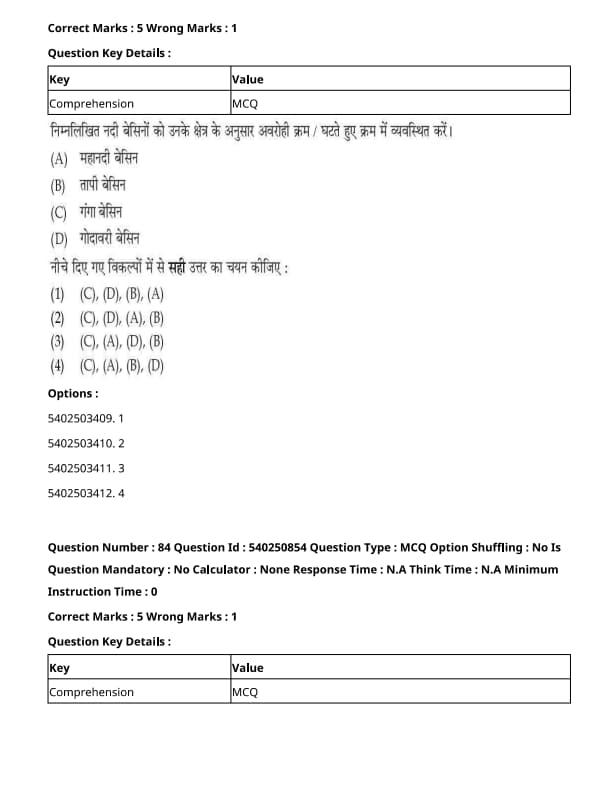
Arrange the following river basins according to their area in a descending order.
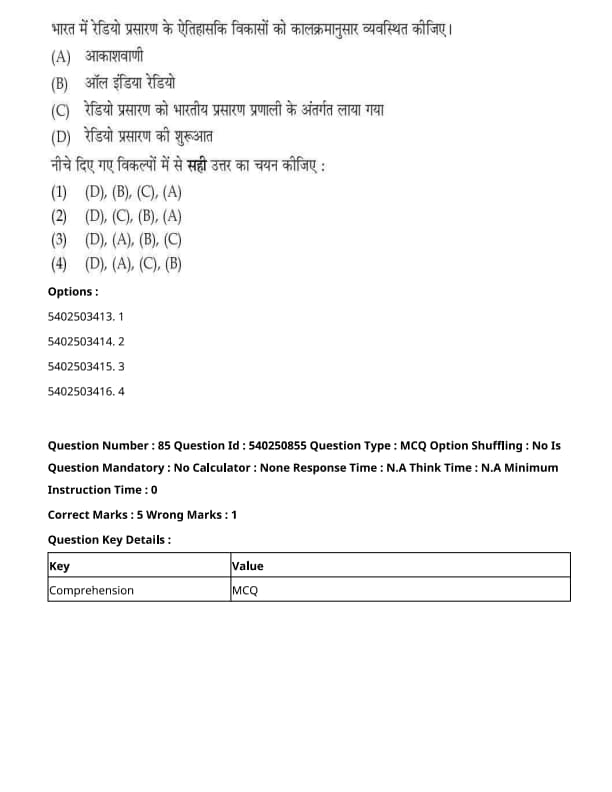
Arrange the given historical developments in radio broadcasting in India in chronological order.
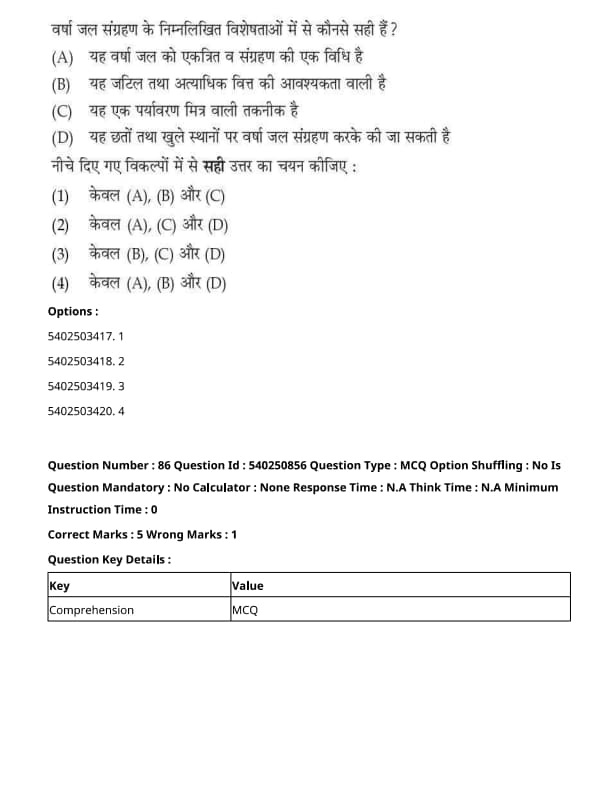
Which of the following characteristics of rainwater harvesting are correct?
Which of the following causes of establishing Iron and Steel Industries in West Bengal, Odisha, and Jharkhand are correct?
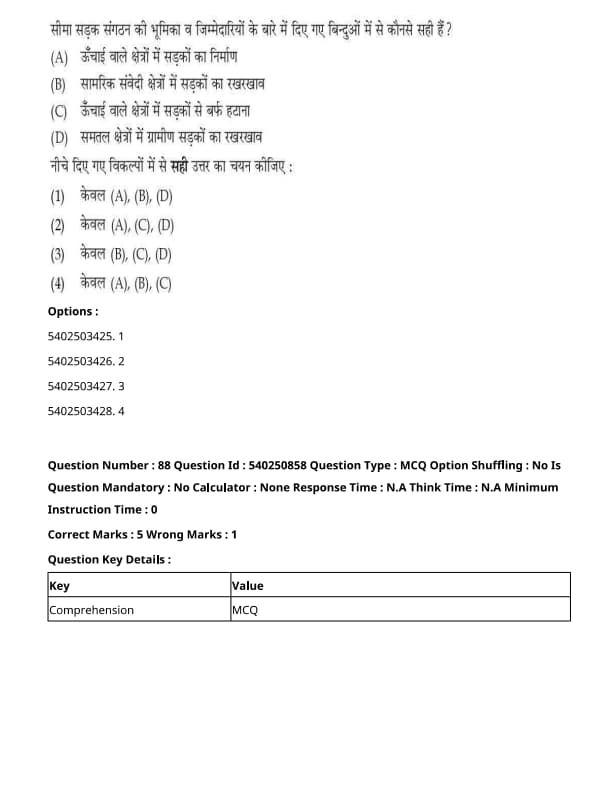
Which of the following points about roles and responsibilities of Border Road Organisation are correct?
Match the Industry type and basis on which it is classified.
List - I:
Match List - I with List - II.
List - I:
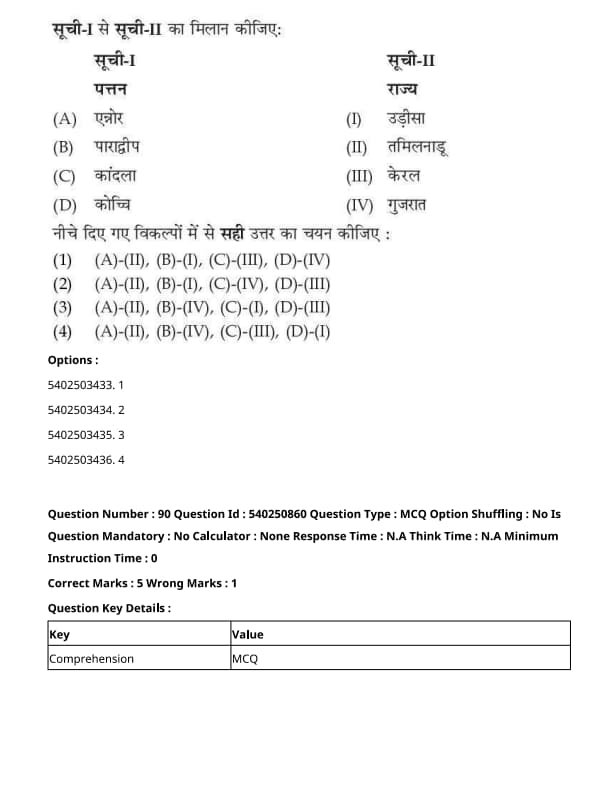
Ports
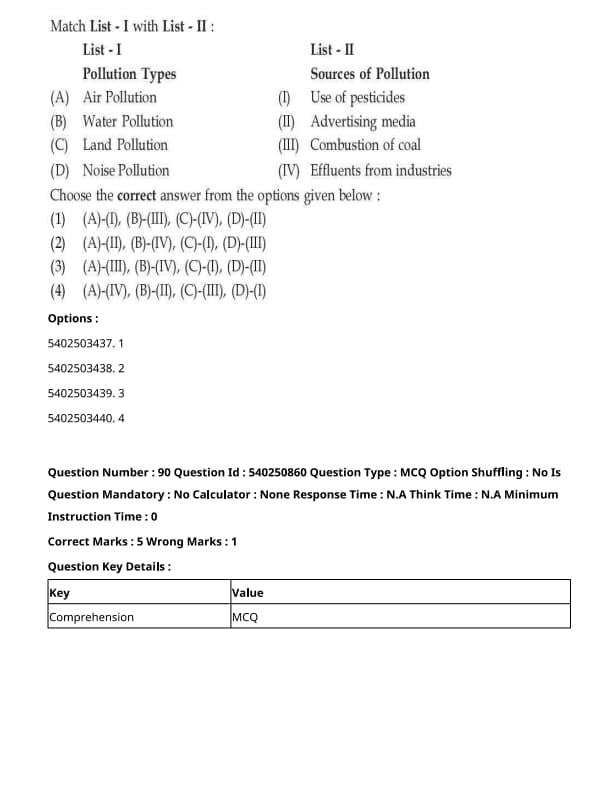
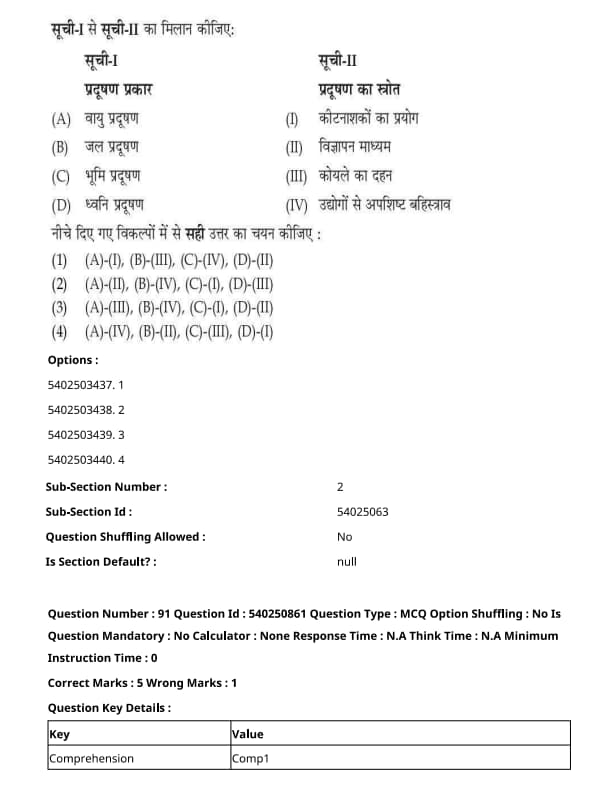
Match List - I with List - II.
List - I:
Pollution Types
%Question passage
Read the given passage and answer the following question.
Concept of High Technology Industry
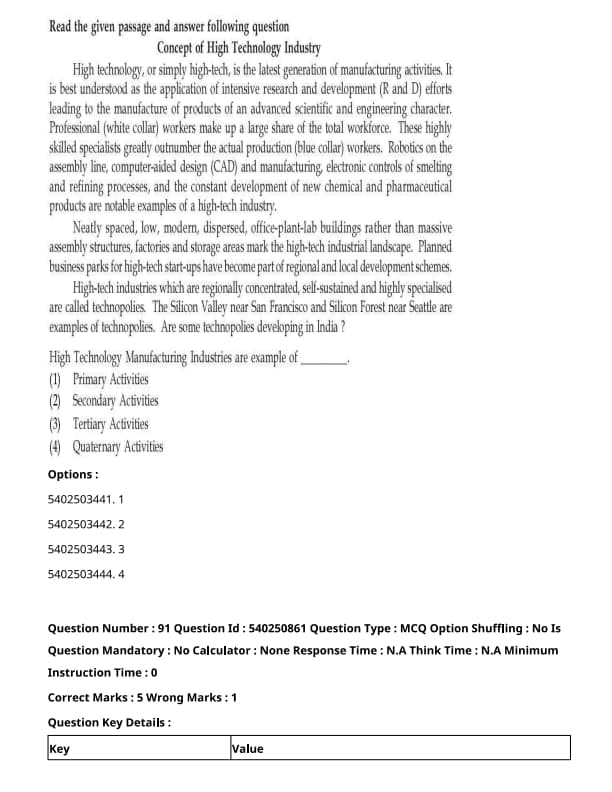
High technology, or simply high-tech, is the latest generation of manufacturing activities. It is best understood as the application of intensive research and development (R and D) efforts leading to the manufacture of products of an advanced scientific and engineering character. Professional (white collar) workers make up a large share of the total workforce. These highly skilled specialists greatly outnumber the actual production (blue collar) workers. Robotics on the assembly line, computer-aided design (CAD) and manufacturing, electronic controls of smelting and refining processes, and the constant development of new chemical and pharmaceutical products are notable examples of a high-tech industry.
Neatly spaced, low, modern, dispersed, office-plant-lab buildings rather than massive assembly structures, factories and storage areas mark the high-tech industrial landscape. Planned business parks for high-tech start-ups have become part of regional and local development schemes.
High-tech industries which are regionally concentrated, self-sustained and highly specialized are called technopolies. The Silicon Valley near San Francisco and Silicon Forest near Seattle are examples of technopolies. Are some technopolies developing in India?
High Technology Manufacturing Industries are an example of ..........
Read the given passage and answer the following question.
Concept of High Technology Industry
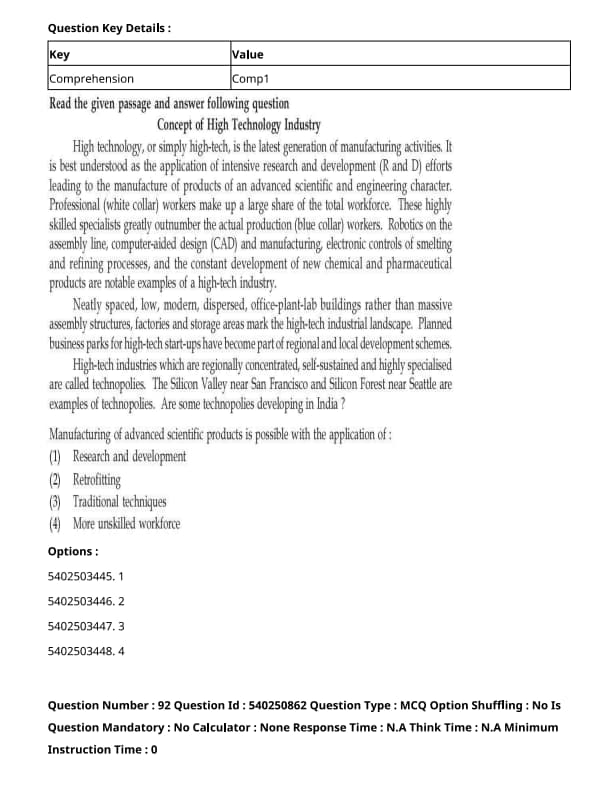
High technology, or simply high-tech, is the latest generation of manufacturing activities. It is best understood as the application of intensive research and development (R and D) efforts leading to the manufacture of products of an advanced scientific and engineering character. Professional (white collar) workers make up a large share of the total workforce. These highly skilled specialists greatly outnumber the actual production (blue collar) workers. Robotics on the assembly line, computer-aided design (CAD) and manufacturing, electronic controls of smelting and refining processes, and the constant development of new chemical and pharmaceutical products are notable examples of a high-tech industry.
Neatly spaced, low, modern, dispersed, office-plant-lab buildings rather than massive assembly structures, factories and storage areas mark the high-tech industrial landscape. Planned business parks for high-tech start-ups have become part of regional and local development schemes.
High-tech industries which are regionally concentrated, self-sustained and highly specialized are called technopolies. The Silicon Valley near San Francisco and Silicon Forest near Seattle are examples of technopolies. Are some technopolies developing in India?
Manufacturing of advanced scientific products is possible with the application of:
Read the given passage and answer the following question.
Concept of High Technology Industry
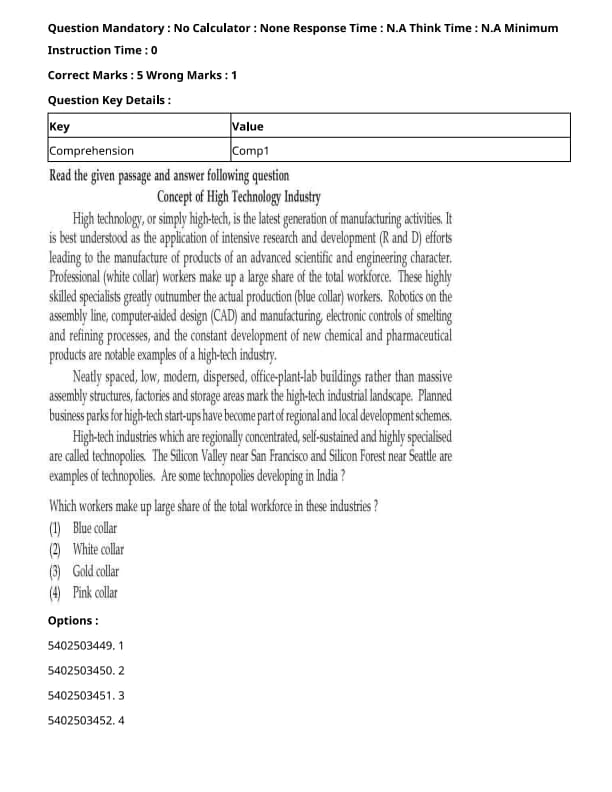
High technology, or simply high-tech, is the latest generation of manufacturing activities. It is best understood as the application of intensive research and development (R and D) efforts leading to the manufacture of products of an advanced scientific and engineering character. Professional (white collar) workers make up a large share of the total workforce. These highly skilled specialists greatly outnumber the actual production (blue collar) workers. Robotics on the assembly line, computer-aided design (CAD) and manufacturing, electronic controls of smelting and refining processes, and the constant development of new chemical and pharmaceutical products are notable examples of a high-tech industry.
Neatly spaced, low, modern, dispersed, office-plant-lab buildings rather than massive assembly structures, factories and storage areas mark the high-tech industrial landscape. Planned business parks for high-tech start-ups have become part of regional and local development schemes.
High-tech industries which are regionally concentrated, self-sustained and highly specialized are called technopolies. The Silicon Valley near San Francisco and Silicon Forest near Seattle are examples of technopolies. Are some technopolies developing in India?
Which workers make up large share of the total workforce in these industries?
Read the given passage and answer the following question.
Concept of High Technology Industry
High technology, or simply high-tech, is the latest generation of manufacturing activities. It is best understood as the application of intensive research and development (R and D) efforts leading to the manufacture of products of an advanced scientific and engineering character. Professional (white collar) workers make up a large share of the total workforce. These highly skilled specialists greatly outnumber the actual production (blue collar) workers. Robotics on the assembly line, computer-aided design (CAD) and manufacturing, electronic controls of smelting and refining processes, and the constant development of new chemical and pharmaceutical products are notable examples of a high-tech industry.
Neatly spaced, low, modern, dispersed, office-plant-lab buildings rather than massive assembly structures, factories and storage areas mark the high-tech industrial landscape. Planned business parks for high-tech start-ups have become part of regional and local development schemes.
High-tech industries which are regionally concentrated, self-sustained and highly specialized are called technopolies. The Silicon Valley near San Francisco and Silicon Forest near Seattle are examples of technopolies. Are some technopolies developing in India?
Which of the following is NOT an example of high-tech industry?
Read the given passage and answer the following question.
Concept of High Technology Industry
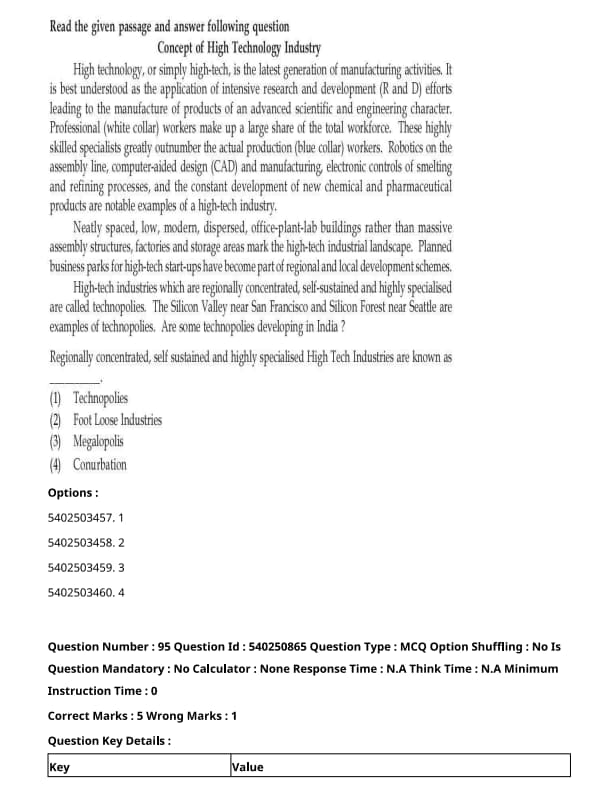
High technology, or simply high-tech, is the latest generation of manufacturing activities. It is best understood as the application of intensive research and development (R and D) efforts leading to the manufacture of products of an advanced scientific and engineering character. Professional (white collar) workers make up a large share of the total workforce. These highly skilled specialists greatly outnumber the actual production (blue collar) workers. Robotics on the assembly line, computer-aided design (CAD) and manufacturing, electronic controls of smelting and refining processes, and the constant development of new chemical and pharmaceutical products are notable examples of a high-tech industry.
Neatly spaced, low, modern, dispersed, office-plant-lab buildings rather than massive assembly structures, factories and storage areas mark the high-tech industrial landscape. Planned business parks for high-tech start-ups have become part of regional and local development schemes.
High-tech industries which are regionally concentrated, self-sustained and highly specialized are called technopolies. The Silicon Valley near San Francisco and Silicon Forest near Seattle are examples of technopolies. Are some technopolies developing in India?
Regionally concentrated, self-sustained and highly specialized High Tech Industries are known as ..........
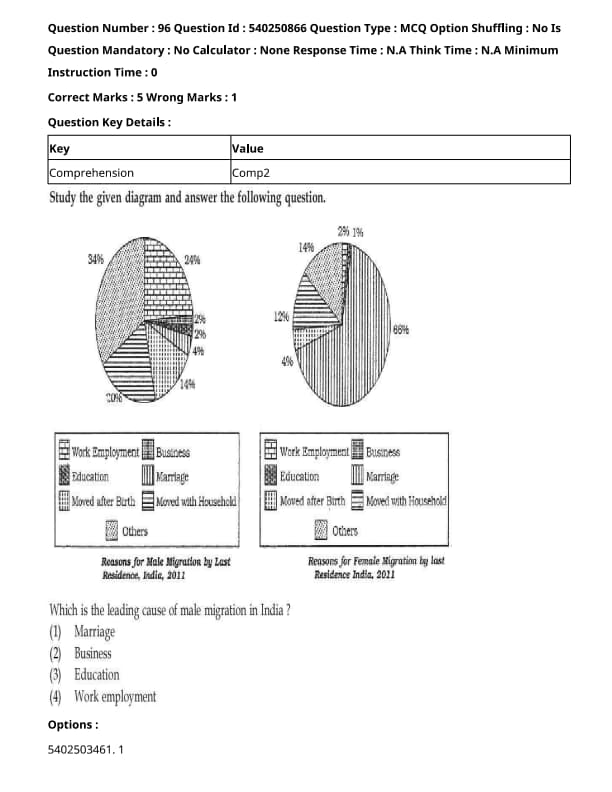
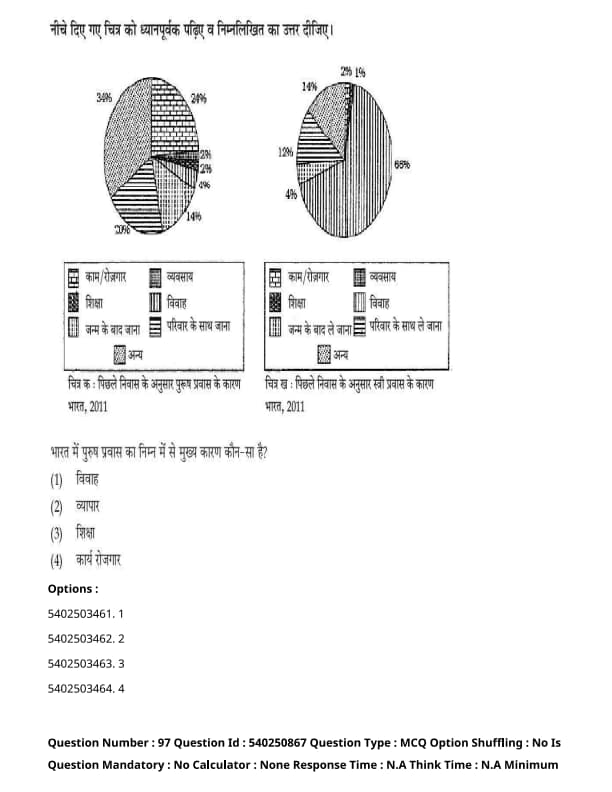
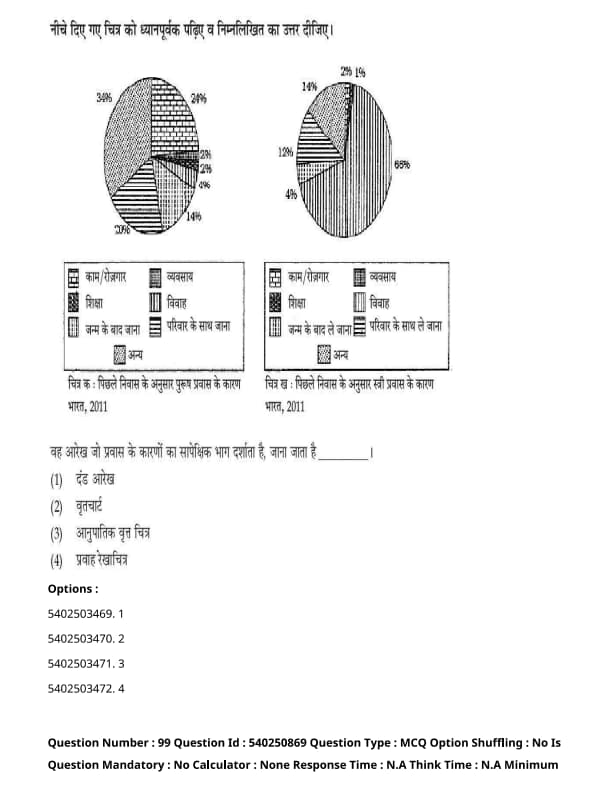
Study the given diagram and answer the following question.

Which is the leading cause of male migration in India ?
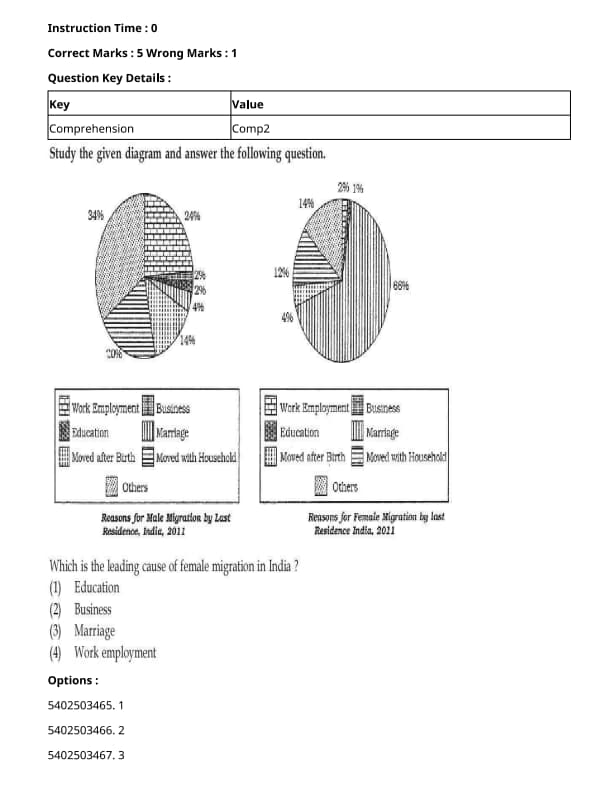
Study the given diagram and answer the following question.
Which is the leading cause of female migration in India ?
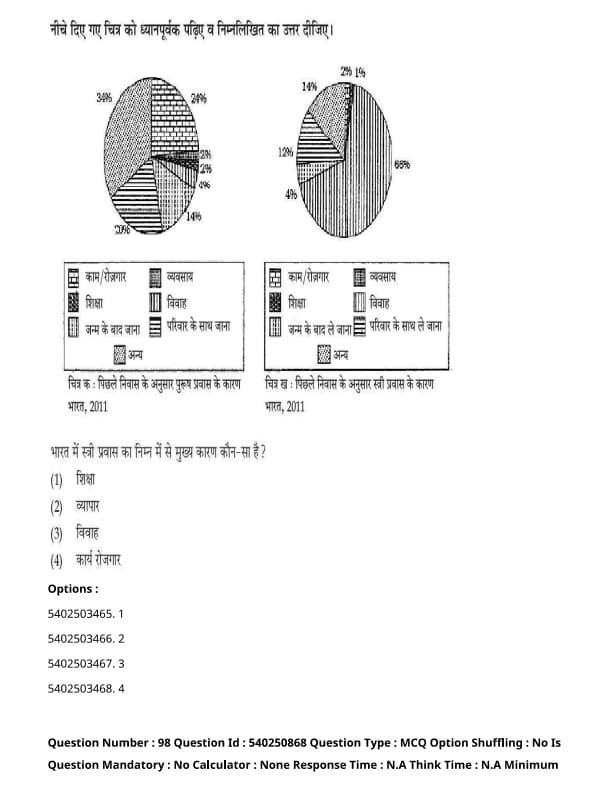
Study the given diagram and answer the following question.
The diagram used to represent the relative share of reasons of migration is known as ...........
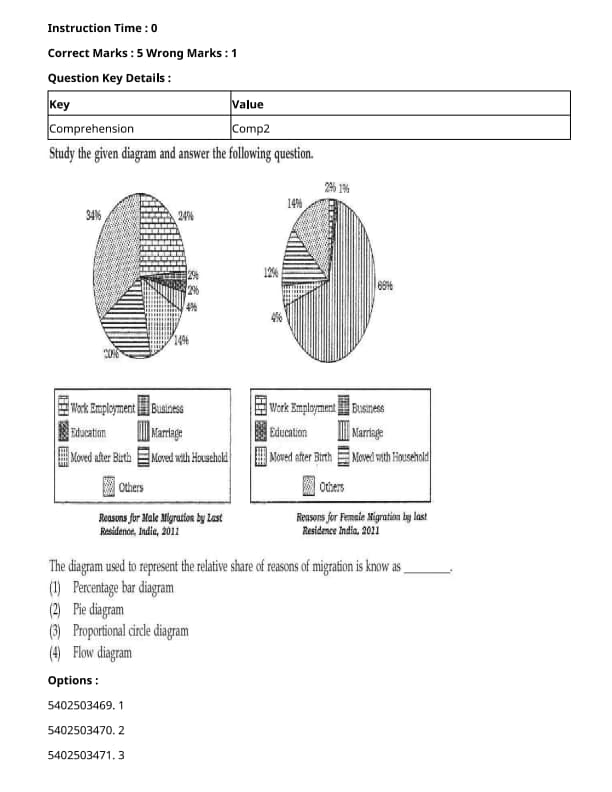
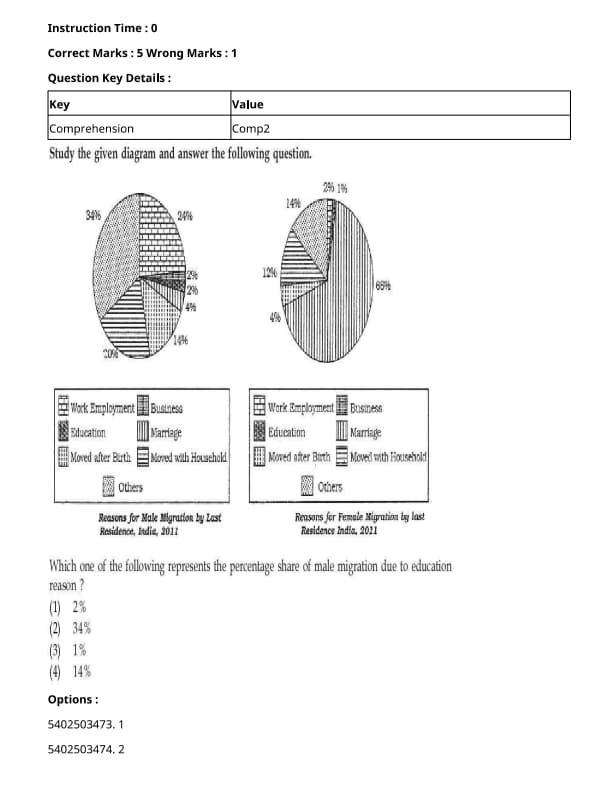
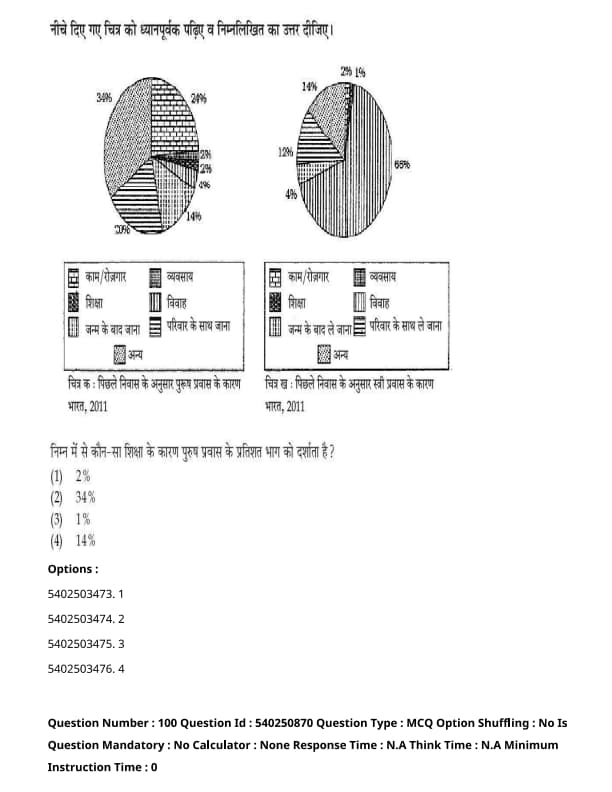
Study the given diagram and answer the following question.
Which one of the following represents the percentage share of male migration due to education reason?
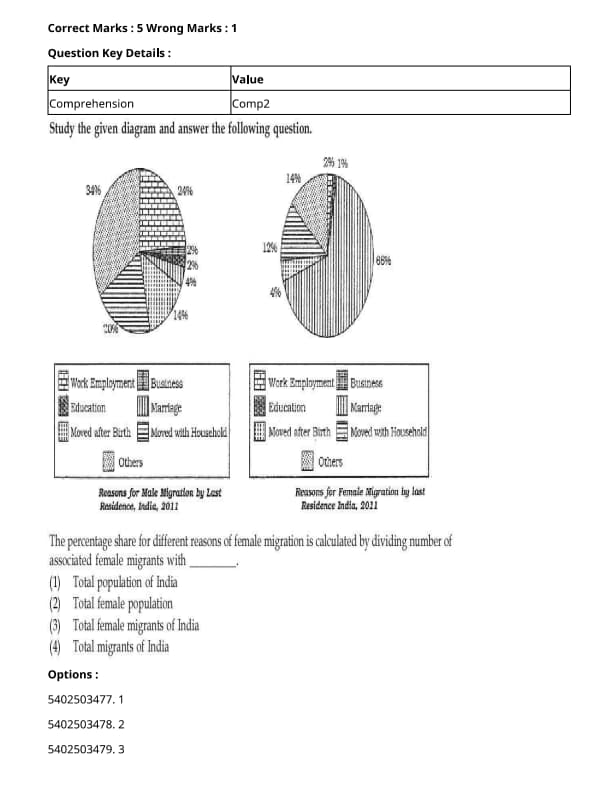
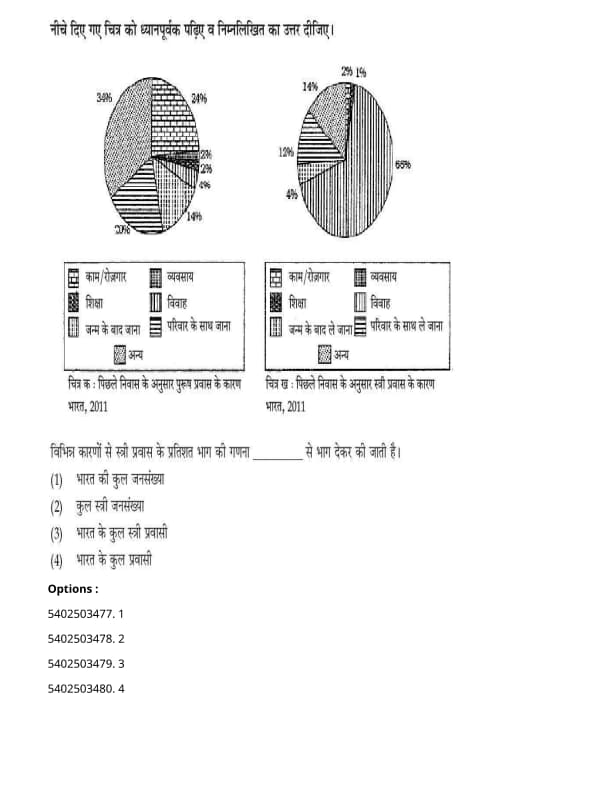
Study the given diagram and answer the following question.
The percentage share for different reasons of female migration is calculated by dividing the number of associated female migrants with ..........



















































CUET Answer Key 2023 PDF for Other Subjects
Also Check:



Comments