




The CUET PG Home Science 2025 Question Paper with Solution PDF is available here. The paper tests conceptual knowledge in human development, food and nutrition, resource management, textiles, communication, and family studies.
Students will answer 75 questions in 60 minutes, totaling 300 marks, with +4 marks for correct answers and –1 for incorrect ones.
CUET PG Home Science 2025 Question Paper with Solutions PDF
| CUET PG Home Science Question Paper with Solutions PDF | Download PDF | Check Solutions |
Sucrose is a non-reducing sugar due to which of the following reason?
View Solution
Sucrose is a non-reducing sugar because it does not have a free anomeric carbon. The glycosidic bond between glucose and fructose involves the anomeric carbon of both sugars, making them unavailable for oxidation. Quick Tip: For a sugar to be reducing, it must have a free anomeric carbon capable of mutarotation.
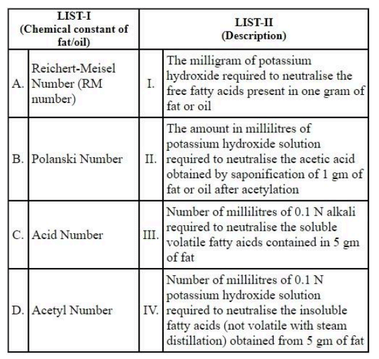
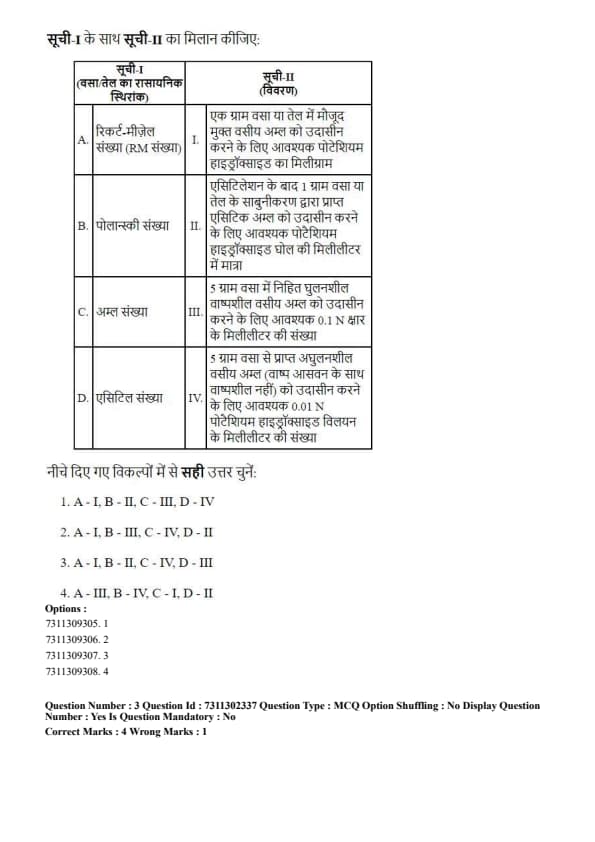
Match the LIST-I with LIST-II
View Solution
- Reichert-Meisel Number (A) is associated with free fatty acids neutralization (I).
- Polanski Number (B) refers to neutralizing acetic acid (II).
- Acid Number (C) measures soluble volatile fatty acids (IV).
- Acetyl Number (D) relates to the insoluble fatty acids (III).
Quick Tip: These chemical constants provide important information about the composition and quality of fats and oils.
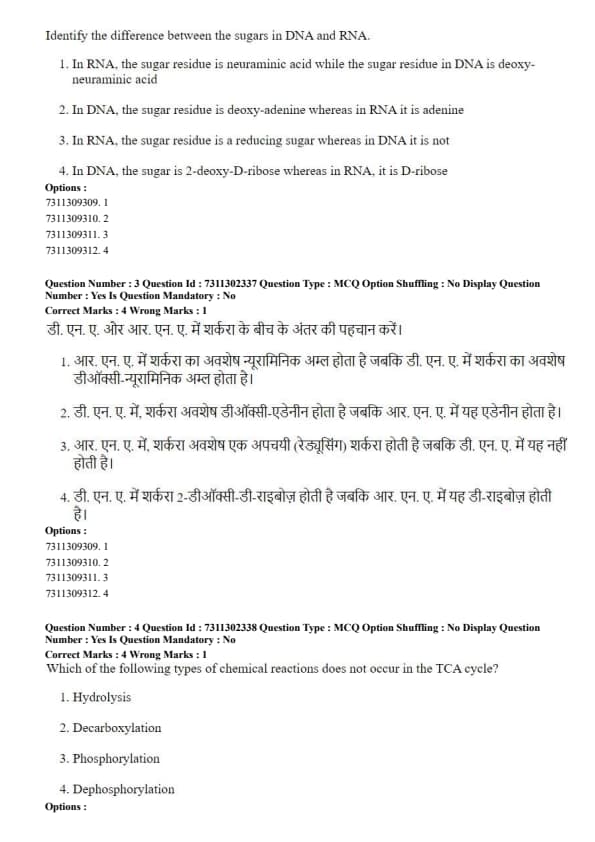
Identify the difference between the sugars in DNA and RNA.
View Solution
- The key difference between DNA and RNA is that DNA contains 2-deoxy-D-ribose, whereas RNA contains D-ribose. The absence of the hydroxyl group at the 2' position in DNA makes it more stable than RNA. Quick Tip: The sugar in RNA has a hydroxyl group at the 2' position, while DNA has a hydrogen atom at the same position.
Which of the following types of chemical reactions does not occur in the TCA cycle?
View Solution
The TCA cycle (Krebs cycle) involves reactions such as decarboxylation, oxidation, and phosphorylation, but dephosphorylation is not a key reaction in the cycle. Quick Tip: Phosphorylation and decarboxylation are key steps in the TCA cycle, while dephosphorylation occurs in other metabolic pathways.
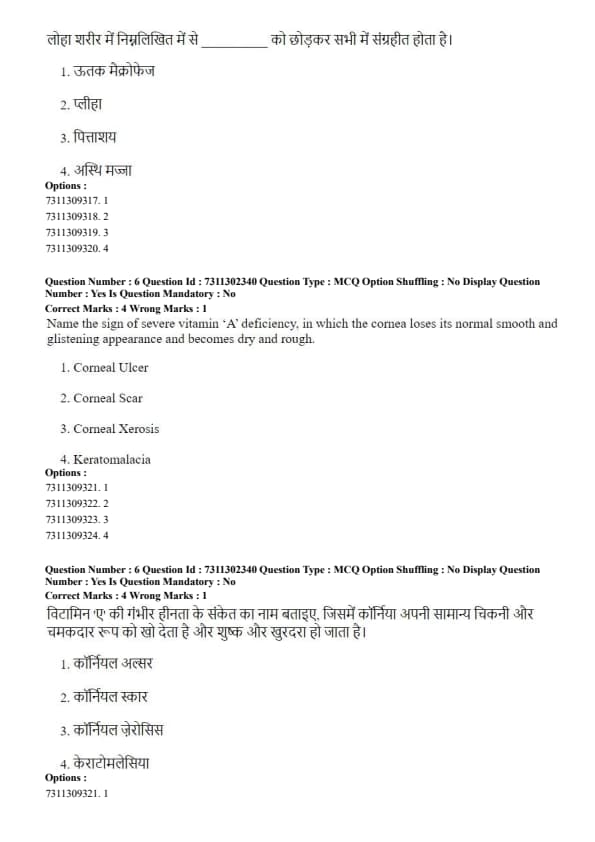
Iron is stored in the body in the following except:
View Solution
Iron is primarily stored in tissue macrophages, spleen, and bone marrow in the form of ferritin and hemosiderin. It is not stored in the gall bladder. Quick Tip: The gall bladder does not store iron; it is involved in the storage of bile.
Name the sign of severe vitamin 'A' deficiency, in which the cornea loses its normal smooth and glistening appearance and becomes dry and rough.
View Solution
Corneal Xerosis is the condition where the cornea becomes dry and rough due to severe vitamin A deficiency. This condition can lead to keratomalacia if untreated. Quick Tip: Vitamin A deficiency is a major cause of preventable blindness worldwide, especially in children.
Arrange steps involved in meal planning in the correct sequence.
A. Determining the Recommended Dietary Allowances (RDA)/Estimated Average Requirement (EAR) as given in the latest ICMR, NIN tables
B. Recording personal data
C. Selecting specific foods using the food exchanges provided in each meal
D. Distributing the food exchanges between different meals
E. Estimating the amount of different food exchanges
View Solution
The steps involved in meal planning are:
1. Recording personal data (B) - Knowing the individual's age, weight, activity level, etc.
2. Determining the RDA/EAR (A) - Based on the personal data and dietary guidelines.
3. Estimating the amount of different food exchanges (E) - Based on the RDA/EAR.
4. Distributing the food exchanges (D) - Across different meals to ensure proper nutrition throughout the day.
5. Selecting specific foods (C) - Using food exchanges and portion sizes.
Quick Tip: Meal planning ensures balanced nutrition by considering both energy needs and nutrient requirements.
Which among the following is not a characteristic feature of fatty liver?
View Solution
Fatty liver is characterized by:
- Hepatomegaly (1) - Enlargement of the liver due to fat accumulation.
- Hepatitis (2) - Inflammation of the liver.
- Liver Cirrhosis (3) - May develop as a result of long-term liver damage.
- Increase in blood urea (4) is not a direct feature of fatty liver; it may indicate kidney dysfunction.
Quick Tip: Fatty liver disease can progress to cirrhosis if left untreated, but it does not directly cause changes in blood urea levels.
In vitamin C deficiency, which one of the following reasons results in poor wound healing?
View Solution
Vitamin C plays a crucial role in collagen synthesis, which is necessary for wound healing. Its deficiency leads to poor connective tissue formation, resulting in delayed or impaired wound healing. Quick Tip: Vitamin C is essential for collagen synthesis, a key protein in connective tissue and wound healing.
Which type of heart failure is most likely to be associated with pulmonary edema?
View Solution
Pulmonary edema is most commonly associated with left heart failure. When the left side of the heart is unable to pump effectively, fluid backs up into the lungs, leading to pulmonary edema. Right heart failure does not directly cause pulmonary edema. Quick Tip: Pulmonary edema is a hallmark of left heart failure, as the heart cannot effectively pump blood, causing fluid buildup in the lungs.
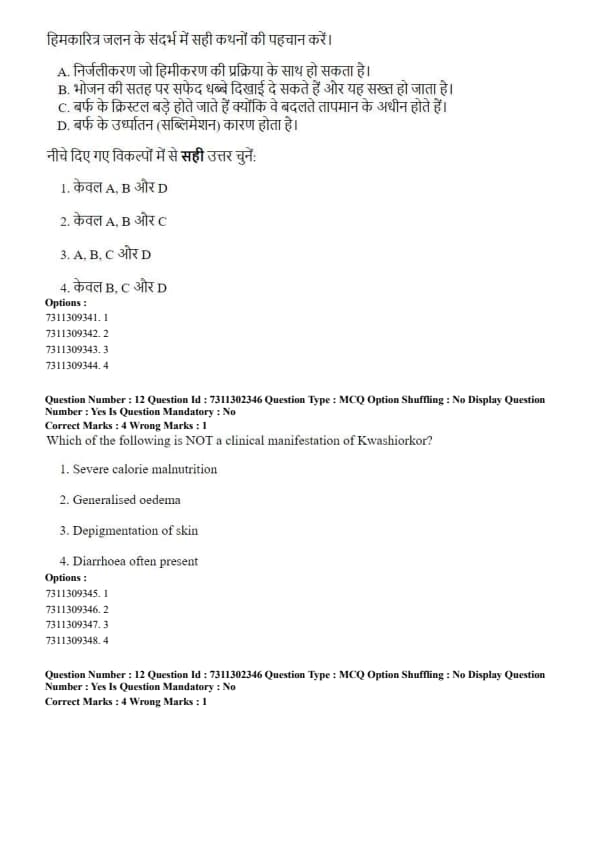
Identify the correct statements in context of Freezer Burn.
A. Dehydration that may accompany the freezing process
B. The surface of food may show white patches and becomes tough
C. Ice crystals enlarge because they are subject to fluctuating temperatures
D. Occurs due to sublimation of ice
View Solution
Freezer burn occurs when food is exposed to air during freezing, leading to dehydration (A), the formation of white patches and a tough texture on the food surface (B), enlargement of ice crystals (C) due to fluctuating temperatures, and sublimation of ice (D). Quick Tip: Freezer burn affects the quality of food but does not necessarily make it unsafe to eat.
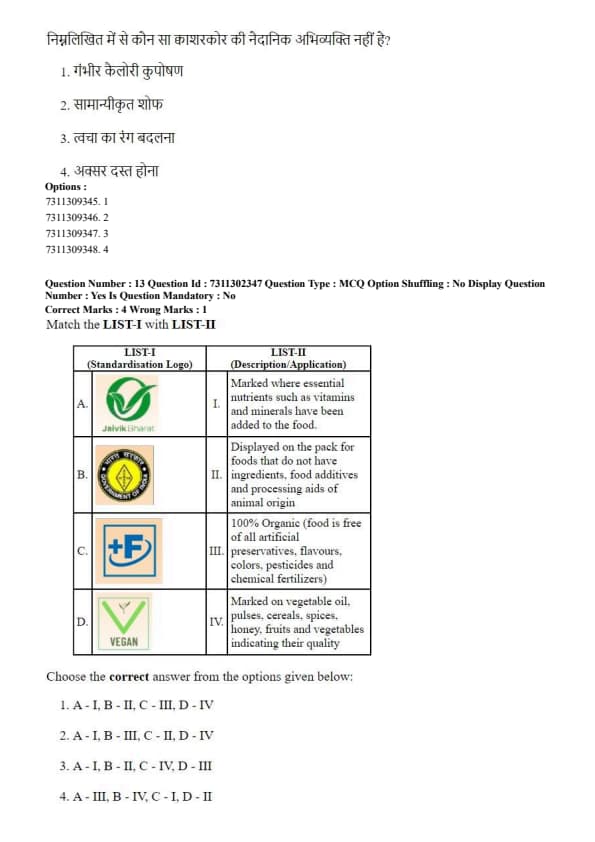
Which of the following is NOT a clinical manifestation of Kwashiorkor?
View Solution
Kwashiorkor is a form of protein-energy malnutrition characterized by generalized oedema, depigmentation of skin, and diarrhoea. However, it is not typically associated with severe calorie malnutrition, which is more common in marasmus. Quick Tip: Kwashiorkor results from insufficient protein intake, while marasmus is associated with a deficiency of both calories and protein.
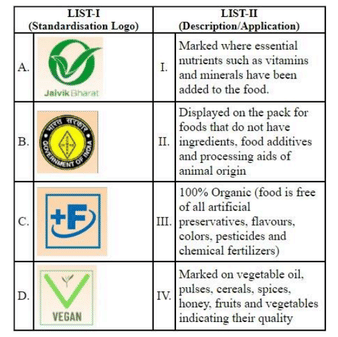
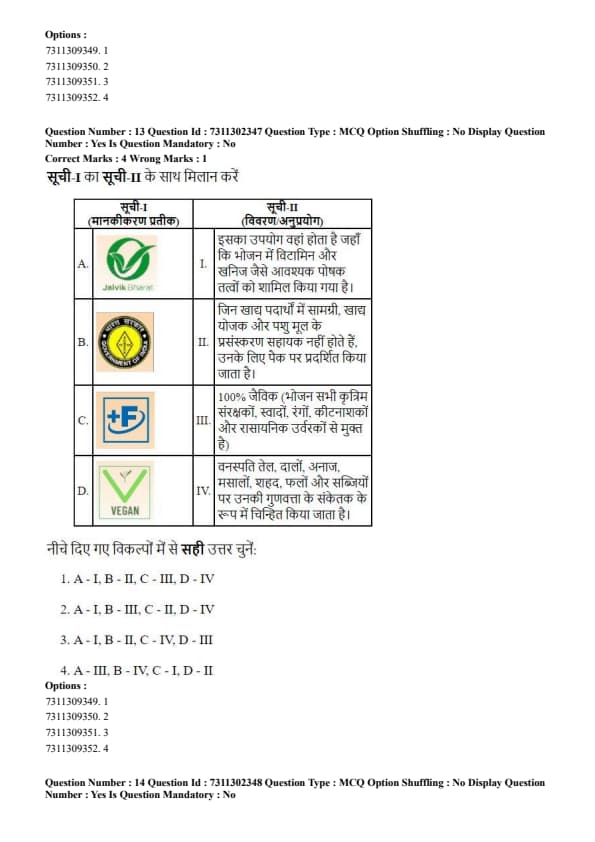
Match the LIST-I with LIST-II
View Solution
- Jaivik Bharat (A) is marked for organic certification (I).
- भारत सरकार GOVERNMENT OF INDIA (B) is marked on non-animal origin foods (II).
- +F (C) indicates 100% organic foods (III).
- VEGAN (D) is used for foods without animal products (IV). Quick Tip: Certification logos help consumers identify the quality and ethical nature of food products.
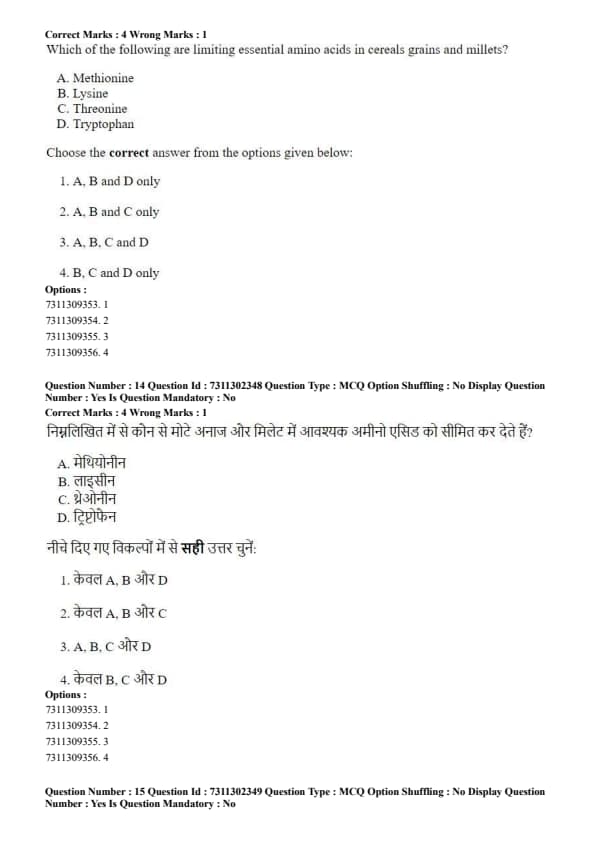
Which of the following are limiting essential amino acids in cereal grains and millets?
A. Methionine
B. Lysine
C. Threonine
D. Tryptophan
View Solution
Cereal grains and millets are deficient in Lysine, Threonine, and Methionine. These essential amino acids are limited in these foods, making them insufficient for complete protein synthesis. Quick Tip: Cereal grains and millets are generally poor in lysine, methionine, and threonine, requiring complementary foods to provide all essential amino acids.
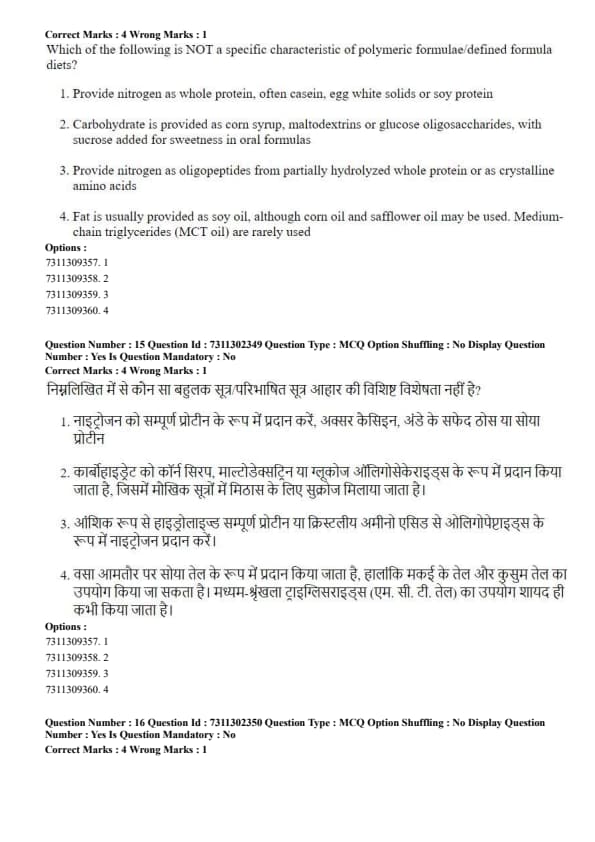
Which of the following is NOT a specific characteristic of polymeric formulae/defined formula diets?
View Solution
Polymeric or defined formula diets provide whole proteins, carbohydrates, and fats. They are often designed for specific nutritional needs, but MCT oil is commonly used in certain specialized formulas for its easier digestion and absorption. Quick Tip: Polymeric formulas are designed for patients with complex nutritional needs, often providing proteins as whole protein or oligopeptides.
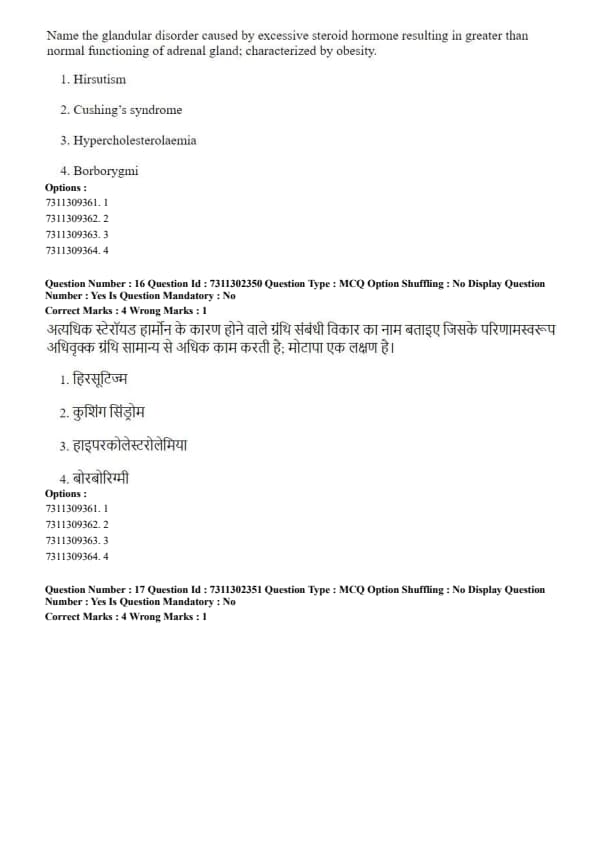
Name the glandular disorder caused by excessive steroid hormone resulting in greater than normal functioning of adrenal gland; characterized by obesity.
View Solution
Cushing's syndrome is caused by excessive secretion of steroid hormones, typically cortisol, by the adrenal glands. It is characterized by obesity, particularly in the face and upper body, and is often associated with other symptoms such as muscle weakness and high blood pressure. Quick Tip: Cushing's syndrome may result from adrenal tumors, pituitary disorders, or long-term steroid medication.
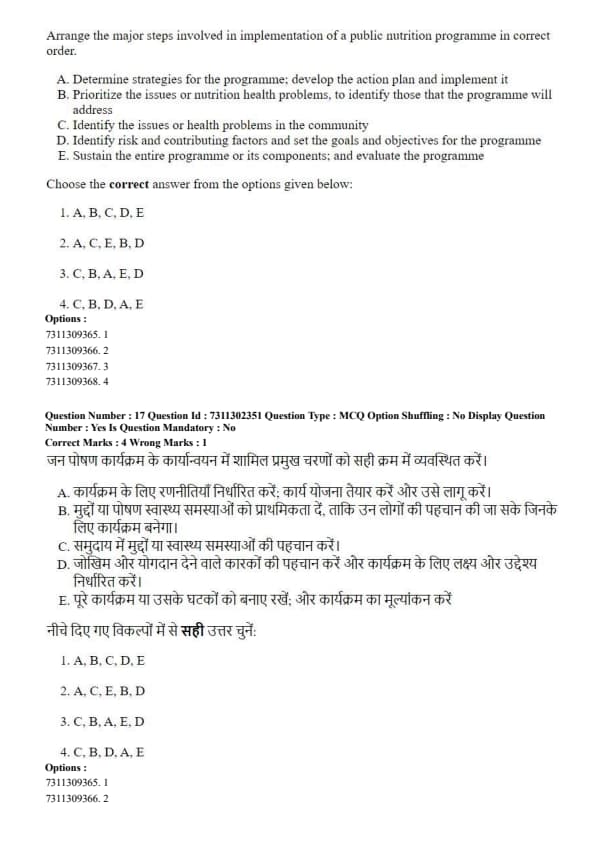
Arrange the major steps involved in implementation of a public nutrition programme in correct order.
A. Determine strategies for the programme; develop the action plan and implement it
B. Prioritize the issues or nutrition health problems, to identify those that the programme will address
C. Identify the issues or health problems in the community
D. Identify risk and contributing factors and set the goals and objectives for the programme
E. Sustain the entire programme or its components; and evaluate the programme
View Solution
The steps involved in implementing a public nutrition program are:
1. Identify the issues or health problems (C) in the community.
2. Prioritize nutrition health problems (B) to focus on key issues.
3. Identify risk and contributing factors (D) and set goals for the program.
4. Determine strategies (A) and develop the action plan.
5. Sustain and evaluate the program (E).
Quick Tip: A successful public nutrition program requires a systematic approach from identifying problems to evaluating its effectiveness.
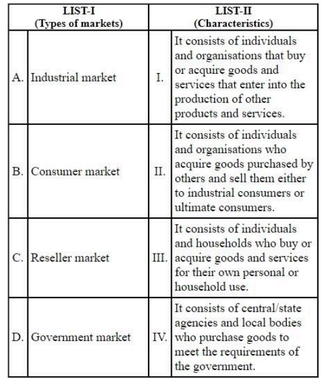
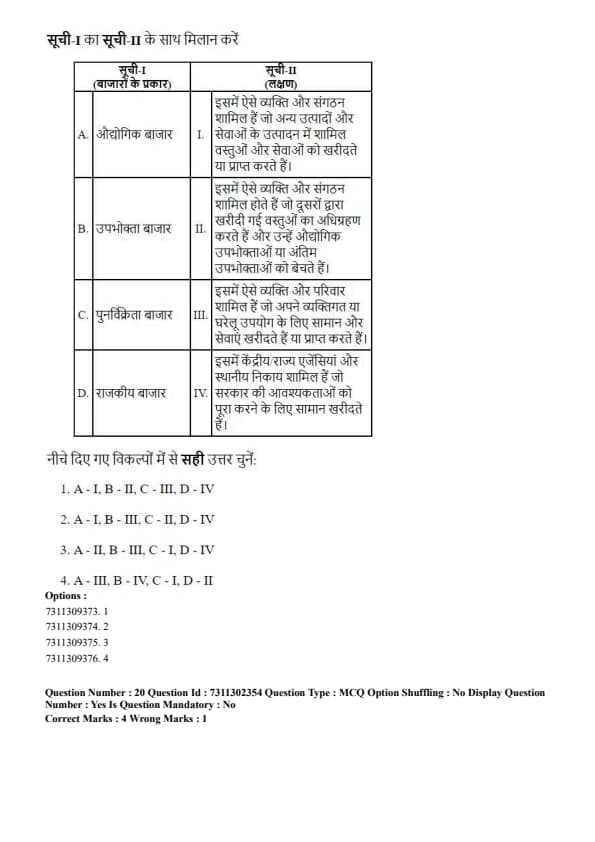
Match the LIST-I with LIST-II
View Solution
- Industrial market (A) includes organizations that purchase goods for production use (I).
- Consumer market (B) consists of individuals who buy goods for personal use (III).
- Reseller market (C) includes those who sell purchased goods to others (II).
- Government market (D) consists of government agencies purchasing goods for public needs (IV).
Quick Tip: Understanding the different markets helps businesses target their products more effectively.
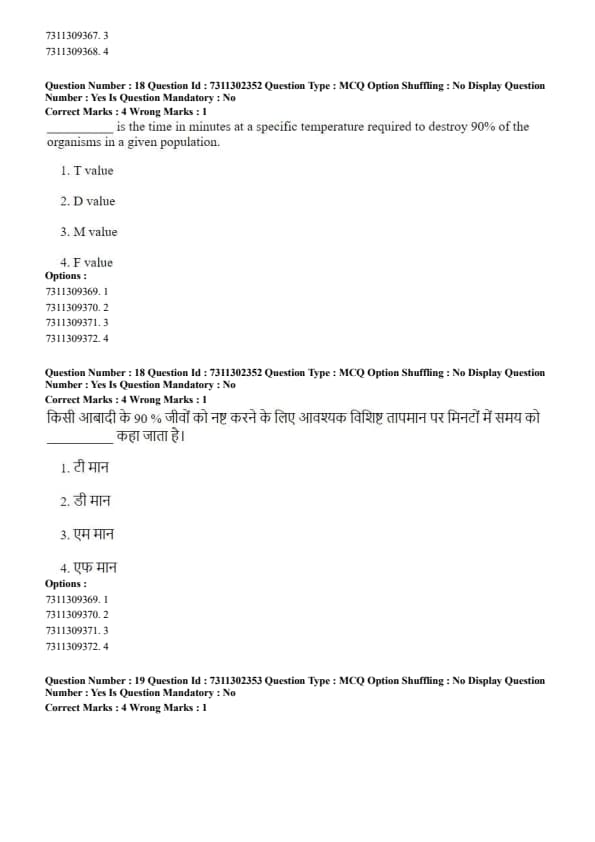
……… is the time in minutes at a specific temperature required to destroy 90% of the organisms in a given population.
View Solution
The D value refers to the time required at a specific temperature to destroy 90% of the microorganisms. It is commonly used in the context of sterilization and food safety. Quick Tip: The D value is an important measure in the food industry for determining the effectiveness of pasteurization and sterilization processes.
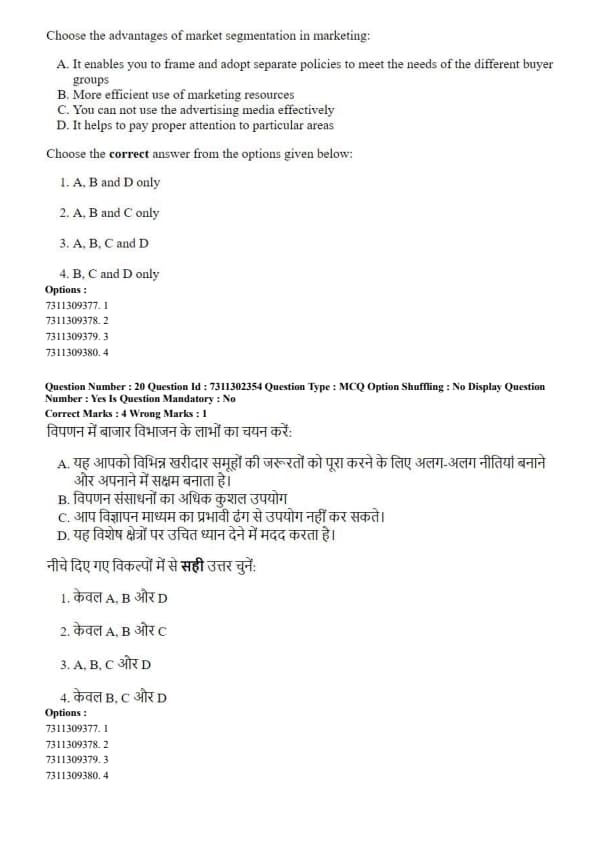
Choose the advantages of market segmentation in marketing:
A. It enables you to frame and adopt separate policies to meet the needs of the different buyer groups
B. More efficient use of marketing resources
C. You can not use the advertising media effectively
D. It helps to pay proper attention to particular areas
View Solution
Market segmentation enables businesses to address the needs of different buyer groups (A), use marketing resources more efficiently (B), and focus on particular areas (D). However, segmentation does not imply that advertising media cannot be used effectively (C). Quick Tip: Segmentation helps businesses create tailored marketing strategies that resonate with specific customer needs, improving both efficiency and effectiveness.
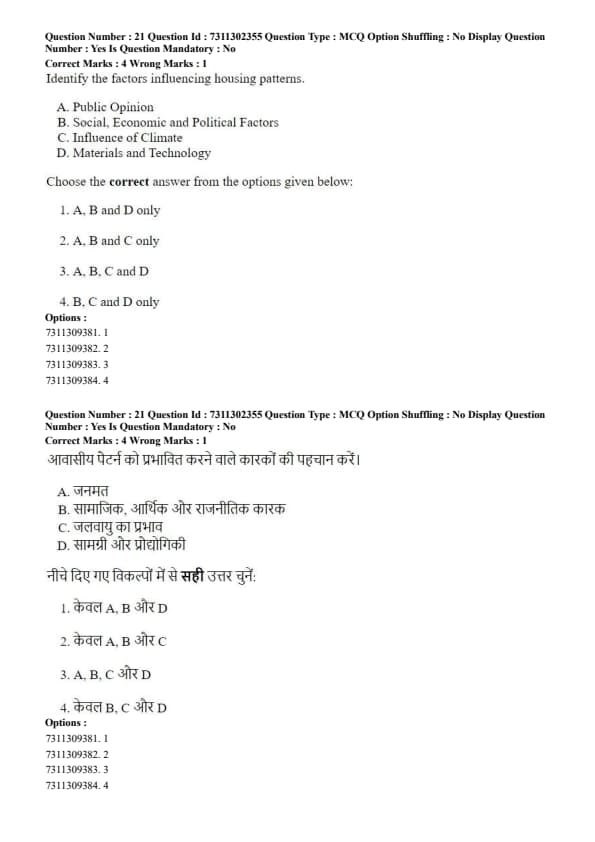
Identify the factors influencing housing patterns.
A. Public Opinion
B. Social, Economic and Political Factors
C. Influence of Climate
D. Materials and Technology
View Solution
Factors influencing housing patterns include:
- Public Opinion (A) - Influences architectural designs and building practices.
- Social, Economic and Political Factors (B) - Influence affordability, accessibility, and design of housing.
- Climate (C) - Affects building materials, construction methods, and environmental considerations.
- Materials and Technology (D) - Determines the quality, type, and sustainability of housing.
Quick Tip: Housing patterns are shaped by a combination of social, environmental, and technological factors.
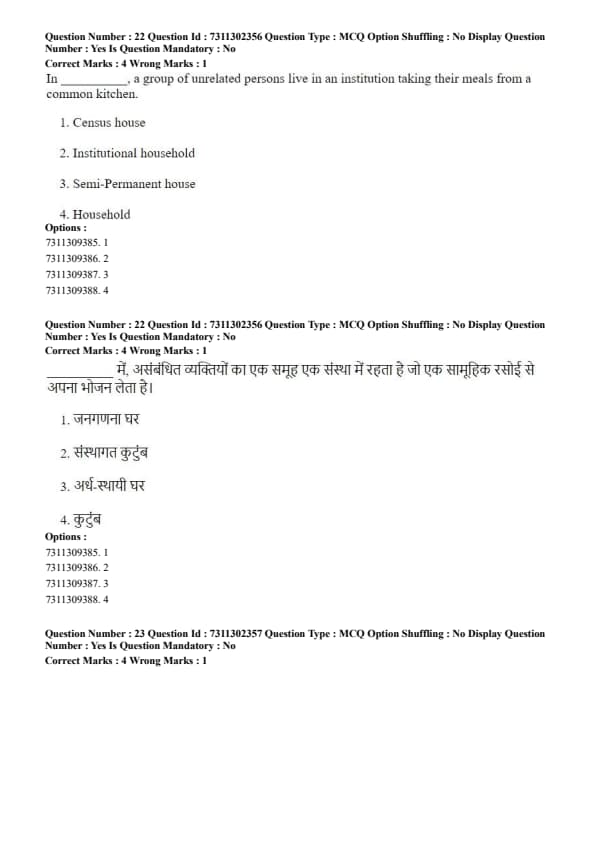
In……………., a group of unrelated persons live in an institution taking their meals from a common kitchen
View Solution
An institutional household refers to a group of unrelated persons who live in an institution and share facilities like a common kitchen. This contrasts with a household, which typically consists of related persons living together. Quick Tip: Institutional households are often found in settings like dormitories, orphanages, or boarding schools.
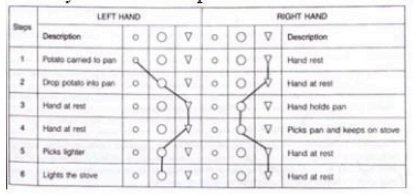
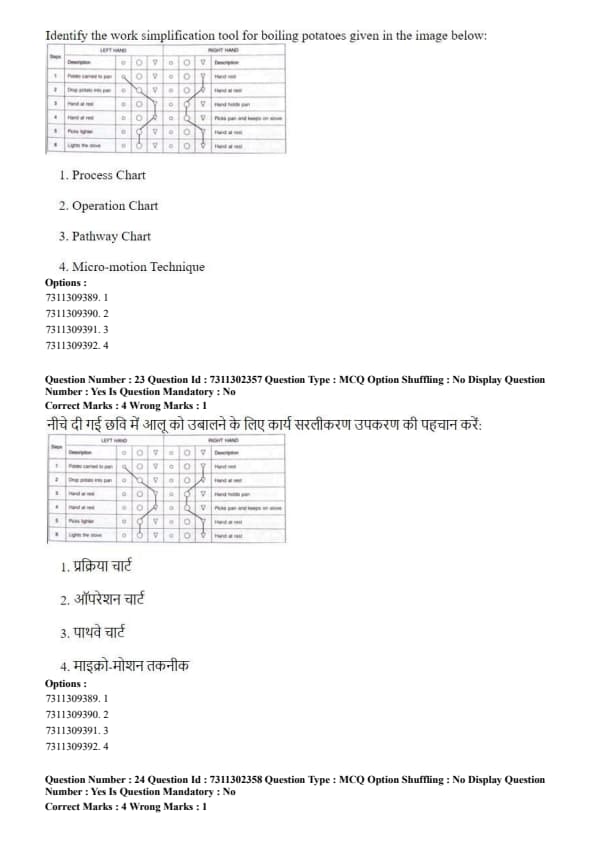
Identify the work simplification tool for boiling potatoes given in the image below:
View Solution
A process chart is used to simplify and document a series of operations, such as the steps for boiling potatoes. It helps to visualize the entire process, making it easier to identify inefficiencies or areas for improvement. Quick Tip: Process charts are useful for analyzing work processes and improving efficiency in tasks like cooking or assembly.
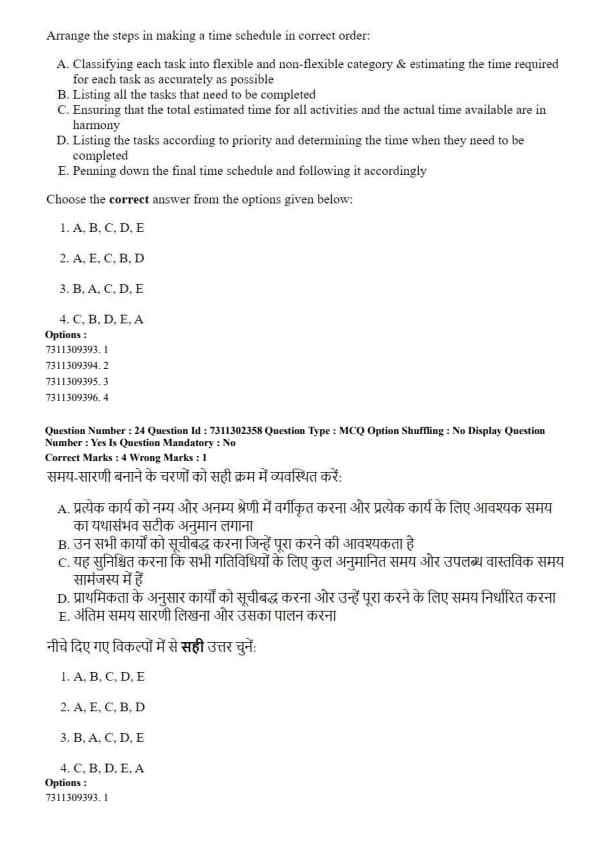
Arrange the steps in making a time schedule in correct order:
A. Classifying each task into flexible and non-flexible category & estimating the time required for each task as accurately as possible
B. Listing all the tasks that need to be completed
C. Ensuring that the total estimated time for all activities and the actual time available are in harmony
D. Listing the tasks according to priority and determining the time when they need to be completed
E. Penning down the final time schedule and following it accordingly
View Solution
The correct order of steps is:
1. Listing all tasks (B).
2. Classifying tasks into flexible and non-flexible categories and estimating time (A).
3. Ensuring that estimated time and available time match (C).
4. Listing tasks according to priority and determining time (D).
5. Penning down and following the schedule (E).
Quick Tip: A time schedule helps manage time effectively and ensures that tasks are completed on time.
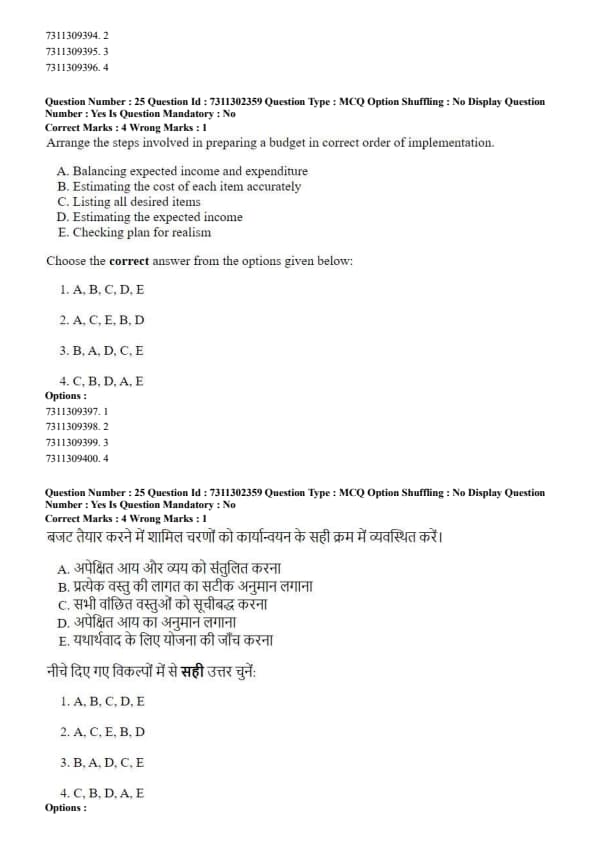
Arrange the steps involved in preparing a budget in correct order of implementation.
A. Balancing expected income and expenditure
B. Estimating the cost of each item accurately
C. Listing all desired items
D. Estimating the expected income
E. Checking plan for realism
View Solution
The correct order of steps for preparing a budget is:
1. Listing all desired items (C).
2. Estimating the cost of each item (B).
3. Estimating expected income (D).
4. Balancing income and expenditure (A).
5. Checking the plan for realism (E).
Quick Tip: Budgeting is a systematic process that ensures you have enough income to cover your expenditures and achieve your financial goals.
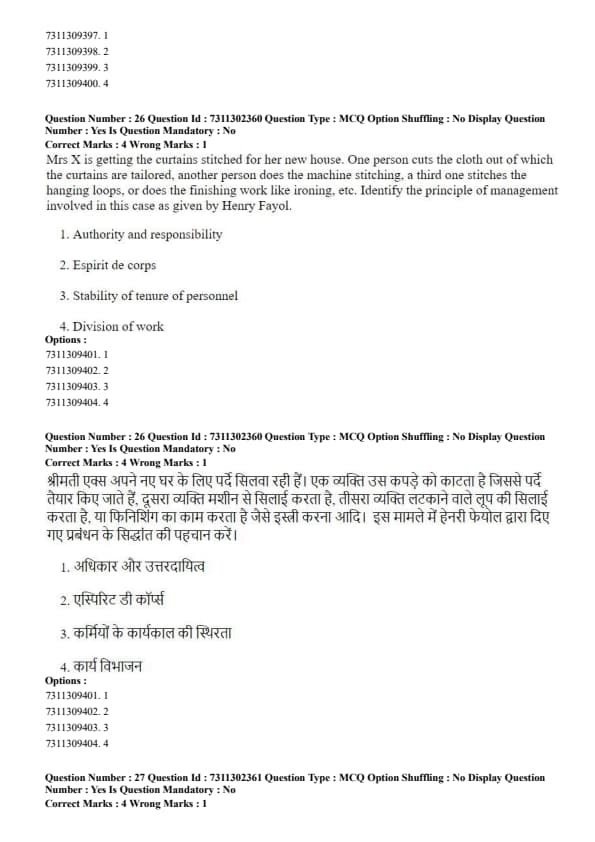
Mrs X is getting the curtains stitched for her new house. One person cuts the cloth out of which the curtains are tailored, another person does the machine stitching, a third one stitches the hanging loops, or does the finishing work like ironing, etc. Identify the principle of management involved in this case as given by Henry Fayol.
View Solution
Division of work is the principle where tasks are divided among individuals based on specialization and expertise, as seen in this example where different people handle different aspects of curtain stitching. Quick Tip: Division of work leads to increased efficiency and skill development by allowing individuals to focus on specific tasks.
Name the type of market competition in which there are a large number of sellers in the market for a commodity, but the product of each seller differs in some respect from the product of the other sellers; and product differentiation is the cornerstone.
View Solution
Monopolistic competition is characterized by a large number of sellers offering differentiated products. While the products are similar, each seller’s product is unique in some way, creating competition based on differentiation, not just price. Quick Tip: Monopolistic competition exists when many sellers offer similar but differentiated products, such as in the restaurant or clothing industries.
Name the consumer right according to the Consumer Protection Act (2019), which states access to a variety of goods, products or services at competitive prices.
View Solution
The right to be assured ensures that consumers have access to a variety of goods and services at competitive prices, ensuring fairness and competition in the market. Quick Tip: The Consumer Protection Act (2019) empowers consumers to access goods and services that meet their needs at reasonable prices.
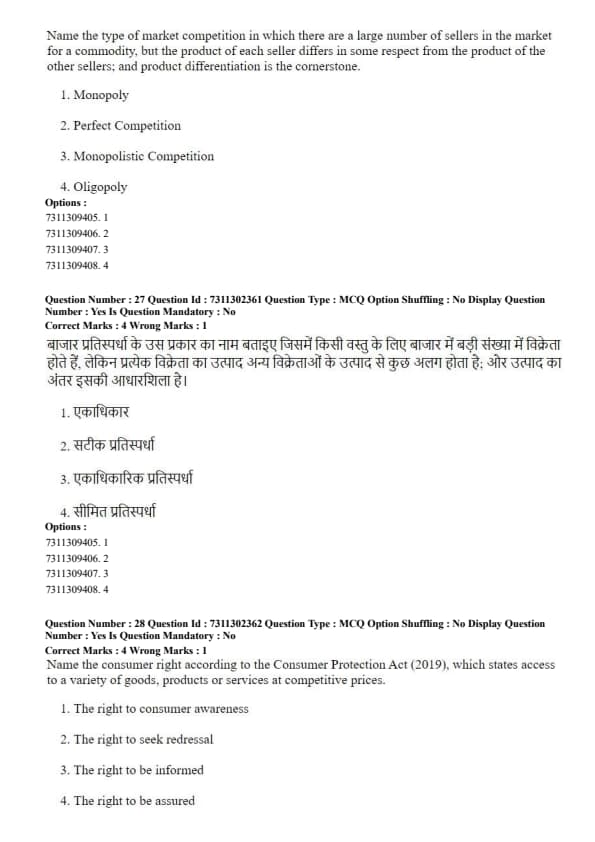
Identify the type of window given in the image below:
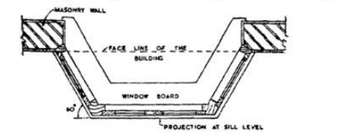
View Solution
A clerestory window is a high, horizontal window placed near the roofline. It allows light and air to enter a building, often used in churches or large public buildings. Quick Tip: Clerestory windows are common in architecture for providing natural light while maintaining privacy.
Motivation, intuition, values, philosophy are examples of which type of resources?
View Solution
Affective resources refer to internal attributes like motivation, values, and philosophy that drive behavior and decision-making. They are intangible resources that influence an individual's actions and attitudes. Quick Tip: Affective resources involve emotional and motivational factors that can significantly impact performance and decision-making.
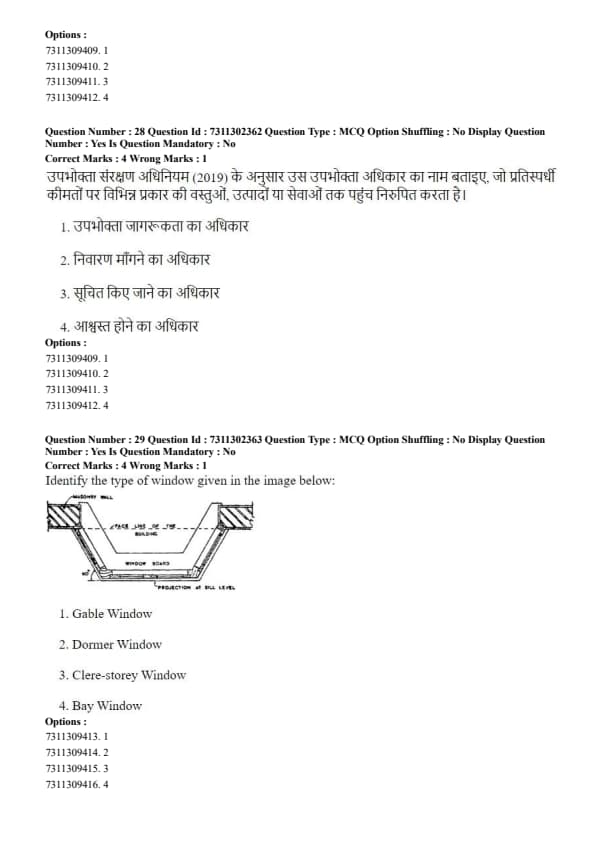
Identify which principle of design is demonstrated in the image below:
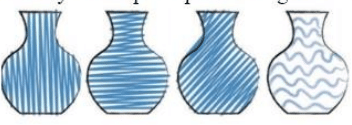
View Solution
The principle of harmony refers to the arrangement of elements in a way that creates a visually pleasing and cohesive whole. It ensures that all parts of a design work together in unity. Quick Tip: Harmony in design is achieved when different components blend well together, creating a sense of balance and cohesion.
Which among the following means shifting of color to the surrounding area or to the adjacent surface?
View Solution
Migration refers to the shifting of color from one area to another, typically caused by external factors like heat or friction. It often happens in textiles when dyes or pigments move to adjacent areas. Quick Tip: Migration is a common issue in dyed fabrics, often leading to unwanted color transfer between areas.
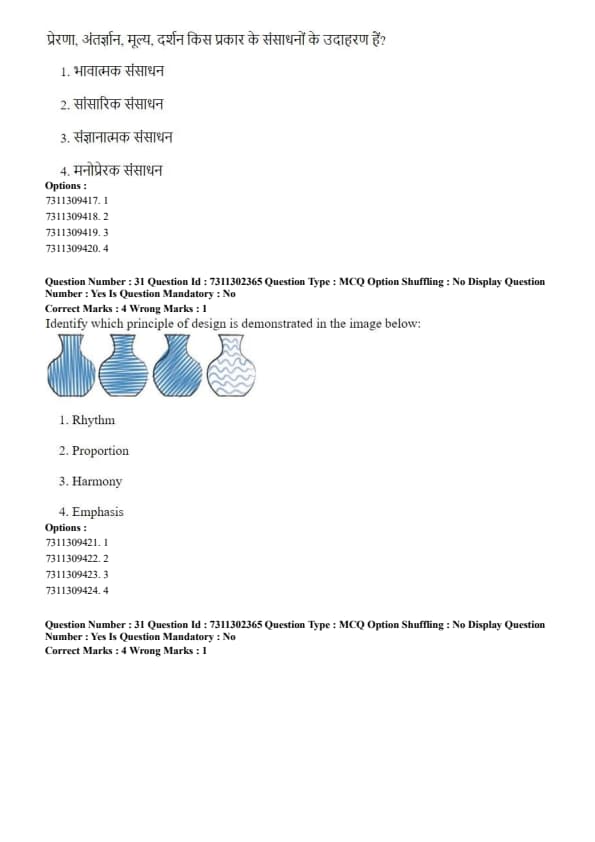
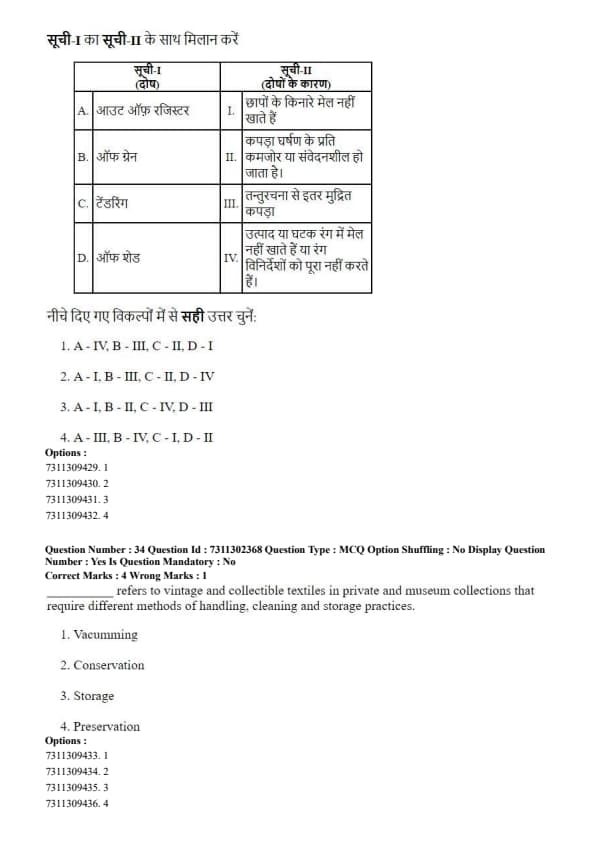
Match the LIST-I with LIST-II
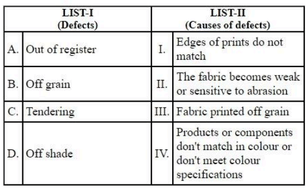
View Solution
- Out of register (A) occurs when the edges of prints do not match (I).
- Off grain (B) happens when the fabric is printed off grain (III).
- Tendering (C) refers to fabric becoming weak or sensitive to abrasion (II).
- Off shade (D) involves products or components not matching the desired color specifications (IV).
Quick Tip: In printing, misalignment or mismatches in color and fabric grain can lead to defects in the final product.
………..refers to vintage and collectible textiles in private and museum collections that require different methods of handling, cleaning and storage practices.
View Solution
Conservation refers to the specialized techniques and practices for preserving and maintaining vintage or collectible textiles, ensuring their longevity and minimizing damage. Quick Tip: Conservation of textiles requires careful handling, cleaning, and storage to avoid degradation over time.
Which among the following is NOT a method of dyeing?
View Solution
The sack method is not commonly used for dyeing textiles. The batch, jig, and pad methods are all traditional techniques used for applying dyes to fabrics. Quick Tip: Dyeing methods vary depending on the type of fabric and the desired outcome, but sack is not a recognized dyeing technique.
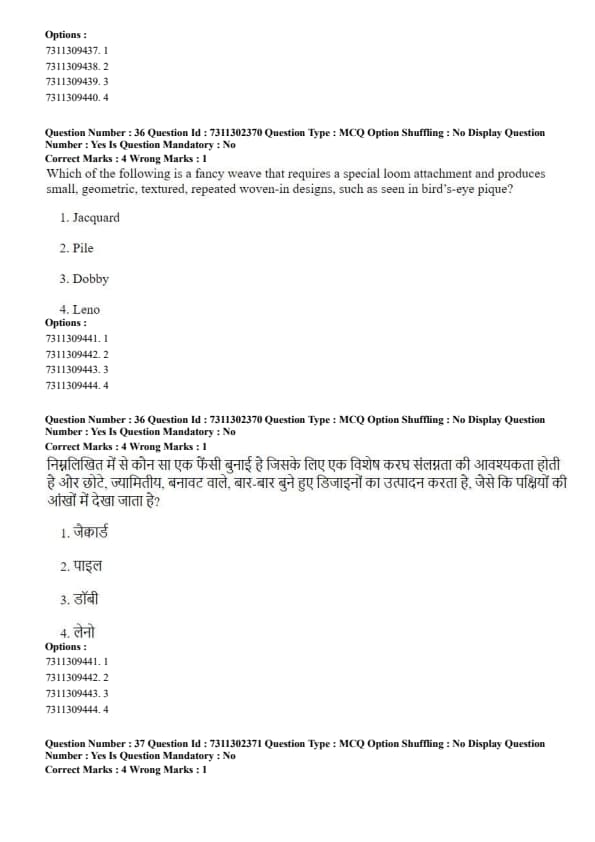
Which of the following is a fancy weave that requires a special loom attachment and produces small, geometric, textured, repeated woven-in designs, such as seen in bird's-eye pique?
View Solution
The dobby weave is used to create small, geometric, textured designs such as bird’s-eye pique. This weave requires a special loom attachment and is used for fabrics with intricate patterns. Quick Tip: The dobby loom is used for creating intricate woven patterns, often used in fabric designs like bird’s-eye pique.
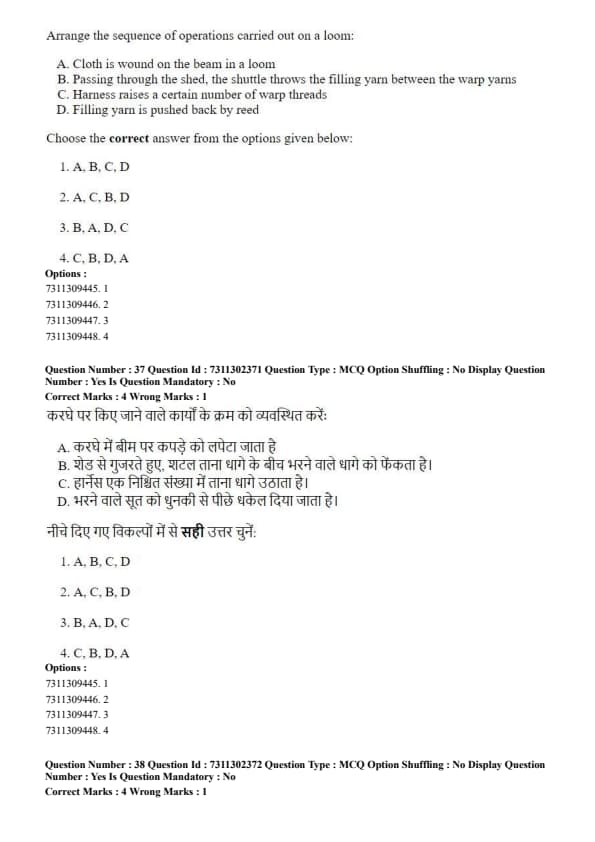
Arrange the sequence of operations carried out on a loom:
A. Cloth is wound on the beam in a loom
B. Passing through the shed, the shuttle throws the filling yarn between the warp yarns
C. Harness raises a certain number of warp threads
D. Filling yarn is pushed back by reed
View Solution
The correct sequence of operations on a loom is:
1. Cloth is wound on the beam (A).
2. Harness raises a certain number of warp threads (C).
3. Shuttle throws the filling yarn through the shed (B).
4. Reed pushes the filling yarn back (D).
Quick Tip: Loom operation follows a precise sequence to ensure the fabric is woven efficiently and correctly.
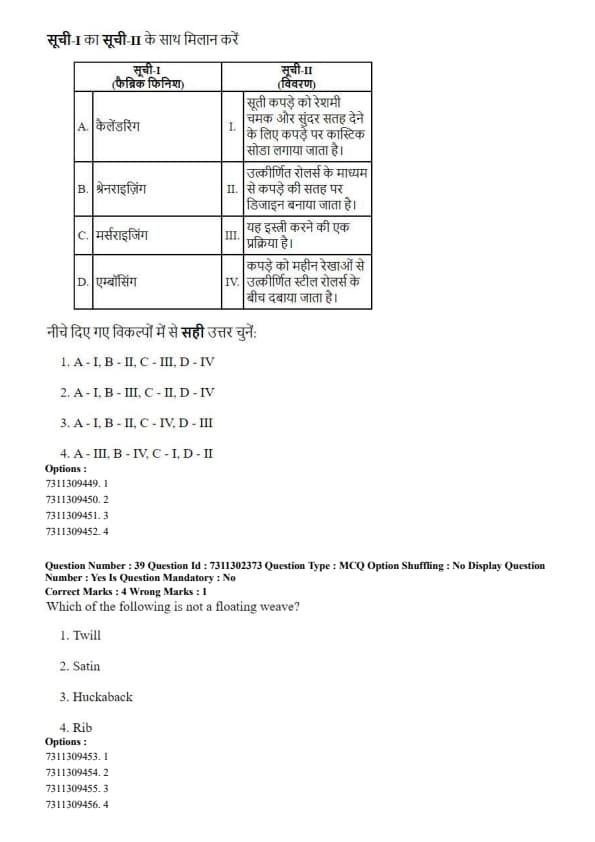
Match the LIST-I with LIST-II
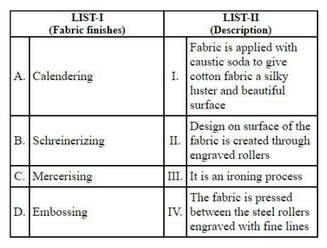
View Solution
- Calendering (A) is the process of pressing fabric between rollers to achieve smoothness and luster (I).
- Schreinerizing (B) creates fine patterns on the fabric surface using engraved rollers (II).
- Mercerizing (C) is an ironing process that improves the fabric's luster and strength (III).
- Embossing (D) uses engraved rollers to create a design or pattern on the fabric surface (IV).
Quick Tip: Fabric finishing processes like calendering, mercerizing, and embossing improve both the aesthetic and functional properties of textiles.
Which of the following is not a floating weave?
View Solution
A floating weave allows certain warp or filling yarns to "float" over others. Twill, Satin, and Rib are floating weaves, whereas Huckaback is a type of weave used for towels, characterized by a solid structure, not a floating one. Quick Tip: Floating weaves are used to create a smooth, glossy finish on fabrics like satin, while weaves like huckaback focus on absorbency and texture.
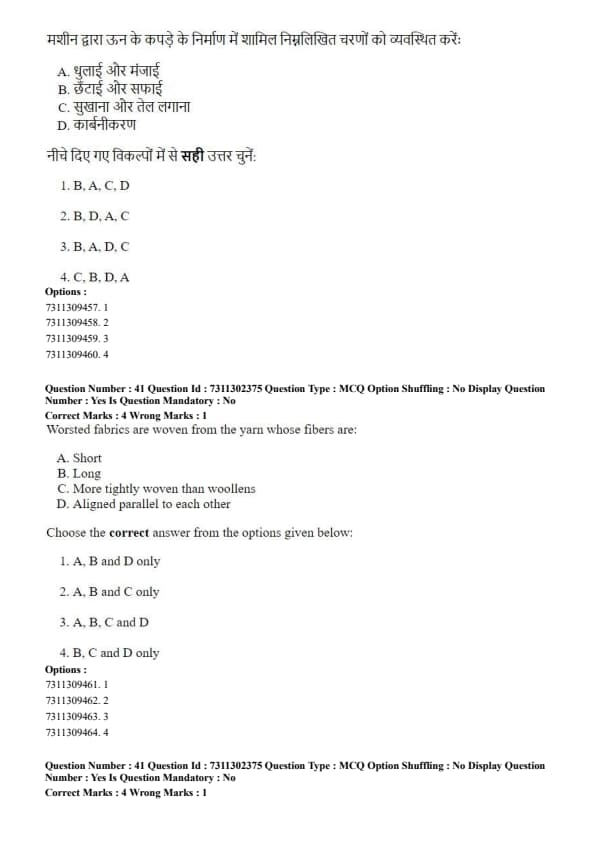
Arrange the following steps involved in the manufacturing of wool fabric by machine:
A. Washing and scouring
B. Sorting and cleaning
C. Drying and oiling
D. Carbonising
View Solution
The correct sequence of operations for manufacturing wool fabric by machine is:
1. Sorting and cleaning (B) the raw wool.
2. Washing and scouring (A) to remove dirt and grease.
3. Carbonising (D) to remove vegetable matter.
4. Drying and oiling (C) to prepare the wool for spinning.
Quick Tip: Wool processing involves several stages of cleaning, preparation, and finishing to ensure high-quality fabric.
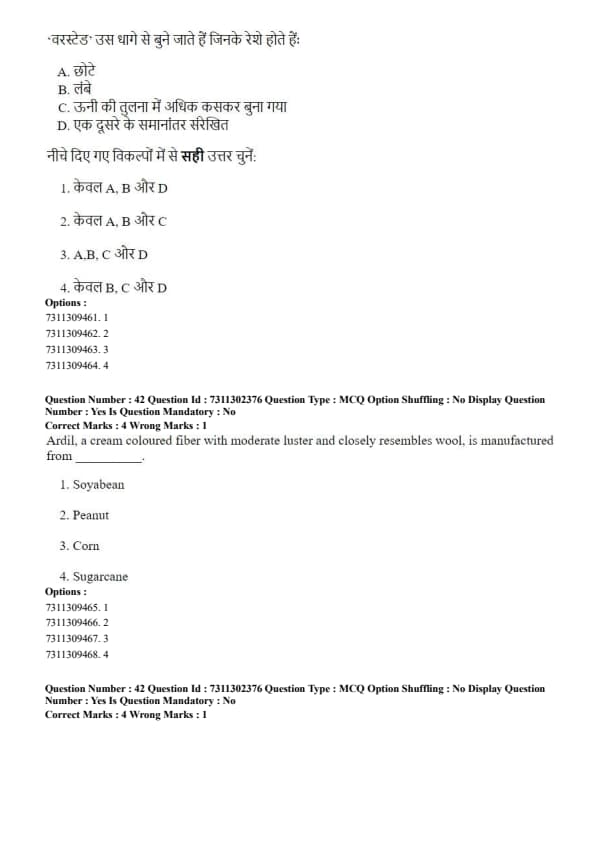
Worsted fabrics are woven from the yarn whose fibers are:
A. Short
B. Long
C. More tightly woven than woollens
D. Aligned parallel to each other
View Solution
Worsted fabrics are woven from long fibers (B) that are more tightly woven than woollens (C) and the fibers are aligned parallel to each other (D), which makes the fabric smooth and durable. Quick Tip: Worsted yarns are made from long fibers, which result in a smooth and strong fabric suitable for high-quality clothing.
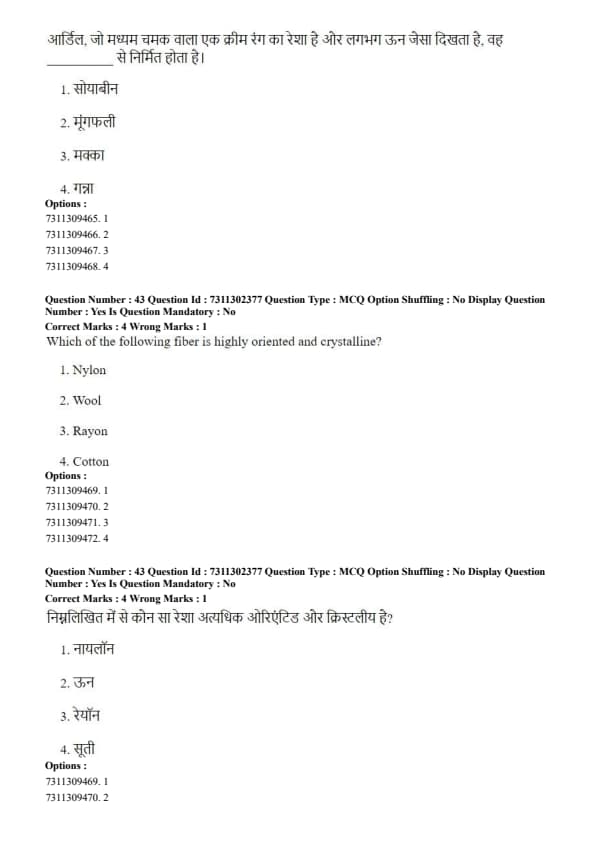
Ardil, a cream coloured fiber with moderate luster and closely resembles wool, is manufactured from
View Solution
Ardil is a synthetic fiber that closely resembles wool and is manufactured from corn. It has a moderate luster and is often used as a wool substitute. Quick Tip: Ardil is a bio-based fiber made from renewable sources like corn, providing an eco-friendly alternative to wool.
Which of the following fiber is highly oriented and crystalline?
View Solution
Nylon is a synthetic fiber that is highly oriented and crystalline, which gives it strength and durability. It is often used in applications that require high-performance materials. Quick Tip: Nylon is known for its strength, abrasion resistance, and elasticity, thanks to its crystalline structure.
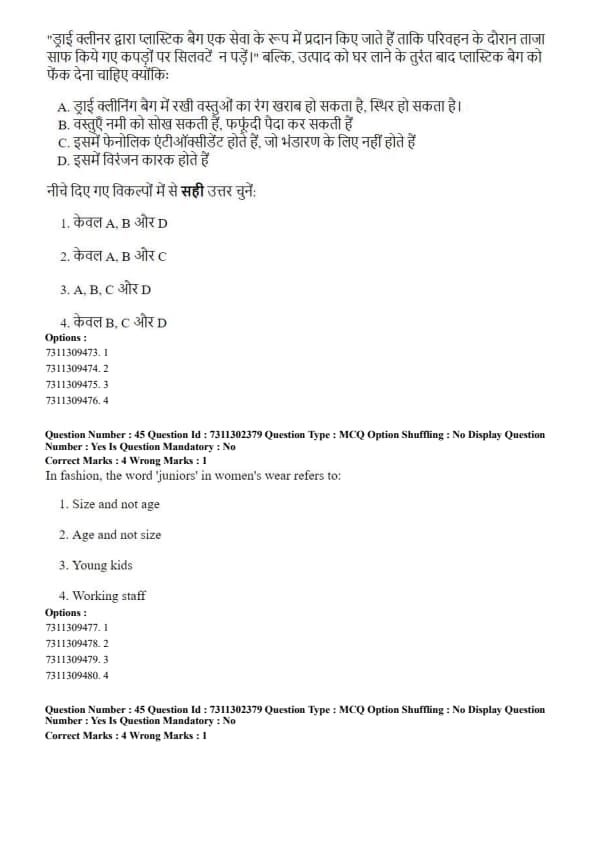
"Plastic bags from dry cleaners are provided as a service to avoid freshly cleaned items getting wrinkled during transportation". Rather, plastic bags should be discarded immediately after the product is brought home because:
A. Items stored in dry cleaning bags may discolor, build up static.
B. Items may trap moisture, creating mildew
C. Contains phenolic antioxidants, not intended for storage
D. Contains bleaching agents
View Solution
Plastic bags from dry cleaners should be discarded because they can trap moisture, leading to mildew (B), may cause static and discoloration (A), and contain chemicals like phenolic antioxidants and bleaching agents (C and D), which are not suitable for long-term storage. Quick Tip: Dry cleaning bags are meant for temporary storage only and should be removed to avoid damage to the fabric.
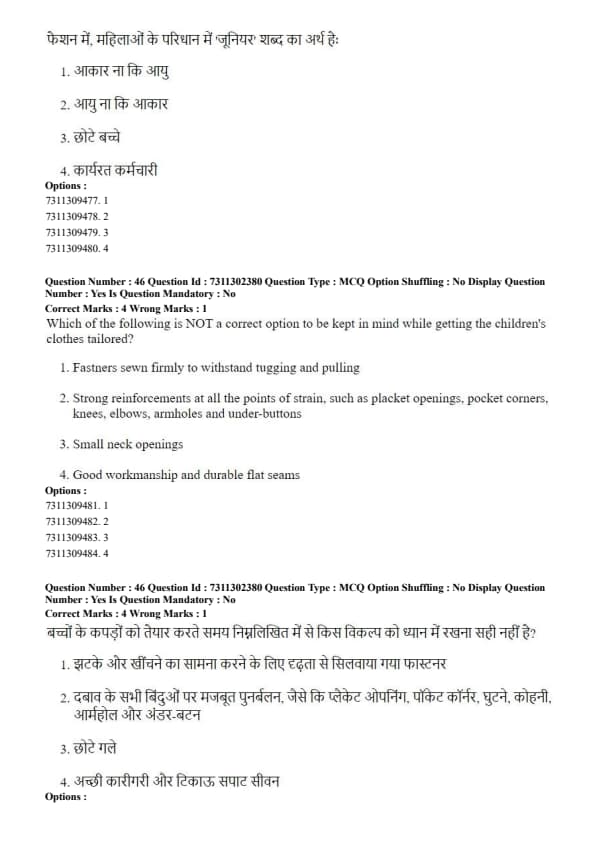
In fashion, the word 'juniors' in women's wear refers to:
View Solution
In fashion, 'juniors' refers to a size range for younger women, typically with smaller proportions, rather than age. It is often used in women's clothing lines. Quick Tip: The term "juniors" in fashion primarily refers to size, with garments designed for a younger body type, not necessarily age.
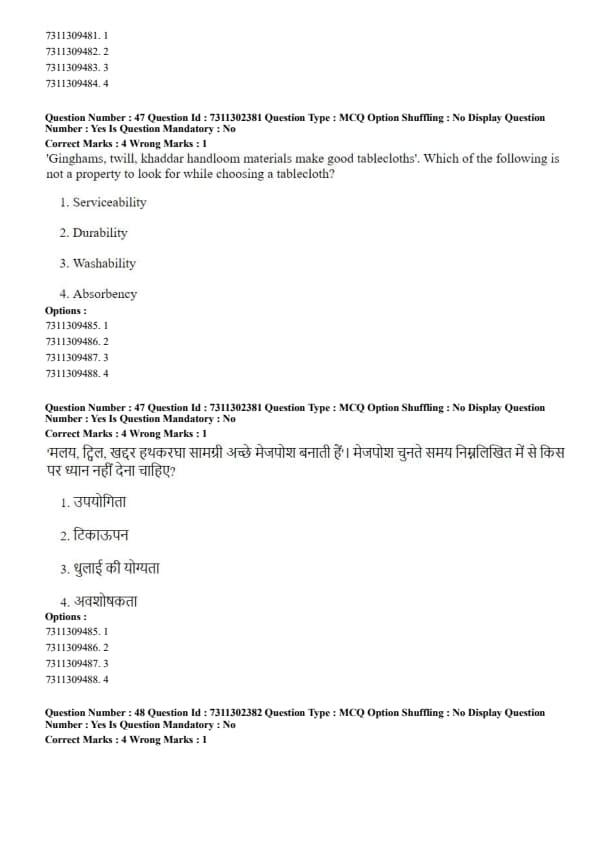
Which of the following is NOT a correct option to be kept in mind while getting the children's clothes tailored?
View Solution
When tailoring children's clothes, it is important to have firm fasteners, reinforced points of strain, and durable seams. However, small neck openings can cause discomfort and restrict movement. Quick Tip: When tailoring children's clothing, ensure comfort and durability, especially in areas prone to wear and tear.
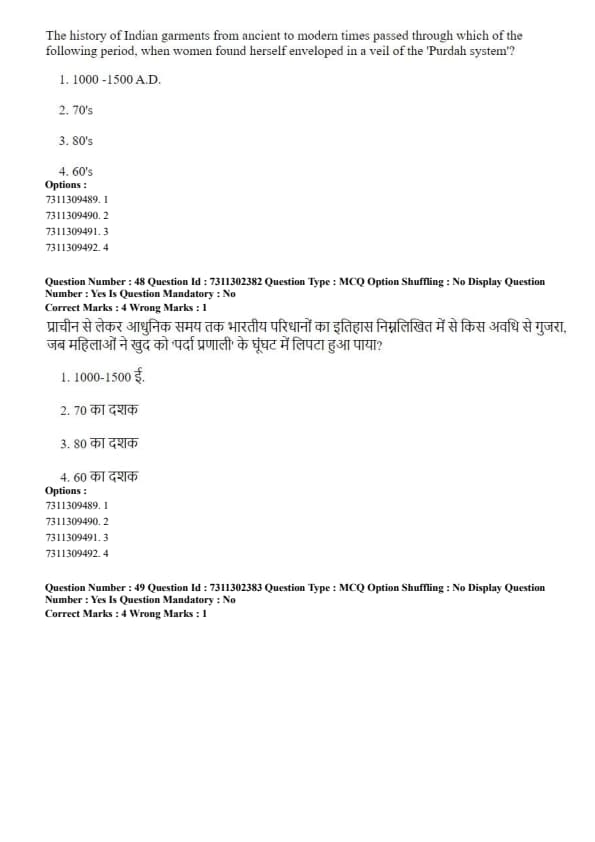
'Ginghams, twill, khaddar handloom materials make good tablecloths'. Which of the following is not a property to look for while choosing a tablecloth?
View Solution
While choosing a tablecloth, important factors to consider include serviceability, durability, and washability. Absorbency is not as crucial for tablecloths, as they primarily serve decorative and protective purposes. Quick Tip: When selecting tablecloths, durability and ease of cleaning are more important than absorbency.
The history of Indian garments from ancient to modern times passed through which of the following period, when women found herself enveloped in a veil of the 'Purdah system'?
View Solution
During the period from 1000-1500 A.D., the Purdah system became prominent in India, particularly among Muslim women, who were required to veil themselves and maintain strict segregation from men in public. Quick Tip: The Purdah system reflects social and cultural norms that have influenced women's attire in various historical periods.
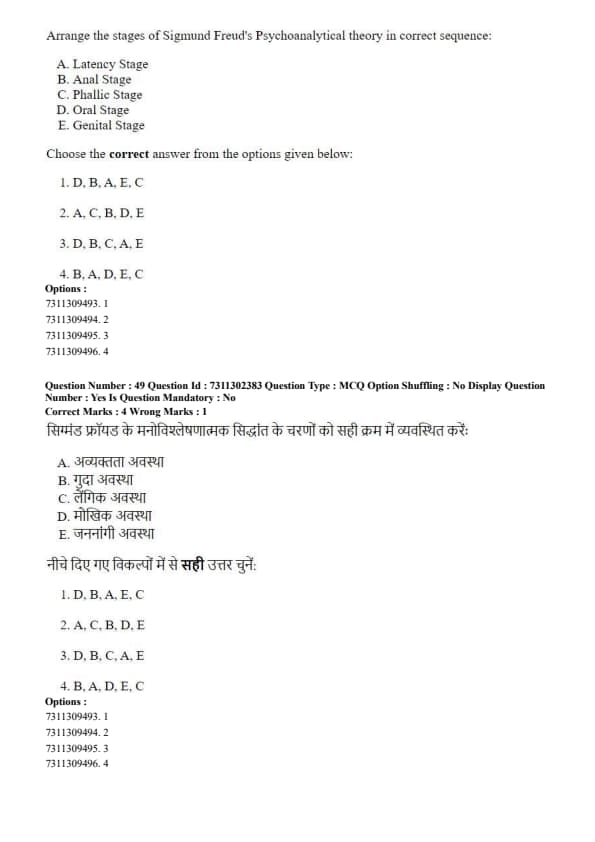
Arrange the stages of Sigmund Freud's Psychoanalytical theory in correct sequence:
A. Latency Stage
B. ***** Stage
C. Phallic Stage
D. Oral Stage
E. Genital Stage
View Solution
The correct sequence of stages in Sigmund Freud's Psychoanalytical theory is:
1. Oral Stage (D)
2. ***** Stage (B)
3. Phallic Stage (C)
4. Latency Stage (A)
5. Genital Stage (E)
Quick Tip: Freud’s theory suggests that human development progresses through a series of psychosexual stages, each marked by different focuses of pleasure.
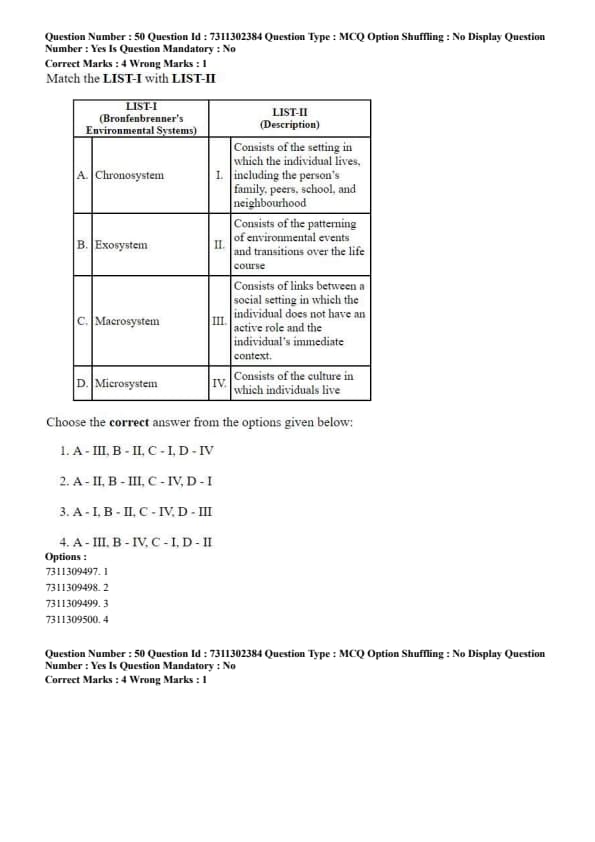
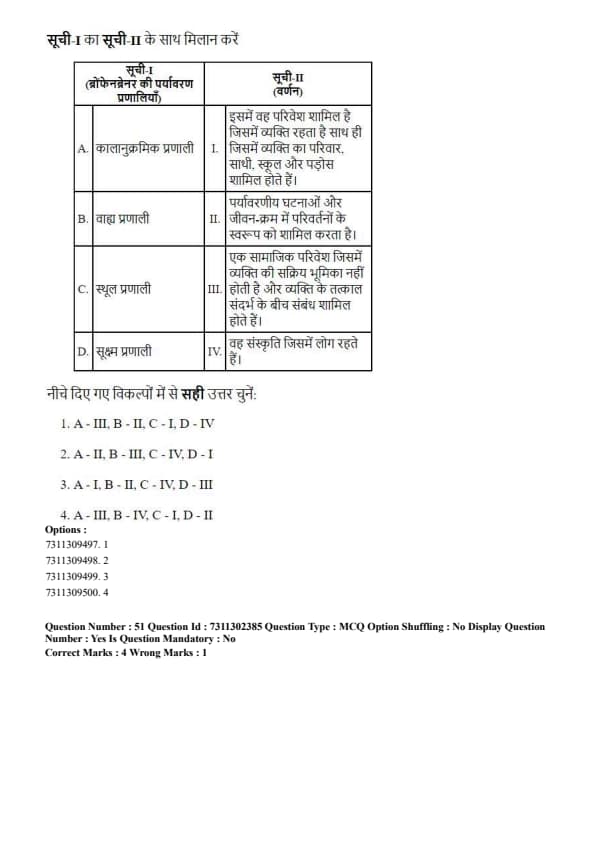
Match the LIST-I with LIST-II
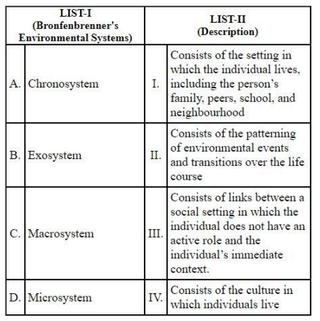
View Solution
- Chronosystem (A) refers to the patterning of environmental events over time (II).
- Exosystem (B) refers to the links between social settings in which the individual does not actively participate (III).
- Macrosystem (C) involves the culture in which individuals live (IV).
- Microsystem (D) consists of the immediate environment where the individual lives, such as family, peers, and school (I).
Quick Tip: Bronfenbrenner's ecological systems theory emphasizes the importance of environmental contexts in shaping human development.
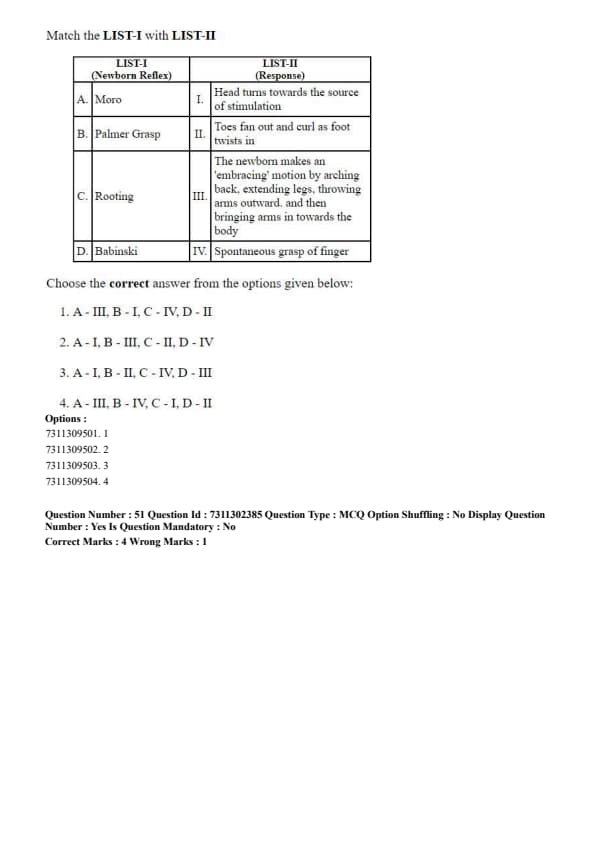
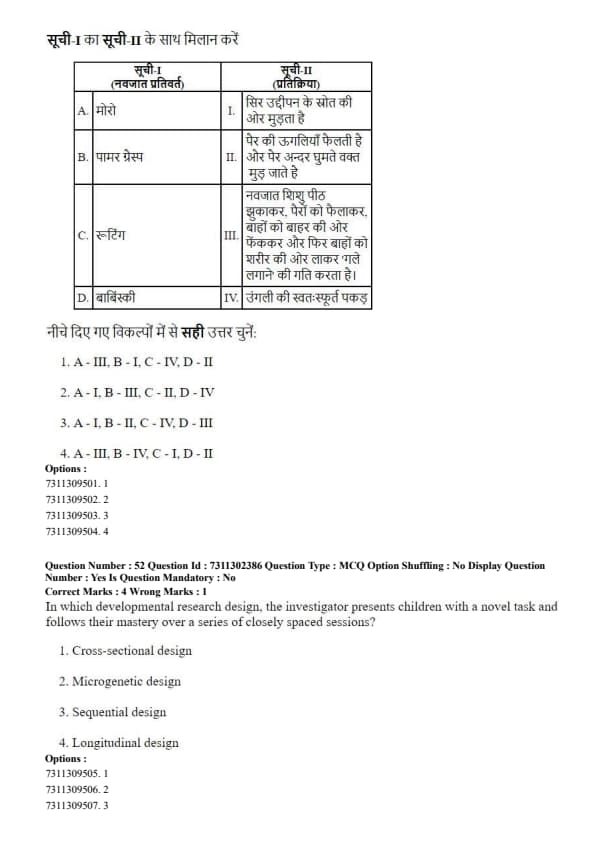
Match the LIST-I with LIST-II
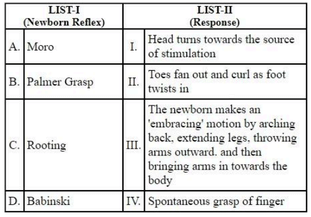
View Solution
- Moro (A) is a reflex where the newborn makes an "embracing" motion (III).
- Palmer Grasp (B) is a reflex where the baby spontaneously grasps a finger (IV).
- Rooting (C) involves the baby turning its head towards the source of stimulation (I).
- Babinski (D) is when the toes fan out and curl as the foot twists in (II).
Quick Tip: Newborn reflexes are essential for survival and can indicate neurological health.
In which developmental research design, the investigator presents children with a novel task and follows their mastery over a series of closely spaced sessions?
View Solution
Microgenetic design focuses on capturing the process of change by presenting children with a novel task and tracking their mastery over multiple, closely spaced sessions. Quick Tip: Microgenetic design is ideal for studying rapid developmental changes and learning processes in children.
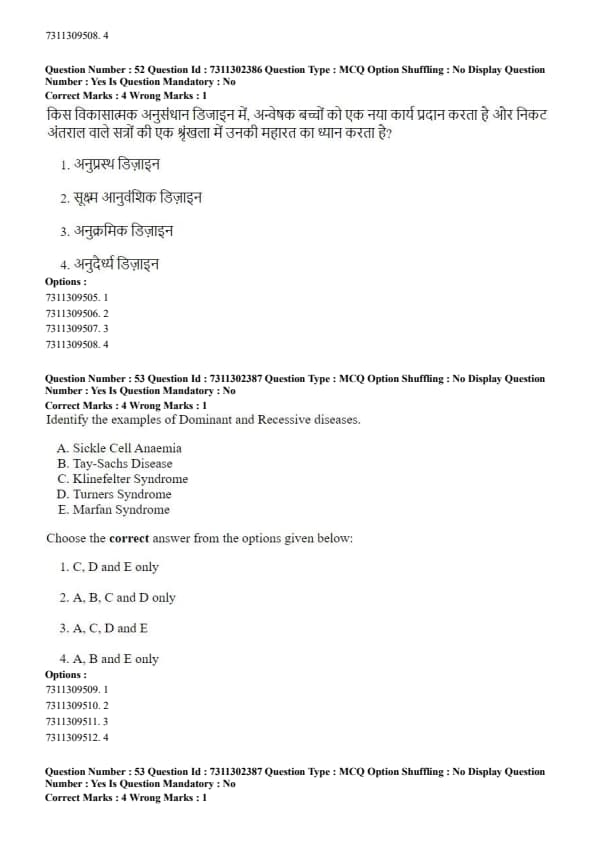
Identify the examples of Dominant and Recessive diseases.
A. Sickle Cell Anaemia
B. Tay-Sachs Disease
C. Klinefelter Syndrome
D. Turner's Syndrome
E. Marfan Syndrome
View Solution
- Sickle Cell Anaemia (A) is a recessive genetic disorder.
- Tay-Sachs Disease (B) is also recessive.
- Marfan Syndrome (E) is an autosomal dominant disorder.
- Klinefelter Syndrome (C) and Turner's Syndrome (D) are chromosomal disorders, not typically classified as dominant or recessive.
Quick Tip: Genetic diseases can be dominant or recessive, depending on whether one or both copies of a gene need to be altered for the disease to manifest.
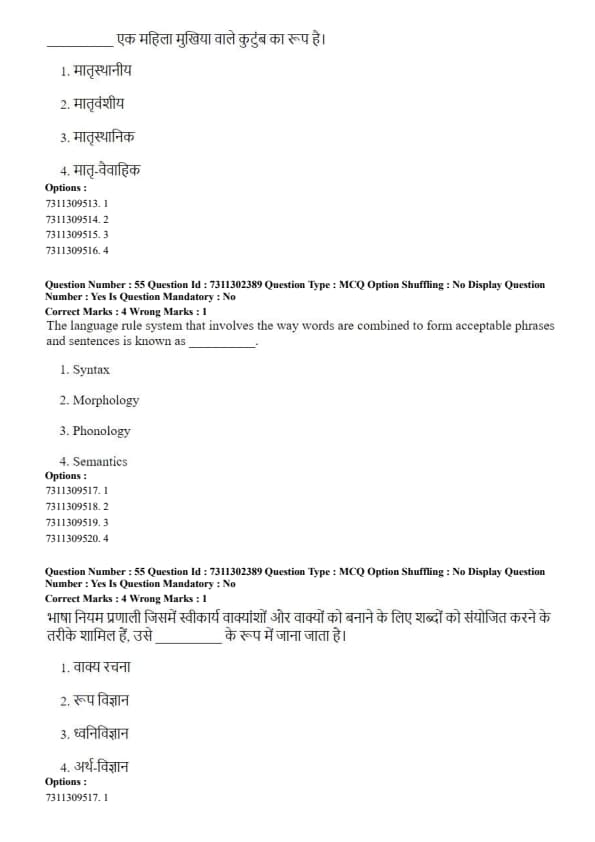
………….is the form of household headed by a woman.
View Solution
A matrilocal household is one where the woman is the head of the household, often observed in cultures where women play a central role in family and community life. Quick Tip: Matrilocal residence systems typically feature women holding key authority in family matters.
The language rule system that involves the way words are combined to form acceptable phrases and sentences is known as
View Solution
Syntax is the rule system of a language that governs how words are combined to form acceptable phrases and sentences. It is a crucial component of grammar. Quick Tip: Syntax dictates sentence structure, determining how words and phrases are organized to convey meaning in a language.
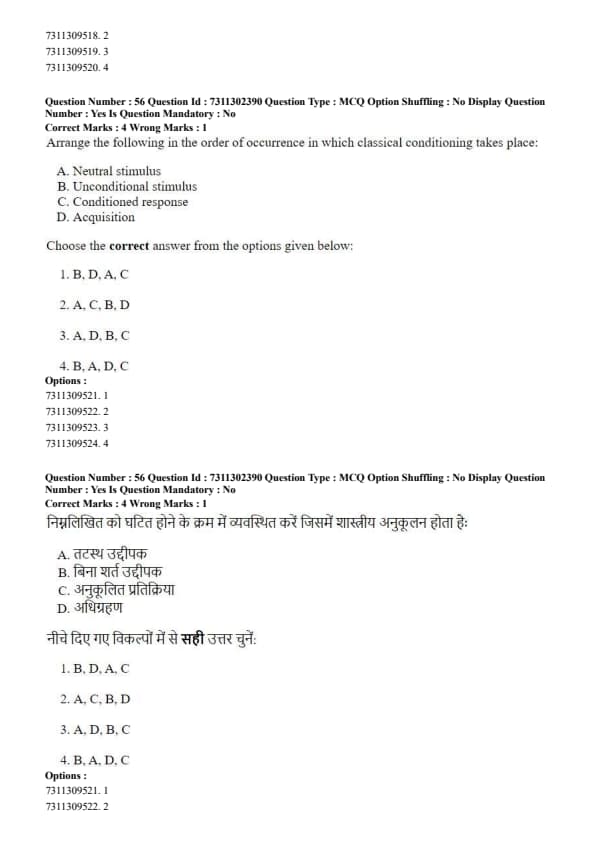
Arrange the following in the order of occurrence in which classical conditioning takes place:
A. Neutral stimulus
B. Unconditional stimulus
C. Conditioned response
D. Acquisition
View Solution
In classical conditioning, the process occurs in the following order:
1. Neutral stimulus (A) is introduced, which initially does not elicit a response.
2. Acquisition (D) occurs as the neutral stimulus is repeatedly paired with the unconditional stimulus (B).
3. Eventually, the neutral stimulus becomes the conditioned stimulus and produces a conditioned response (C).
Quick Tip: Classical conditioning involves the learning process where a neutral stimulus becomes associated with a natural response.
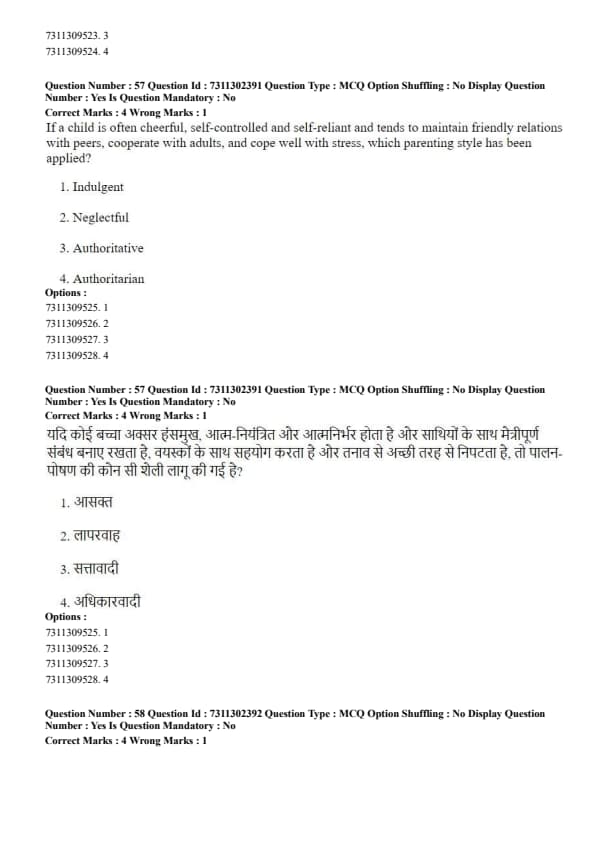
If a child is often cheerful, self-controlled and self-reliant and tends to maintain friendly relations with peers, cooperate with adults, and cope well with stress, which parenting style has been applied?
View Solution
The authoritative parenting style is characterized by a balance of high responsiveness and high expectations. Children raised with this style tend to be well-adjusted, independent, and have strong social and emotional skills. Quick Tip: Authoritative parenting emphasizes nurturing and guidance with clear rules and expectations, fostering independence in children.
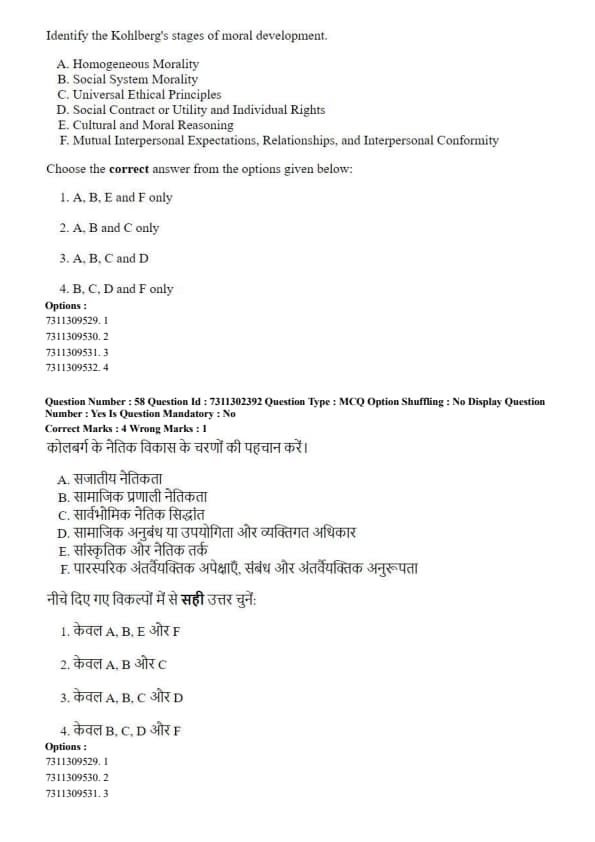
Identify the Kohlberg's stages of moral development.
A. Homogeneous Morality
B. Social System Morality
C. Universal Ethical Principles
D. Social Contract or Utility and Individual Rights
E. Cultural and Moral Reasoning
F. Mutual Interpersonal Expectations, Relationships, and Interpersonal Conformity
View Solution
Kohlberg's moral development stages include:
1. Homogeneous Morality (A) - The earliest stage, where individuals focus on obedience and punishment.
2. Social System Morality (B) - At this stage, individuals understand the importance of law and order.
3. Universal Ethical Principles (C) - Moral decisions are based on universal principles of justice and human rights.
4. Social Contract or Utility and Individual Rights (D) - Individuals understand that moral rules are based on mutual agreements for social cooperation.
Quick Tip: Kohlberg’s theory emphasizes the progressive stages of moral reasoning from basic obedience to universal ethical principles.
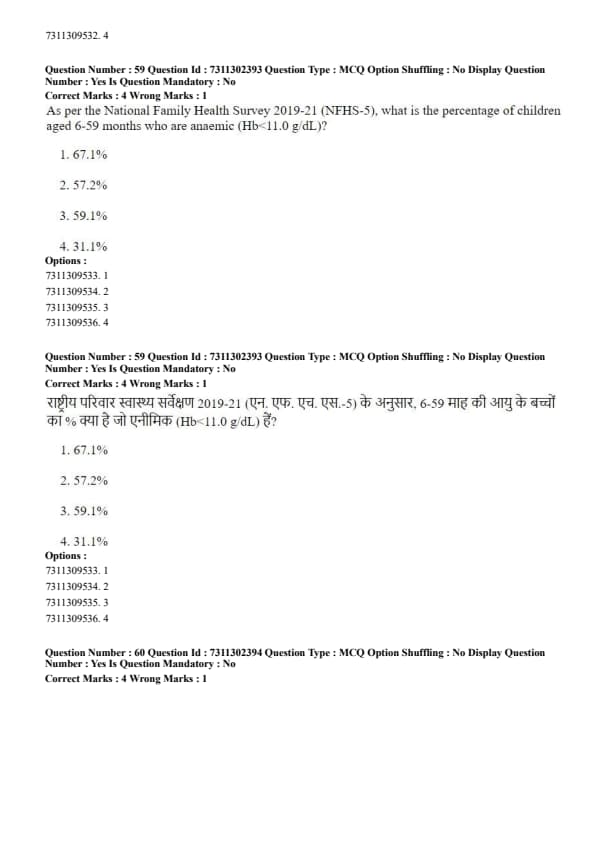
As per the National Family Health Survey 2019-21 (NFHS-5), what is the percentage of children aged 6-59 months who are anaemic (Hb<11.0 g/dL)?
View Solution
According to the National Family Health Survey 2019-21 (NFHS-5), 67.1% of children aged 6-59 months are anaemic, which is a significant public health concern. Quick Tip: Anaemia in young children is primarily caused by iron deficiency and can affect their growth and development.
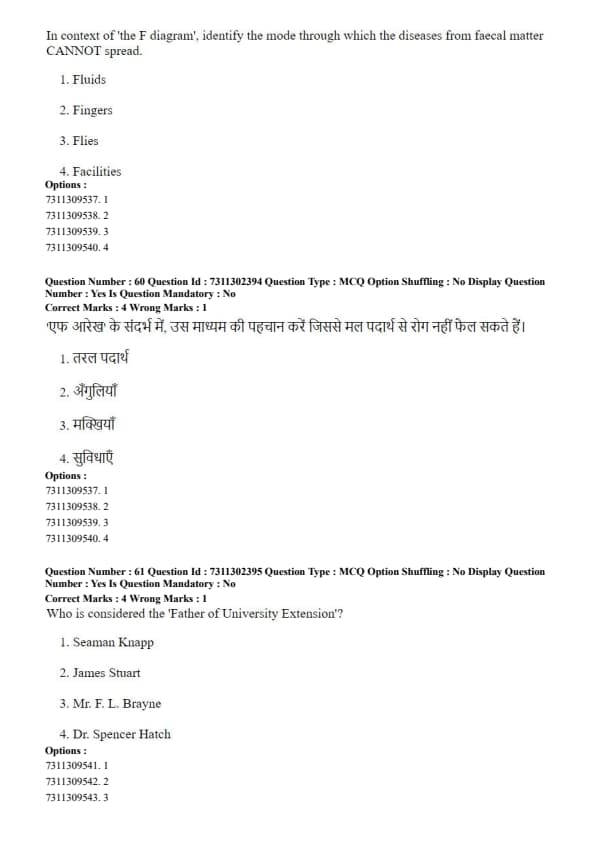
In context of 'the F diagram', identify the mode through which the diseases from faecal matter CANNOT spread.
View Solution
The F diagram shows how diseases from faecal matter can spread through fluids, fingers, and flies, but facilities do not directly carry diseases. Facilities refer to infrastructure like toilets, which can help prevent the spread of diseases. Quick Tip: The F diagram emphasizes the importance of proper sanitation and hygiene to prevent the spread of waterborne diseases.
Who is considered the 'Father of University Extension'?
View Solution
Seaman Knapp is considered the Father of University Extension because of his pioneering work in bringing university education and expertise to rural communities through extension programs. Quick Tip: University extension programs play a crucial role in disseminating knowledge and expertise to the general public, particularly in rural areas.
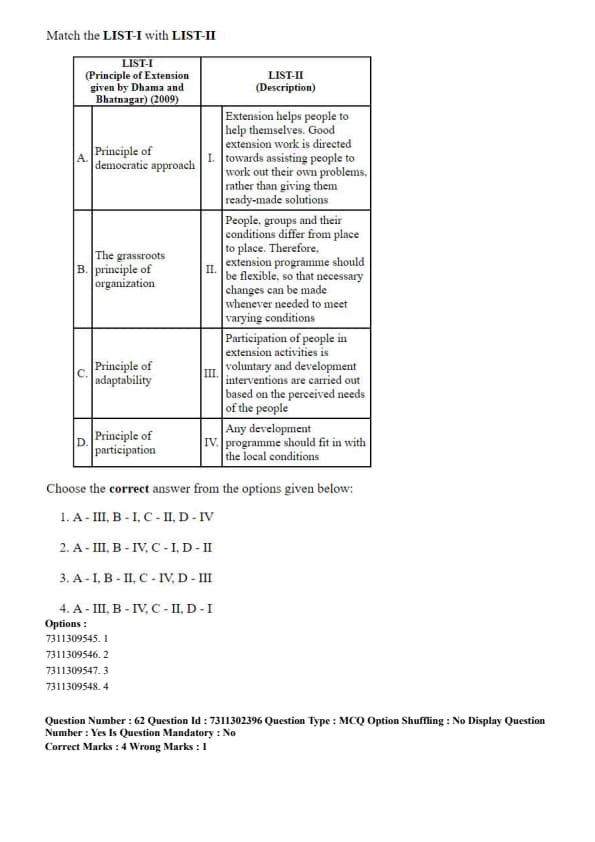
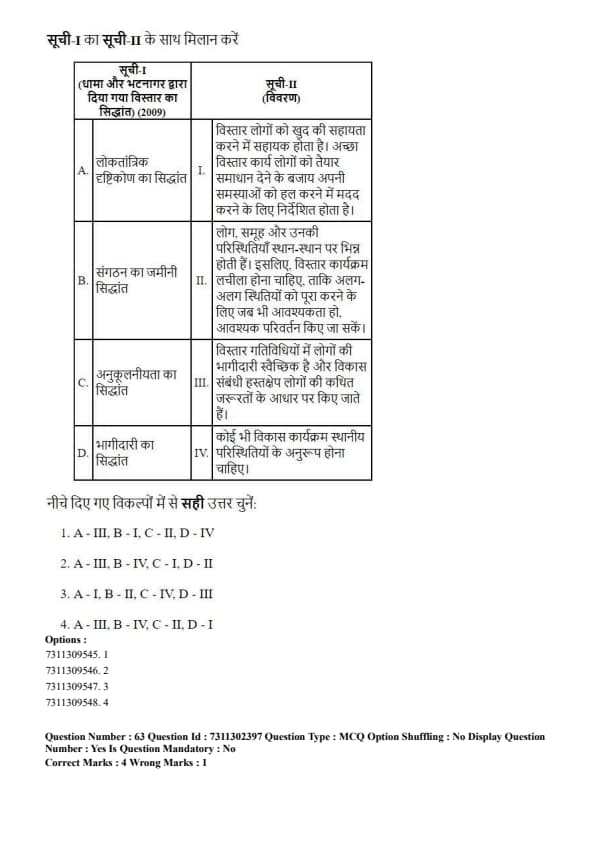
Match the LIST-I with LIST-II
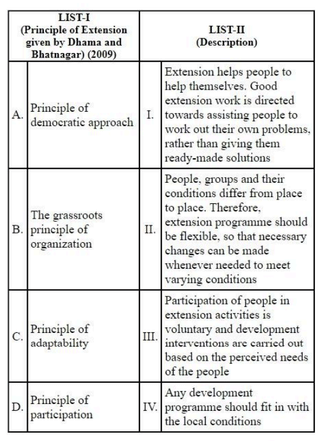
View Solution
- Principle of democratic approach (A) focuses on involving people in helping themselves (III).
- The grassroots principle of organization (B) emphasizes local adaptation (IV).
- Principle of adaptability (C) suggests that programs should be flexible based on local conditions (II).
- Principle of participation (D) emphasizes voluntary involvement of people in extension activities (I).
Quick Tip: Extension programs should be democratic, flexible, participatory, and adaptable to local needs.
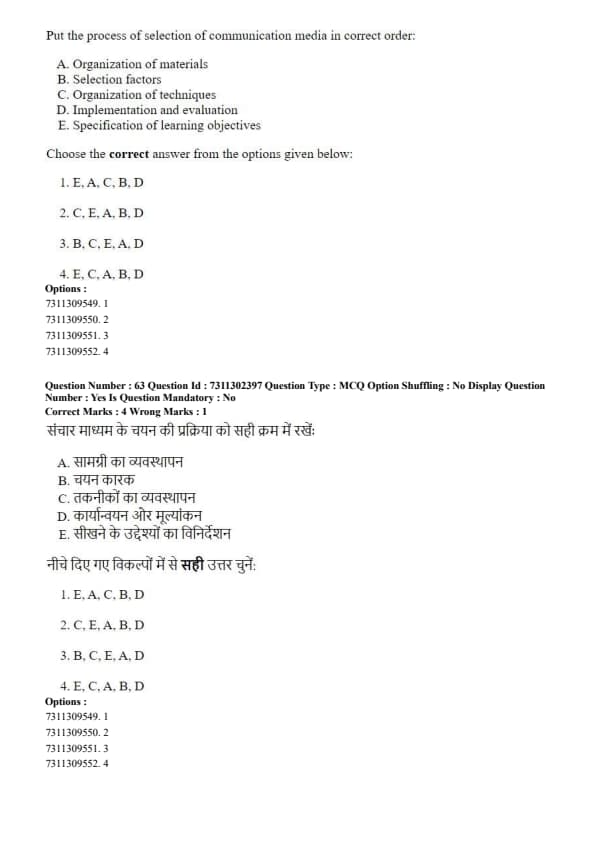
Put the process of selection of communication media in correct order:
A. Organization of materials
B. Selection factors
C. Organization of techniques
D. Implementation and evaluation
E. Specification of learning objectives
View Solution
The correct order of selecting communication media is:
1. Specification of learning objectives (E)
2. Organization of materials (A)
3. Organization of techniques (C)
4. Selection factors (B)
5. Implementation and evaluation (D)
Quick Tip: Effective communication media selection ensures that materials and techniques align with the learning objectives and context.
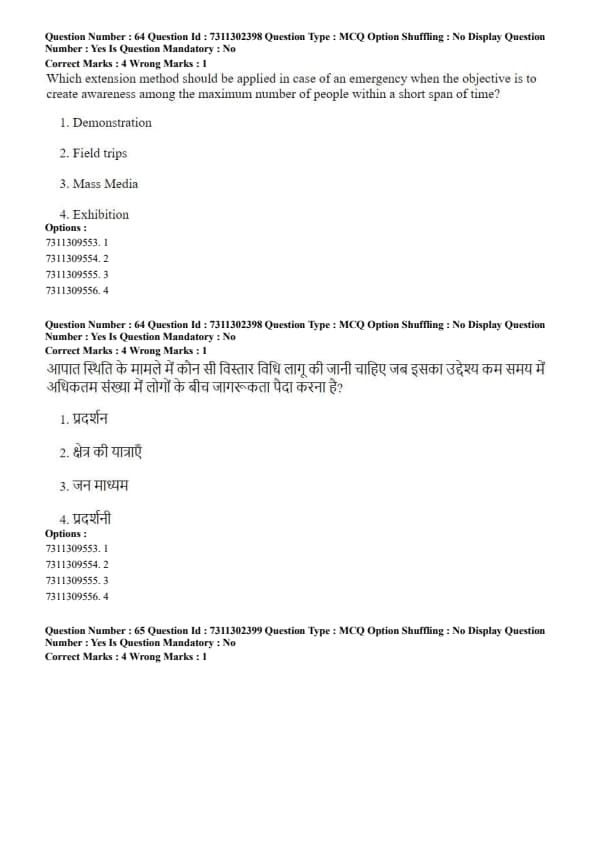
Which extension method should be applied in case of an emergency when the objective is to Create awareness among the maximum number of people within a short span of time?
View Solution
In emergencies, Mass Media (radio, TV, social media, etc.) is the most effective way to quickly disseminate information to a large audience, creating awareness in a short amount of time. Quick Tip: Mass media is especially effective for reaching a large and diverse audience quickly during emergencies or awareness campaigns.
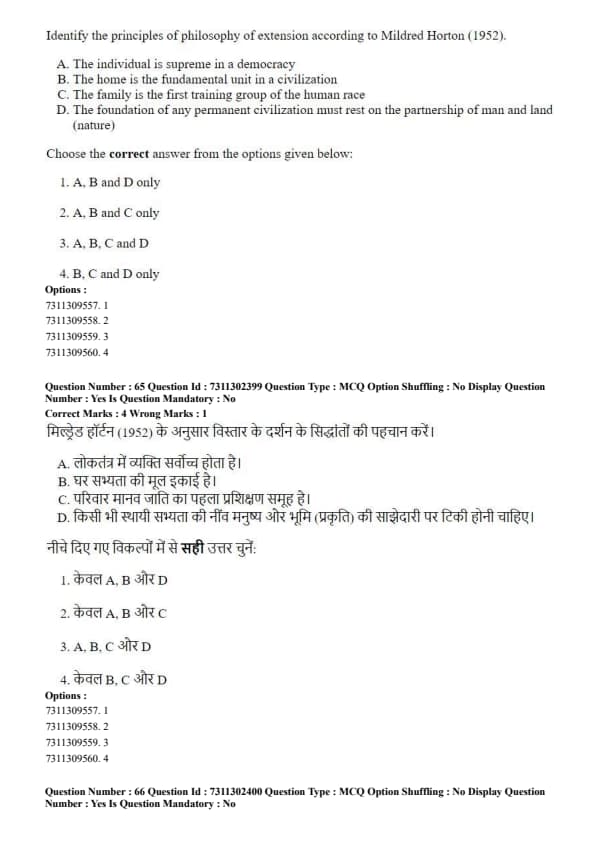
Identify the principles of philosophy of extension according to Mildred Horton (1952).
A. The individual is supreme in a democracy
B. The home is the fundamental unit in a civilization
C. The family is the first training group of the human race
D. The foundation of any permanent civilization must rest on the partnership of man and land (nature)
View Solution
Mildred Horton (1952) emphasized the following principles of extension:
1. The individual is supreme in a democracy (A).
2. The home is the fundamental unit in a civilization (B).
3. The family is the first training group of the human race (C).
4. The foundation of any permanent civilization must rest on the partnership of man and land (D).
Quick Tip: Extension philosophy by Horton underscores the importance of the individual, family, and environment in building sustainable societies.
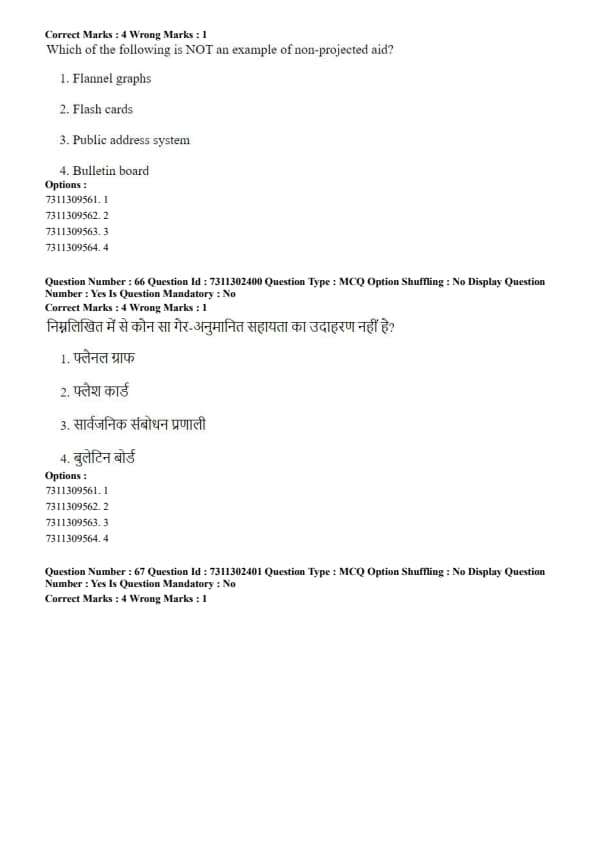
Which of the following is NOT an example of non-projected aid?
View Solution
Non-projected aids include materials like flannel graphs, flash cards, and bulletin boards, which do not require electrical projection. A public address system (3), however, requires electrical amplification and is therefore not a non-projected aid. Quick Tip: Non-projected aids are visual or tactile tools that don't require electricity to function, such as charts and flashcards.
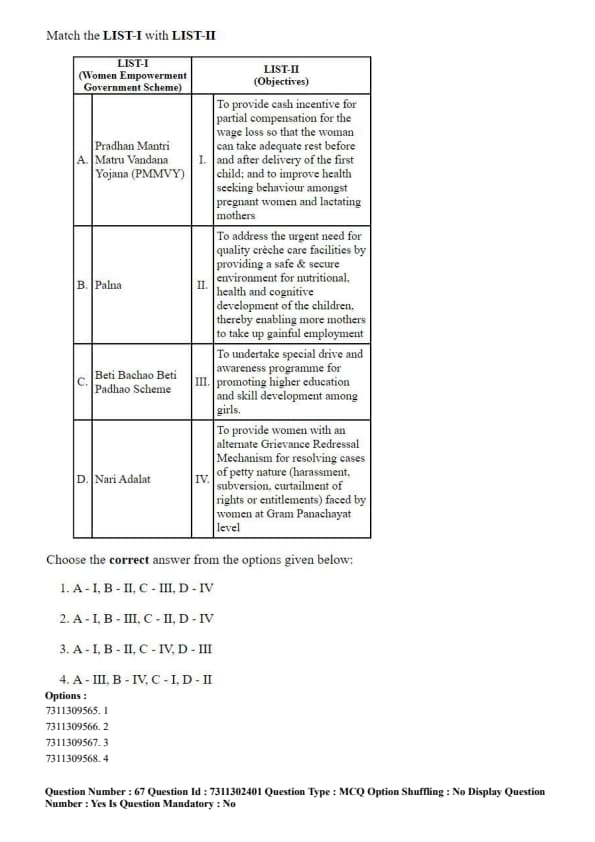
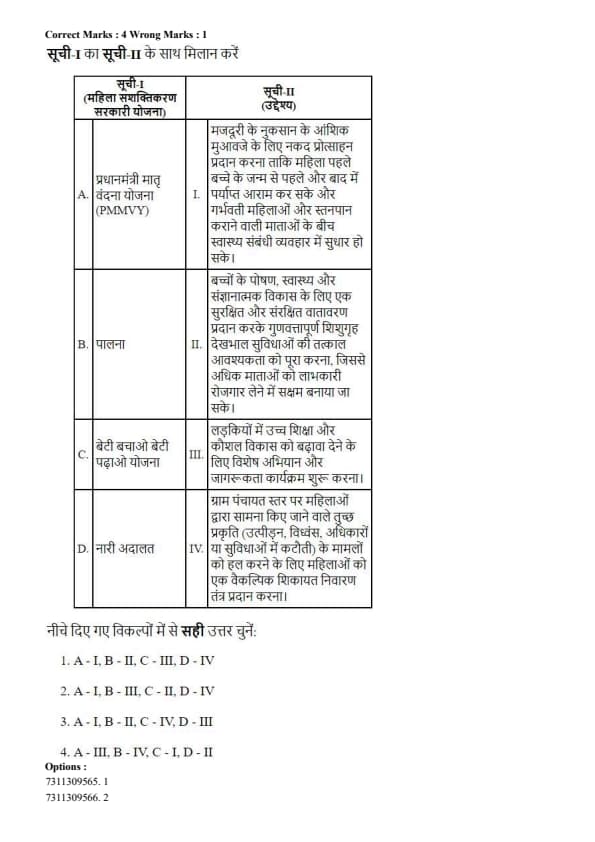
Match the LIST-I with LIST-II
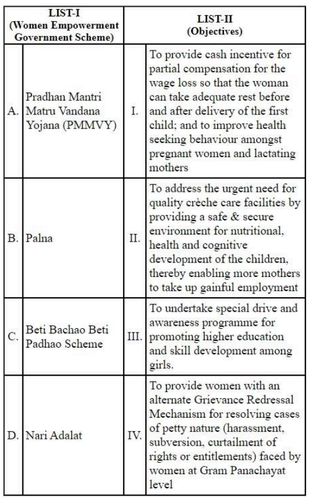
View Solution
- Pradhan Mantri Matru Vandana Yojana (PMMVY) (A) provides a cash incentive for partial compensation of wage loss (I).
- Palna (B) focuses on providing a safe & secure environment for children's development (II).
- Beti Bachao Beti Padhao Scheme (C) aims to promote higher education and skill development for girls (III).
- Nari Adalat (D) provides alternate grievance redressal mechanisms for women (IV).
Quick Tip: These government schemes focus on improving the well-being of women and children through various incentives and support systems.
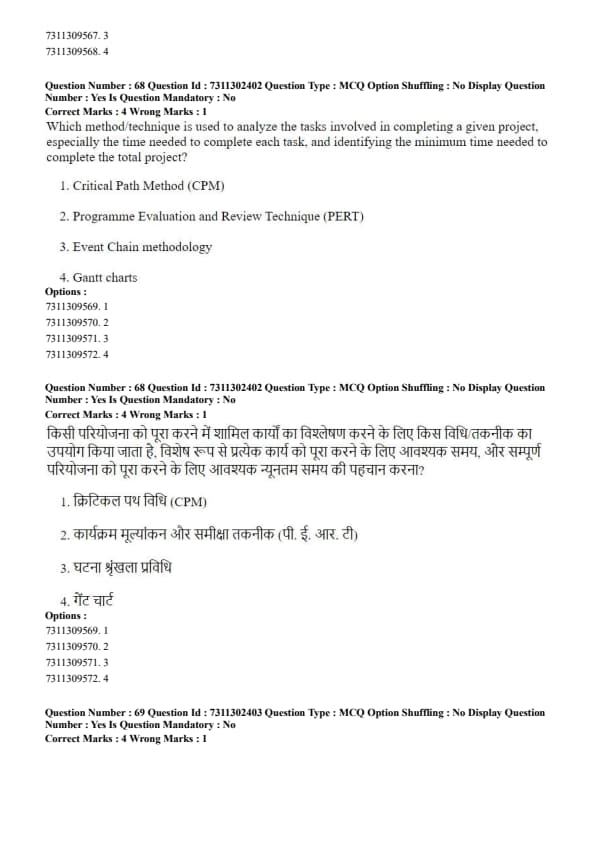
Which method/technique is used to analyze the tasks involved in completing a given project, especially the time needed to complete each task, and identifying the minimum time needed to complete the total project?
View Solution
The Critical Path Method (CPM) is used to identify the critical tasks involved in completing a project, calculate the minimum project duration, and ensure that tasks are completed on time by optimizing task sequencing. Quick Tip: CPM is useful in project management to ensure that the project is completed in the least amount of time while meeting deadlines.
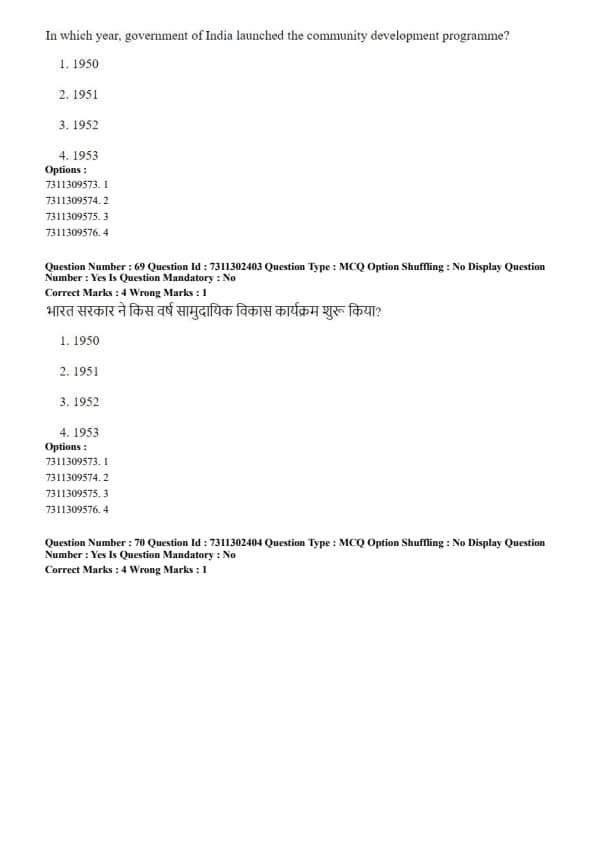
In which year, government of India launched the community development programme?
View Solution
The Community Development Programme (CDP) was launched by the Government of India in 1952 to promote integrated rural development and improve the quality of life in rural areas. Quick Tip: The CDP focused on rural development by providing various community services and promoting self-help initiatives.
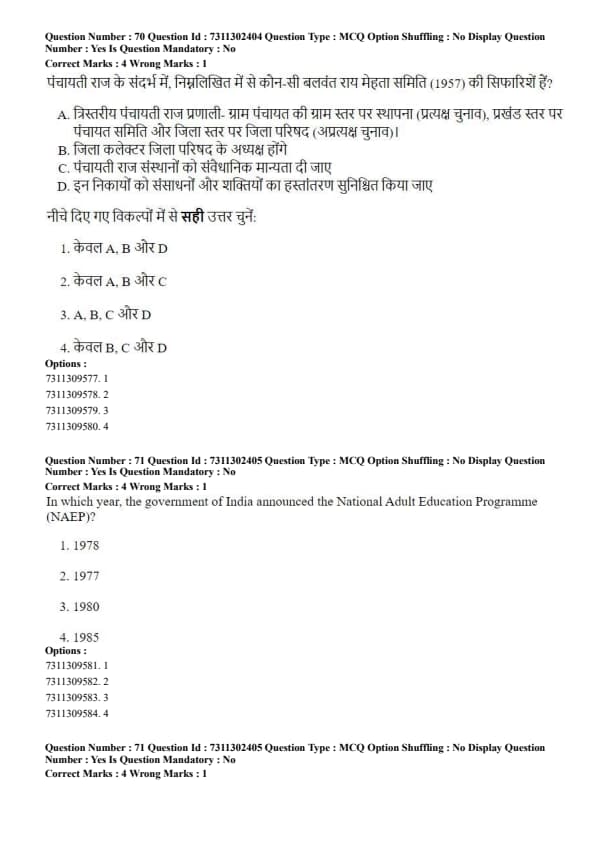
In the context of Panchayati Raj, which of the following are recommendations of Balwant Rai Mehta Committee (1957)?
A. Establishment of a three-tier Panchayati Raj system gram panchayat at village level (direct election), panchayat Samiti at the block level and Zila Parishad at the district level (indirect election)
B. District Collector to be the chairman of Zila Parishad
C. Constitutional recognition to be given to Panchayati Raj institutions
D. Transfer of resources and power to these bodies to be ensured
View Solution
The Balwant Rai Mehta Committee (1957) recommended:
1. The establishment of a three-tier Panchayati Raj system at the village, block, and district levels (A).
2. The District Collector should be the chairman of the Zila Parishad (B).
3. Constitutional recognition to Panchayati Raj institutions (C).
4. Ensuring the transfer of resources and power to these bodies (D).
Quick Tip: The Balwant Rai Mehta Committee helped lay the foundation for decentralized governance in India through Panchayati Raj institutions.
In which year, the government of India announced the National Adult Education Programme (NAEP)?
View Solution
The National Adult Education Programme (NAEP) was announced by the Government of India in 1978 to address the need for adult literacy in the country. Quick Tip: Adult education programs are crucial for empowering adults with basic literacy and skills that can improve their quality of life.
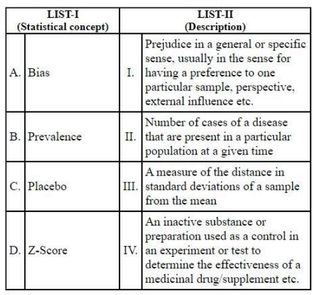
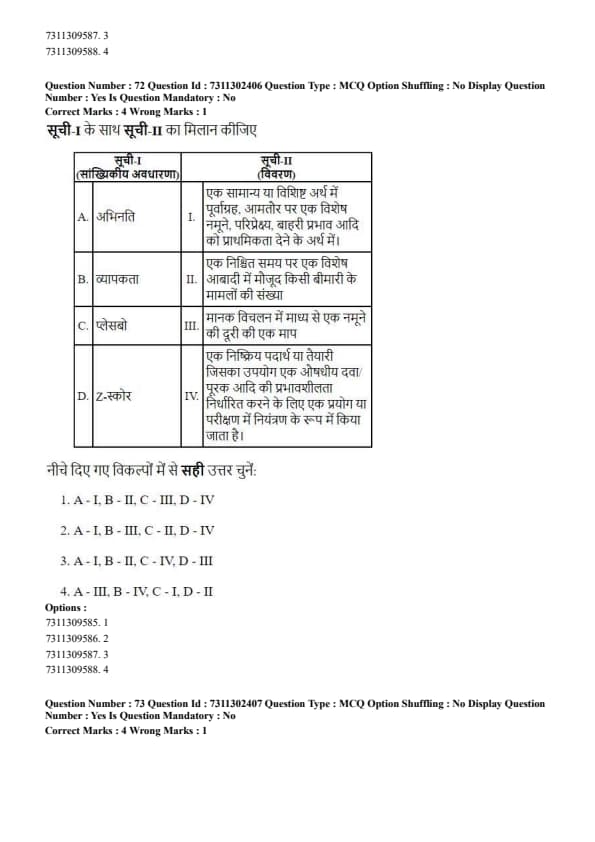
Match the LIST-I with LIST-II
View Solution
- Bias (A) refers to prejudice or a preference for a particular sample or perspective (I).
- Prevalence (B) refers to the number of cases of a disease present in a population at a specific time (II).
- Placebo (C) is an inactive substance used in experiments to test the effectiveness of a drug (IV).
- Z-Score (D) measures how far a sample is from the mean in standard deviations (III).
Quick Tip: Statistical concepts like bias, prevalence, placebo, and Z-score are crucial in research for understanding the accuracy and reliability of findings.
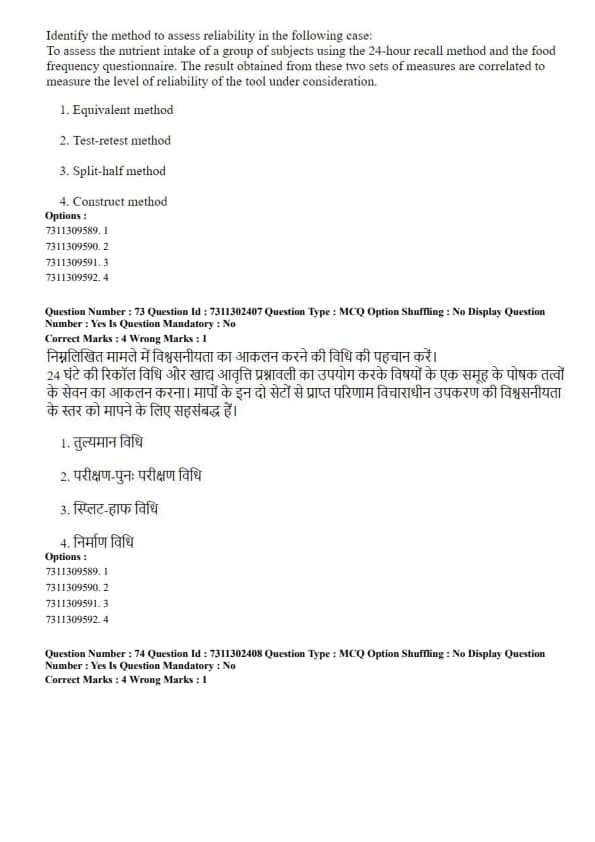
Identify the method to assess reliability in the following case:
To assess the nutrient intake of a group of subjects using the 24-hour recall method and the food frequency questionnaire. The result obtained from these two sets of measures are correlated to measure the level of reliability of the tool under consideration.
View Solution
In the equivalent method, reliability is assessed by comparing the results of two different tools or methods, such as the 24-hour recall method and the food frequency questionnaire in this case. If they produce similar results, the reliability of the tool is confirmed. Quick Tip: The equivalent method of reliability testing compares two different measurement tools to assess consistency in results.
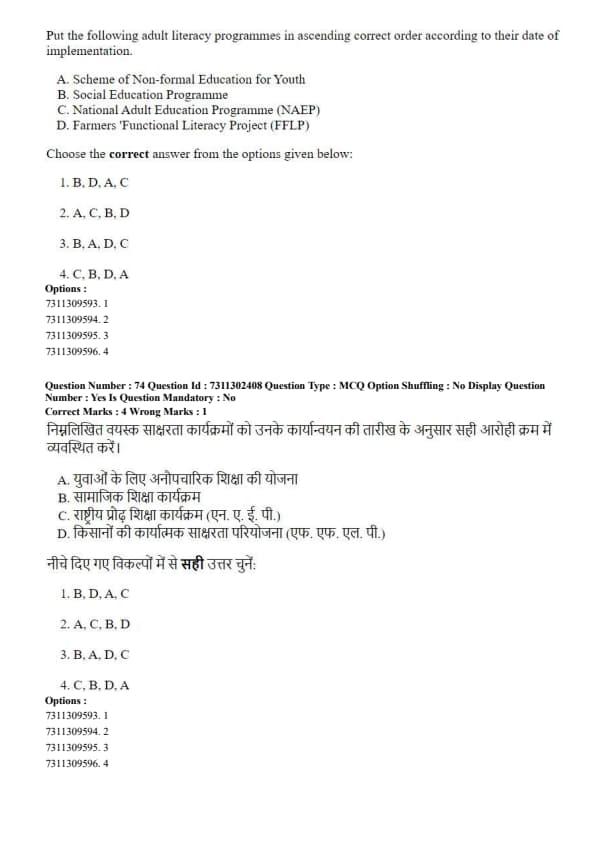
Put the following adult literacy programmes in ascending correct order according to their date of implementation.
A. Scheme of Non-formal Education for Youth
B. Social Education Programme
C. National Adult Education Programme (NAEP)
D. Farmers' Functional Literacy Project (FFLP)
View Solution
The adult literacy programs were launched in the following order:
1. Social Education Programme (B)
2. Scheme of Non-formal Education for Youth (A)
3. Farmers' Functional Literacy Project (FFLP) (D)
4. National Adult Education Programme (NAEP) (C)
Quick Tip: Adult literacy programs were gradually implemented to provide education and training for various groups in society.
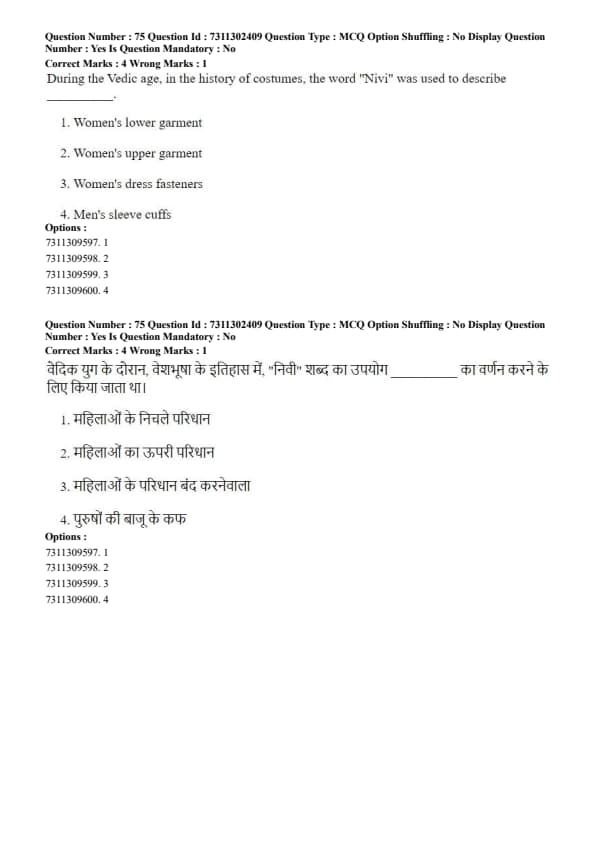
During the Vedic age, in the history of costumes, the word "Nivi" was used to describe
View Solution
In the Vedic age, "Nivi" referred to the lower garment worn by women, as part of their traditional attire. Quick Tip: The Vedic period had distinct clothing styles that were functional and symbolic, reflecting societal norms and customs.


















Comments