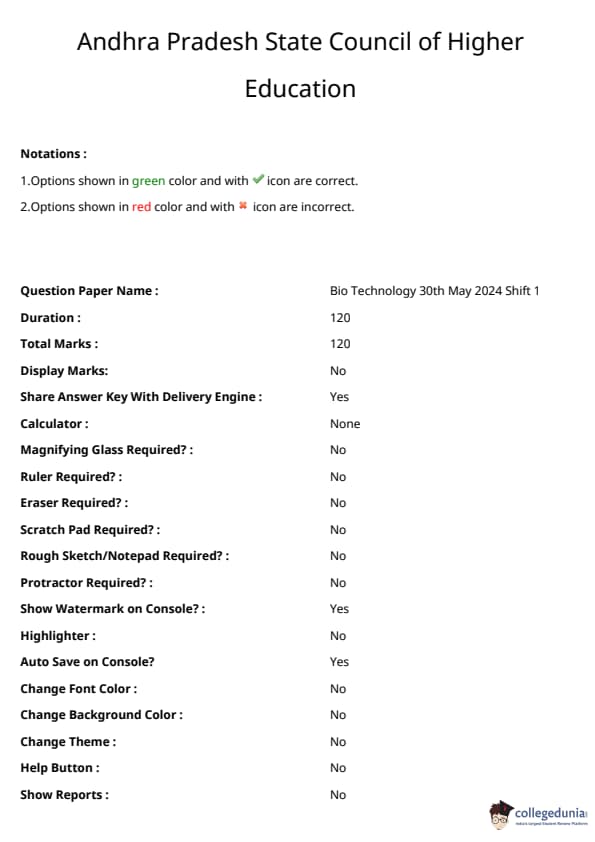
AP PGECET 2024 Biotechnology Question Paper is available for download here. Sri Venkateswara University, Tirupati on behalf of APSCHE conducted AP PGECET 2024 Biotechnology on May 30 in Shift 1 from 9 AM to 11 AM. AP PGECET Question Paper 2024 consists of 120 MCQ-based questions in total carrying 1 mark each to be attempted in the duration of 2 hours.
AP PGECET 2024 Biotechnology Question Paper with Answer Key PDF
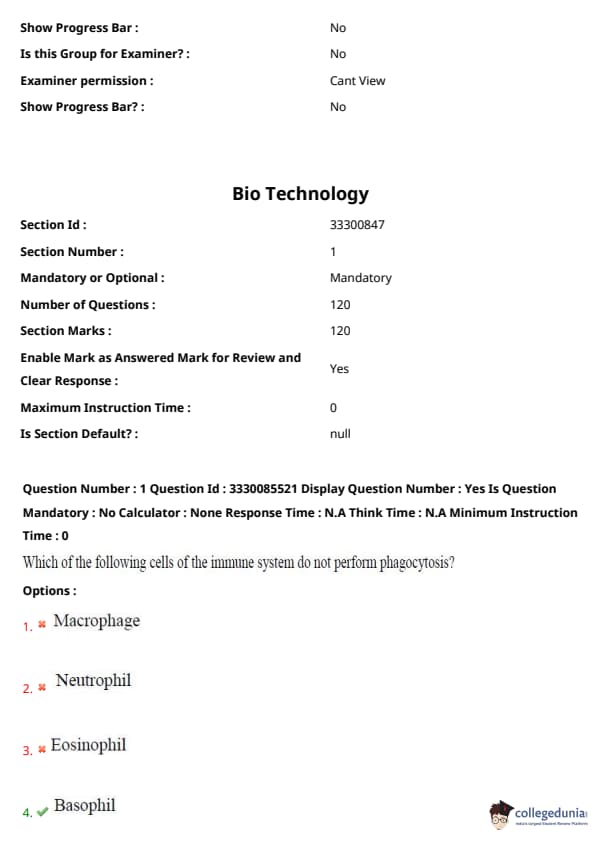
Question 1:
Which of the following cells of the immune system do not perform phagocytosis?
- (1) Macrophage
- (2) Neutrophil
- (3) Eosinophil
- (4) Basophil
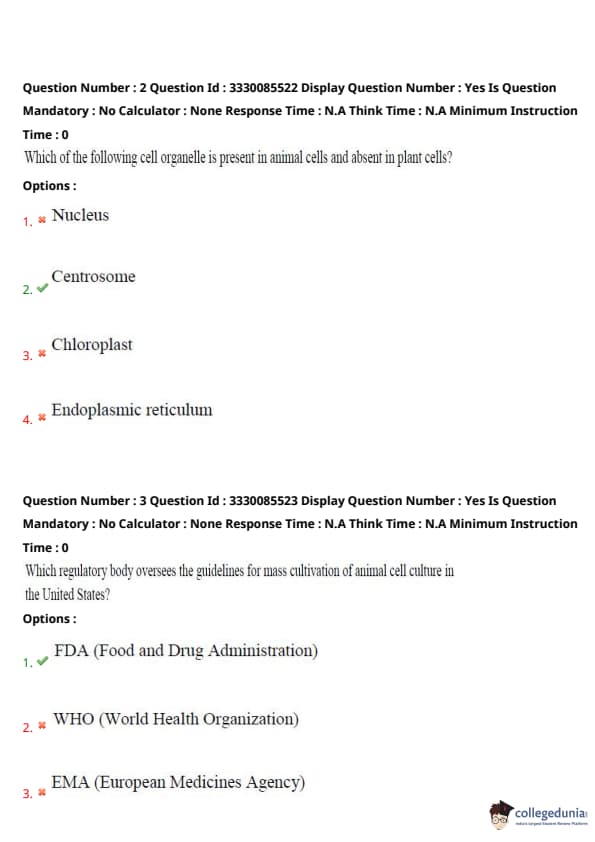
Question 2:
Which of the following cell organelles is present in animal cells and absent in plant cells?
- (1) Nucleus
- (2) Centrosome
- (3) Chloroplast
- (4) Endoplasmic reticulum
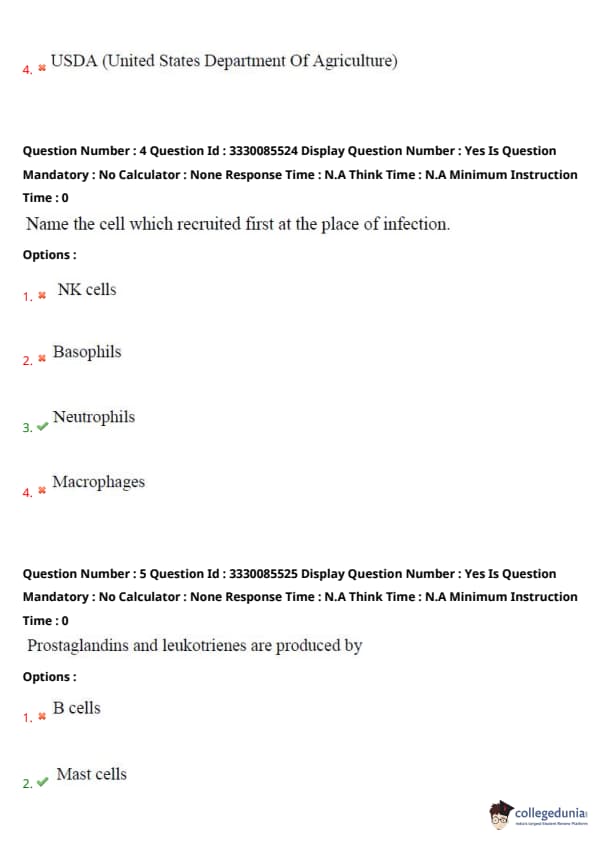
Question 3:
Which regulatory body oversees the guidelines for mass cultivation of animal cell culture in the United States?
- (1) FDA (Food and Drug Administration)
- (2) WHO (World Health Organization)
- (3) EMA (European Medicines Agency)
- (4) USDA (United States Department of Agriculture)
Question 4:
Name the cell which is recruited first at the place of infection.
- (1) NK cells
- (2) Basophils
- (3) Neutrophils
- (4) Macrophages
Question 5:
Prostaglandins and leukotrienes are produced by:
- (1) B cells
- (2) Mast cells
- (3) Macrophages
- (4) NK cells
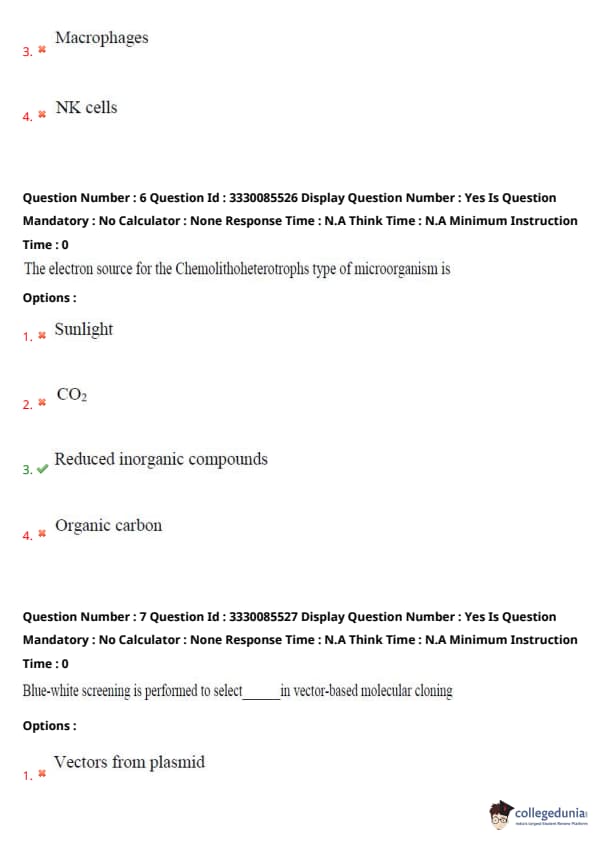
Question 6:
The electron source for the Chemolithoheterotrophs type of microorganism is:
- (1) Sunlight
- (2) CO₂
- (3) Reduced inorganic compounds
- (4) Organic carbon
Question 7:
Blue-white screening is performed to select .......... in vector-based molecular cloning.
- (1) Vectors from plasmid
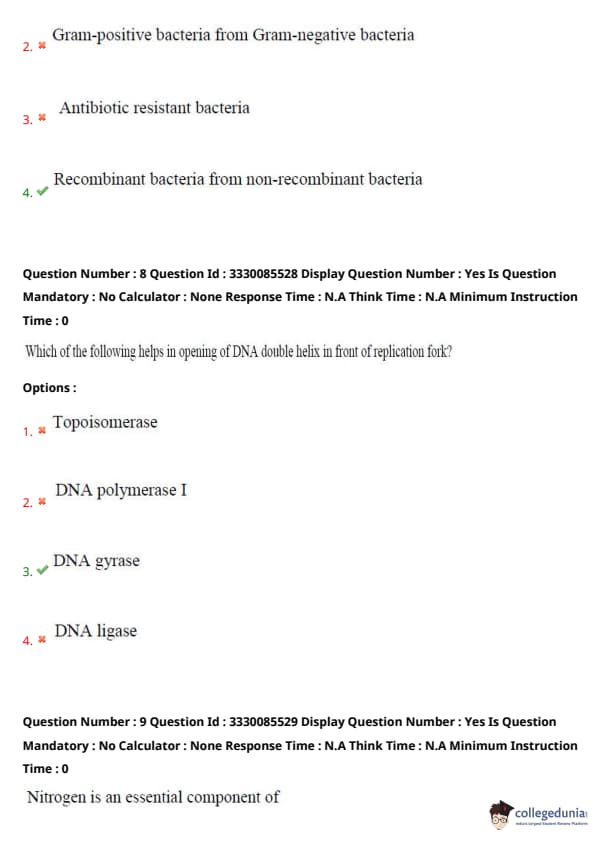
- (2) Gram-positive bacteria from Gram-negative bacteria
- (3) Antibiotic-resistant bacteria
- (4) Recombinant bacteria from non-recombinant bacteria
Question 8:
Which of the following helps in opening of DNA double helix in front of replication fork?
- (1) Topoisomerase
- (2) DNA polymerase I
- (3) DNA gyrase
- (4) DNA ligase
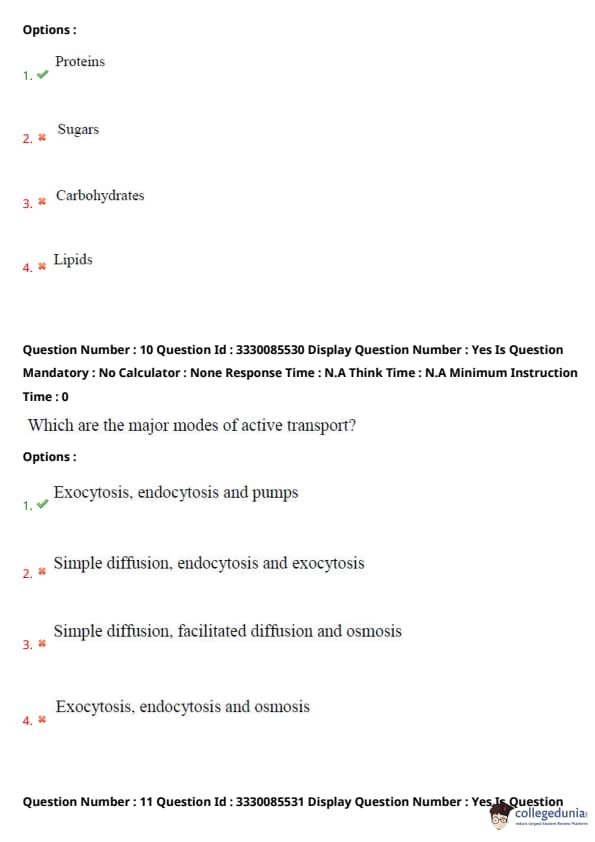
Question 9:
Nitrogen is an essential component of:
- (1) Proteins
- (2) Sugars
- (3) Carbohydrates
- (4) Lipids
Question 10:
Which are the major modes of active transport?
- (1) Exocytosis, endocytosis, and pumps
- (2) Simple diffusion, endocytosis, and exocytosis
- (3) Simple diffusion, facilitated diffusion, and osmosis
- (4) Exocytosis, endocytosis, and osmosis
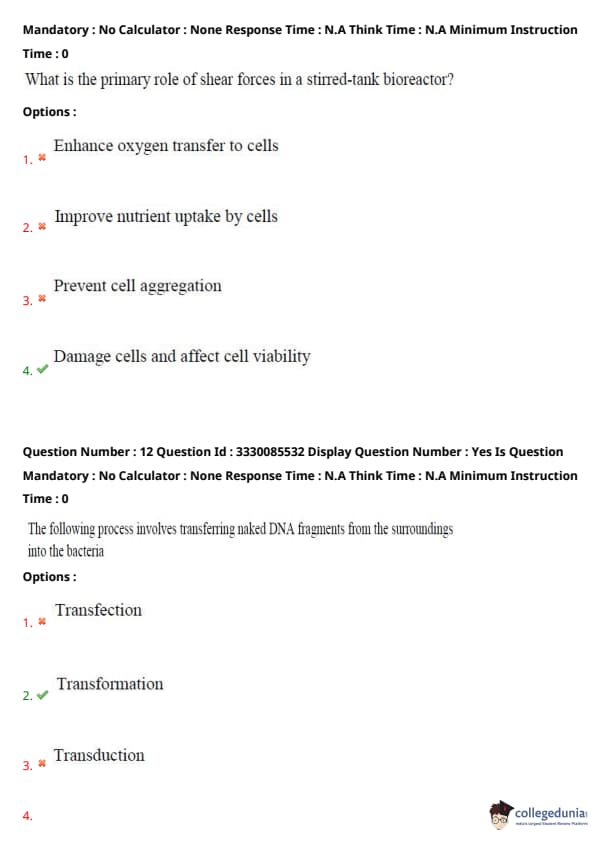
Question 11:
What is the primary role of shear forces in a stirred-tank bioreactor?
- (1) Enhance oxygen transfer to cells
- (2) Improve nutrient uptake by cells
- (3) Prevent cell aggregation
- (4) Damage cells and affect cell viability
Question 12:
The following process involves transferring naked DNA fragments from the surroundings into the bacteria:
- (1) Transfection
- (2) Transformation
- (3) Transduction
- (4) Conjugation
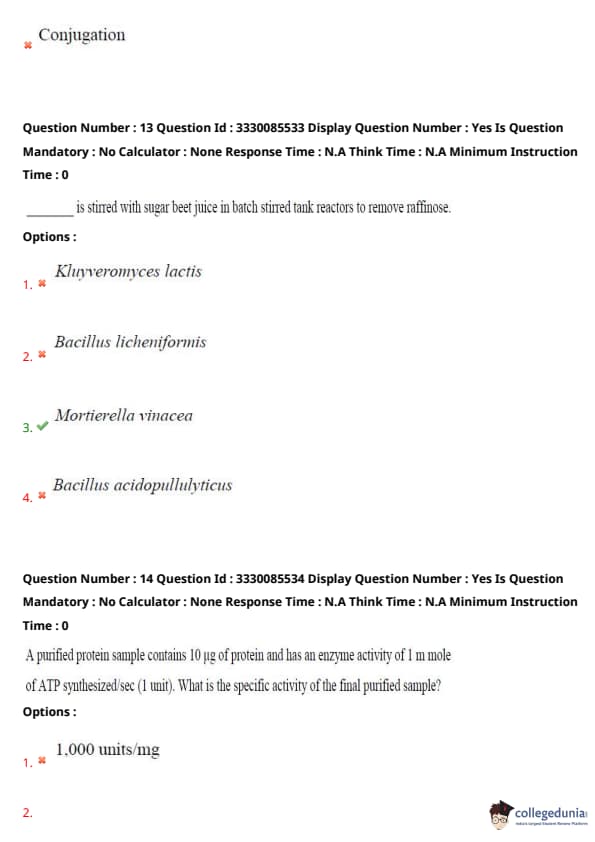
Question 13:
............ is stirred with sugar beet juice in batch stirred tank reactors to remove raffinose.
- (1) Kluyveromyces lactis
- (2) Bacillus licheniformis
- (3) Mortierella vinacea
- (4) Bacillus acidopullulyticus
Question 14:
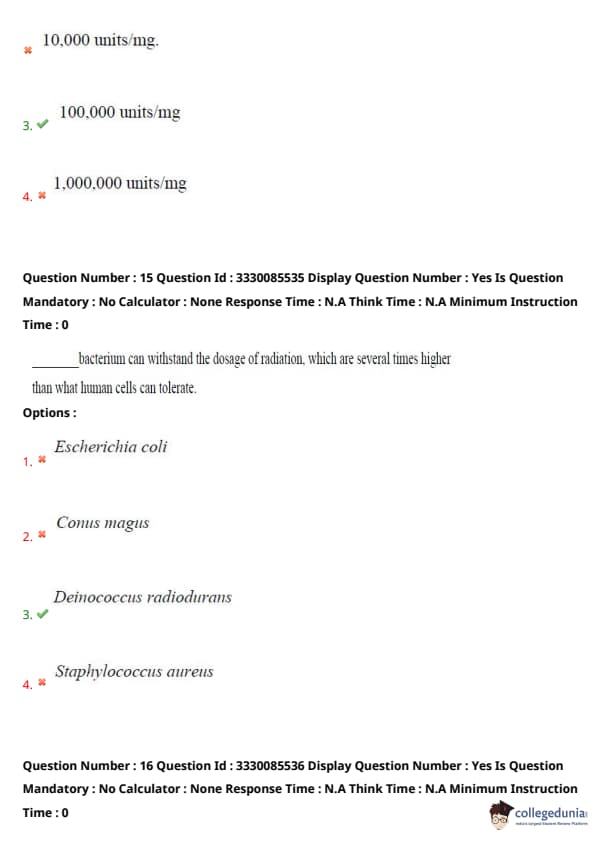
A purified protein sample contains 10 µg of protein and has an enzyme activity of 1 mole of ATP synthesized/sec (1 unit). What is the specific activity of the final purified sample?
- (1) 1,000 units/mg
- (2) 10,000 units/mg
- (3) 100,000 units/mg
- (4) 1,000,000 units/mg
Question 15:
.............. bacterium can withstand the dosage of radiation, which are several times higher than what human cells can tolerate.
- (1) Escherichia coli
- (2) Conus magus
- (3) Deinococcus radiodurans
- (4) Staphylococcus aureus
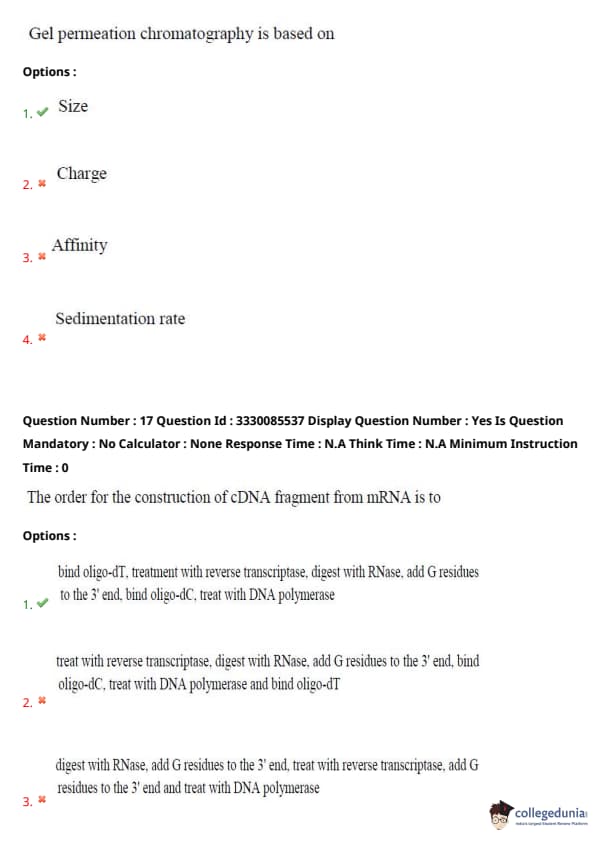
Question 16:
Gel permeation chromatography is based on:
- (1) Size
- (2) Charge
- (3) Affinity
- (4) Sedimentation rate
Question 17:
The order for the construction of cDNA fragment from mRNA is to:
- (1) bind oligo-dT, treatment with reverse transcriptase, digest with RNase, add G residues to the 3' end, bind oligo-dC, treat with DNA polymerase
- (2) treat with reverse transcriptase, digest with RNase, add G residues to the 3' end, bind oligo-dC, treat with DNA polymerase and bind oligo-dT
- (3) digest with RNase, add G residues to the 3' end, treat with reverse transcriptase, add G residues to the 3' end and treat with DNA polymerase
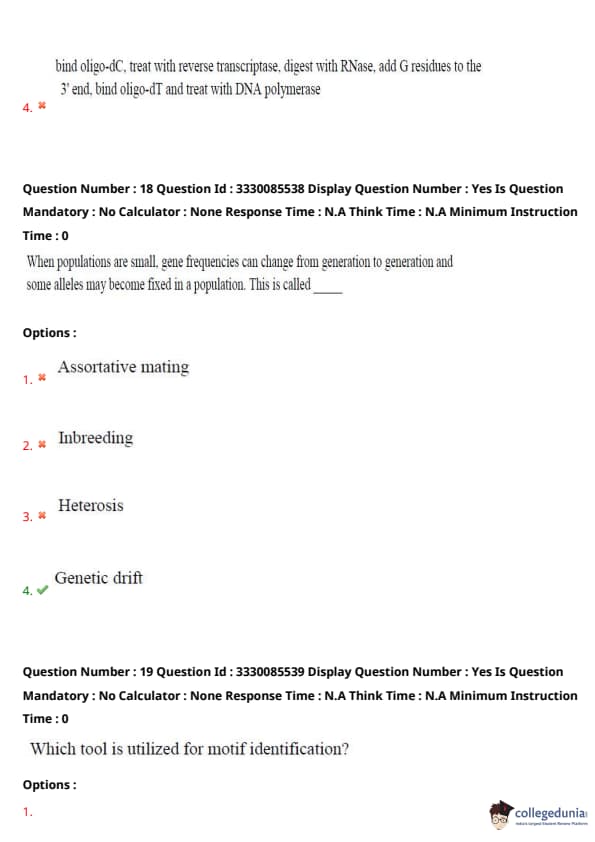
- (4) bind oligo-dC, treat with reverse transcriptase, digest with RNase, add G residues to the 3' end, bind oligo-dT and treat with DNA polymerase
Question 18:
When populations are small, gene frequencies can change from generation to generation and some alleles may become fixed in a population. This is called ............
- (1) Assortative mating
- (2) Inbreeding
- (3) Heterosis
- (4) Genetic drift
Question 19:
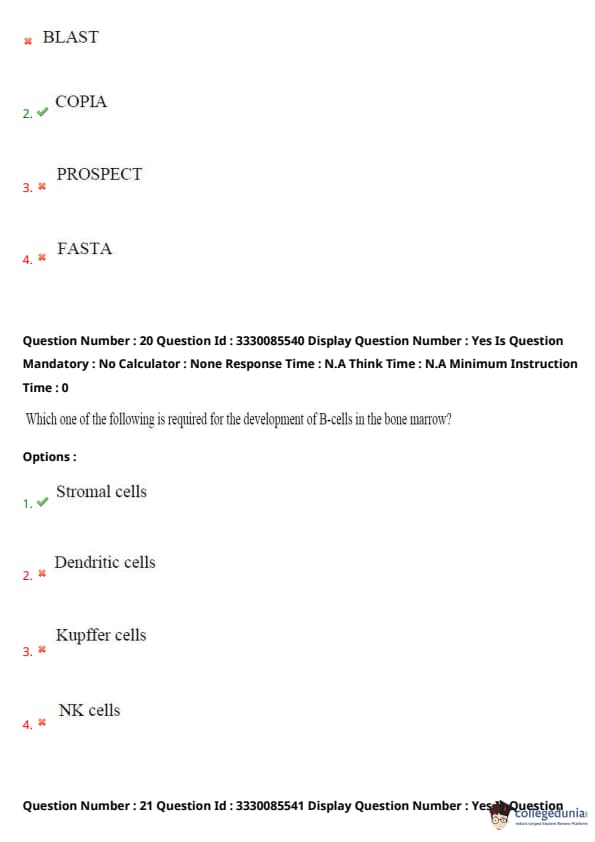
Which tool is utilized for motif identification?
- (1) BLAST
- (2) COPIA
- (3) PROSPECT
- (4) FASTA
Question 20:
Which one of the following is required for the development of B-cells in the bone marrow?
- (1) Stromal cells
- (2) Dendritic cells
- (3) Kupffer cells
- (4) NK cells
Question 21:
Which of the following is untrue about the Loop Modeling Step?
- (1) The gaps cannot be directly modeled
- (2) Loop modeling is required for closing the gaps
- (3) In the sequence alignment for modeling, there are no regions producing gaps in sequence alignment
- (4) In the sequence alignment for modeling, there are often regions caused by insertions and deletions producing gaps in sequence alignment
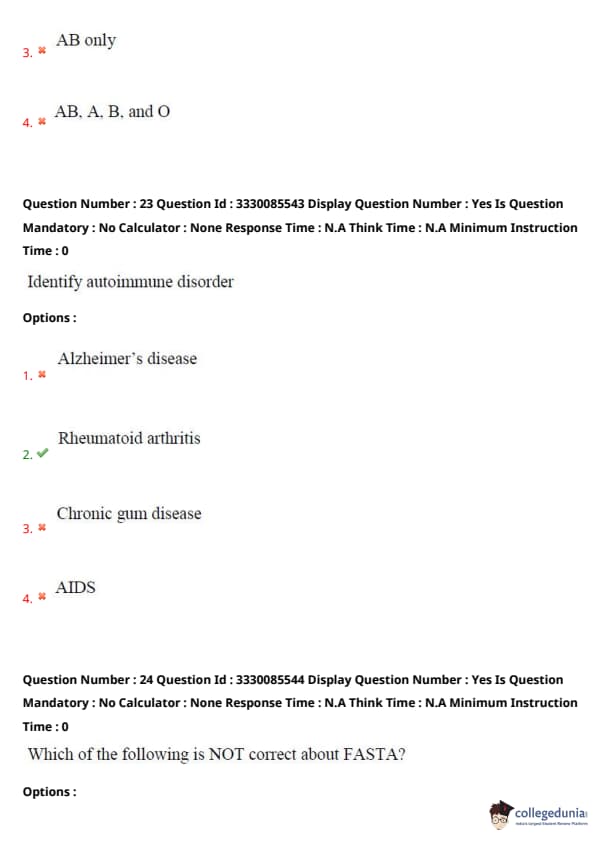
Question 22:
With regard to the ABO blood group typing system, if a father is of blood group AB and a mother is of blood group O, what are the possible blood groups that a son of the couple have?
- (1) O only
- (2) Either A or B
- (3) AB only
- (4) AB, A, B, and O
Question 23:
Identify autoimmune disorder
- (1) Alzheimer’s disease
- (2) Rheumatoid arthritis
- (3) Chronic gum disease
- (4) AIDS
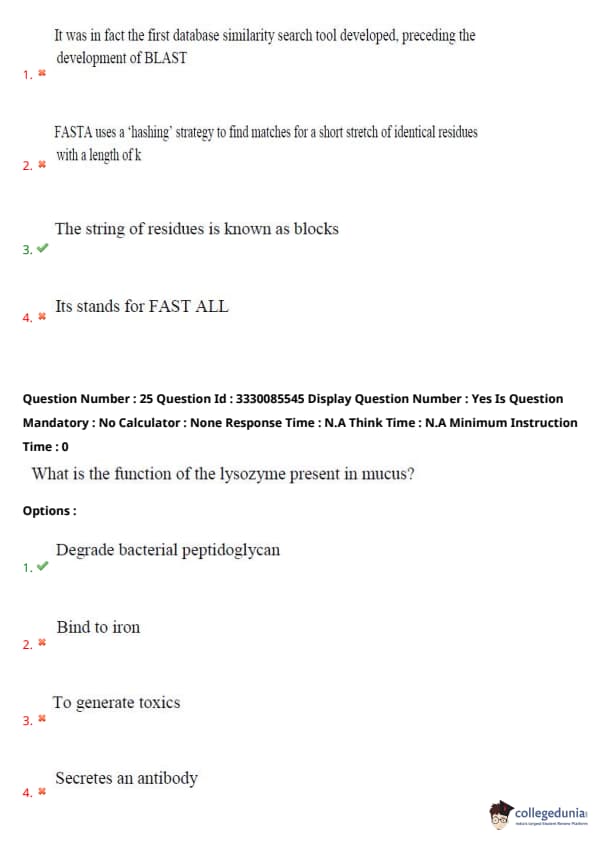
Question 24:
Which of the following is NOT correct about FASTA?
- (1) It was in fact the first database similarity search tool developed, preceding the development of BLAST
- (2) FASTA uses a ‘hashing’ strategy to find matches for a short stretch of identical residues with a length of k
- (3) The string of residues is known as blocks
- (4) It stands for FAST ALL
Question 25:
What is the function of the lysozyme present in mucus?
- (1) Degrade bacterial peptidoglycan
- (2) Bind to iron
- (3) To generate toxics
- (4) Secretes an antibody
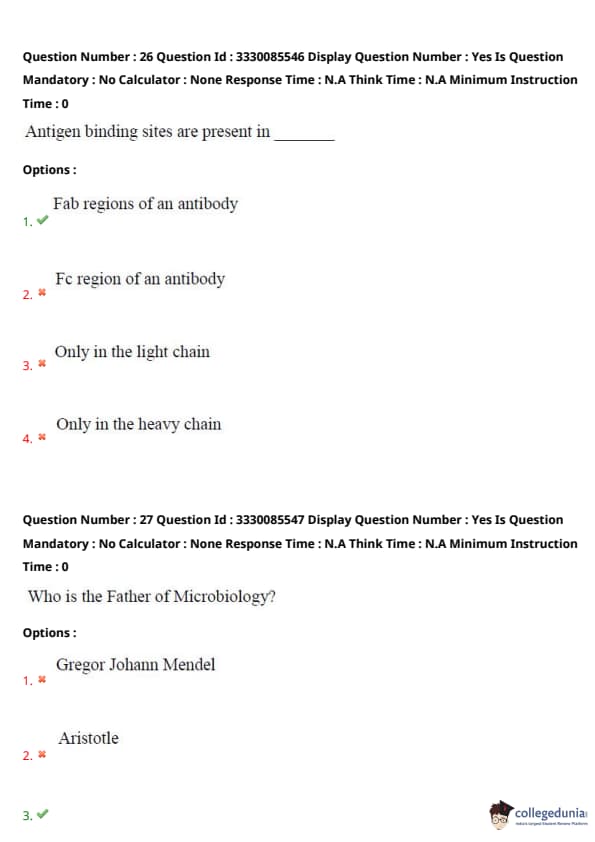
Question 26:
Antigen binding sites are present in ...............
- (1) Fab regions of an antibody
- (2) Fc region of an antibody
- (3) Only in the light chain
- (4) Only in the heavy chain
Question 27:
Who is the Father of Microbiology?
- (1) Gregor Johann Mendel
- (2) Aristotle
- (3) Antonie van Leeuwenhoek
- (4) Louis Pasteur
Question 28:
The production of secondary metabolites requires the use of ............
- (1) Meristem tips
- (2) Protoplasts
- (3) Axillary buds
- (4) Cell suspensions
Question 29:
The average size of plant mitochondrial DNA range between .............. Kilo base pairs.
- (1) 2 to 20
- (2) 20 to 200
- (3) 200 to 2000
- (4) 2000 to 20000
Question 30:
Which of the following technique is commonly used in animal cloning?
- (1) Polymerase Chain Reaction (PCR)
- (2) CRISPR-Cas9
- (3) Somatic Cell Nuclear Transfer (SCNT)
- (4) Gel Electrophoresis
Question 31:
The computational methodology that tries to find the best matching between two molecules, a receptor and a ligand, is called?
- (1) RASMOL
- (2) Molecular matching
- (3) Molecular modelling
- (4) Molecular docking
Question 32:
Sodium-Potassium pump present on the cell membrane is a classic example of ..............
- (1) Primary active transport
- (2) Primary passive transport
- (3) Secondary active transport
- (4) Secondary passive transport
Question 33:
............. is NOT an indigenous microbe used for bioremediation.
- (1) Pseudomonas aeruginosa
- (2) Piscirickettsia salmonis
- (3) Phanerochaete sordida
- (4) E. coli
Question 34:
Lack of independent assortment of two genes is due to .............
- (1) Recombination
- (2) Crossing over
- (3) Linkage
- (4) Repulsion
Question 35:
In a batch process, 70 Kg of H₂O and 10 Kg of NaOH and some other reactants enters the vessel. If 100 Kg of the product leaves the vessel, what is the percentage of H₂O in the product?
- (1) 10%
- (2) 30%
- (3) 70%
- (4) 100%
Question 36:
Cell division occurs in ............
- (1) S phase
- (2) G₁ phase
- (3) G₂ phase
- (4) M phase
Question 37:
Isoschizomers recognize ..................
- (1) Same recognition sequence but different recognition site
- (2) Same recognition site and same recognition sequence
- (3) Same recognition site and different recognition sequence
- (4) Different recognition site and different recognition sequence
Question 38:
In which phase is penicillin produced?
- (1) Lag phase
- (2) Log phase
- (3) Exponential phase
- (4) Stationary phase
Question 39:
All of the following interactions occur between antigen-antibody reaction except .................
- (1) Ionic bond
- (2) Covalent bond
- (3) Hydrogen bond
- (4) Vander waal force
Question 40:
One of the following is NOT an antigen presenting cell.
- (1) B cells
- (2) Dendritic cells
- (3) Macrophages
- (4) T cells
Question 41:
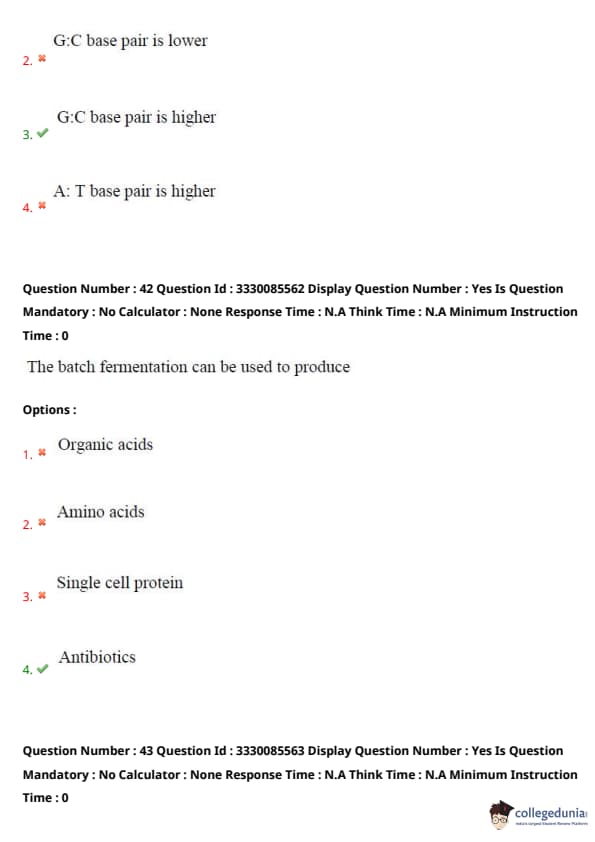
The melting temperature (Tm) of DNA is higher when the content of
- (1) A: T base pair is lower
- (2) G:C base pair is lower
- (3) G:C base pair is higher
- (4) A: T base pair is higher
Question 42:
The batch fermentation can be used to produce
- (1) Organic acids
- (2) Amino acids
- (3) Single cell protein
- (4) Antibiotics
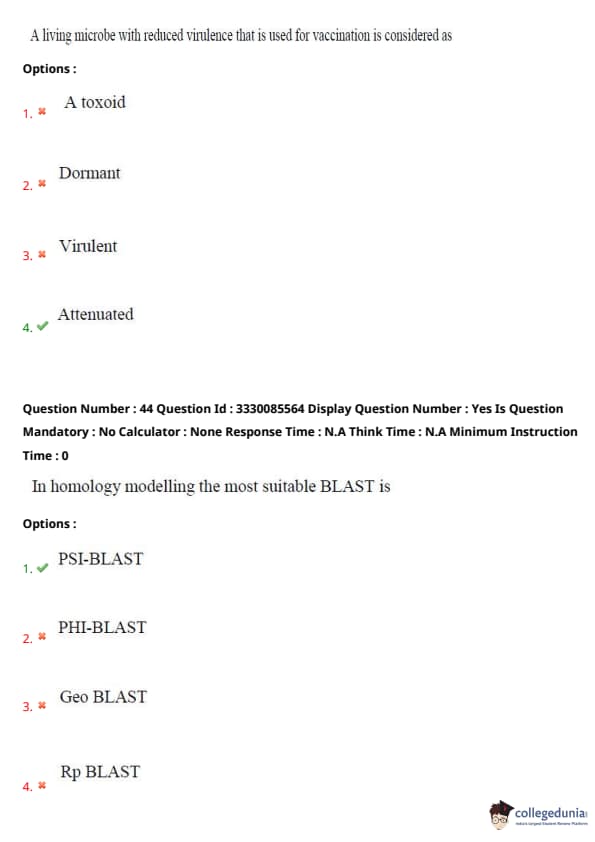
Question 43:
A living microbe with reduced virulence that is used for vaccination is considered as
- (1) A toxoid
- (2) Dormant
- (3) Virulent
- (4) Attenuated
Question 44:
In homology modeling, the most suitable BLAST is
- (1) PSI-BLAST
- (2) PHI-BLAST
- (3) Geo-BLAST
- (4) Rp-BLAST
- (1) PSI-BLAST (Position-Specific Iterative BLAST):
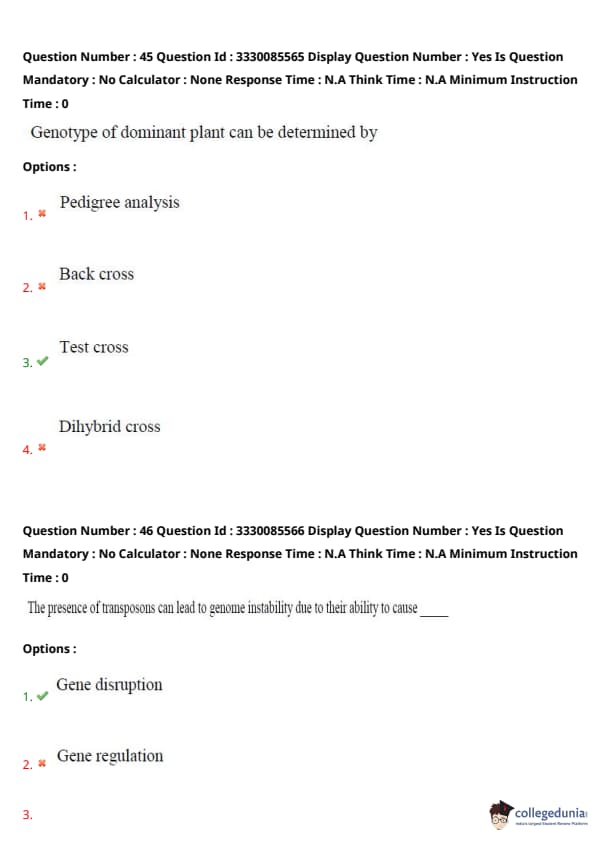
Question 45:
Genotype of dominant plant can be determined by
- (1) Pedigree analysis
- (2) Back cross
- (3) Test cross
- (4) Dihybrid cross
- (1) Test Cross:
Question 46:
The presence of transposons can lead to genome instability due to their ability to cause ..........
- (1) Gene disruption
- (2) Gene regulation
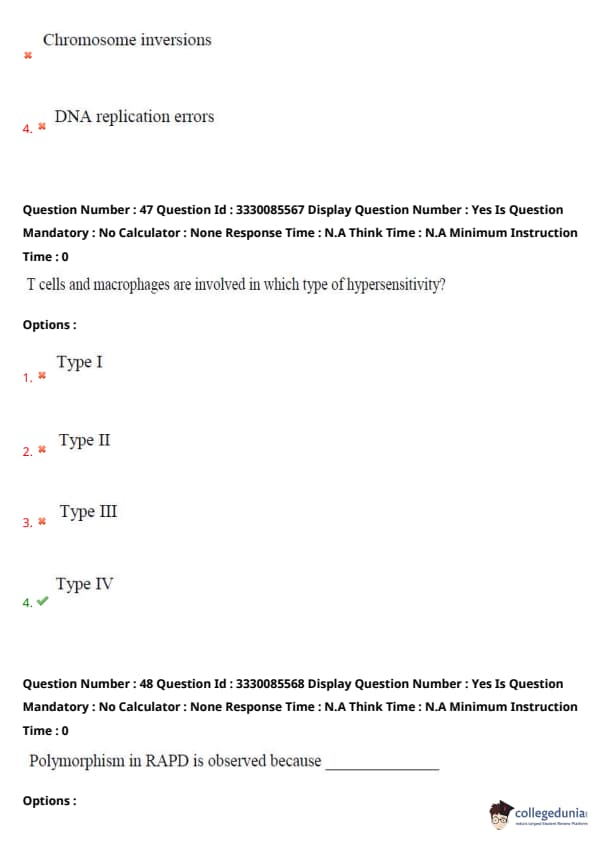
- (3) Chromosome inversions
- (4) DNA replication errors
Question 47:
T cells and macrophages are involved in which type of hypersensitivity?
- (1) Type I
- (2) Type II
- (3) Type III
- (4) Type IV
Question 48:
Polymorphism in RAPD is observed because ................
- (1) DNA used is from different chromosomes of same species
- (2) DNA used is from same chromosomes of same species
- (3) DNA used is from different chromosomes of different species
- (4) DNA used is from complementary chromosomes of same species
Question 49:
Which of the following gas is produced in large amounts during sludge digestion?
- (1) Methane
- (2) Carbon dioxide
- (3) Hydrogen
- (4) Nitrogen
Question 50:
.............. bacteria are cold loving and have optimal temperature for growth lower than 15°C.
- (1) Mesophilic
- (2) Thermophilic
- (3) Psychrophilic
- (4) Acidophilic
Question 51:
Which of the following is true about phosphodiester linkage?
- (1) 3’-phosphate group of one nucleotide unit is joined to the 5’-hydroxyl group of the next nucleotide
- (2) 3’-phosphate group of one nucleotide unit is joined to the 3’-hydroxyl group of the next nucleotide
- (3) 5’-phosphate group of one nucleotide unit is joined to the 3’-hydroxyl group of the next nucleotide
- (4) 5’-phosphate group of one nucleotide unit is joined to the 5’-hydroxyl group of the next nucleotide
Question 52:
Which one of the following techniques can be used to compare the expression of a large number of genes in two biological samples in a single experiment?
- (1) Polymerase chain reaction
- (2) DNA microarray
- (3) Northern hybridization
- (4) Southern hybridization
Question 53:
Which is the major factor(s) determining whether glucose is oxidized by aerobic or anaerobic glycolysis?
- (1) Presence of high AMP
- (2) NADH and the ATP/ADP ratio
- (3) Ca\(^2\)
- (4) FADH\(_2\)
Question 54:
The best way to determine the location of protein in the purification scheme is to measure the
- (1) Rate of ATP synthesis
- (2) Changes in the refractive index
- (3) UV absorption
- (4) Mass spectroscopy of the protein
Question 55:
The reduction of NADP\(^+\) to NADPH occurs in
- (1) HMP shunt
- (2) Calvin Cycle
- (3) Glycolysis
- (4) EMP (1988)
Question 56:
Which is the first antibody produced in the primary immune response?
- (1) IgM
- (2) IgA
- (3) IgG
- (4) IgD
Question 57:
Saul Needleman and Christian Wansch postulated an algorithm which is useful for
- (1) Multiple sequence alignment
- (2) Global alignment of sequence
- (3) Local alignment of sequence
- (4) Progressive alignment
Question 58:
Parthenogenic embryos in plants are those which are formed by
- (1) Unfertilized eggs
- (2) Fertilized eggs
- (3) Sporophytic cells
- (4) Male gametophyte
Question 59:
The Yield factor (Y) is the measure of the efficiency of
- (1) Conversion of anyone substrate into biomass
- (2) Conversion of all the substrates into biomass
- (3) The affinity of an enzyme to the substrate
- (4) Number of microbes which produced the biomass
Question 60:
Which of the following function of DNA is necessary for the purpose of evolution?
- (1) Mutation
- (2) Replication
- (3) Translation
- (4) Transcription
Question 61:
The enzymes required for the glycolysis pathway are localized in
- (1) Rough endoplasmic reticulum
- (2) Smooth endoplasmic reticulum
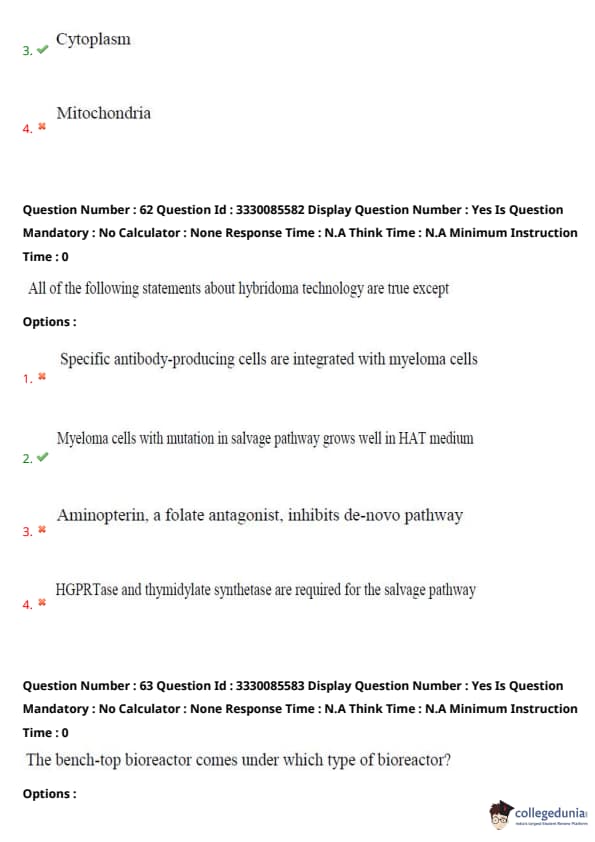
- (3) Cytoplasm
- (4) Mitochondria
Question 62:
All of the following statements about hybridoma technology are true except
- (1) Specific antibody-producing cells are integrated with myeloma cells
- (2) Myeloma cells with mutation in salvage pathway grow well in HAT medium
- (3) Aminopterin, a folate antagonist, inhibits de-novo pathway
- (4) HGPRTase and thymidylate synthetase are required for the salvage pathway
Question 63:
The bench-top bioreactor comes under which type of bioreactor?
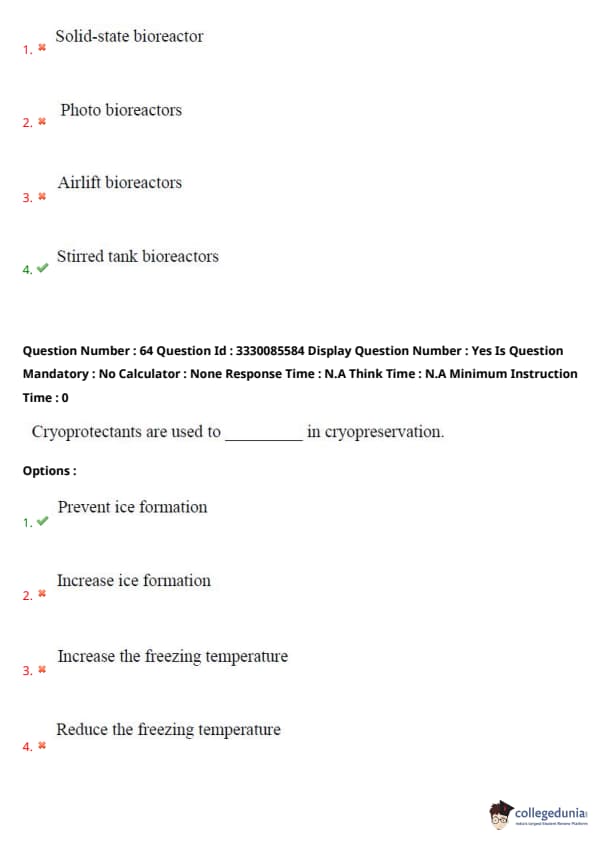
- (1) Solid-state bioreactor
- (2) Photo bioreactors
- (3) Airlift bioreactors
- (4) Stirred tank bioreactors
Question 64:
Cryoprotectants are used to ................ in cryopreservation.
- (1) Prevent ice formation
- (2) Increase ice formation
- (3) Increase the freezing temperature
- (4) Reduce the freezing temperature
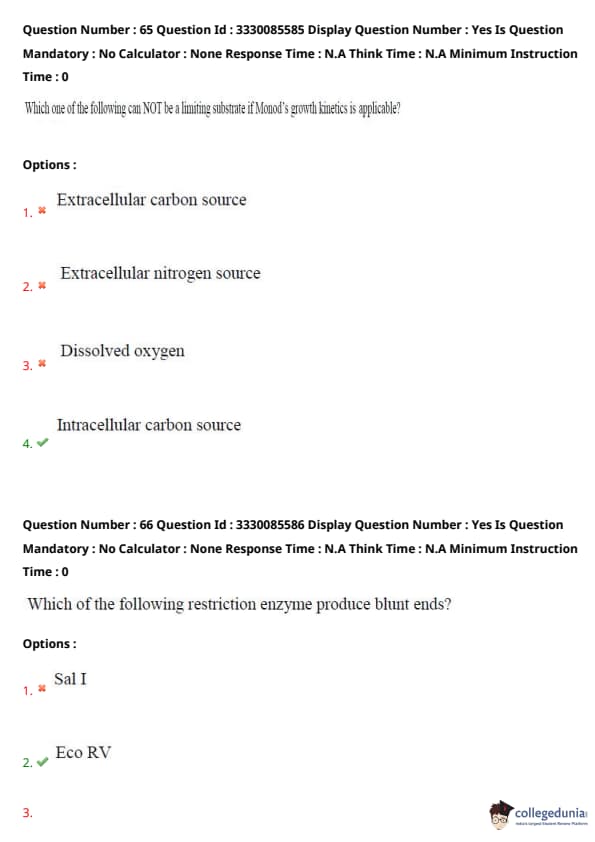
Question 65:
Which one of the following can NOT be a limiting substrate if Monod's growth kinetics is applicable?
- (1) Extracellular carbon source
- (2) Extracellular nitrogen source
- (3) Dissolved oxygen
- (4) Intracellular carbon source
Question 66:
Which of the following restriction enzyme produce blunt ends?
- (1) Sal I
- (2) Eco RV
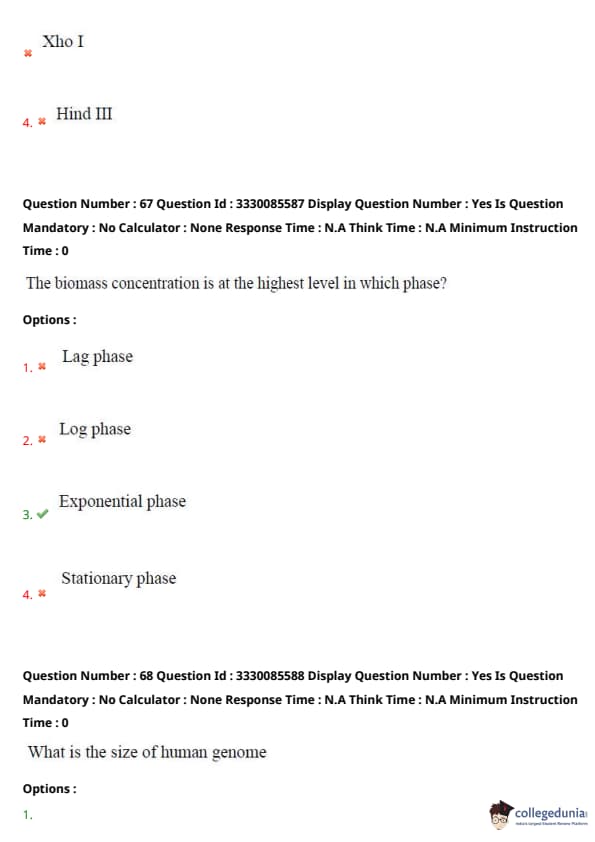
- (3) Xho I
- (4) Hind III
Question 67:
The biomass concentration is at the highest level in which phase?
- (1) Lag phase
- (2) Log phase
- (3) Exponential phase
- (4) Stationary phase
Question 68:
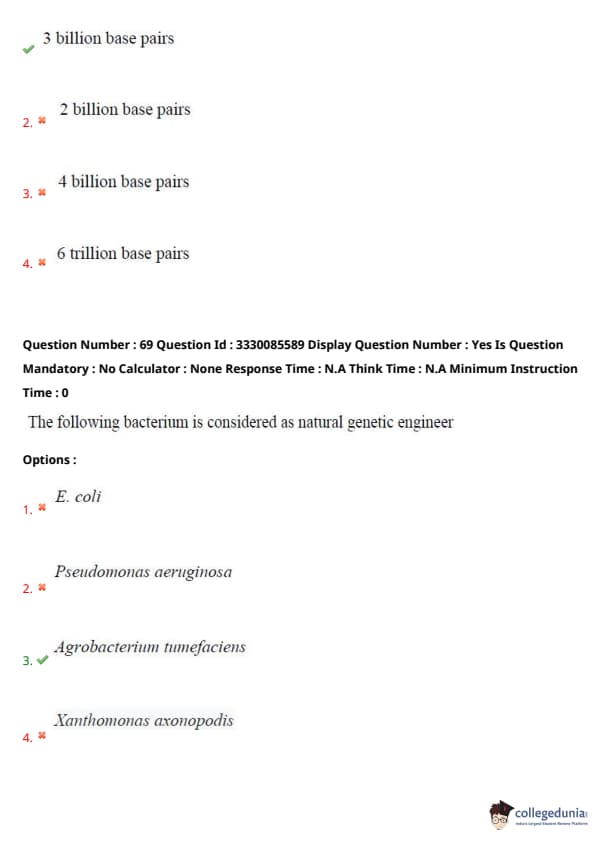
What is the size of the human genome?
- (1) 3 billion base pairs
- (2) 2 billion base pairs
- (3) 4 billion base pairs
- (4) 6 trillion base pairs
Question 69:
The following bacterium is considered as a natural genetic engineer:
- (1) E. coli
- (2) Pseudomonas aeruginosa
- (3) Agrobacterium tumefaciens
- (4) Xanthomonas axonopodis
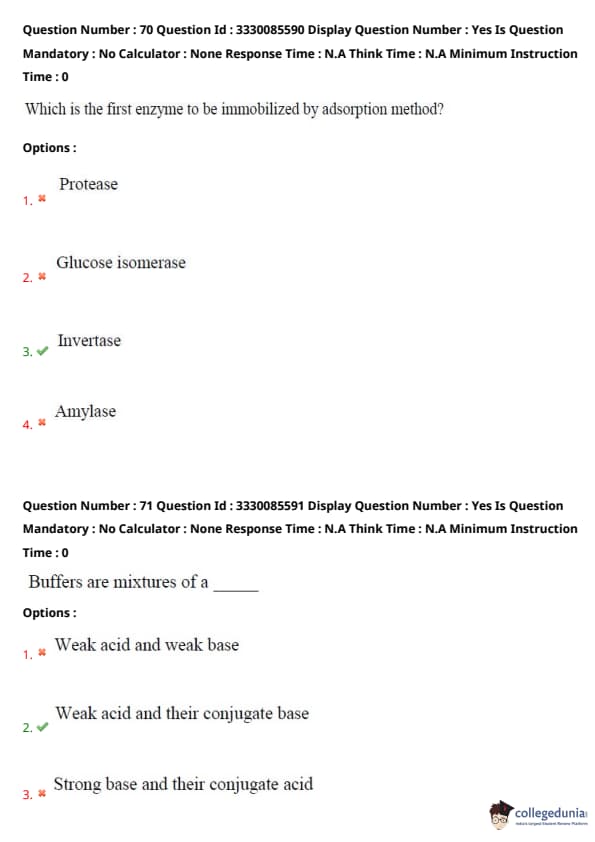
Question 70:
Which is the first enzyme to be immobilized by adsorption method?
- (1) Protease
- (2) Glucose isomerase
- (3) Invertase
- (4) Amylase
Question 71:
Buffers are mixtures of a ..............
- (1) Weak acid and weak base
- (2) Weak acid and their conjugate base
- (3) Strong base and their conjugate acid
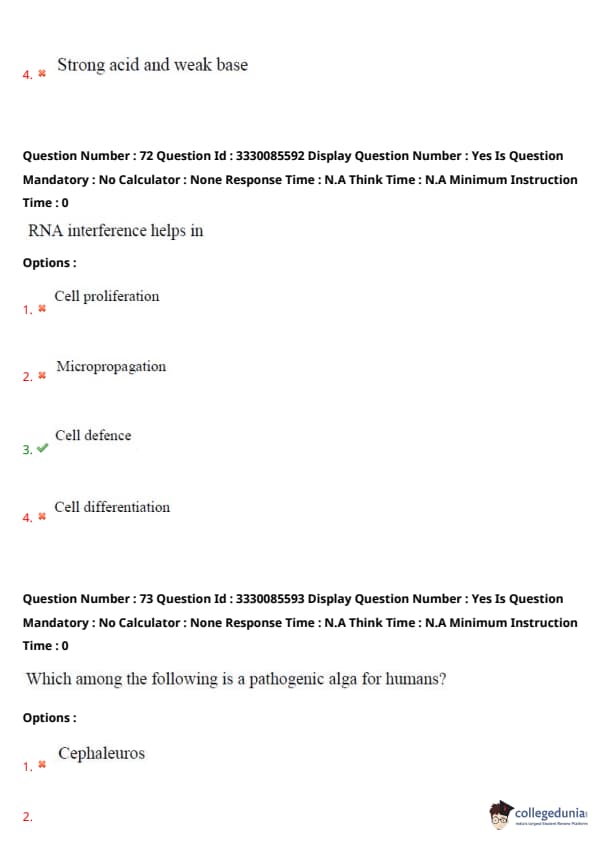
- (4) Strong acid and weak base
Question 72:
RNA interference helps in
- (1) Cell proliferation
- (2) Micropropagation
- (3) Cell defence
- (4) Cell differentiation
Question 73:
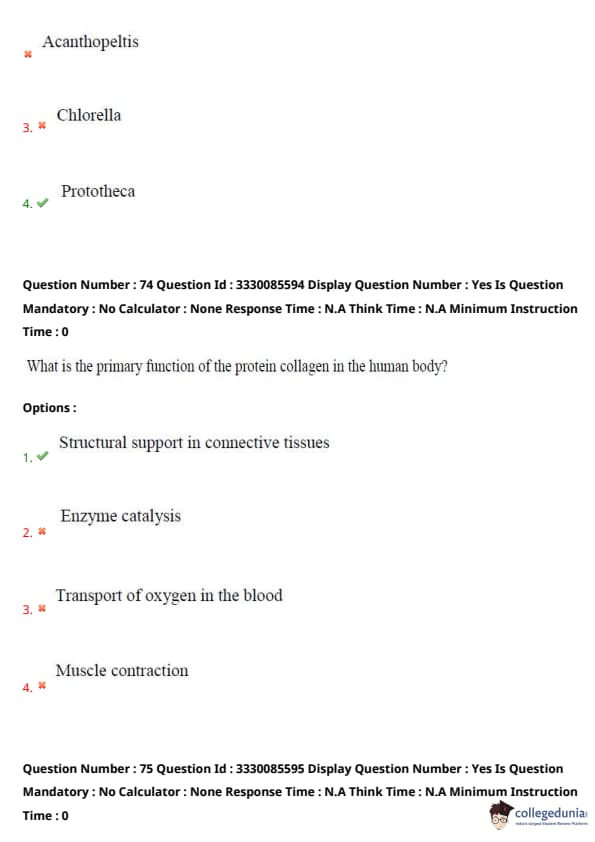
Which among the following is a pathogenic alga for humans?
- (1) Cephaleuros
- (2) Acanthopeltis
- (3) Chlorella
- (4) Prototheca
Question 74:
What is the primary function of the protein collagen in the human body?
- (1) Structural support in connective tissues
- (2) Enzyme catalysis
- (3) Transport of oxygen in the blood
- (4) Muscle contraction
Question 75:
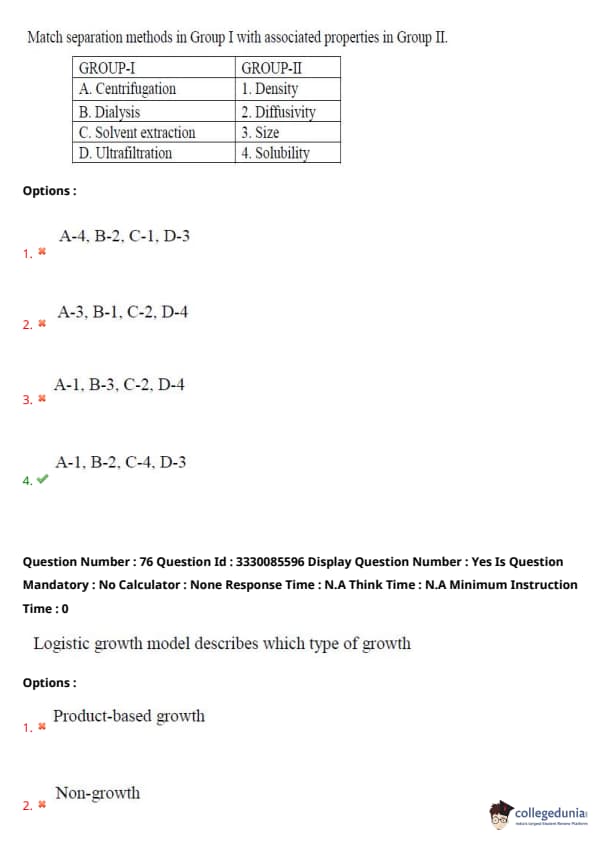
Match separation methods in Group I with associated properties in Group II.
GROUP-I GROUP-II
A. Centrifugation (1) Density
B. Dialysis (2) Diffusivity
C. Solvent extraction (3) Size
D. Ultrafiltration (4) Solubility
- (1) A-4, B-2, C-1, D-3
- (2) A-3, B-1, C-2, D-4
- (3) A-1, B-3, C-2, D-4
- (4) A-1, B-2, C-4, D-3
Correct Answer: (4) A-1, B-2, C-4, D-3
View Solution
The separation methods in Group I are matched with their associated properties in Group II as follows:
% Option
(1) **Centrifugation** (A) is based on the **density** (1) of the particles, where components with different densities are separated by applying centrifugal force.
% Option
(2) **Dialysis** (B) works on the **solubility** (4) of substances in a selective membrane to separate small molecules from larger ones.
% Option
(3) **Solvent extraction** (C) involves separating components based on their **solubility** and **diffusivity** (2) in different solvents.
% Option
(4) **Ultrafiltration** (D) is based on the **size** (3) of particles, where larger molecules are retained by the membrane, and smaller molecules pass through.
Conclusion:
The correct matching is **A-1, B-2, C-4, D-3**. Quick Tip: Understanding the principle of each separation method, whether it's based on size, density, solubility, or diffusivity, is key to selecting the appropriate technique for a given application.
Question 76:
Logistic growth model describes which type of growth?
- (1) Product-based growth
- (2) Non-growth
- (3) Substrate-based growth
- (4) Maintenance-based growth
Question 77:
A culture vessel in which physical, physicochemical and physiological conditions, as well as cell concentration, are kept constant is known as
- (1) Cell concentrator
- (2) Biostat
- (3) Batch bioreactor
- (4) Incubator
Question 78:
How many molecules of ATP are required to fix one molecule of nitrogen?
- (1) 12
- (2) 20
- (3) 6
- (4) 16
Question 79:
Which of the following can be used as a measure to construct a linkage map of the Hfr chromosome?
- (1) Frequency of recombination
- (2) Time of entry
- (3) Locus of mutation
- (4) Transfer of F factor
Question 80:
Microtubules are composed of
- (1) Tubulin
- (2) Actin
- (3) Niacin
- (4) Myosin
Question 81:
Which of these would not be used to introduce DNA in animal cells?
- (1) Liposomes
- (2) Electroporation
- (3) Microinjection
- (4) Ti-plasmid
Question 82:
Where does respiration take place in woody plants?
- (1) Phloem tissue
- (2) Peripheral tissue
- (3) Lenticles
- (4) Xylem tissues
Question 83:
Which of the following signal molecules does not interact with cell surface receptors?
- (1) Insulin
- (2) Gastrin
- (3) Glucagon
- (4) Testosterone
Question 84:
Which promoter is used for yeast cell expression?
- (1) Polyhedrin
- (2) Alcohol oxidase
- (3) Cauliflower mosaic virus 35S
- (4) T7 polymerase
Question 85:
Which is the source of energy used to make ATP by oxidative phosphorylation?
- (1) Oxygen
- (2) High-energy phosphate bonds
- (3) The proton motive force
- (4) Inorganic phosphate
Question 86:
Which of the following transcribes protein-coding genes in plants?
- (1) DNA polymerase II
- (2) DNA polymerase I
- (3) RNA polymerase II
- (4) RNA polymerase I
Question 87:
Error-free repair of double strand breaks in DNA is accomplished by
- (1) Non-homologous end-joining
- (2) Base excision repair
- (3) Non-homologous recombination
- (4) Mismatch repair
Question 88:
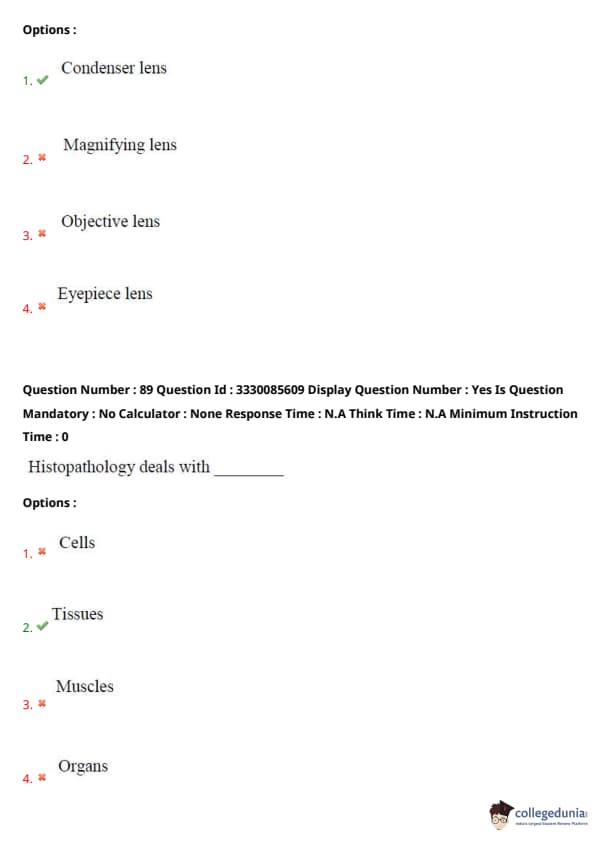
Which part of the compound microscope helps in gathering and focusing light rays on the specimen to be viewed?
- (1) Condenser lens
- (2) Magnifying lens
- (3) Objective lens
- (4) Eyepiece lens
Question 89:
Histopathology deals with
- (1) Cells
- (2) Tissues
- (3) Muscles
- (4) Organs
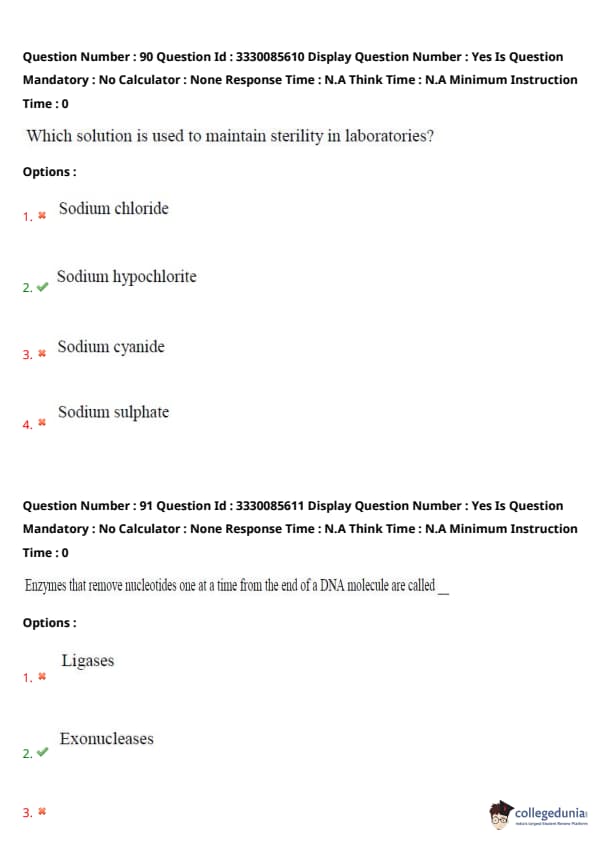
Question 90:
Which solution is used to maintain sterility in laboratories?
- (1) Sodium chloride
- (2) Sodium hypochlorite
- (3) Sodium cyanide
- (4) Sodium sulphate
Question 91:
Enzymes that remove nucleotides one at a time from the end of a DNA molecule are called
- (1) Ligases
- (2) Exonucleases
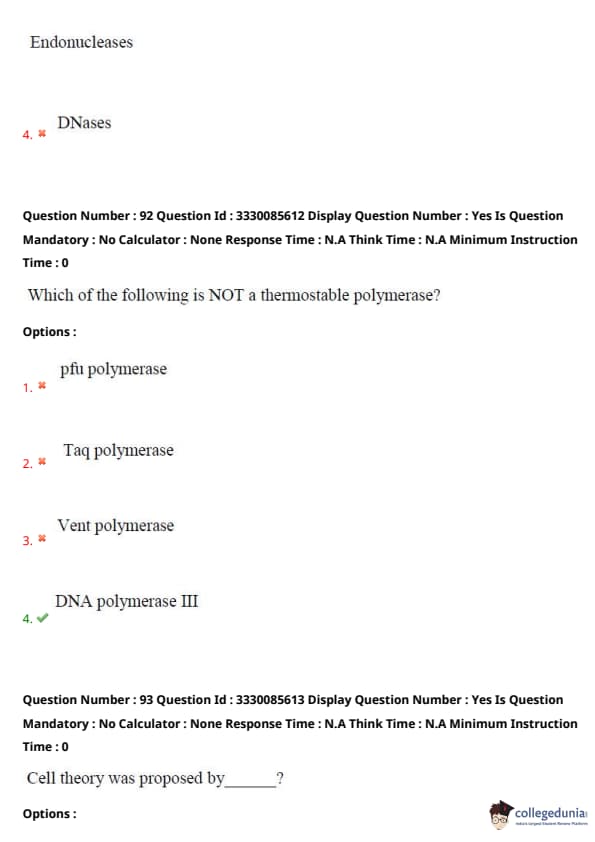
- (3) Endonucleases
- (4) DNases
Question 92:
Which of the following is NOT a thermostable polymerase?
- (1) pfu polymerase
- (2) Taq polymerase
- (3) Vent polymerase
- (4) DNA polymerase III
Question 93:
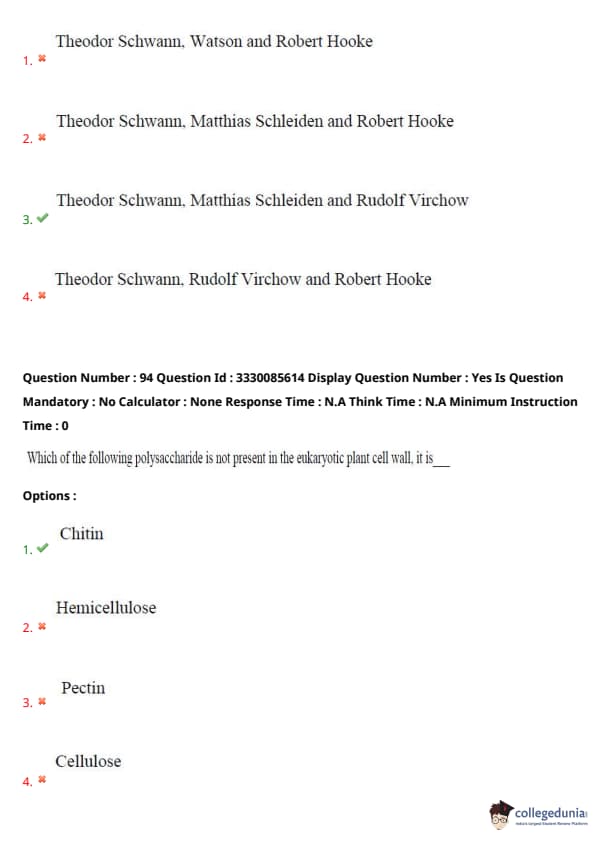
Cell theory was proposed by ...........?
- (1) Theodor Schwann, Watson and Robert Hooke
- (2) Theodor Schwann, Matthias Schleiden and Robert Hooke
- (3) Theodor Schwann, Matthias Schleiden and Rudolf Virchow
- (4) Theodor Schwann, Rudolf Virchow and Robert Hooke
Question 94:
Which of the following polysaccharide is not present in the eukaryotic plant cell wall, it is __?
- (1) Chitin
- (2) Hemicellulose
- (3) Pectin
- (4) Cellulose
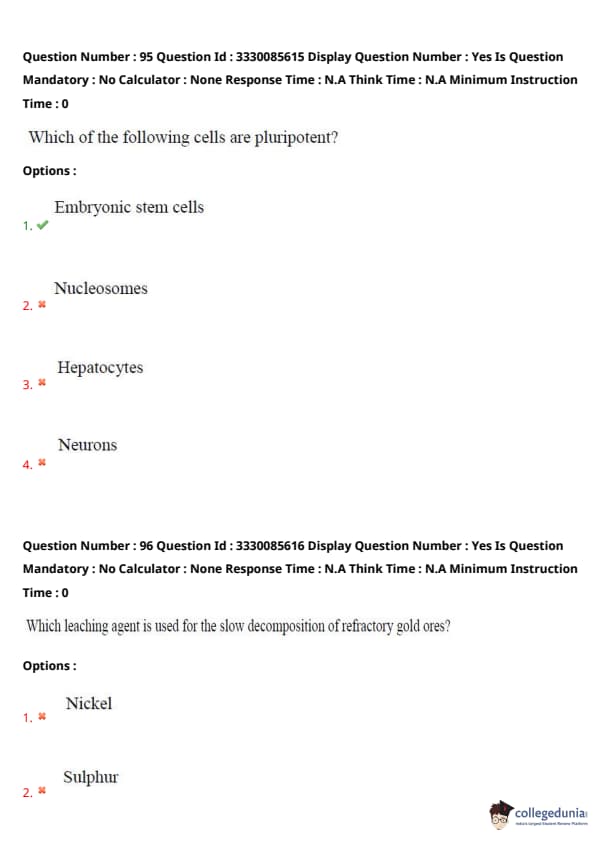
Question 95:
Which of the following cells are pluripotent?
- (1) Embryonic stem cells
- (2) Nucleosomes
- (3) Hepatocytes
- (4) Neurons
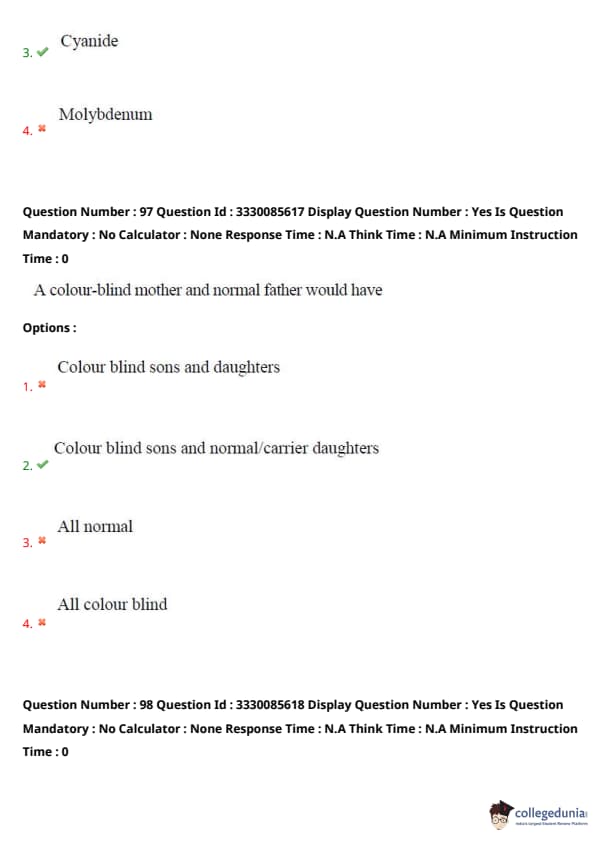
Question 96:
Which leaching agent is used for the slow decomposition of refractory gold ores?
- (1) Nickel
- (2) Sulphur
- (3) Cyanide
- (4) Molybdenum
Question 97:
A colour-blind mother and normal father would have
- (1) Colour blind sons and daughters
- (2) Colour blind sons and normal/carrier daughters
- (3) All normal
- (4) All colour blind
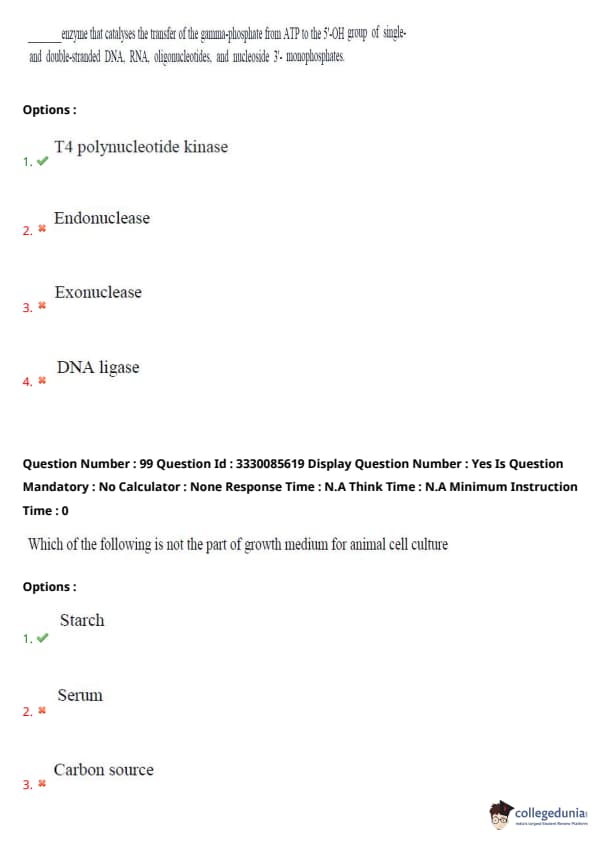
Question 98:
.................... enzyme that catalyzes the transfer of the gamma-phosphate from ATP to the 5'-OH group of single- and double-stranded DNA, RNA, oligonucleotides, and nucleoside 3'-monophosphates.
- (1) T4 polynucleotide kinase
- (2) Endonuclease
- (3) Exonuclease
- (4) DNA ligase
Question 99:
Which of the following is not part of the growth medium for animal cell culture?
- (1) Starch
- (2) Serum
- (3) Carbon source
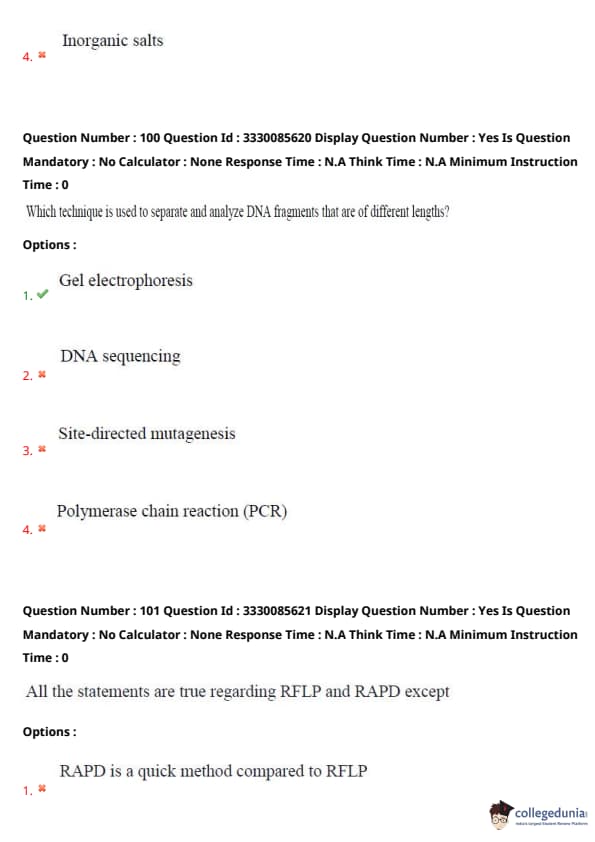
- (4) Inorganic salts
Question 100:
Which technique is used to separate and analyze DNA fragments that are of different lengths?
- (1) Gel electrophoresis
- (2) DNA sequencing
- (3) Site-directed mutagenesis
- (4) Polymerase chain reaction (PCR)
Question 101:
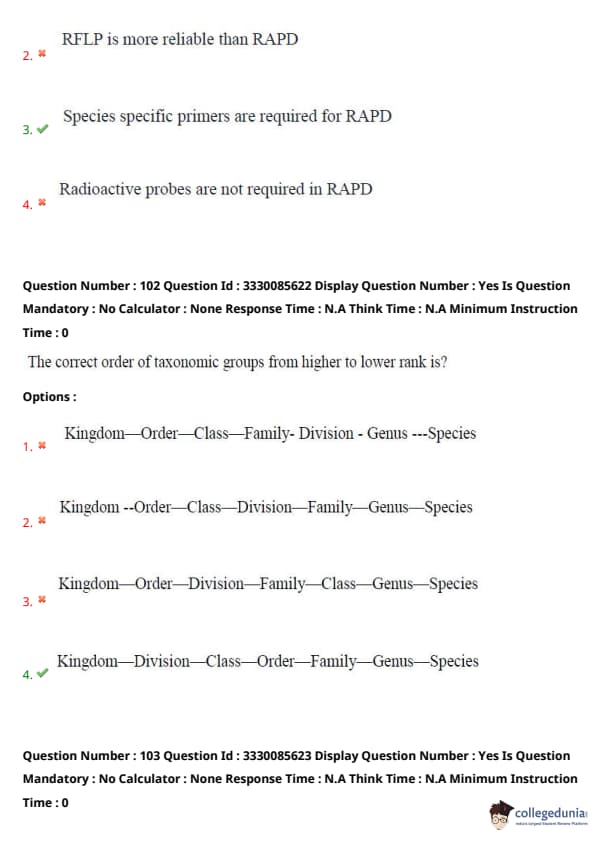
All the statements are true regarding RFLP and RAPD except
- (1) RAPD is a quick method compared to RFLP
- (2) RFLP is more reliable than RAPD
- (3) Species specific primers are required for RAPD
- (4) Radioactive probes are not required in RAPD
Question 102:
The correct order of taxonomic groups from higher to lower rank is?
- (1) Kingdom -- Order -- Class -- Family -- Division -- Genus -- Species
- (2) Kingdom -- Order -- Class -- Division -- Family -- Genus -- Species
- (3) Kingdom -- Order -- Division -- Family -- Class -- Genus -- Species
- (4) Kingdom -- Division -- Class -- Order -- Family -- Genus -- Species
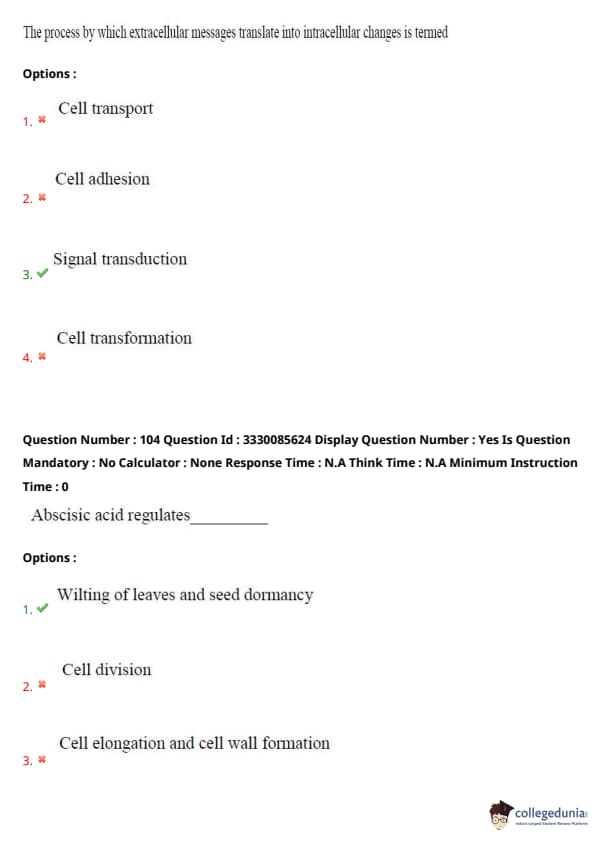
Question 103:
The process by which extracellular messages translate into intracellular changes is termed
- (1) Cell transport
- (2) Cell adhesion
- (3) Signal transduction
- (4) Cell transformation
Question 104:
Abscisic acid regulates \hspace{2cm}
- (1) Wilting of leaves and seed dormancy
- (2) Cell division
- (3) Cell elongation and cell wall formation
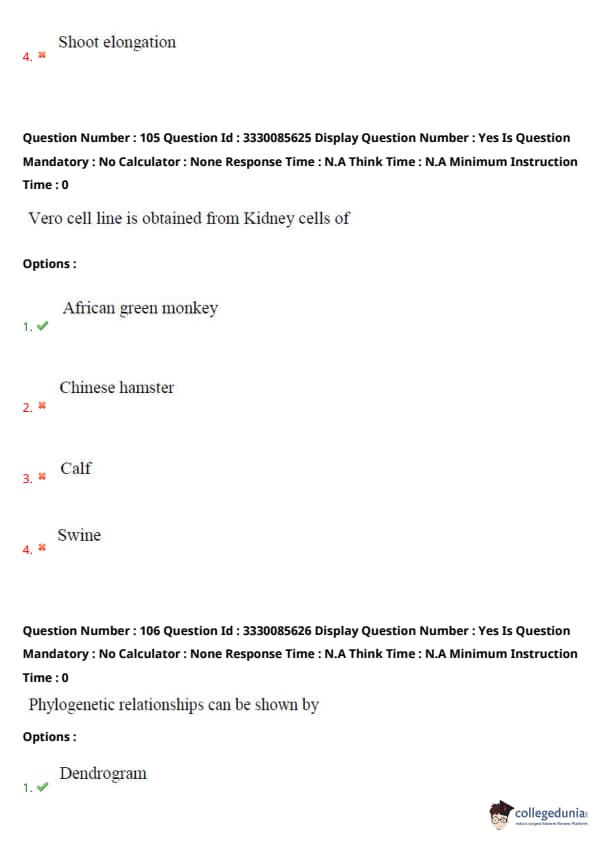
- (4) Shoot elongation
Question 105:
Vero cell line is obtained from kidney cells of
- (1) African green monkey
- (2) Chinese hamster
- (3) Calf
- (4) Swine
Question 106:
Phylogenetic relationships can be shown by
- (1) Dendrogram
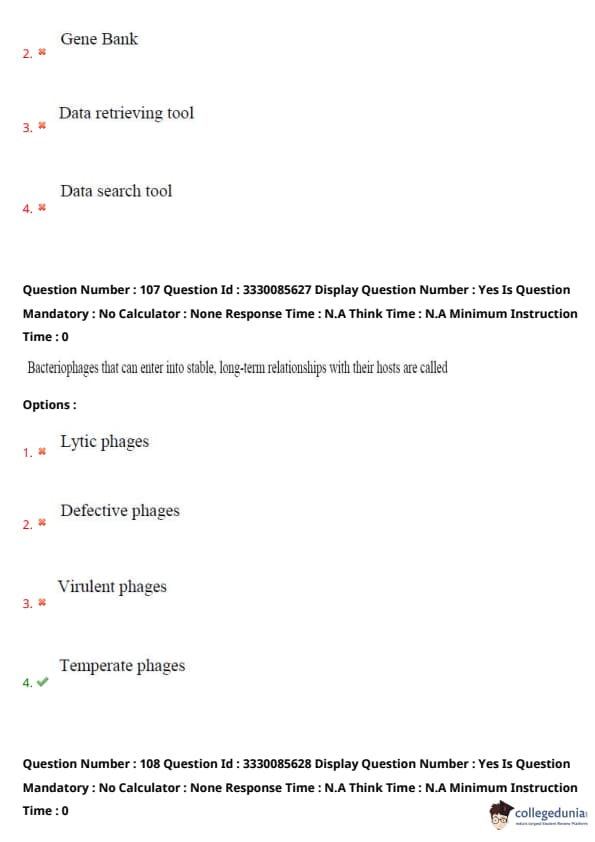
- (2) Gene Bank
- (3) Data retrieving tool
- (4) Data search tool
Question 107:
Bacteriophages that can enter into stable, long-term relationships with their hosts are called
- (1) Lytic phages
- (2) Defective phages
- (3) Virulent phages
- (4) Temperate phages
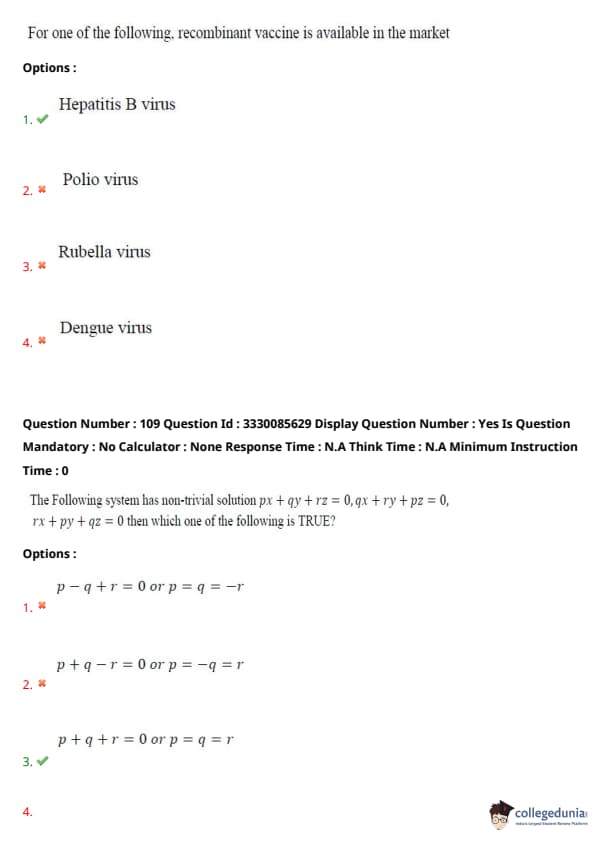
Question 108:
For one of the following, recombinant vaccine is available in the market
- (1) Hepatitis B virus
- (2) Polio virus
- (3) Rubella virus
- (4) Dengue virus
Question 109:
The following system has non-trivial solution \( px + qy + rz = 0, qx + ry + pz = 0, rx + py + qz = 0 \) then which one of the following is TRUE?
- (1) \( p - q + r = 0 \) or \( p = q = -r \)
- (2) \( p + q - r = 0 \) or \( p = -q = r \)
- (3) \( p + q + r = 0 \) or \( p = q = r \)
- (4) \( p - q - r = 0 \) or \( p = -q = -r \)
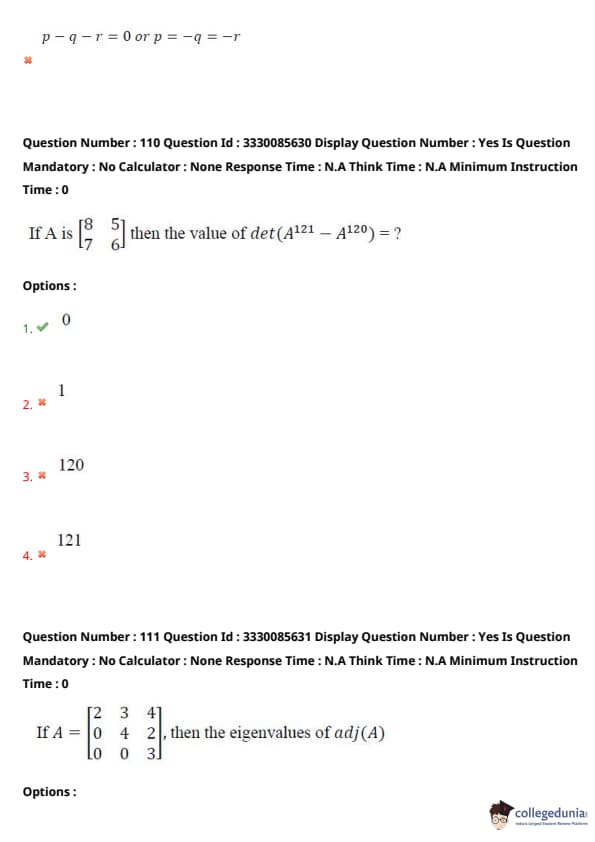
Question 110:
If A is \[ A = \begin{bmatrix} 8 & 7
5 & 6 \end{bmatrix} \]
then the value of \( det(A^{121} - A^{120}) = ? \)
- (1) 0
- (2) 1
- (3) 120
- (4) 121
Question 111:
If \[ A = \begin{bmatrix} 2 & 3 & 4
0 & 4 & 2
0 & 0 & 3 \end{bmatrix} \]
then the eigenvalues of \( adj(A) \) are
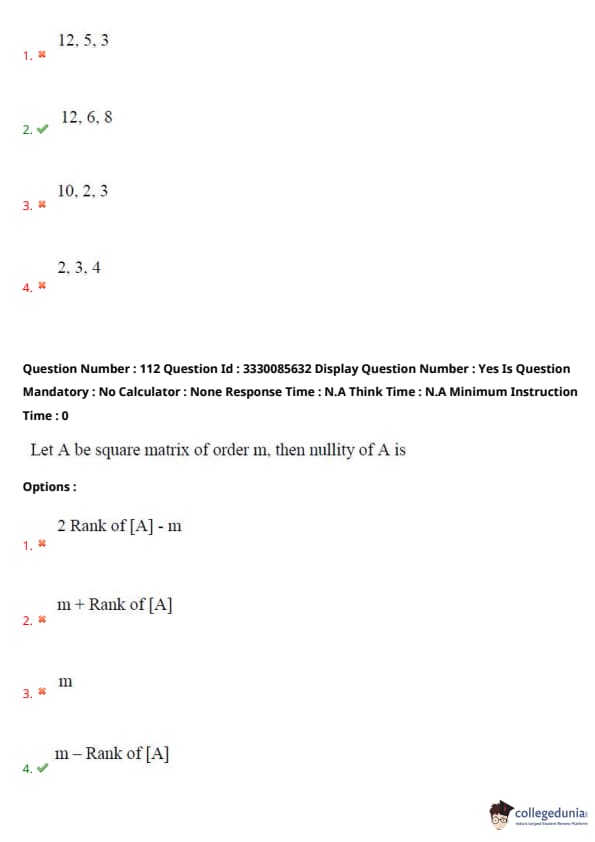
- (1) 12, 5, 3
- (2) 12, 6, 8
- (3) 10, 2, 3
- (4) 2, 3, 4
Question 112:
Let A be square matrix of order m, then nullity of A is
- (1) \( 2 \cdot Rank of [A] - m \)
- (2) \( m + Rank of [A] \)
- (3) \( m \)
- (4) \( m - Rank of [A] \)
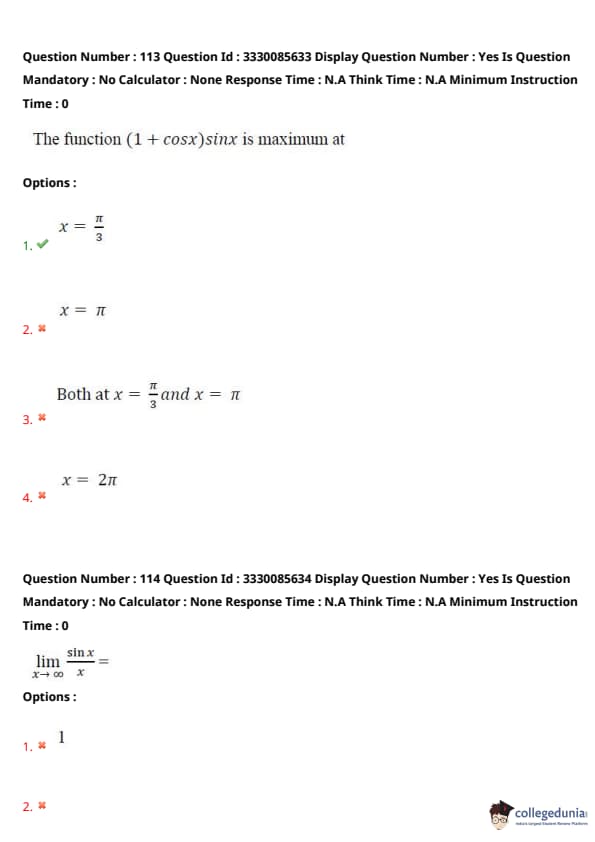
Question 113:
The function \( (1 + \cos x) \sin x \) is maximum at
- (1) \( x = \frac{\pi}{3} \)
- (2) \( x = \pi \)
- (3) Both at \( x = \frac{\pi}{3} \) and \( x = \pi \)
- (4) \( x = 2\pi \)
Question 114:
Evaluate the limit \[ \lim_{x \to \infty} \frac{\sin x}{x} \]
- (1) 1
- (2) -1
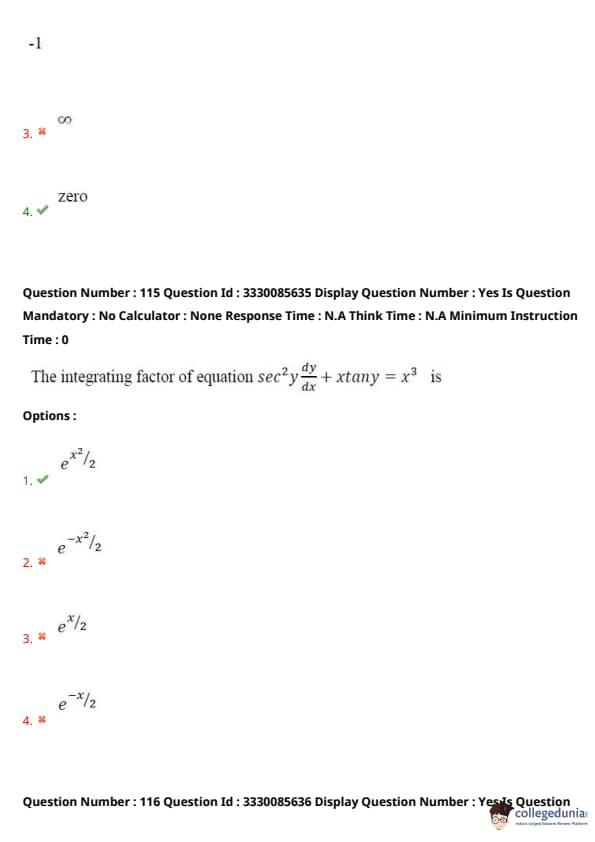
- (3) \( \infty \)
- (4) zero
Question 115:
The integrating factor of equation \[ \sec^2 y \frac{dy}{dx} + x \tan y = x^3 \] is
- (1) \( e^{x^2/2} \)
- (2) \( e^{-x^2/2} \)
- (3) \( e^{x/2} \)
- (4) \( e^{-x/2} \)
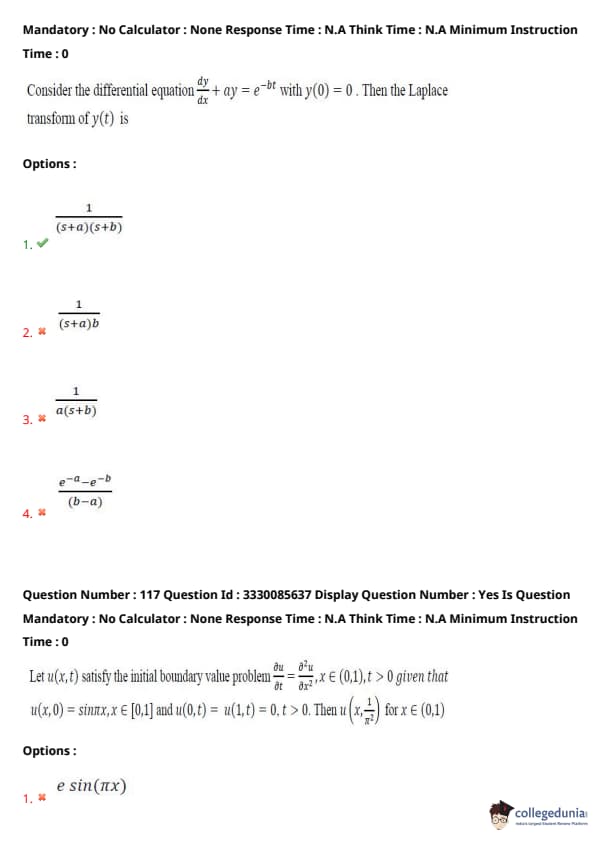
Question 116:
Consider the differential equation \[ \frac{dy}{dx} + a y = e^{-bt} \quad with \quad y(0) = 0. \]
Then the Laplace transform of \( y(t) \) is
- (1) \( \frac{1}{(s+a)(s+b)} \)
- (2) \( \frac{1}{(s+a)b} \)
- (3) \( \frac{1}{a(s+b)} \)
- (4) \( \frac{e^{-a} - e^{-b}}{b - a} \)
Question 117:
Let \( u(x,t) \) satisfy the initial boundary value problem \[ \frac{\partial u}{\partial t} = \frac{\partial^2 u}{\partial x^2}, \quad x \in (0,1), t > 0 \]
given that \[ u(x, 0) = \sin(\pi x), \quad x \in [0,1], \quad u(0,t) = u(1,t) = 0, \quad t > 0. \]
Then \( u \left( x, \frac{1}{\pi^2} \right) \) for \( x \in (0,1) \) is
- (1) \( e \sin(\pi x) \)
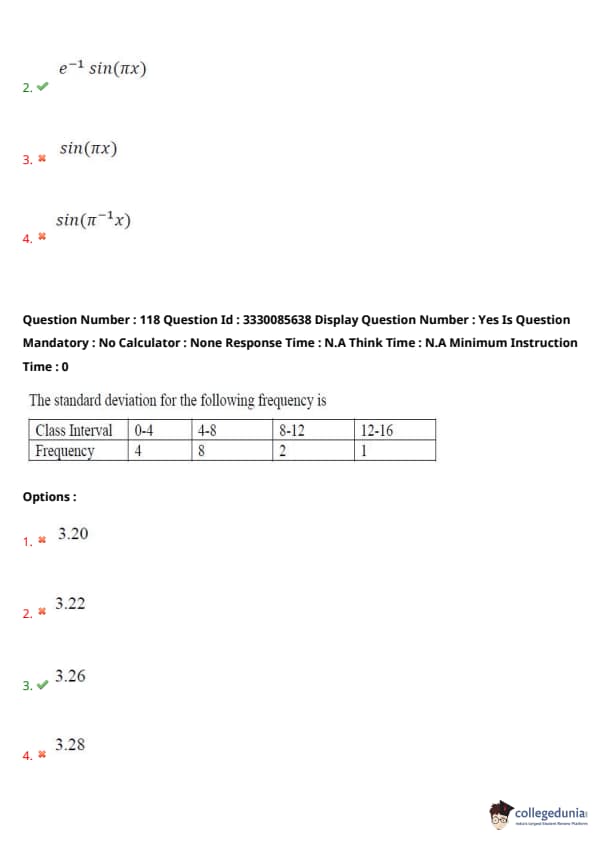
- (2) \( e^{-1} \sin(\pi x) \)
- (3) \( \sin(\pi x) \)
- (4) \( \sin(\pi^{-1} x) \)
Question 118:
The standard deviation for the following frequency is
Class Interval Frequency
0-4 4
4-8 8
8-12 2
12-16 1
- (1) 3.20
- (2) 3.22
- (3) 3.26
- (4) 3.28
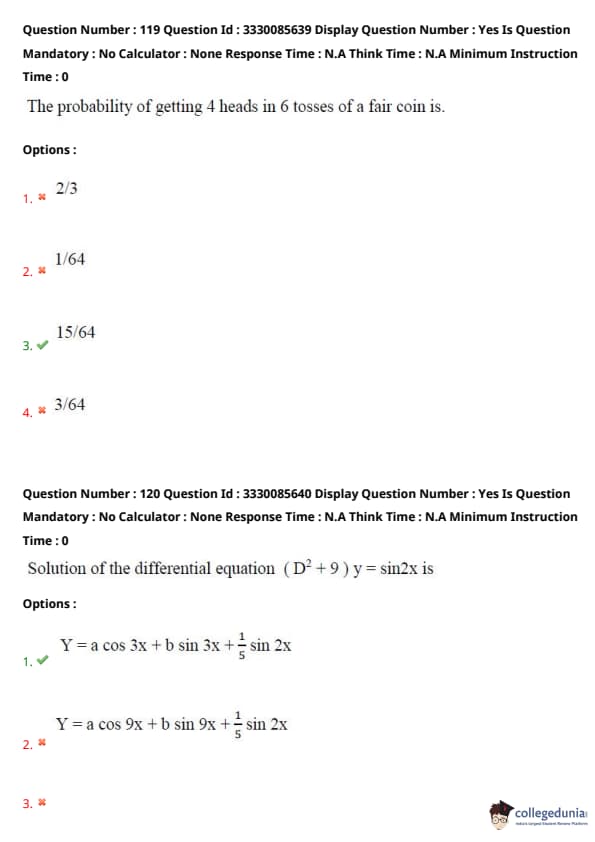
Question 119:
The probability of getting 4 heads in 6 tosses of a fair coin is.
- (1) \( \frac{2}{3} \)
- (2) \( \frac{1}{64} \)
- (3) \( \frac{15}{64} \)
- (4) \( \frac{3}{64} \)
Question 120:
Solution of the differential equation \((D^2 + 9)y = \sin 2x\) is:
- (1) \( y = a \cos 3x + b \sin 3x + \frac{1}{5} \sin 2x \)
- (2) \( y = a \cos 9x + b \sin 9x + \frac{1}{5} \sin 2x \)
- (3) \( y = a \cos 3x + b \sin 3x + \frac{1}{5} \cos 2x \)
- (4) \( y = a \cos 3x + b \sin 3x - \frac{1}{9} \sin 2x \)





 Download





Comments