



What Students Say
Likes
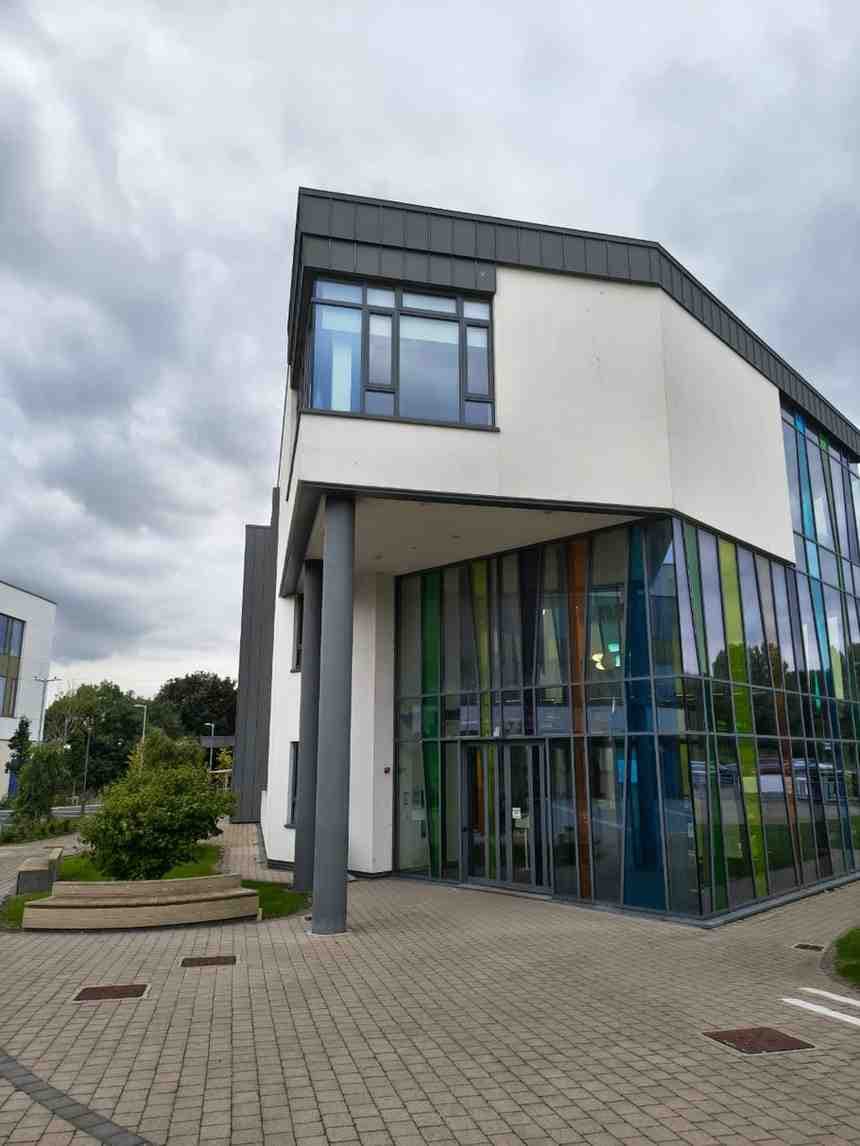
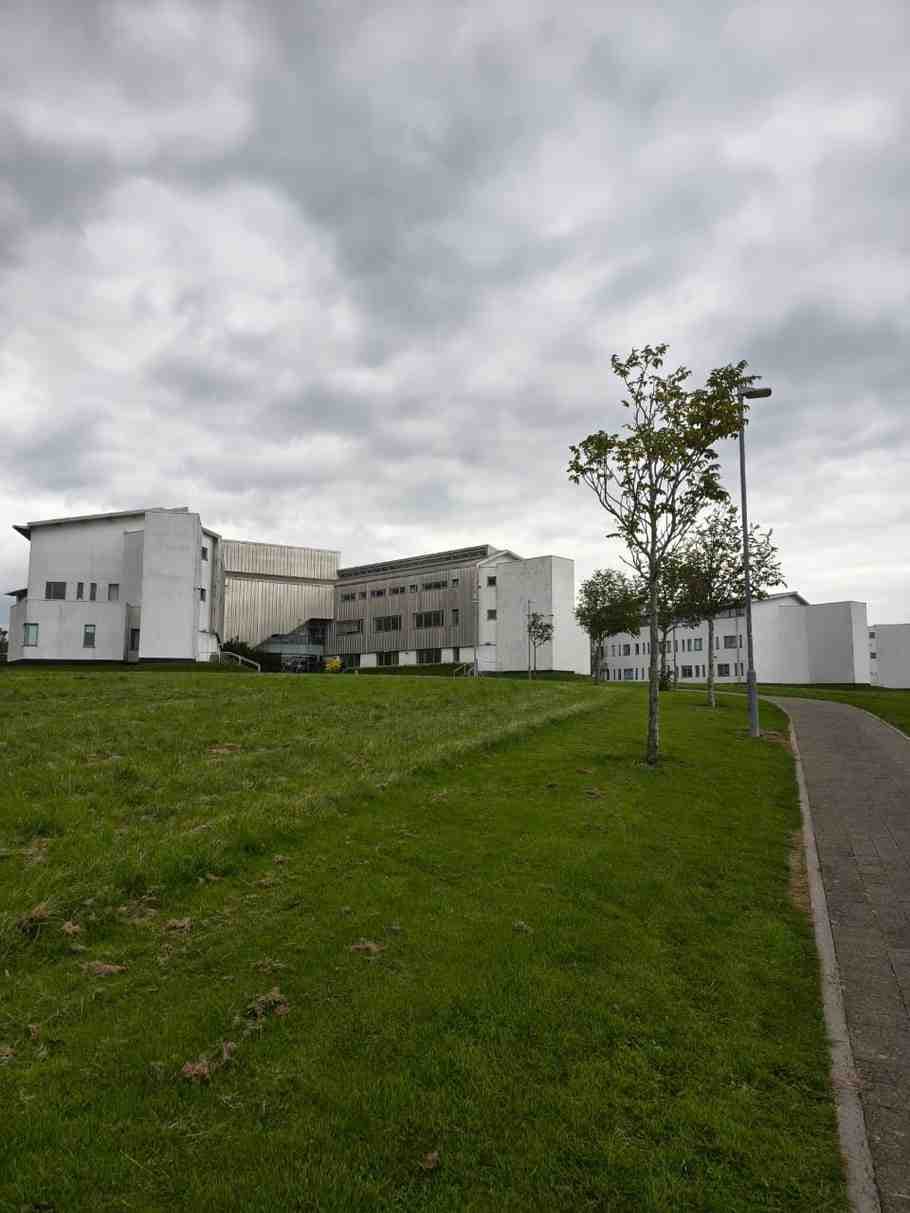
- The campus offers a positive and student-friendly environment that supports overall learning and growth.
- Faculties are very supportive, approachable, and always ready to help students academically and personally.
- A practical-based learning approach is followed to build real-world skills and confidence.
Dislikes
- The overall fees are slightly high, which may not be affordable for all students.
- The number of students in technical streams is very high, leading to overcrowding at times.
- There is a lack of diversity, with fewer students from different nationalities.
Course Curriculum
6
- The academics in my MS Cybersecurity course are a balanced mix of theory and practical work, with moderate to high difficulty. Classes run 3–4 sessions daily, each 1–2 hours.
- My batch has about 80 students, 60 of whom are Indian. The course’s practical approach is a major positive, while some subjects are conceptually dense. Faculty support and interactive learning make the experience rewarding.
Admission Experience
- I received an acceptance from NCI, which I am very happy and grateful for. However, I faced rejection from TUS, which was disappointing. I believe this may have happened because my academic marks were slightly lower than the required criteria. Still, I remain positive and motivated, and I am now focusing on the opportunities, learning experience, and future growth that NCI can offer.
- I chose this college mainly because of its course content, which matched my academic interests and career goals. For the admission process, I submitted my B.Tech. marksheet and degree certificate on their website. After a few weeks, I received the offer letter and then paid the full fees. I had an overall IELTS score of 6.5 with no band less than 6. The admission experience was smooth and well-organized.
- I applied for the September intake, and the entire admission process took about six months. Initially, I requested a conditional offer letter based on my first seven semesters' marksheets. After I received my 8th-semester marksheet and degree certificate, I submitted them on the college portal, and then I was issued an unconditional offer letter. As a result, I ended up receiving two offer letters during the process.
Faculty
8
- The faculty-to-student ratio in my course is very low at 80:1, which limits one-on-one interaction, but the practical approach in teaching helps students grasp concepts effectively.
- The course content and methodology are sufficient to prepare for jobs, though faculty do not assist with part-time placements. I admire Mark Lane from Network Security for his expertise and engaging teaching style.
Campus Life
8
- The university has 5 campuses, all equipped with a library, sports facilities, and medical services. Campus life is active, with regular events, cultural fests, and student clubs that encourage participation.
- Extracurricular activities include sports tournaments, cultural programs, workshops, and student organizations, providing opportunities to socialize, develop skills, and engage in creative and professional pursuits.
Part Time Jobs
- Very few students secure Teaching Assistant (TA) positions, and I am not aware of the pay range for these roles. There are no other on-campus jobs available for students. The maximum allowed work hours per week is 20. Overall, securing on-campus part-time jobs is quite limited, so most students focus on their studies and personal projects rather than seeking paid campus positions.
- Students typically earn around €13.50 per hour in part-time jobs. Securing part-time employment can be a bit challenging. The usual process involves searching for openings on platforms like Indeed or LinkedIn, submitting applications or resumes, and attending interviews if shortlisted. Networking and timely applications improve chances of landing a suitable job while studying.
Placement
8
- After completing a Master’s in Cybersecurity, there are good full?time job opportunities in Ireland and Europe, especially in roles like cybersecurity analyst, penetration tester, network security engineer, and incident responder. Graduates often find jobs through online job portals, networking, internships, LinkedIn, and personal outreach rather than formal campus placements.
- In similar programs, around 80–90% of students secure employment within 6 months of graduating, though this varies by year and market conditions. Average starting salaries for cybersecurity graduates in Ireland typically range from about €39,000 to €75,000 per year, with many roles offering between €45,000 and €60,000 initially; salaries grow with experience and certifications.
- Common methods to find jobs include applying on portals like LinkedIn and Indeed, networking with professionals, and engaging with recruiters. Major companies in the field include tech firms, financial institutions, and consulting businesses that hire graduates for security roles.
Accommodation
Off Campus
6
- I opted for off-campus accommodation through the university’s official living platform. The monthly rent was €715, and the facilities were adequate for comfortable living.
- I recommend that future students join the University Living platform for easier booking. My accommodation is about 10 km from campus, and most Indian students also stay in nearby off-campus housing.
Exams
- For admission to my university, I needed to submit 3 Letters of Recommendation (LOR) and take the IELTS exam. Additionally, all semester marksheets, degree certificates, and transcripts were required to complete the application process.
- There was no interview as part of the admission process, so my admission decision was based entirely on my academic records, test scores, and recommendation letters.
Fees
- I applied for an MS in Cybersecurity at TUD, where the total tuition fee for the course is €14,500. The fees can be paid either on a yearly or semester-wise basis. My transportation cost is around €40 per month.
- The estimated monthly living expense is about €850, which includes rent of €715 and approximately €130–140 for food and other daily expenses.
Scholarship
- I did not receive any scholarship during my course, and to my knowledge, none of my batchmates received any scholarships or other forms of financial aid either.
- I am not aware of the eligibility criteria, the award amounts, or how many students typically receive scholarships each year, as this information was not clearly communicated by the university or administration.


