





Reviewed on Jan 28, 2025(Enrolled 2024)
What Students Say
Likes
- The modules offered are extremely interesting and are well planned out.
- The professors are not only knowledgeable but also approachable, making complex topics easier to grasp. Most of them are field medal winners or noble prize winners.
- The student body is incredibly diverse, offering exposure to different cultures and perspectives. There are people from different walks of life.
Dislikes
- The overall course is quite intensive.
- The academic workload can sometimes feel overwhelming, making it challenging to maintain a work-life balance.
- Being in London means dealing with sky-high accommodation and living expenses.
Course Curriculum
10
- The course is quite difficult as the batch cohort has the students from all top universities from around the world with excellent academic record and well as a holistic profile.
- The courses where a mix of both theoretical and practical concepts.
Admission Experience
- Applied to
- Imperial College London - Accepted
- New York University (NYU) - Admitted
- Columbia University - Admitted
- ETH Zurich - Rejected (Most probably as they consider extremely high CGPA candidates(9.7+/10) or candidates with research work under their professors at ETH)
- University of Manchester - Admitted
- University College London (UCL) - Admitted
- University of Edinburgh - Admitted
- KTH Royal Institute of Technology- Waitlisted
- I chose MSc Advanced Computing as its one of the most famous and highly demanded degree at Imperial College London. In this course I have the option of selecting 9 modules from 40 different modules and a MSc Thesis. This is a 1-year course so its extremely intensive, as it combines the 2 year workload into 1 year, but by this way it saves 1year of the student.
- Admission Process:
- The admission process is rigorous. One needs to submit all his/her documents including transcripts, CV, SOP, 2 LoRs, Research Publications and Scores.
- GRE Scores for this subject is optional.
- IELTS score are compulsory.
- They mostly emphasis on your Research Profile, Transcript and Work Experience while selection of candidates. LoRs also play a huge role.
- There also might be interviews and it differs from candidates to candidates. I personally didn't have one.
- I applied for the Fall Intake. There are majorly two types of intake: Fall and Spring. Fall (August/September) is normally considered the best one, as it offers more seats, scholarships as well as the job/internship timeline after graduation is suitable. Moreover most of the courses have their seats filled up in the Fall Intake itself. Also, during Fall intake, multiple part-time jobs are opened, so its easier for international students to get one.
- For me it took around 3 months. I applied in Jan and got my decision around the end of March. Normally the multiple stages which includes application being reviewed by the college, if passed it gets to the department and if required interviews are scheduled. Interviews depend upon your profile as well as the department.
- I personally didn't have the interview stage. The acceptance letter also comes with certain conditions if applied in your final year like a threshold GPA after your final year for the unconditional offer letter.
Class Schedule
10
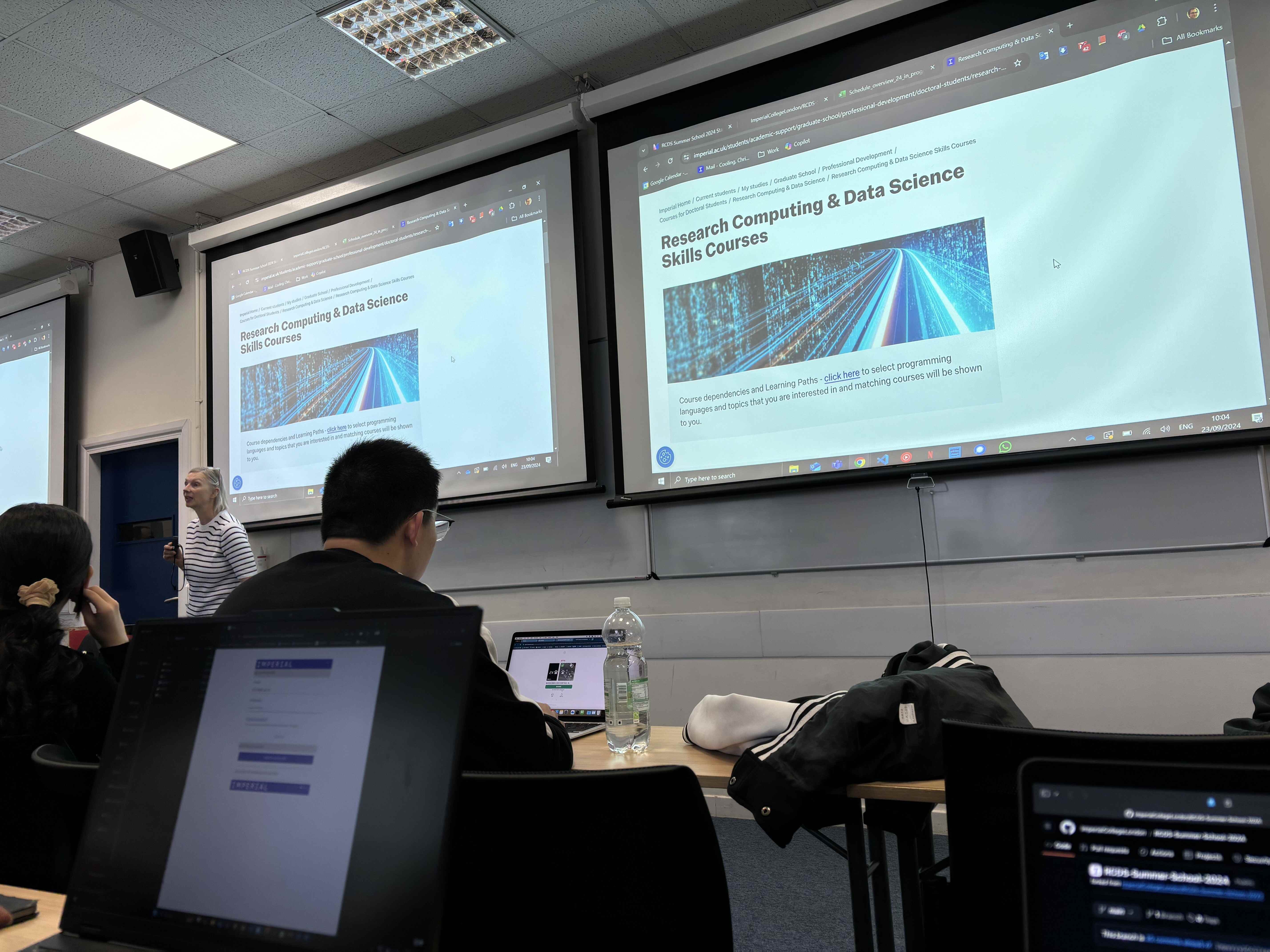
- Typically, there are 1-2 classes scheduled per day, each lasting 1.5 to 2 hours. Classes usually begin around 9:00 AM and extend till 6:00 PM, with breaks in between for lunch and self-study. However, the schedule can vary depending on the course load and elective choices.
- The average class size is around 50-60 students. If a course is very popular the class size might get extended to 150-170 students and will be either conducted in big halls or online.
- The Diversity of the batch is quite high mainly dominated by Chinese, Indians, Europeans and Americans.
- In my course there are around 8-10 people from India from around 50-60 batch size of each course.
Faculty
10
- The faculty to student ratio is quite good. Apart from professors, we have TA's and PHD students to guide us through our doubts. Also there is a online discussion board for each module where the professors answers the doubts. Furthermore each student has a personal tutor who meets every 2 months to discuss any issues pertaining to the student's life in the college.
- The teaching approach adopted by the faculty is a blend of lecture-based instruction, case studies, and practical problem-solving. Some profs bring there research equipment from there labs to make us understand the concept. The teaching methods totally depend upon the faculty. Some are really good and some are okayish.
- While formal job placement assistance is provided by the university's career services, many faculty members also go the extra mile to help students. Some offer opportunities after being through a research project under the prof.
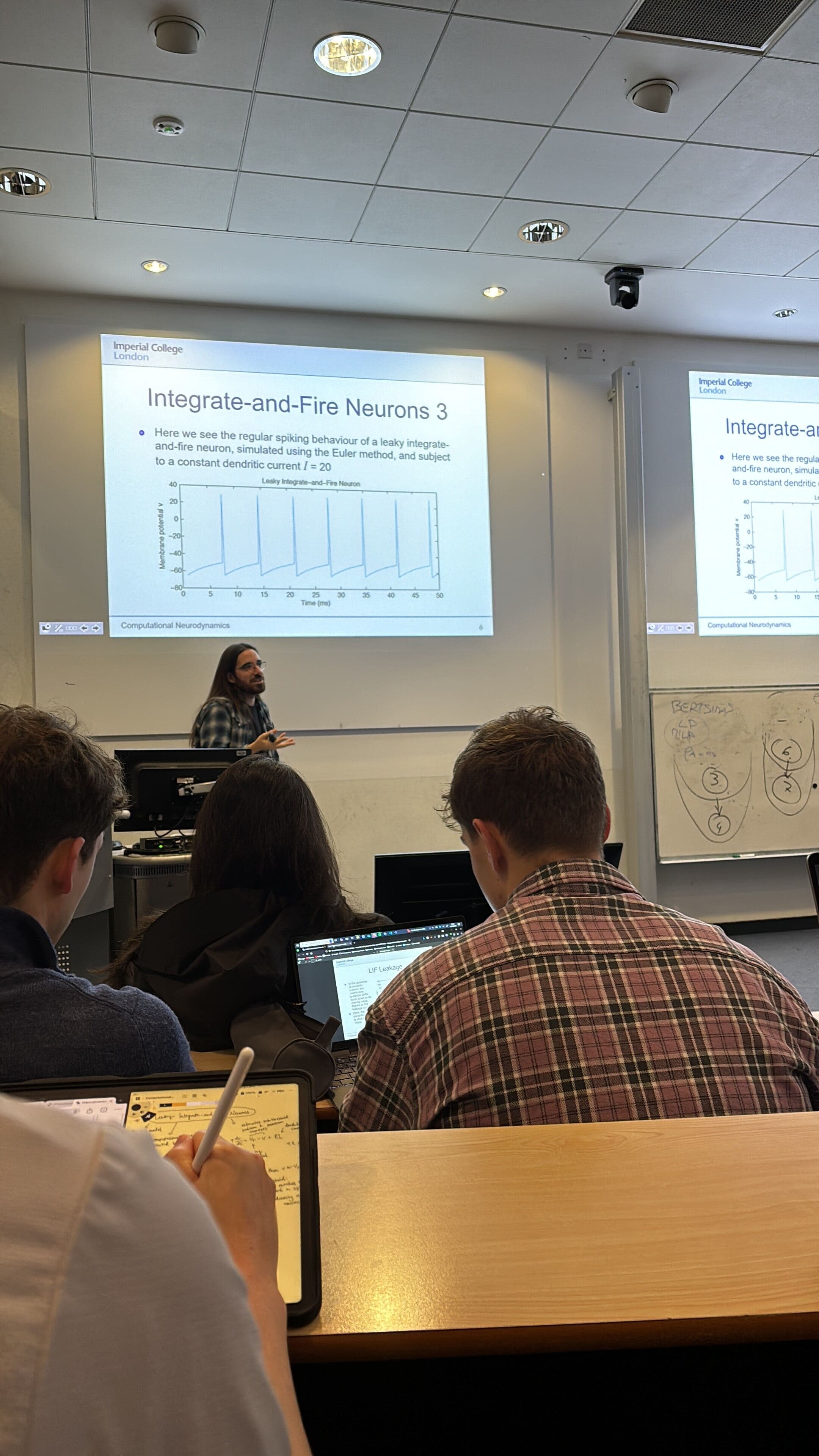
- One of the faculty members I greatly admire is the Prof of "Computational Neurodynamics". He did make the subject extremely interesting and always started the lecture with some video or research article pertaining to the topic.
Campus Life
10
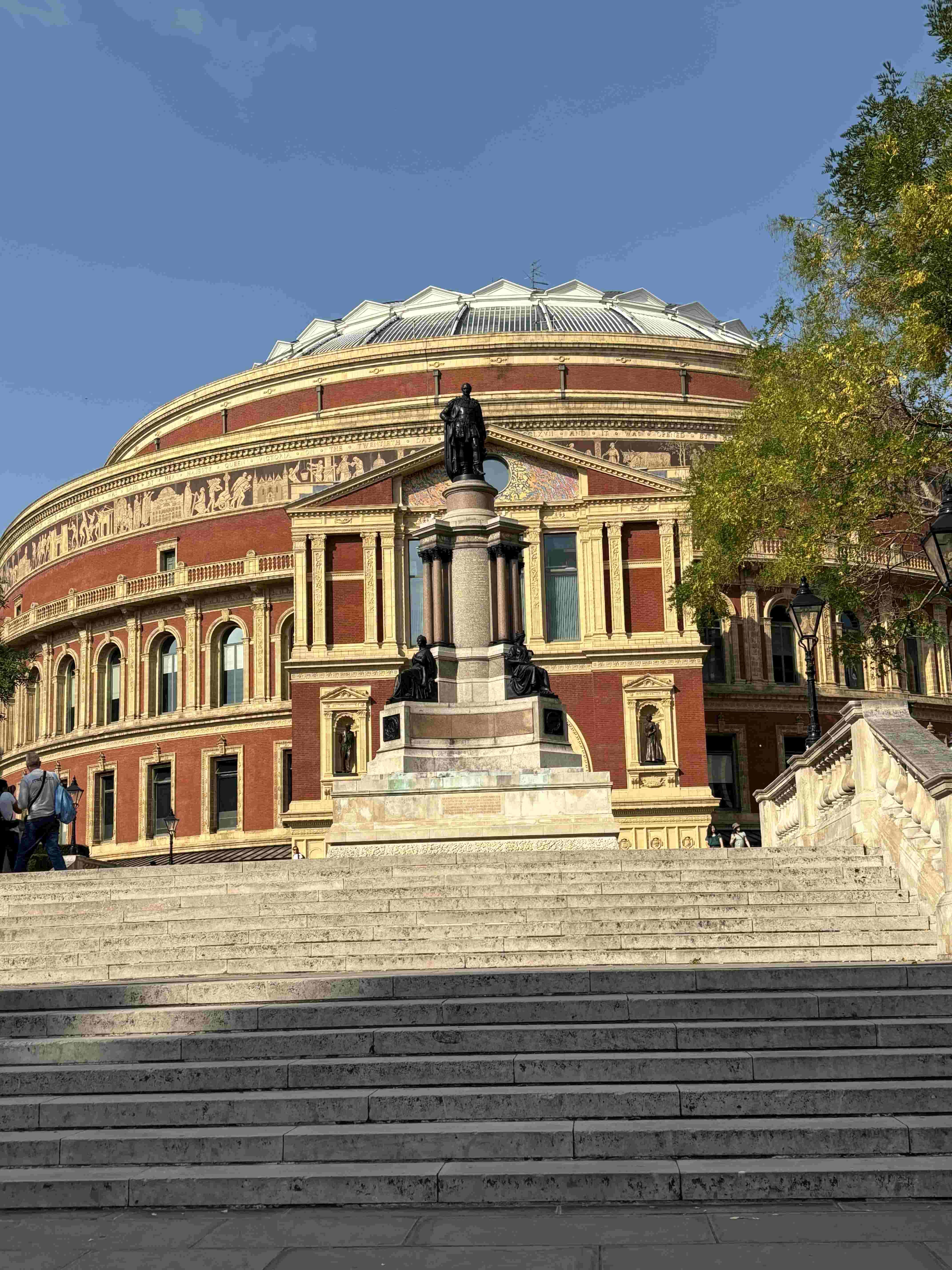
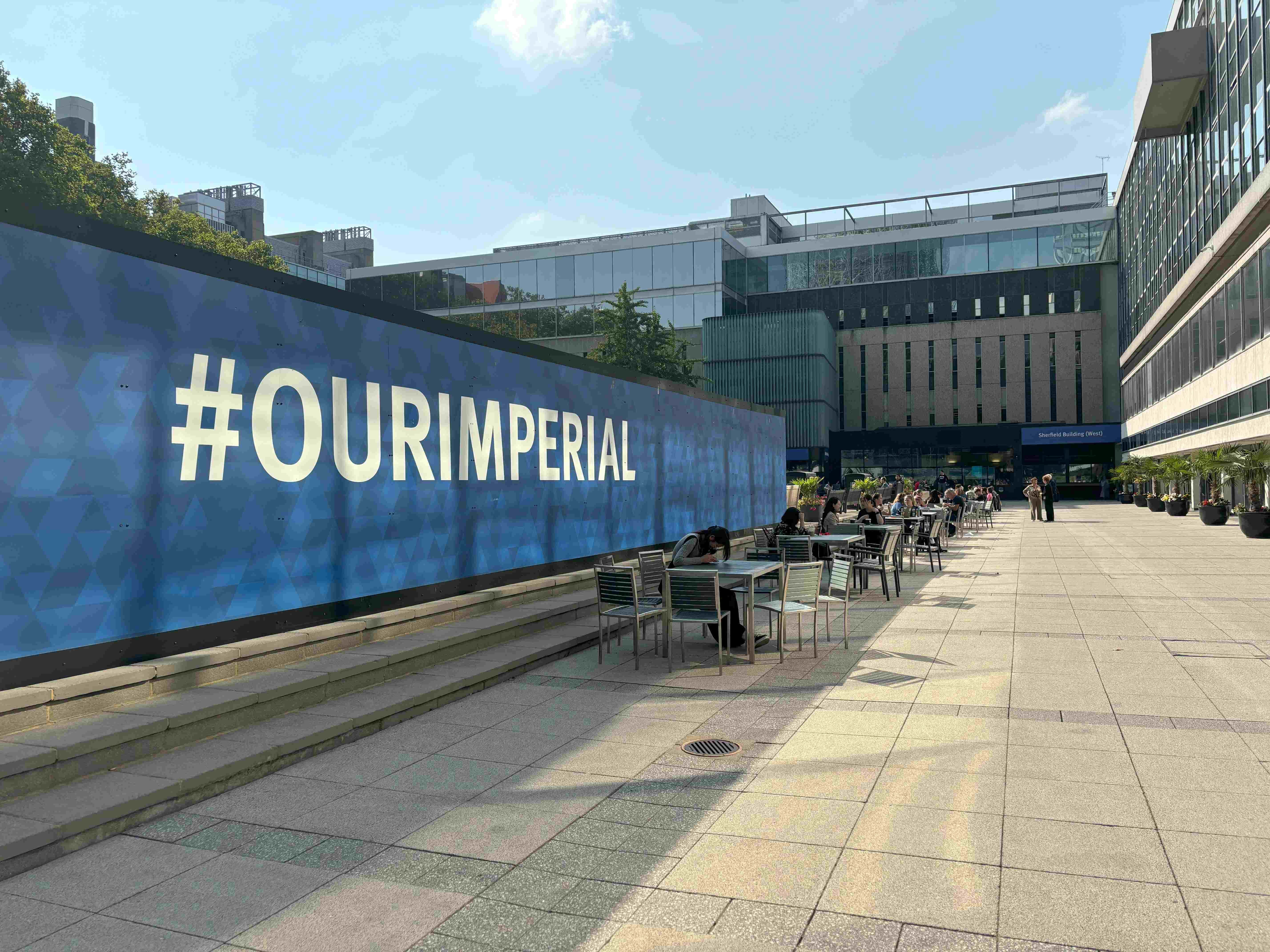
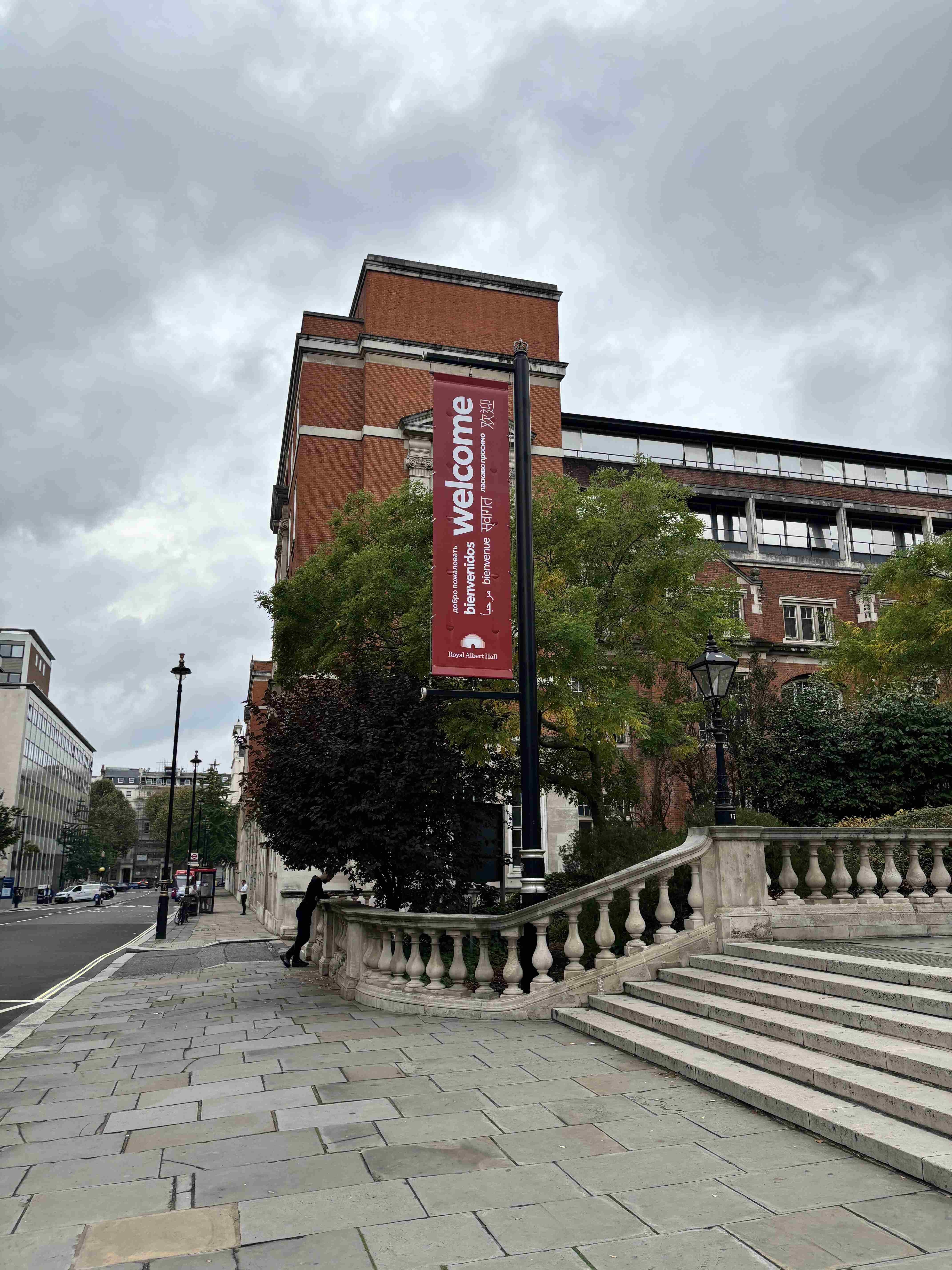
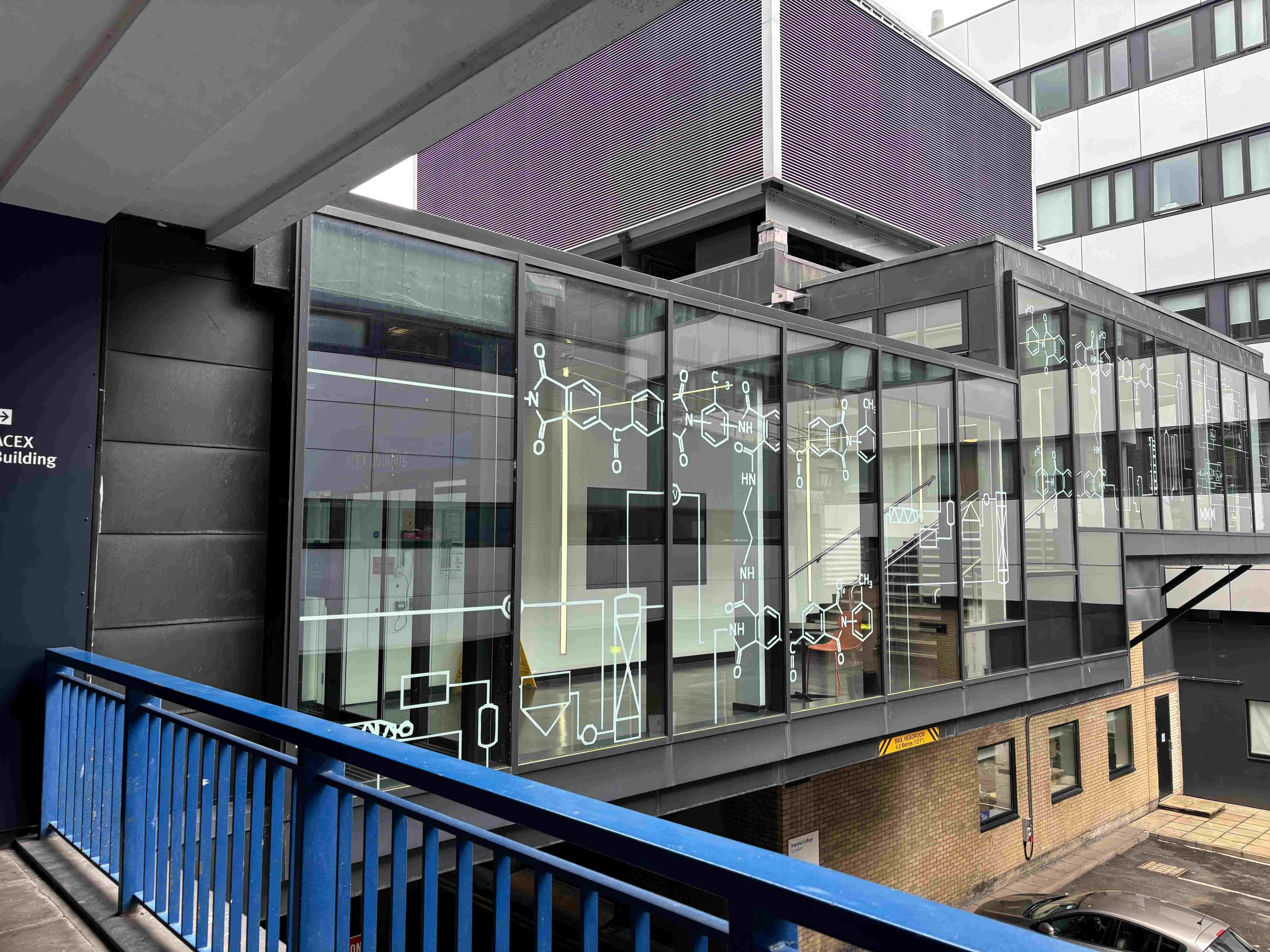
- Imperial College London has its main campus in South Kensington, along with others like White City, Charing Cross, and Hammersmith, each focusing on specific fields.
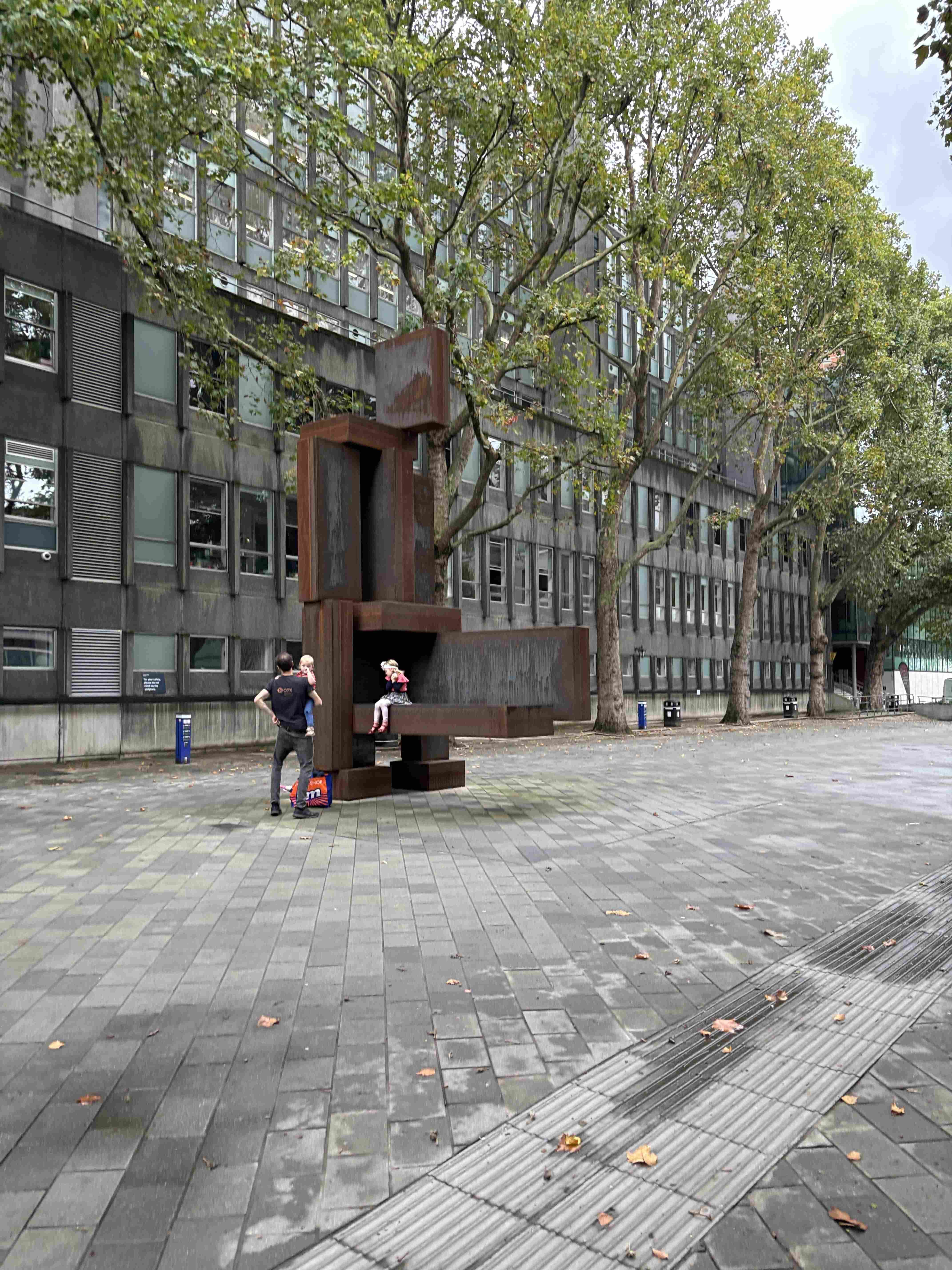
- The South Kensington campus is lively and well-equipped with a large library, sports facilities, medical services, and peaceful green spaces. I am part of the South Kensington campus.
Part Time Jobs
- Master’s students typically doesn't have any TA, RA positions as the course is of one year and is academically very intensive.Students can approach a professor, but it totally depends on the workload. MS students have academics, research and other work during the 1 year tenure, so managing a RA/TA positions becomes quite difficult. Most of the RA, TAs at Imperial are PHD students.
- The pay range depends from professors to professors and also depends on the department. It might range from 15 GBP - 30 GBP/hour, but do take this with a pinch of salt as it depends on lot of criteria.
- There are a lot of on campus jobs available like library assistant, in Imperial stores, student representative,etc. The wages are usually 10 GBP- 18GBP/hr. As an International Student you can work for only 20hrs/week. Most people start with an on-campus job from Day 1 itself, but for Masters students its a bit uncommon due to their intensive course.
- For International Students, during teaching term it's 20hours/week and during holidays it’s 40hours/week. For residents there is no barrier to this.
- It’s competitive, as most apply before the start of their academic year. But with the right skills set, you will get a part-time campus job. Do get in touch with the college representatives and college administration as they look for lot of students to do most of the jobs in the admin part.
- As mentioned earlier it’s 15 GBP - 30 GBP/hour depending on what job they are doing.
- It’s competitive doesn't matter from which nationality you belong from, as most apply before the start of their academic year. But with the right skills set, you will get a part-time campus job. Do get in touch with the college representatives and college administration as they look for lot of students to do most of the jobs in the admin part.
- At Imperial College London, students looking for part-time jobs typically start by exploring opportunities through the university’s Careers Service, which provides resources like job boards and career fairs tailored to student needs.
- Many also search online platforms such as LinkedIn, Indeed, and student-focused websites like Unitemps or Handshake portal. Also, some part-time jobs have group discussion rounds between multiple students. It's always recommended to have part-time jobs through referrals.
Placement
10
- Most students secure employment within six months of completing the course, with an employment rate of around 85-90%. Among the whole UK, the highest salaries are offered to the graduates of Imperial College London according to the country rankings.
- The average salary range is typically between £40,000-£65,000 per year, depending on the role and industry. Students usually find jobs through internships, networking events, online job portals, and referrals.
- Campus recruitment is less common for Master’s programs, but the university provides career fairs and industry connections. For my course, most companies look for Machine Learning/AI Engineers or Quantitative Analysts, as London is a financial hub.
- Some graduates also goes into entrepreneurship, becoming founders or co-founders of startups. Major hiring companies include Google, DeepMind, JP Morgan, Barclays, Amazon, and startups in the tech and finance sectors.
Accommodation
Off Campus
10
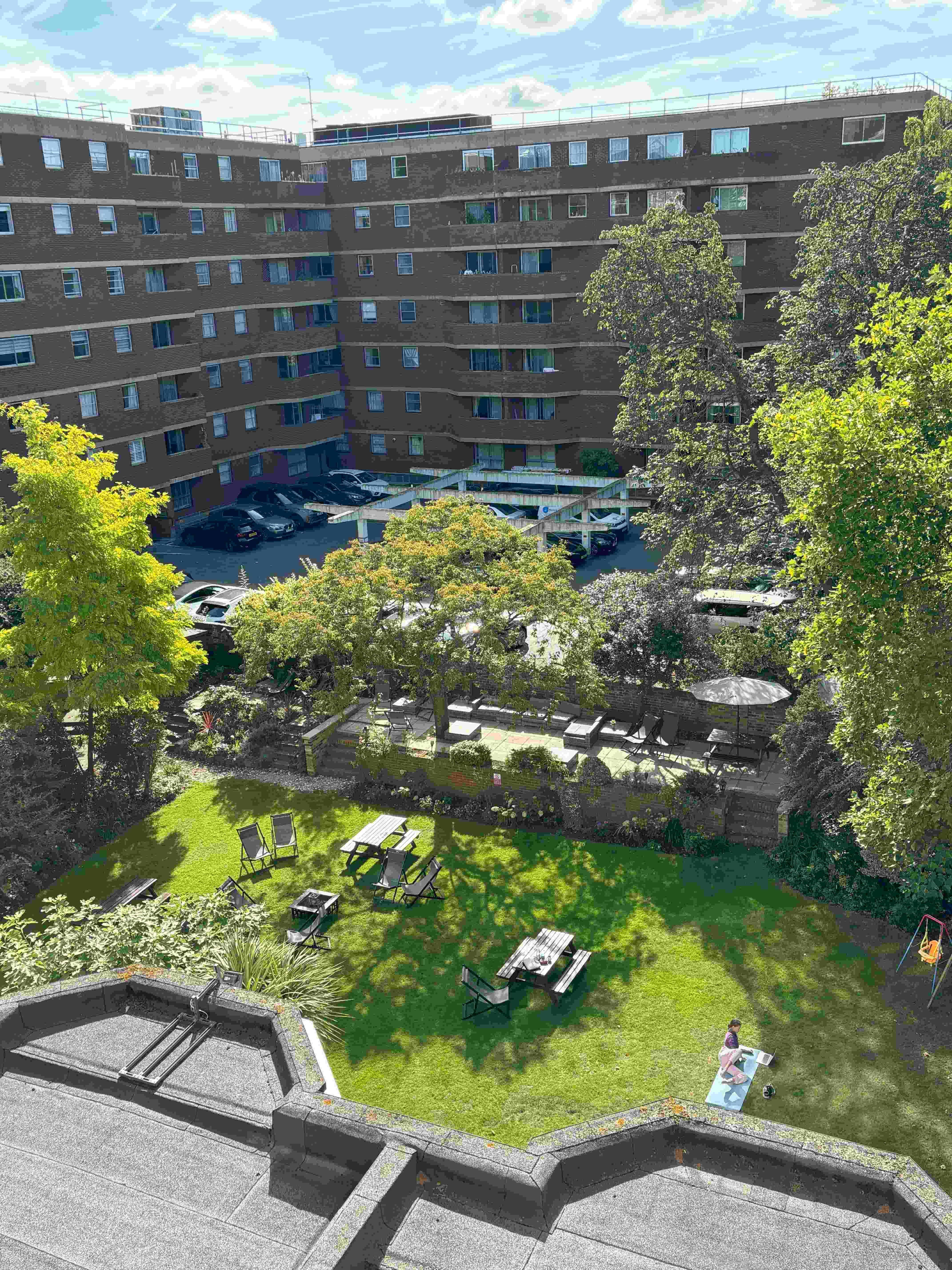
- Accommodation: Lee Abbey London
- I found this accommodation through a friend at Imperial, whom I met during Imperial's Offer Holder session. Securing a spot at this student accommodation is extremely competitive as it includes breakfast and dinner (Monday to Friday) and breakfast, lunch, and dinner on weekends. Additionally, it’s just a 10-12 minute walk from the college.
- Cost: 300 GBP/week - For Twin Ensuite Room
- 350 GBP/week - For Single Room
- The fees includes everything. Nothing else is charged.
- Other accommodations which i found nearby where very costly and didn't include meals, so had to do the cooking by oneself.
- I would highly recommend this accommodation the food is real good for Imperial Students. There is option for both non-veg and veg people.
Exams
- Admission Process:
- The admission process is rigorous. One needs to submit all his/her documents including transcripts, CV, SOP, 2 LoRs, Research Publications and Scores.
- GRE Scores for this subject is optional.
- IELTS scores are compulsory.
- They mostly emphasize your Research Profile, Transcript and Work Experience while selection of candidates. LoRs also play a huge role.
- Interviews: There also might be interviews and it differs from candidates to candidates. I personally didn't have one. The interviews that others had included technical questions and explanations of their research work.
Events
8
- There are over 300 clubs and societies for everything from sports and music to cultural activities and tech.
- Big events like the Imperial Festival and various student-run cultural celebrations bring the community together.
- Whether you’re into competitive sports, performing arts, or something unique like a tea appreciation club, there’s always something fun and exciting to be a part of!
Fees
- Tuition Fees/annual- GBP 41,750
- Since 1 year course, so Total fees was also GBP 41,750. It can be paid in one go or in 2 installments of 50% each.
- Other Expenses:
- Living Expenses: 1300 GBP/month (I live near the campus so a bit higher rent)
- Fooding & Transport: 100 GBP/month
- Overall: 1500/month (London is quite expensive)
- For others it ranges from 1000 to 2500 GBP/month. So its totally upto the individual how much they want to save and spend.
Scholarship
- Yes, there is scholarship available for the course like the DeepMind Scholarship (But Only for Girls)- It waives off the entire tuition fees. In my class there are 2 people who had received this.
- Also there are other scholarships from different government agencies.
- For Indians there is the "Future Leaders Scholarship program" given to a few students from any STEM course.


