BHU PGDJMC FAQs
Ques. Is the PGDJMC at BHU a full-time course, and do I need to attend classes regularly on campus?
Ans. Yes, the PGDJMC at BHU is a full-time, on-campus programme. Students are required to attend classes at the Department of Journalism and Mass Communication on the main BHU campus in Varanasi. BHU mandates a minimum attendance of 75% for eligibility to appear in end-semester examinations. There is no provision for distance or online mode for this programme.
Ques. I have seen mixed reviews about the BHU Journalism department online. Is the BHU brand worth it despite the concerns about faculty and placements?
Ans. This is a genuine concern raised by several alumni. The department does not have a structured placement cell, and students largely rely on self-driven internships and job searches. However, the BHU brand name carries significant weight in the media industry, particularly for print and broadcast journalism. Many students have gone on to work with national media houses. The low fee structure (Rs. 30,000 total) also means the financial risk is minimal. Students who are self-motivated and proactive about building their portfolio and network tend to do well.
Ques. Which CUET PG subject paper should I appear in for admission to PGDJMC at BHU?
Ans. For admission to the PGDJMC programme at BHU, candidates should appear in the CUET PG paper for Journalism and Mass Communication (or the relevant subject paper as specified in the BHU PG Information Bulletin for the respective year). Candidates are advised to check the PGIB carefully before registering for CUET PG to ensure they select the correct paper.
Ques. Is hostel accommodation guaranteed for PGDJMC students at BHU?
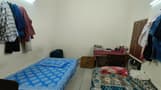
Ans. No, hostel accommodation at BHU is not guaranteed. It is allotted on the basis of a composite merit score that gives weightage to the distance of the student's home from the university (up to 20 points) and marks obtained in the entrance test (up to 80 points). Students from distant states generally have a higher chance of getting hostel accommodation. Students who do not get hostel accommodation typically arrange for city delegacy (off-campus accommodation approved by BHU).
Ques. Can I pursue competitive exams like UPSC or state PSC alongside the PGDJMC programme at BHU?
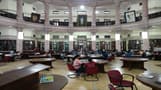
Ans. Yes, many students at BHU pursue competitive examinations alongside their regular courses. The PGDJMC programme's relatively low academic pressure (compared to professional courses) and BHU's excellent library facilities make it a popular choice for students who wish to simultaneously prepare for UPSC, state PSC, or other competitive exams. However, maintaining the mandatory 75% attendance is essential.
Ques. What career options are available after completing PGDJMC from BHU?
Ans. Graduates of the PGDJMC programme can pursue careers in print journalism (reporter, sub-editor, feature writer), broadcast journalism (TV reporter, news anchor, producer), digital media (content writer, social media manager, digital journalist), public relations, advertising, and corporate communications. Some graduates also opt for higher studies such as MA in Mass Communication or MBA in Media Management. The BHU degree is recognised across India and provides a credible academic foundation for a media career.


![Banaras Hindu University - [BHU]](https://image-static.collegedunia.com/public/college_data/images/logos/1434627772BHU.jpg?h=71.7&w=71.7&mode=stretch)


.png?h=78&w=78&mode=stretch)
.png?h=78&w=78&mode=stretch)












.png?h=72&w=72&mode=stretch)
.png?h=72&w=72&mode=stretch)





Comments