


Reviewed on Jul 18, 2025(Enrolled 2019)
What Students Say
Likes
- The Sustainable Energy Engineering (SEE) programme at KTH was carried out at a very high quality and well structured. Students had the opportunity to work with faculty and professors on latest research and (the university) had strong connections in the industry. I remember one particular example where we went to the Siemens Energy office two hours away and got a tour of the turbines division as part of our "Thermal Turbomachinery" elective course.
- Due to its strong academic reputation, KTH attracts students not only in Sweden but from all round the world - thereby creating a diverse, multicultural and international environment. The university also presents students opportunities to study abroad through partnerships with other top universities worldwide.
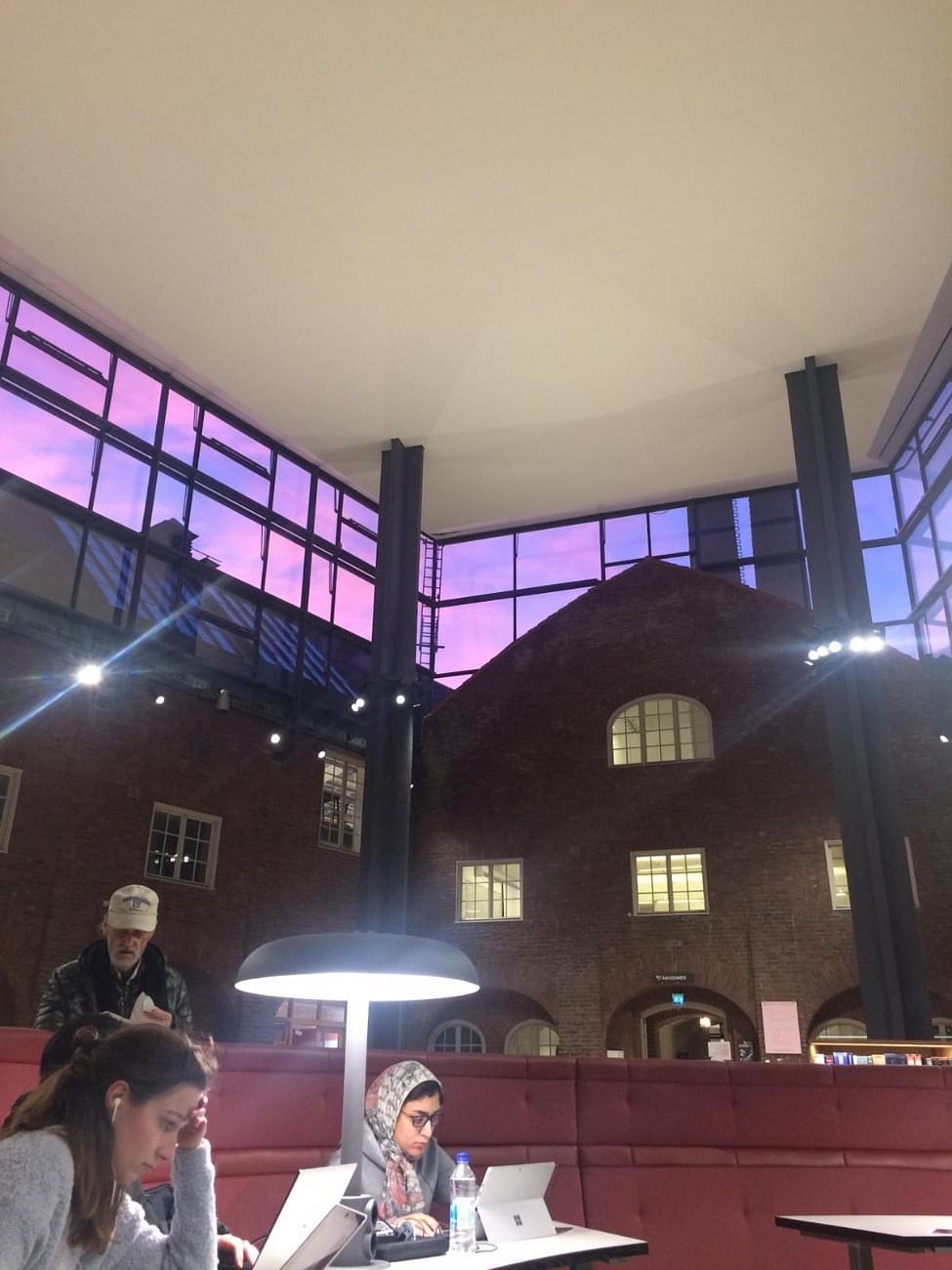
- In terms of student life and support, the university offers very strong services in career counseling, academic advising, mental health resources and language support (via Language cafes). The student union is super active, planning a wide variety of social, professional, and cultural events - and they are very well organised and conducted. Plus, the library on campus has a wide range of books and articles that can be accessed for your assignments, research and even for your own use at some point.
Dislikes
- The housing system can be stressful. KTH Accommodation's rates are exhorbitant compared to the rates offered by SSSB, the general company for student housing in Stockholm. Moreover, finding affordable and conveniently located accommodation can be a real challenge.
- In terms of socialising, there is a quasi inexistant contact with the local Swedish students which is a pity if you want to try and integrate yourself into learning Swedish culture. Plus, the locals are either reserved or already have their own established circles.
- When it comes to the teaching style, I learnt that KTH's education model relies heavily on self-directed learning. I did not have a problem per se - but it can be overwhelming to others. Incoming future students better be prepared for an intense grading system, as courses often require long hours of independent work with few continuous assessments. The exams can also be up to four hours long - so it requires a very high level of concentration to be maintained.
Course Curriculum
8
- The difficulty of the courses themselves is, in my opinion, very subjective. I think the real difficulty is probably adjusting more to a lot of independent self-study and time management between your individual assignments, group project/activities and your own individual studies for assessments/final exams. It was definitely a mix of both for certain courses for sure.
- Up to 4 classes would take place a day - a full day's classes would be, say, 8:15-10:00, 10:15-12:00, 13:15-15:00, and 15:15-17:00. But of course your schedule varied each day and it was definitely dependent on which track you specialised in.
- For the 2019 intake, our batch size was probably nearly 100 students. From the second semester, when we all split into our different tracks, we were then probably 30.
- There were nine of us Indian students enrolled in the 2019 MSc SEE program at KTH on a full-time basis; including those with common courses and who were on exchange/Erasmus programs, that went up to say in the range of fifteen to twenty.
Admission Experience
-
I applied for the following universities:
- KTH Royal Institute of Technology - Admitted
- KU Leuven - Admitted
- Hong Kong University - Admitted
- Arden University (Berlin Campus) - Admitted
- Chalmers Institute of Technology - Shortlisted (then rendered null and void)
- Linköping University - Shortlisted (then rendered null and void)
- RWTH Aachen - Rejected
- Hong Kong University of Science & Technology (HKUST) - Rejected
- Norwegian University of Science & Technology - Rejected
- Aalto University - Rejected
- ETH Zurich - Rejected
- Swiss Federal Technology Institute of Lausanne (EPFL) - Rejected
- The universities which have "Admitted" next to their names were the ones which I received a confirmed admission. Likewise, those which have "Rejected" next to them were the ones from which I got a rejection. Mind you that my applications for the above listed universities were all for the August-September intake of 2019, so a lot may have changed since then.
- I do not think I can pinpoint any specific reason as to why I got rejected by those stated in the aforementioned list. It could have been for different reasons - the most likely would be either a lack of professional experience or due to knowledge and skills gaps which my Bachelor degree education did not cover. Especially in the case of the latter, this could have resulted in me being less of a match to the respective programme requirements of those universities as compared to others. Having some European universities in there, what could have also contributed to my rejections was not having the minimum proficiency of the respective European language which is most strongly associated to that particular country (as that is always advantageous).
- It was a passion of mine to play my role in facilitating the transition to climate neutral, green energy. Since 2018, I wanted to look to contribute in finding innovative solutions to the energy industry’s most challenging problems as well as learn and grow alongside experienced industry experts. When I found out about the MSc in Sustainable Energy Engineering (SEE) at KTH, it came to my mind that it was the ideal stepping stone for me to specialise as a Mechanical engineer with a focus on sustainable, renewable energy. I chose KTH - and the SEE MSc - since it equipped me with skills, knowledge and insights into leadership, industrial challenges, innovation and entrepreneurship in the energy field. The programme provided an atmosphere and learning environment that fosters global responsibilities and sustainable development. Additionally, the emphasis is placed on dealing with energy engineering tasks with due consideration of technical, environmental and socio-economic issues.
- Again, the following below is from my recollection for the 2019 intake (so a lot could have changed since then)!!!!!!
- As far as the accepted exams go, I took the IELTS only - and I would say to have a minimum score of 7.0 overall. One could take the TOEFL too.
- For Swedish universities, I had to create an account on the "University Admissions" website. I did this in October 2018. Logging into my account, I submitted all my documents - CV, cover letter, transcripts (Class 10, Class 12, Bachelors) and Bachelor degree certificate - into my online file. For KTH specifically, they had a "Supplementary Sheet" Excel template which I had to fill out, detailing common courses relating to my Bachelors degree and the number of hours I studied those respectively. I remember ranking my universities in terms of my preference of admission. The idea of the online file was that all universities I wanted to apply to had access to my required documents. Once the mid-January deadline in 2019 passed, KTH started their review (as it was my first choice) - and I heard nothing from them or any of the other Swedish universities till early April that year, when KTH sent me the admission letter. Because I got admission into my first choice university in Sweden, my other two application requests to Chalmers and Linköping were rendered null and void. I also did not have any sort of admission interview either - whether by video or telephone.
- My takeaway was despite the application itself and submission of documents happening smoothly, it would have been good to not have waited that long for a big decision. Application statuses and other information could have been mentioned to me by the university itself or either the "University Admissions" team whenever I sent email queries during the waiting time.
- I applied to the August 2019 intake (as mentioned before). The main factor influencing my decision was the reputation of Sweden as a world leader championing renewable energy and sustainability. Plus, I had never been to Sweden before - so I looked at it as an opportunity to travel to a new country, make new connections and experience a totally new culture. Coming to KTH, factors included the reputation of the campus itself and its academic programmes, its connections to the industry, the extent of research being carried out in a large variety of fields, the opportunity to take part in different events throughout the year and the diverse, multicultural, international environment I wanted to seek.
- The admission process lasted from October 2018 to April 2019. It started with the submission of the documents onto my "University Admissions" account in October 2018, as that was when application windows opened. The application deadline for Swedish universities closed in mid-January 2019. The application window for those students looking for scholarships opened from 1st December 2018 and also closed in mid-January 2019 as usual. I received my admission letter on 4th April 2019. Once having accepted the decision, the payment for the first semester fees (SEK 77,500) opened in mid-April 2019 and the deadline for that was 31st May 2019.
Faculty
8
- As touched upon in my previous answer, we were, say, nearly 100 of us to just one professor per course for the first semester - that became, say, in the range of 20-40 students to one professor per course from the second semester onwards. I would say that a smaller faculty-to-student ratio is more favourable, as in-class discussions become more interactive. Participation from students has definitely increased, and as for the faculty, I feel like it would be easier for them to impart the course teachings to a smaller class than a larger one.
- Yes, I would say that the program courses and teaching courses provided an advanced education in solar energy, power generation, energy utilisation and transformation of energy systems. Students gain a multidisciplinary foundation in energy engineering and skills to manage complex energy-related problems with a lifecycle perspective. The program equips students with skills and insights into leadership, industrial challenges, innovation and entrepreneurship - which definitely come into play when in the job hunt. The class discussions provided an atmosphere and learning environment that fostered global responsibilities and sustainable development.
- I do not remember any of the faculty helping students in finding work - whether part-time or full-time - through their references or personal networks, as per my recollection. Though I would imagine the scenario may be different if students and faculty got really close, developing that strong professional student-teacher bond.
- From the faculty, I have the highest of regards for Joachim Claesson, who had very sound knowledge of "Sustainable Energy Utilisation" and drilled us into learning the concepts through in-class problems in the first semester. Rafael Guedez is a specialist in the Solar track and its courses. Special mention to my thesis examiner, Francesco Fuso-Nerini, who happens to be the director of the KTH Climate Action Centre and an expert in the track of "Transformation of Energy Systems."
Campus Life
8
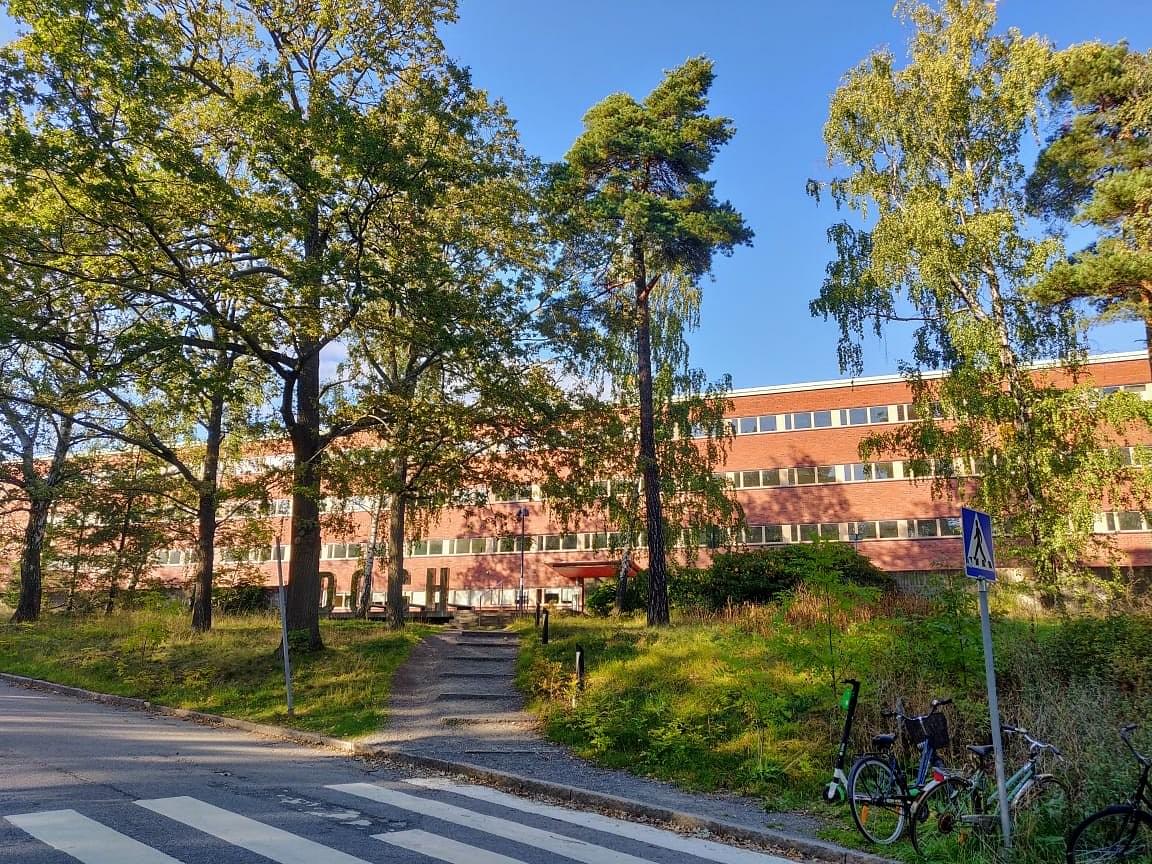
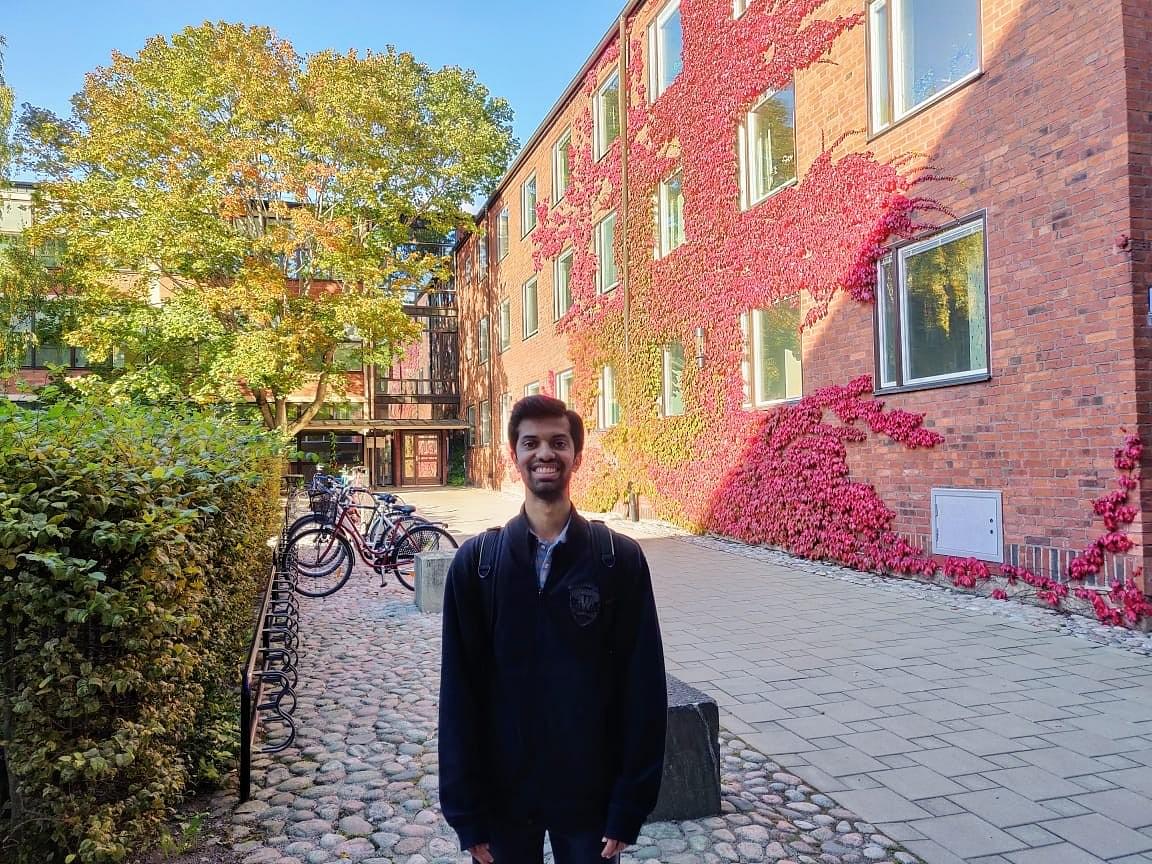
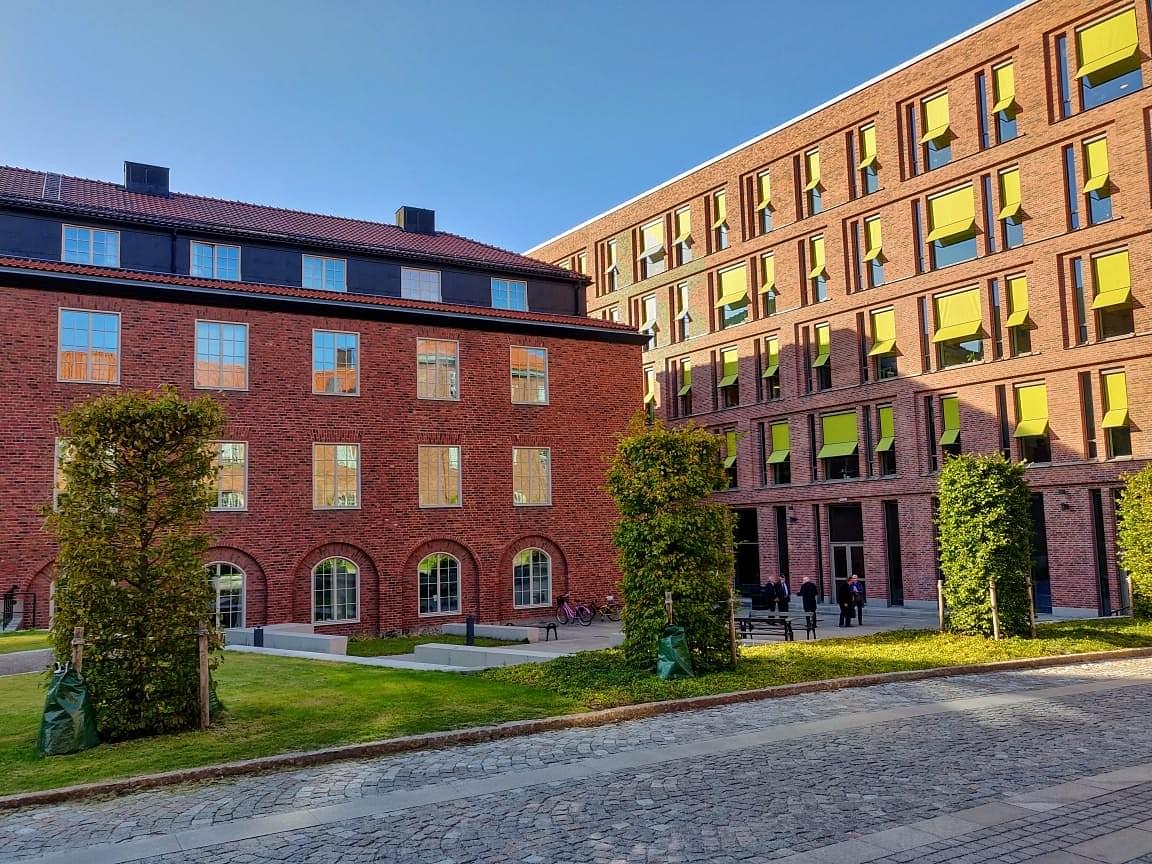
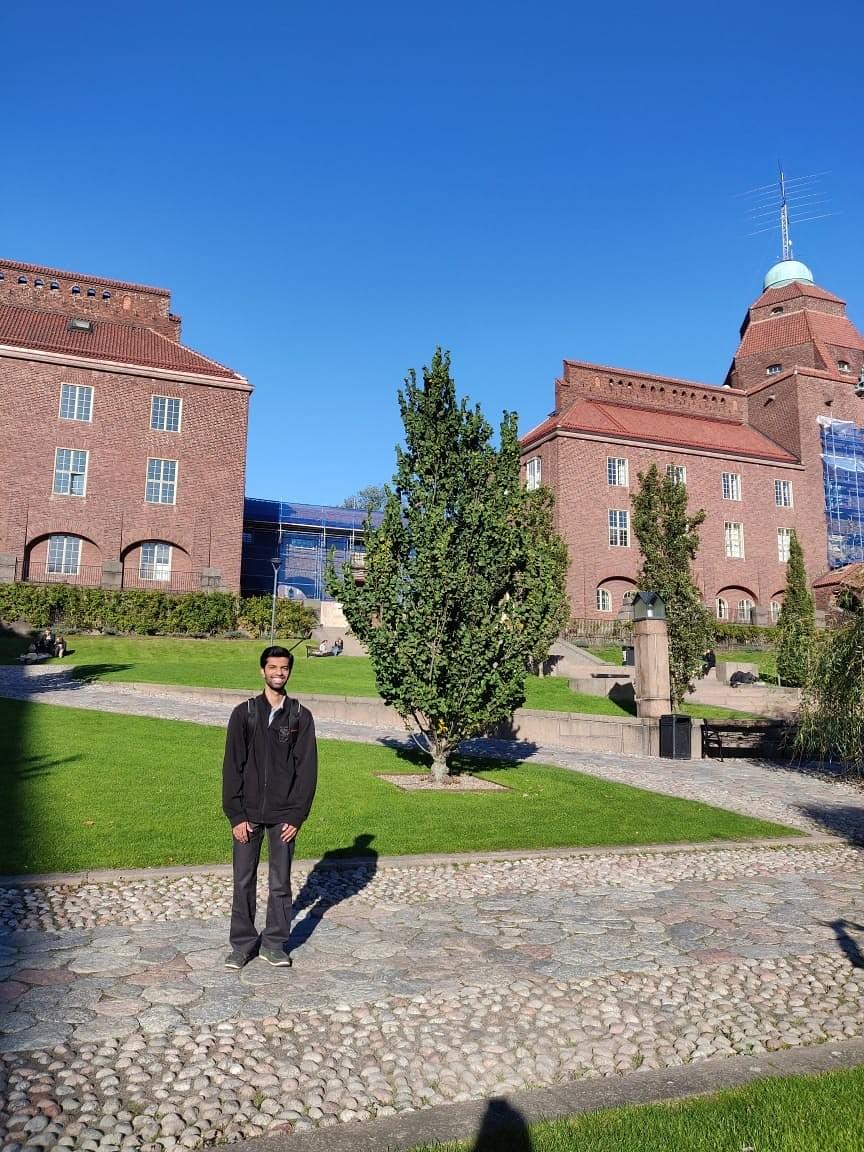
- KTH has a total of five campuses presently - the main campus in Stockholm (also known as "KTH Campus," located on Valhallavägen); plus four campuses in the city suburbs - one in Flemingsberg, one in Solna, one in Kista and the other in Södertälje (called "KTH Flemingsberg," "KTH Solna," "KTH Kista" and "KTH Södertälje," respectively). However, the programs in the Kista and Södertälje campuses are being relocated to the main campus and the Flemingsberg campuses at the moment, with completion of this in 2027.
- Facilities include a world-class library (called "KTH Biblioteket"), the gym with sports facilities (called "KTH Hallen"), several on-campus restaurants/cafes, an "Equality Office" that coordinates and supports KTH's work on gender equality, diversity and equal conditions, plus study and career counselling services to help you develop effective study strategies and to make informed choices in your study situation. Not to forget, being a KTH student entitles you to well-being services provided by Stockholm Student Health Services.
- The main student organisation of KTH is the "Tekniska Högskolans Studentkår" (THS). It is run entirely by KTH students and consists of 22 different Student Chapters which are connected to different areas of study; every program belongs to a specific Chapter. Its main purpose is to monitor and contribute to the development of the education and the study conditions at KTH. The union offers skill development and networking and boasts one of the biggest student career fairs in Sweden—THS Armada. Every August and January, during the student intake periods, THS organises the THS International Reception - a welcome reception for all new master's and international students at KTH—aiming to provide various events that suit different interests but also allow students to explore new hobbies.
- The other student organisation is one called "Flavours," which mainly comprises the Indian students. Their aim is to develop and carry out activities for students at KTH to increase interaction between the Indian and international communities and to enhance the overall image of KTH as a more diversified university. It organises various cultural, diverse, and educational activities to encourage knowledge gathering of different cultures, develop their skills to work in an international environment, and share knowledge and experience from different fields.
Part Time Jobs
- About teaching assistants (TAs), I would imagine they are common but limited. They would normally be Master or PhD students who in particular have excelled in specific courses. For research assistants (RAs), I am quite positive it would depend on the available research funding, grants, and active projects in each department; some opportunities appear on internal job boards. I do not know numbers, though. Admin roles under KTH Innovation or specific departments as department assistant (DA) positions are less frequent and often part-time - probably less than five, I reckon.
- I would imagine part-time opportunities on campus would include working with THS, waiting in one of the on-campus restaurants or even assisting at the library.
- I do not know information regarding the pay range for TA/RA/DA positions and other on-campus part-time work - or also how easy or difficult it is to secure part-time jobs on campus, unfortunately. Also, I do not know the required maximum hours per week.
- I apologise, as I never applied for any part-time jobs whatsoever. The hourly wage a student earns while working a part-time job is dependent on the type of job itself. I cannot say, but I would imagine it is not easy to secure any type of employment, be it full-time or part-time. I would think the usual steps involved would be (in order) searching for job openings, submitting applications or resumes, attending interviews and any other relevant procedures; some part-time work especially may not involve resume/application submissions.
Placement
8
- I would think it is safe to say a fair percentage of your graduating batch secures employment within 6 months of completing their respective programmes - though I would not know exact numbers.
- Average salary range is very dependent on the program students graduate from; I would probably say gross starting salaries for graduates would be approximately SEK 35,000-40,000 on a monthly basis.
- Like touched upon before, THS Armada is the career fair organised annually that has grown to become one of the largest in Scandinavia. Students can meet various companies who set up respective counters/stalls and build their professional networks with the various company representatives.
- The most common methods I would probably say students find jobs would be through the expansion of their professional networks (mentioned above), converting their internship and thesis opportunities, or through job boards (I would say LinkedIn is the most popular one!!!). If you have the innovative entrepreneurial brain, students get support to commercialise their business ideas, and over 10 percent of KTH Alumni go on to start their own company via KTH Innovation.
- Major companies that take students from the MSc SEE program include Vattenfall, Scania, Stockholms Exergi and Hitachi Energy to name a few.
Accommodation
Off Campus
8
- I opted for off-campus accommodation, as it is definitely cheaper than that available on campus. So we Indian students of the 2019 intake formed a WhatsApp group and decided to try and find accommodation together. Most of us were in touch with the university's team for arranging accommodation - called "KTH Accommodation." They got in touch with us - including me - and enquired about preferences before allocating us with rooms. I had no problems with them, as processes were smooth.
- Having my room contract with KTH Accommodation, I was paying SEK 4500 rent. This was with an attached bathroom, a table with two chairs and a bed. From the second year onwards, a lot of Indian students changed contracts and moved over to sign with the city's local student accommodation monopoly company - known as "Stockholms Studentsbostader" (SSSB)—albeit trying to stay within the same accommodation campus since their rates were cheaper than those of KTH Accommodation.
- My accommodation was at the next metro station and a bit of a walk away from the university - called "Lappis." Most of the Indian students stayed in three different student accommodations - either in Lappis, "Strix," or "Teknikringen" (the latter for those staying on campus), if I remember rightly.
- My advice for incoming students would be to try and enter the SSSB queue straight away so that you'll be able to get a room on one of their contracts sooner than KTH Accommodation's. Plus, the latter only allows for a one-plus-one-year basis, while you can stay on an SSSB contract as long as you prove you have courses you're still studying.
Exams
- As touched upon before, I would say giving the IELTS or TOEFL for proof of English proficiency. The GRE would be a solid alternative if the university accepts that now.
- The necessary documents included a CV, cover letter/statement of purpose, transcripts (Class 10, Class 12, Bachelors), Bachelor degree certificate as well as letters of recommendation. For KTH specifically, they had a "Supplementary Sheet" Excel template, which I had to fill out and submit to them, detailing common courses relating to my bachelor's degree and the number of hours I studied those, respectively.
- I had no interview as part of my admission process.
Fees
- Once again, the following are 2019 numbers.
- I paid SEK 310,000 for the entire two years (SEK 77,500 paid each semester).
- My monthly expenses would be approximately SEK 9,000. A rough breakdown of this would be SEK 4000 for rent, SEK 800 for all public transport means, SEK 2000 for food, SEK 300 for healthcare insurance and the rest would be either miscellaneous expenses or kept aside for emergencies.
Scholarship
- I did not receive any scholarship during my program there, so I do not know what the award amount was.
- However yes, one of my batchmates did receive the "KTH India Scholarship." The scholarship covered the tuition fee of a two-year Master degree provided the overall grades/results from the first year were up to a certain minimum standard, which also included a monthly living allowance during the first academic year.
- There are four KTH scholarships, three offered by the Swedish Institute and five granted by KTH-associated scholarship organisations - leading to a total of twelve. Hence, twelve students on average would be receiving scholarships each year. I do not know what the typical award amount would be, though.


