



When most people hear “Goa,” the first thoughts that come to mind are its golden beaches, the festive vibe, and Portuguese-style housing. But for the architecture students of Parul University, Goa recently became something far more valuable: a living classroom for understanding how cities are shaped, kept alive, and regulated.
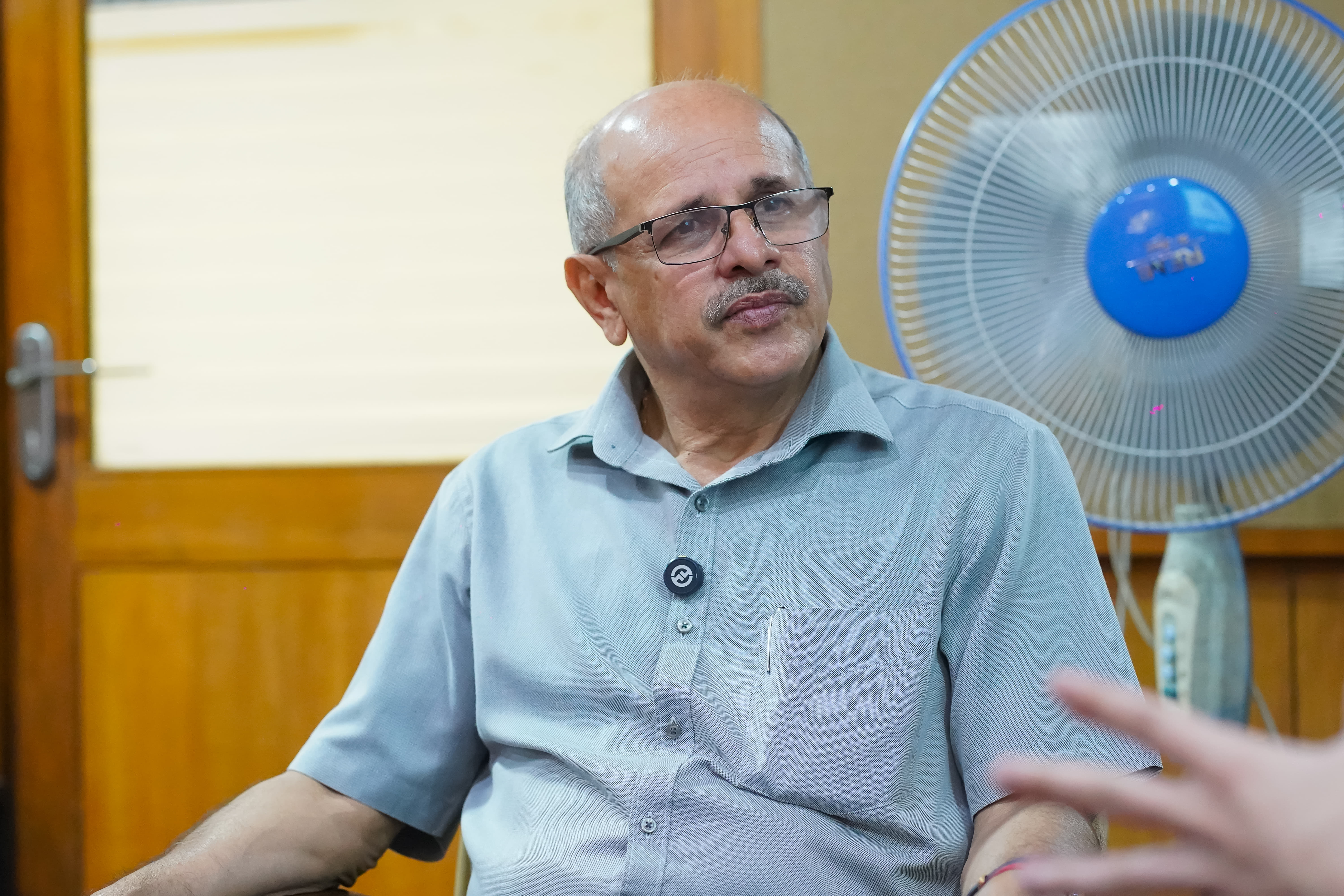
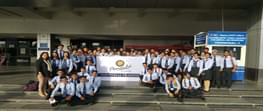
During a practical learning tour, the students visited the Department of Town and Country Planning Organization, Goa where they had an opportunity to meet with Mr. Rajesh Naik, the Head of the Town Planning Department. His observations revealed a kind of world which is beyond bricks and mortar, the changing structure of acts, rules and building laws that ensure the way Goa develops yet retains its cultural core.
Evolution of Acts, Rules, and Regulations in Goa
Goa’s urban growth has never been just about construction; it’s about balancing culture with the demands of modern life Mr. Naik guided the students with the development of laws and regulations that shaped the towns and villages of the state. Unlike newer cities where masterplans are drawn on a blank slate, Goa has had to carefully control how traditional houses, historical areas and coastal zones adapt to current trends.
For example, South Goa is still very traditional and conservative, whereas North Goa has opened up to urban growth and fast commercial development. Here, the rules are far more strict, making sure that new construction doesn't overshadow historic churches, Portuguese-style houses, and ancient towns. Students learned how each rule and law tackles the specific challenge: preserving Goa's culture while promoting the rise of modern society.
Learning How Planning and Law Work Together
One of the strong takeaways from the session was recognizing that town planning can not happen in isolation it must be compliant to governing acts, legal frameworks and ecological laws. Realistically, the planning process is just as much a study of law as it is creating plans.
To the young architects this was an eye-opener. Some came to the realization that half of the work is to design a building, the other half is to ensure the design complies with government codes, building regulations, and zoning limits. The visit highlighted the fact that creativity and discipline are inseparable. No beautiful design will ever be realised unless it is fixed in the structure of legal acceptance.
Architecture Beyond Aesthetic Appeal
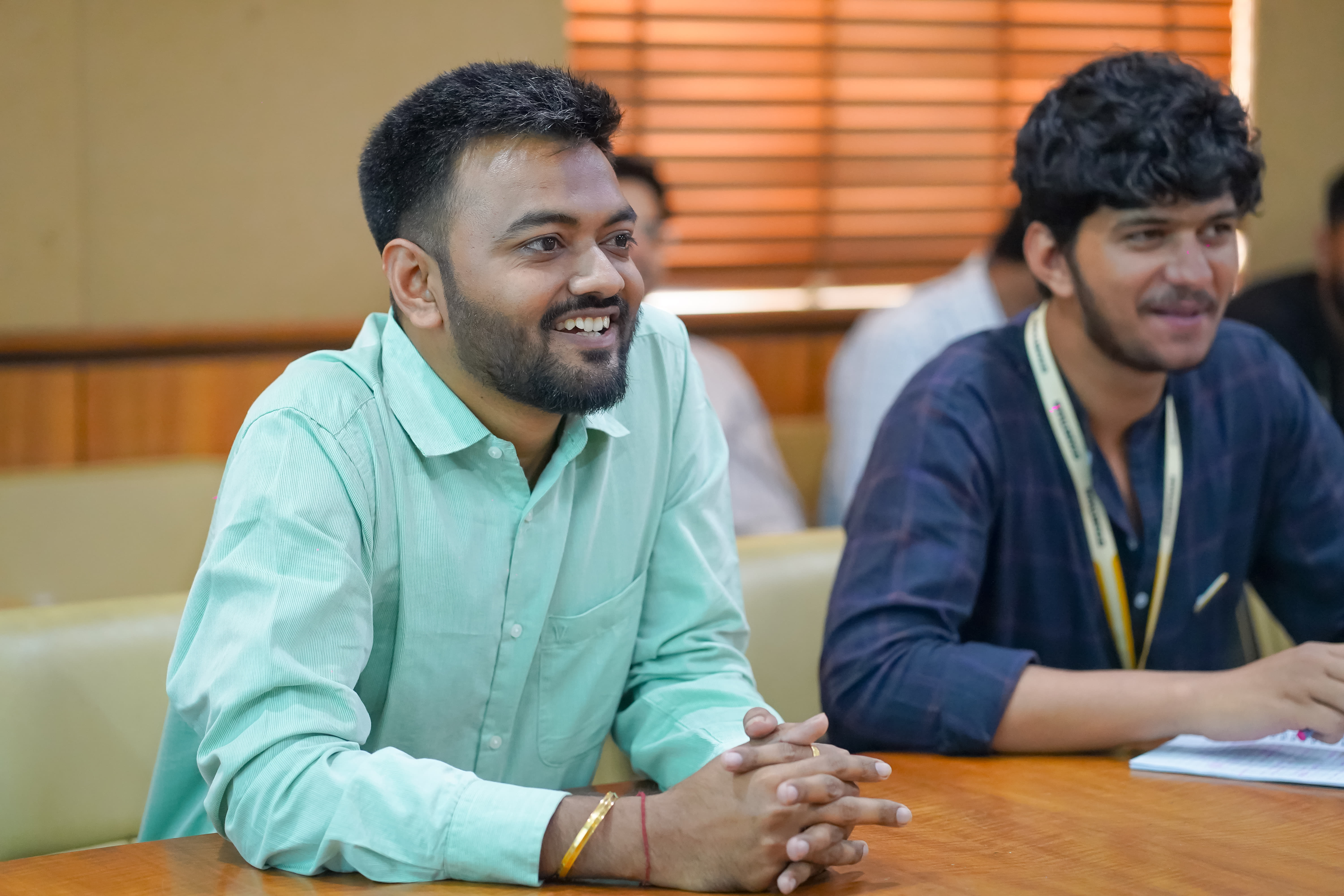
Students examined how towns are not merely collections of buildings, but are well-designed areas that support human needs. They were taught how planners make decisions on where the schools, markets, transport centers and recreational areas would be built. They also perceived how sensitive spaces, such as coastal areas or forest lands, need a severe control of buildings to avoid ecological damage.
Herewith a wider lens they could view architectures not to just the art of building, it comprises making communities, retaining identity and establishing sustainability. This, in the case of Goa, implies that modern hotels do not smash centuries-old villages, and that growth does not cannibalize fragile ecosystems.
Student Reflections: Designing with Responsibility
After the session, Students were asked to reflect on the most memorable part of the session: The responsibility of designing in respect to government regulations. They realized that it is not enough as a future architect to design buildings that are only aesthetically beautiful.Designs must be respectful, reasonable and legal.
Why Practical Learning Matters
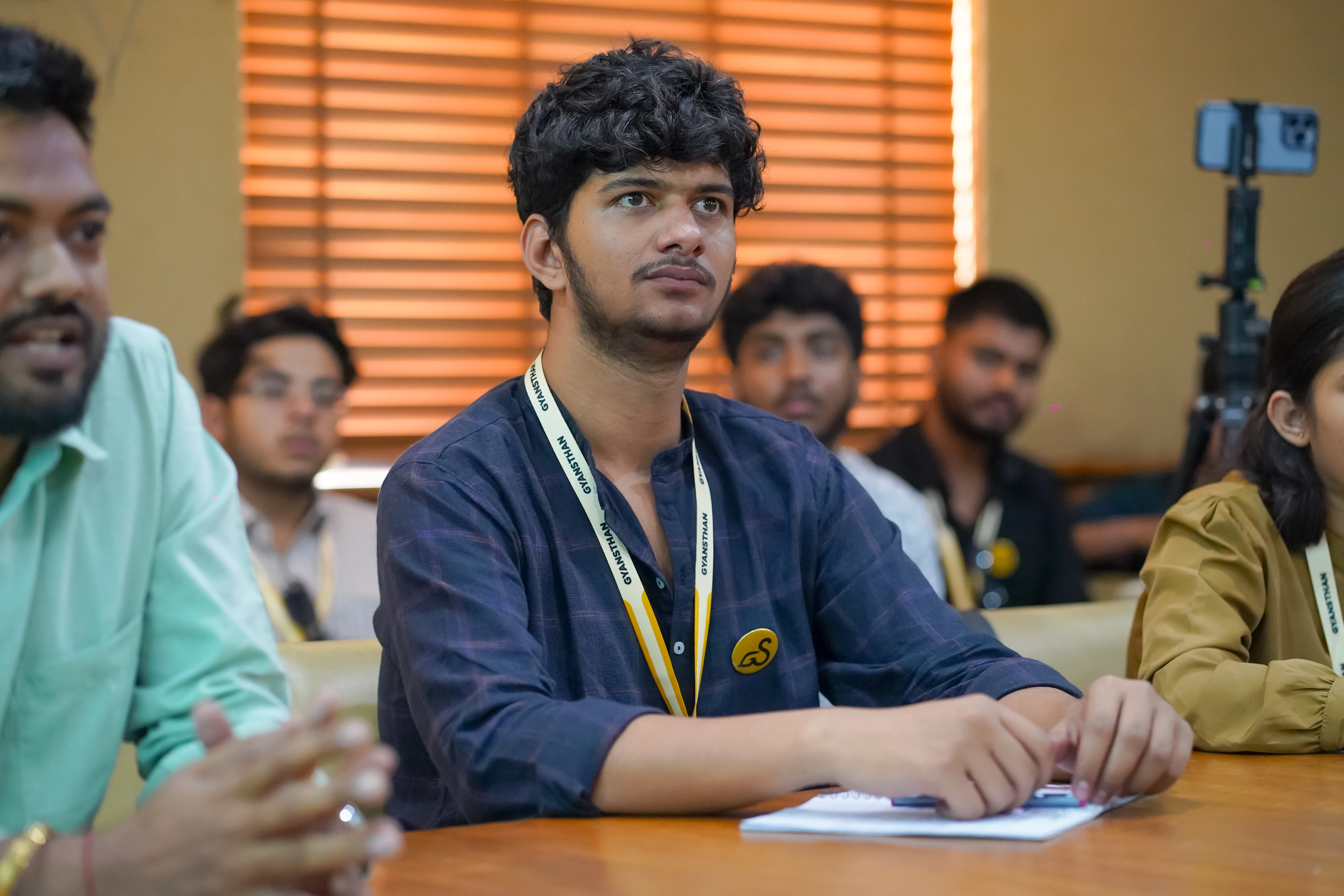
The challenges of this Goa tour emphasised to the students that learning is real, outside the classroom. By the interaction with municipal planning officials, the students witnessed the translation of theory into practice. Students observed the real challenges that architects and planners live: the challenge of historic preservation, tourism, housing, and ecology.
The tour reiterated the point that architecture is about more than design on paper; architecture is a profession rooted to the real world, including law, culture, society and the environment.
Beyond Goa: Tours That Shape Futures
Whether it’s the Writers' Tour in Mumbai that involves authors and screen creators, the Robotics Tour in Chennai that talks about automation, the Biopharma Tour in Hyderabad that talks about drug innovation and design, the Leadership Tour in Bangalore that brings changemakers together, or the Design Tour in Mumbai that connects art and technology, each tour provides students with opportunities to personally experience learning.
These kind of opportunities in life are more than trips, these are moments of pure experience of knowledge where theory meets practice and curiosity meets reality. In the end, each tour has students with knowledge that will follow them for any long after their school years.




.png?h=132&w=263&mode=stretch)





.jpg?h=42.55&w=42.98&mode=stretch)






![MBA/PGDM | admission | 2024 | Narsee Monjee Institute of Management Studies - [NMIMS Deemed to be University]](https://image-static.collegedunia.com/public/college_data/images/logos/1506323004Logo.jpg?h=72&w=72&mode=stretch)


![MBA/PGDM | admission | 2024 | Indian Institute of Management - [IIMC]](https://image-static.collegedunia.com/public/college_data/images/logos/1488950580d2.png?h=72&w=72&mode=stretch)





Comments