




GATE 2021 Environmental Science and Engineering (ES) was conducted on February 7 in afternoon session between 2:30 pm to 5:30 pm. Students can go through GATE ES 2021 Question paper with Answer key pdf. In 2021, IIT Bombay introduced GATE ES paper. There were around 15,000 candidates who applied for the exam. This paper can open doors for candidates if they are an environmental enthusiast who wants to pursue it as a career. For difficulty level of paper, Students had mixed feelings about the level of exam.
Out of all GATE ES 2021 subjects, solid and hazardous waste management received the most weight in the paper. Following that was Water & Waste Water Treatment and Management, which had roughly 8 questions in the paper. Environmental Chemistry, which deals with global and regional environmental challenges, received the least attention in the paper.
Through GATE ES 2021 answer key, candidates will be able to check the right answers to the entrance examination so that they can score better in future exams.
GATE 2021 Environmental Science and Engineering (ES) Question Paper with Solutions
| GATE 2021 Environmental Science and Engineering (ES) Question Paper |  Download Download |
Check Solutions |

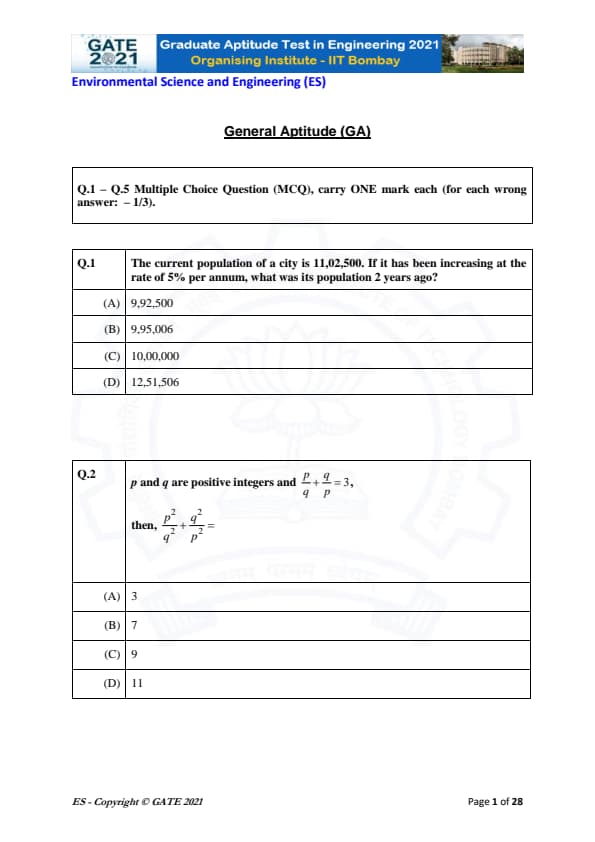
The current population of a city is 11,02,500. If it has been increasing at the rate of 5% per annum, what was its population 2 years ago?
p and q are positive integers and p/q + q/p = 3,
then, p2/q2 + q2/p2 =
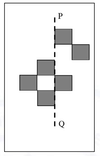
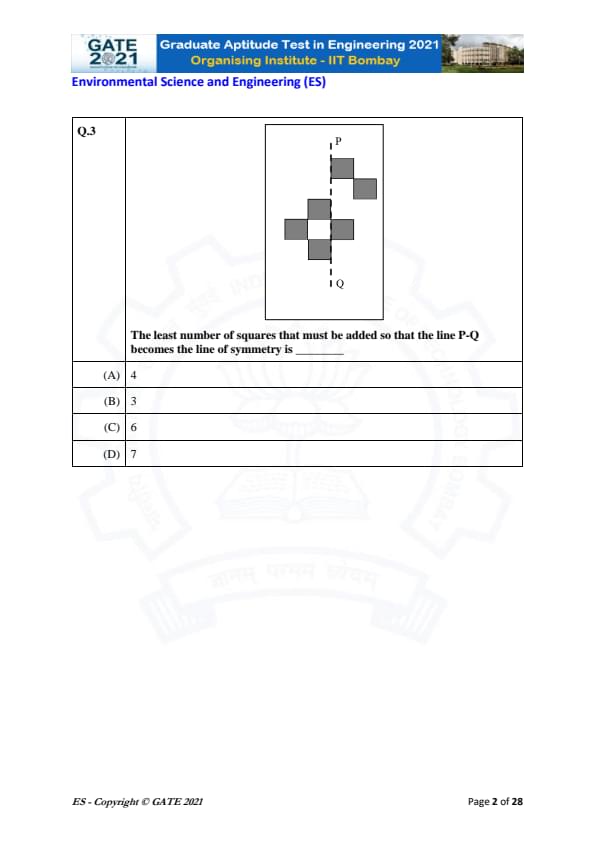
The least number of squares that must be added so that the line P-Q becomes the line of symmetry is
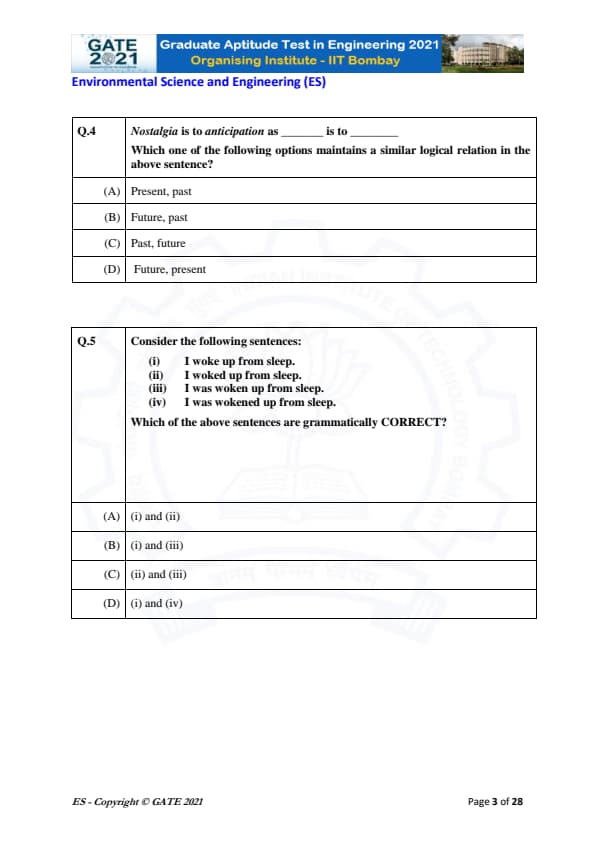
Nostalgia is to anticipation as _______ is to _______.
Which one of the following options maintains a similar logical relation in the above sentence?
Consider the following sentences:
(i) I woke up from sleep.
(ii) I wok up from sleep.
(iii) I was woken up from sleep.
(iv) I was wokened up from sleep.
Which of the above sentences are grammatically CORRECT?
Given below are two statements and two conclusions.
Statement 1: All purple are green.
Statement 2: All black are green.
Conclusion I: Some black are purple.
Conclusion II: No black is purple.
Based on the above statements and conclusions, which one of the following options is logically CORRECT?
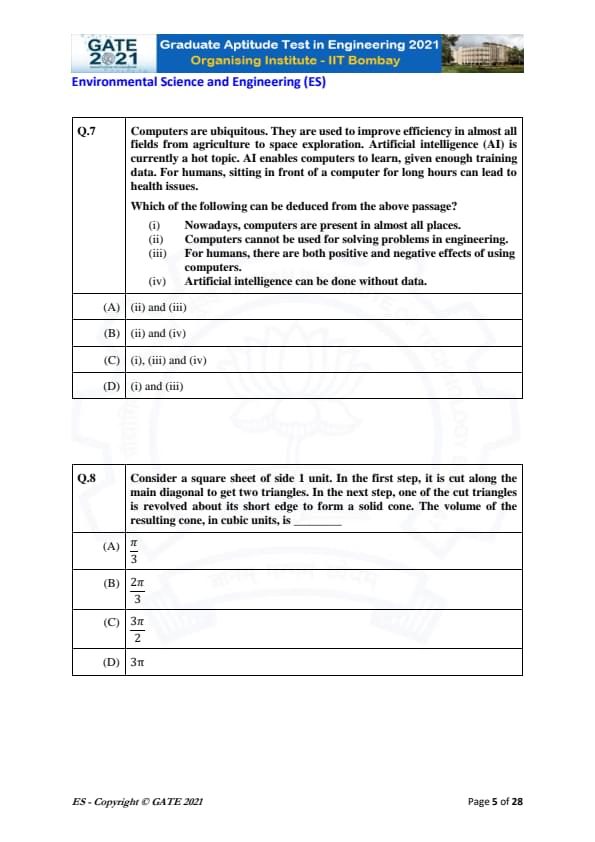
Computers are ubiquitous. They are used to improve efficiency in almost all fields from agriculture to space exploration. Artificial intelligence (AI) is currently a hot topic. AI enables computers to learn, given enough training data. For humans, sitting in front of a computer for long hours can lead to health issues.
Which of the following can be deduced from the above passage?
Consider a square sheet of side 1 unit. In the first step, it is cut along the main diagonal to get two triangles. In the next step, one of the cut triangles is revolved about its short edge to form a solid cone. The volume of the resulting cone, in cubic units, is _______
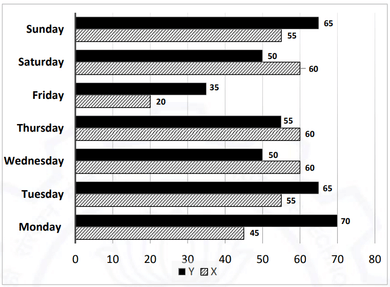
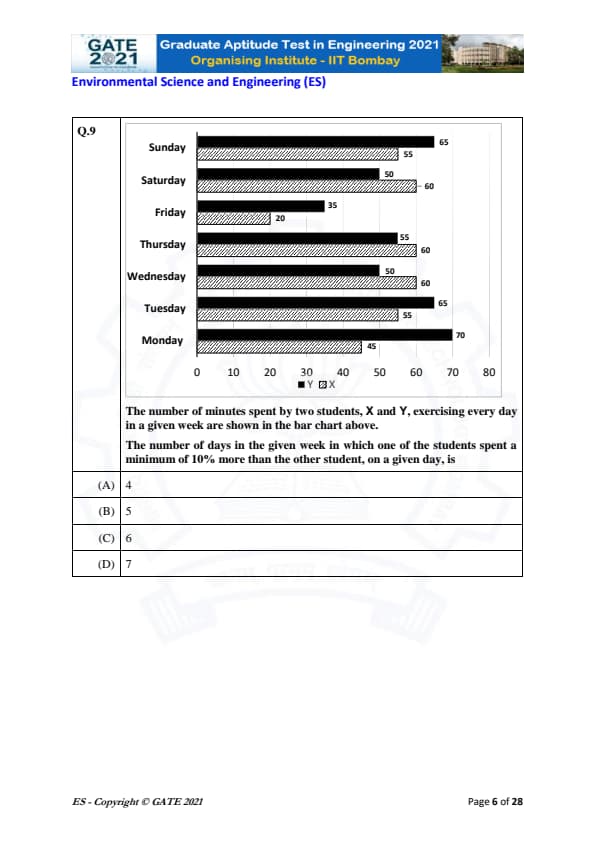
The number of minutes spent by two students, X and Y, exercising every day in a given week are shown in the bar chart above.
The number of days in the given week in which one of the students spent a minimum of 10% more than the other student, on a given day, is
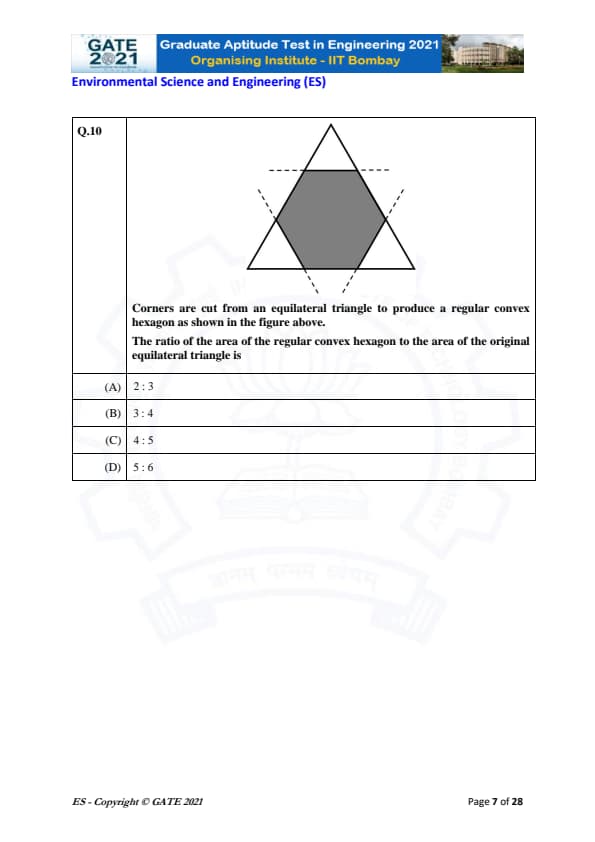
Corners are cut from an equilateral triangle to produce a regular convex hexagon as shown in the figure above.
The ratio of the area of the regular convex hexagon to the area of the original equilateral triangle is

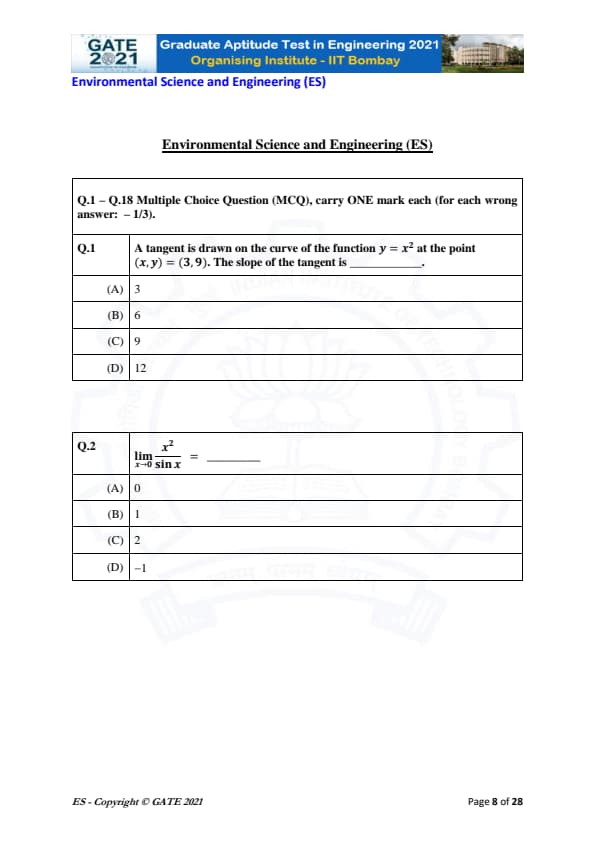
A tangent is drawn on the curve of the function \( y = x^2 \) at the point \( (x, y) = (3, 9) \). The slope of the tangent is ________.
Evaluate the limit: \[ \lim_{x \to 0} \frac{x^2}{\sin x} = \, \_\_\_\_\_\_\_\_. \]
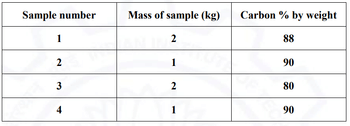
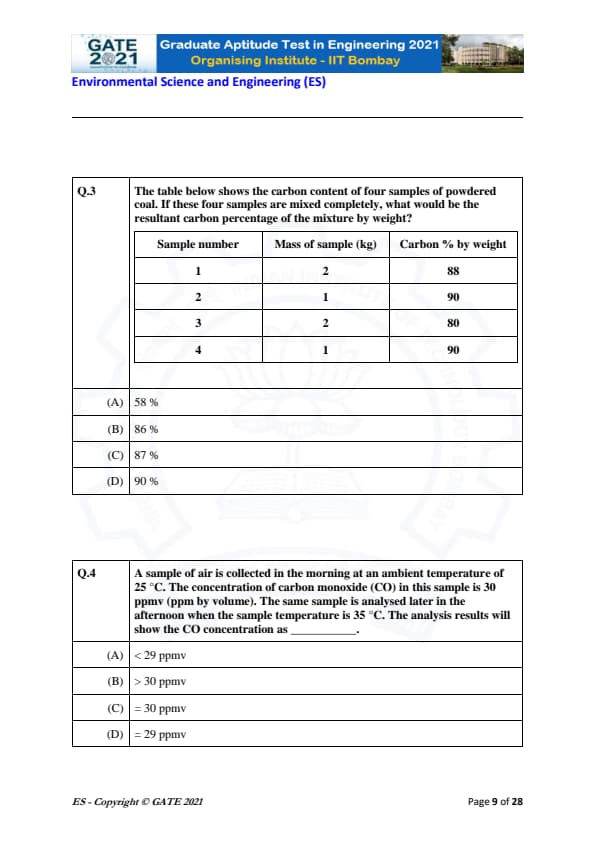
The table below shows the carbon content of four samples of powdered coal. If these four samples are mixed completely, what would be the resultant carbon percentage of the mixture by weight?
A sample of air is collected in the morning at an ambient temperature of 25°C. The concentration of carbon monoxide (CO) in this sample is 30 ppmv (ppm by volume). The same sample is analysed later in the afternoon when the sample temperature is 35°C. The analysis results will show the CO concentration as ________.
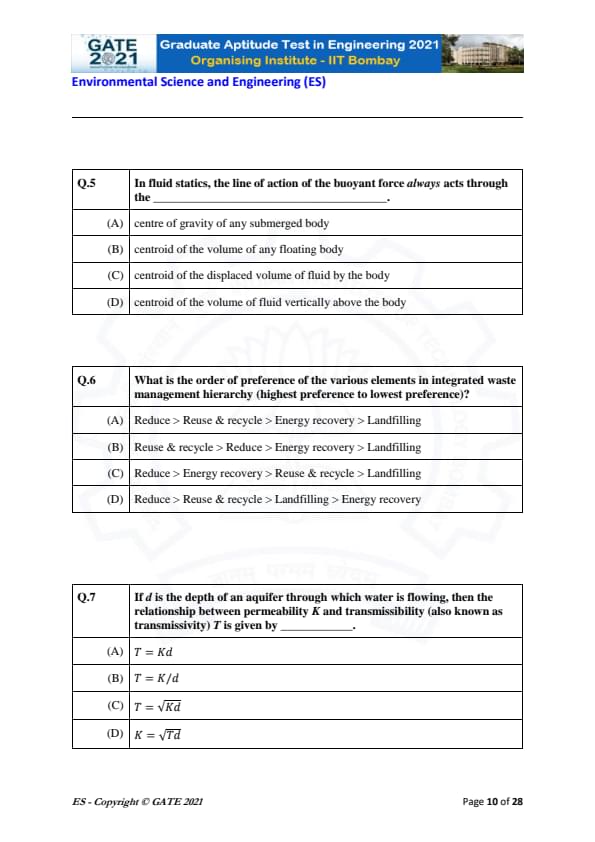
In fluid statics, the line of action of the buoyant force always acts through the
What is the order of preference of the various elements in integrated waste management hierarchy (highest preference to lowest preference)?
If \( d \) is the depth of an aquifer through which water is flowing, then the relationship between permeability \( K \) and transmissibility (also known as transmissivity) \( T \) is given by ________.
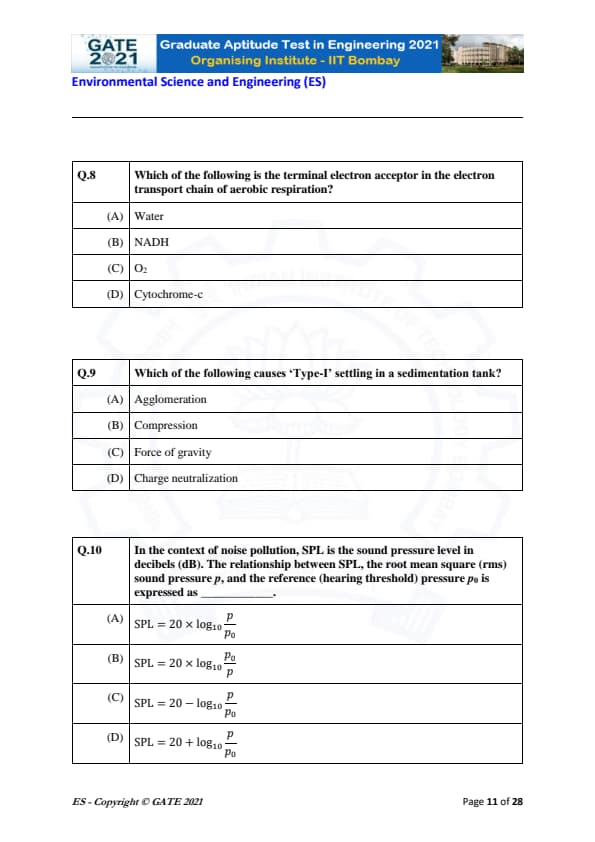
Which of the following is the terminal electron acceptor in the electron transport chain of aerobic respiration?
Which of the following causes ‘Type-I’ settling in a sedimentation tank?
In the context of noise pollution, SPL is the sound pressure level in decibels (dB). The relationship between SPL, the root mean square (rms) sound pressure \( p \), and the reference (hearing threshold) pressure \( p_0 \) is expressed as ________.
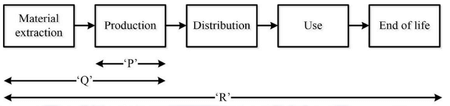
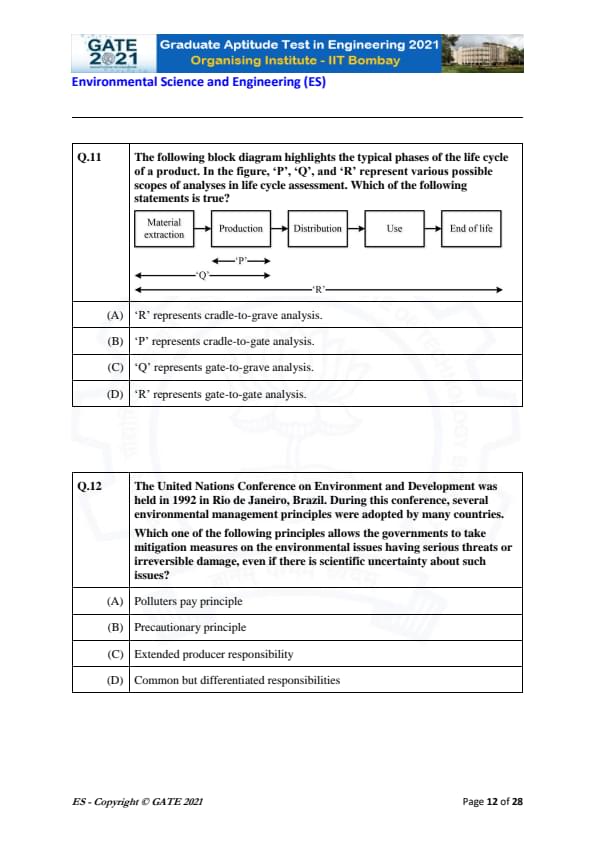
The following block diagram highlights the typical phases of the life cycle of a product. In the figure, ‘P’, ‘Q’, and ‘R’ represent various possible scopes of analyses in life cycle assessment. Which of the following statements is true?
The United Nations Conference on Environment and Development was held in 1992 in Rio de Janeiro, Brazil. During this conference, several environmental management principles were adopted by many countries. Which one of the following principles allows the governments to take mitigation measures on the environmental issues having serious threats or irreversible damage, even if there is scientific uncertainty about such issues?
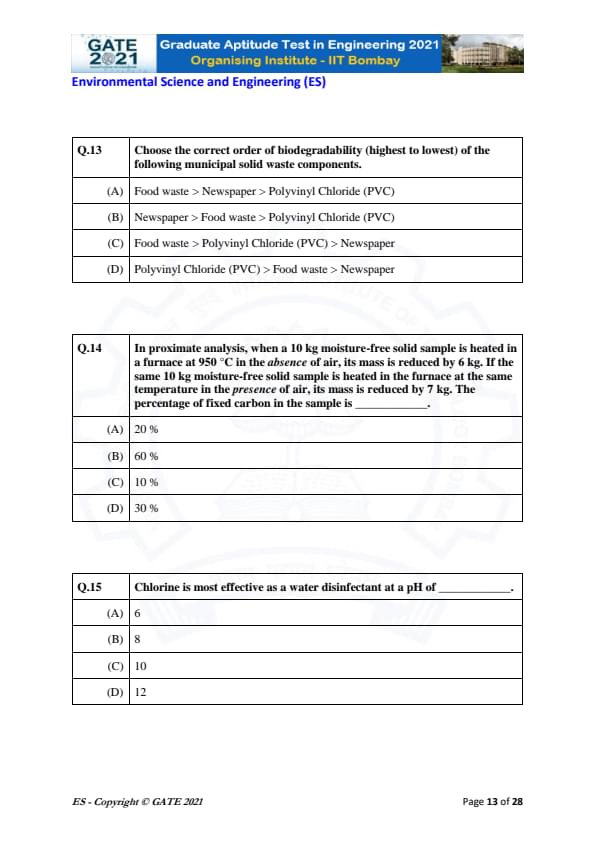
Choose the correct order of biodegradability (highest to lowest) of the following municipal solid waste components.
In proximate analysis, when a 10 kg moisture-free solid sample is heated in a furnace at 950 °C in the absence of air, its mass is reduced by 6 kg. If the same 10 kg moisture-free solid sample is heated in the furnace at the same temperature in the presence of air, its mass is reduced by 7 kg. The percentage of fixed carbon in the sample is ________.
Chlorine is most effective as a water disinfectant at a pH of ________.
The oxidation states of ‘N’ in \( NH_4^+ \), \( NO_2^- \), and \( NO \) are ________ , respectively.
What is the pH of a water sample having \( H^+ \) concentration of 10 mg/L? The atomic weight of H is 1 g/mol.
Which of the following pairing of nucleotide bases is present in double helix DNA?
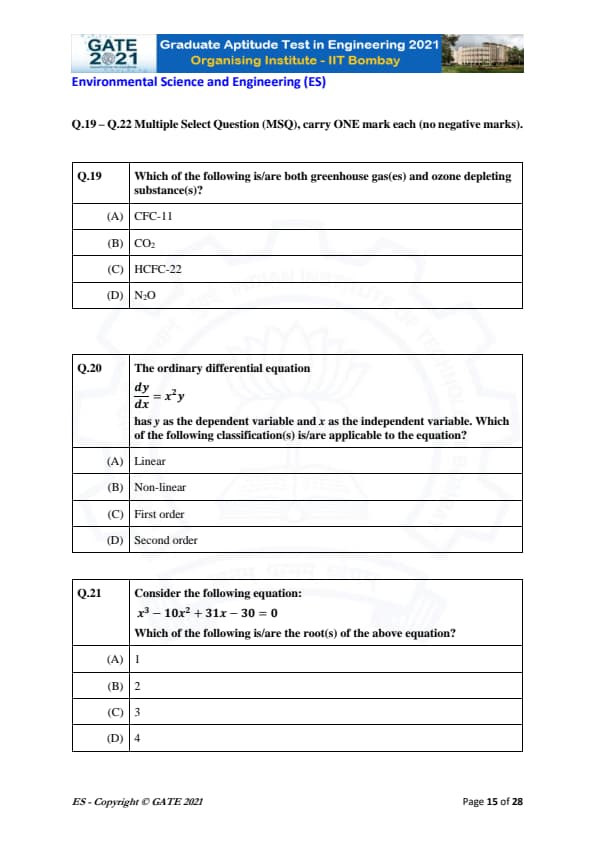
Which of the following is/are both greenhouse gas(es) and ozone depleting substance(s)?
The ordinary differential equation \[ \frac{dy}{dx} = x^2 y \]
has \( y \) as the dependent variable and \( x \) as the independent variable. Which of the following classification(s) is/are applicable to the equation?
Consider the following equation: \[ x^3 - 10x^2 + 31x - 30 = 0 \]
Which of the following is/are the root(s) of the above equation?
A wind rose is a representation of meteorological conditions. Which of the following is/are included in this representation?
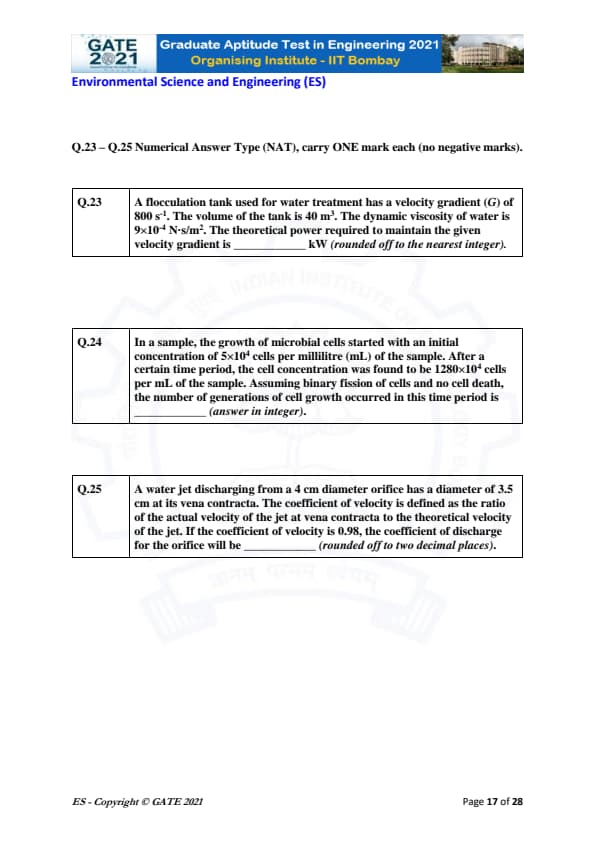
A flocculation tank used for water treatment has a velocity gradient (G) of 800 s\(^{-1}\). The volume of the tank is 40 m\(^3\). The dynamic viscosity of water is \(9 \times 10^{-4}\) N.s/m\(^2\). The theoretical power required to maintain the given velocity gradient is ________ kW (rounded off to the nearest integer).
In a sample, the growth of microbial cells started with an initial concentration of \(5 \times 10^4\) cells per millilitre (mL) of the sample. After a certain time period, the cell concentration was found to be \(1280 \times 10^4\) cells per mL of the sample. Assuming binary fission of cells and no cell death, the number of generations of cell growth occurred in this time period is ________ (answer in integer).
A water jet discharging from a 4 cm diameter orifice has a diameter of 3.5 cm at its vena contracta. The coefficient of velocity is defined as the ratio of the actual velocity of the jet at vena contracta to the theoretical velocity of the jet. If the coefficient of velocity is 0.98, the coefficient of discharge for the orifice will be ________ (rounded off to two decimal places).
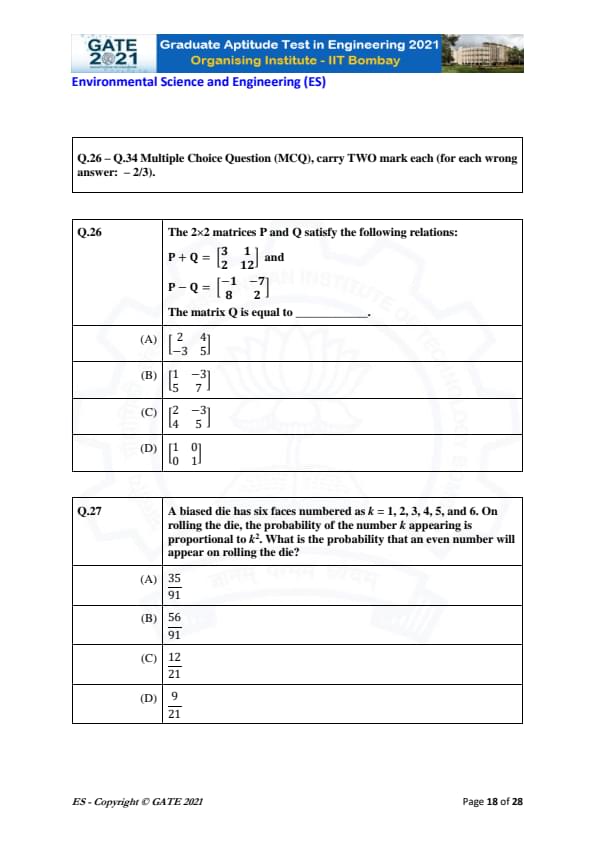
The 2×2 matrices P and Q satisfy the following relations: \[ P + Q = \begin{pmatrix} 3 & 1 \\
2 & 12 \end{pmatrix} \quad and \quad P - Q = \begin{pmatrix} -1 & -7 \\
8 & 2 \end{pmatrix}. \]
The matrix Q is equal to ________.
A biased die has six faces numbered as \( k = 1, 2, 3, 4, 5, 6 \). On rolling the die, the probability of the number \( k \) appearing is proportional to \( k^2 \). What is the probability that an even number will appear on rolling the die?
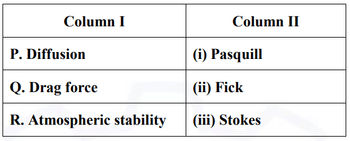
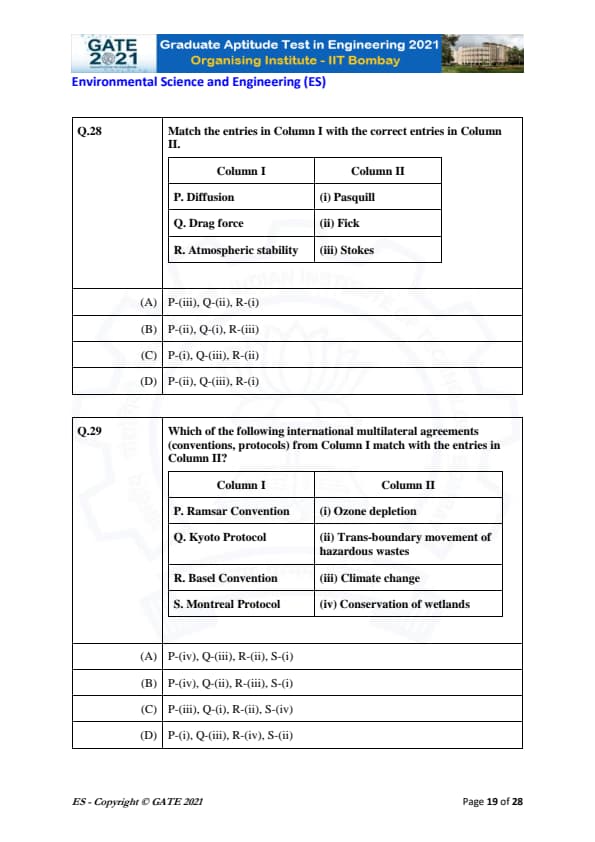
Match the entries in Column I with the correct entries in Column II.
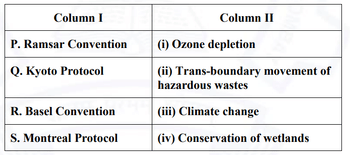
Which of the following international multilateral agreements (conventions, protocols) from Column I match with the entries in Column II?
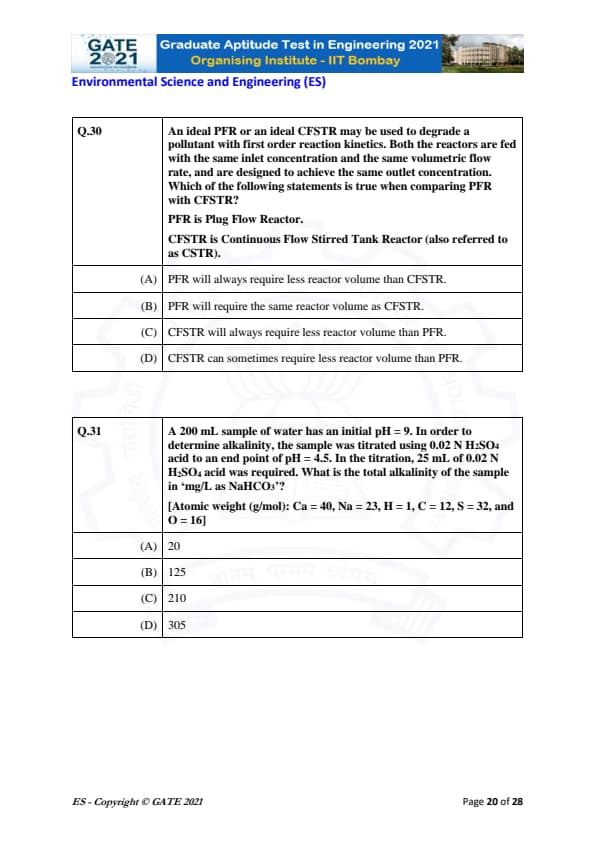
An ideal PFR or an ideal CFSTR may be used to degrade a pollutant with first order reaction kinetics. Both the reactors are fed with the same inlet concentration and the same volumetric flow rate, and are designed to achieve the same outlet concentration. Which of the following statements is true when comparing PFR with CFSTR?
A 200 mL sample of water has an initial pH = 9. In order to determine alkalinity, the sample was titrated using 0.02 N \( H_2SO_4 \) acid to an end point of pH = 4.5. In the titration, 25 mL of 0.02 N \( H_2SO_4 \) acid was required. What is the total alkalinity of the sample in ‘mg/L as NaHCO\(_3\)’?
[Atomic weight (g/mol): Ca = 40, Na = 23, H = 1, C = 12, S = 32, and O = 16]
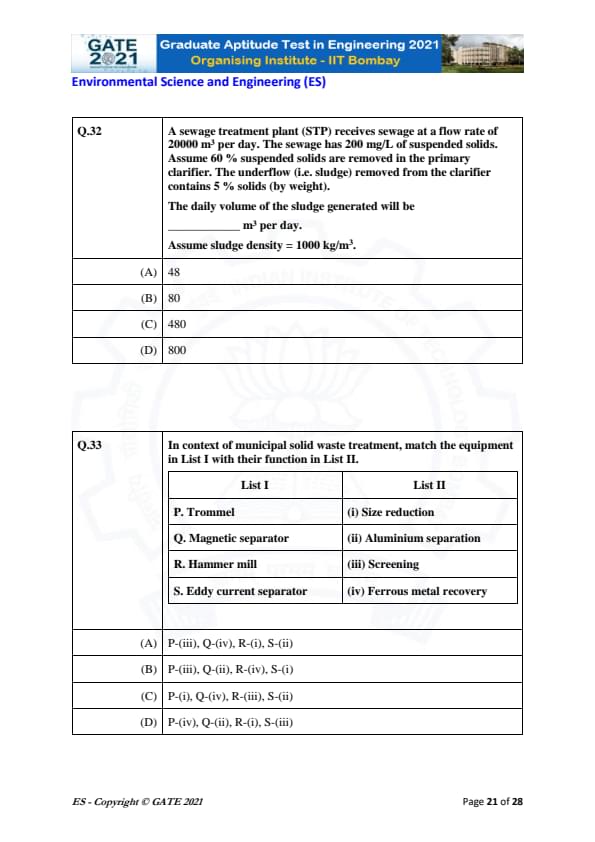
A sewage treatment plant (STP) receives sewage at a flow rate of 20000 m\(^3\) per day. The sewage has 200 mg/L of suspended solids. Assume 60% suspended solids are removed in the primary clarifier. The underflow (i.e. sludge) removed from the clarifier contains 5% solids (by weight).
The daily volume of the sludge generated will be \underline{\hspace{2cm m\(^3\) per day.
Assume sludge density = 1000 kg/m\(^3\).
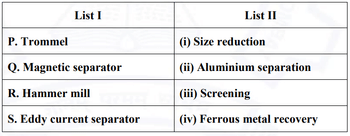
In context of municipal solid waste treatment, match the equipment in List I with their function in List II.
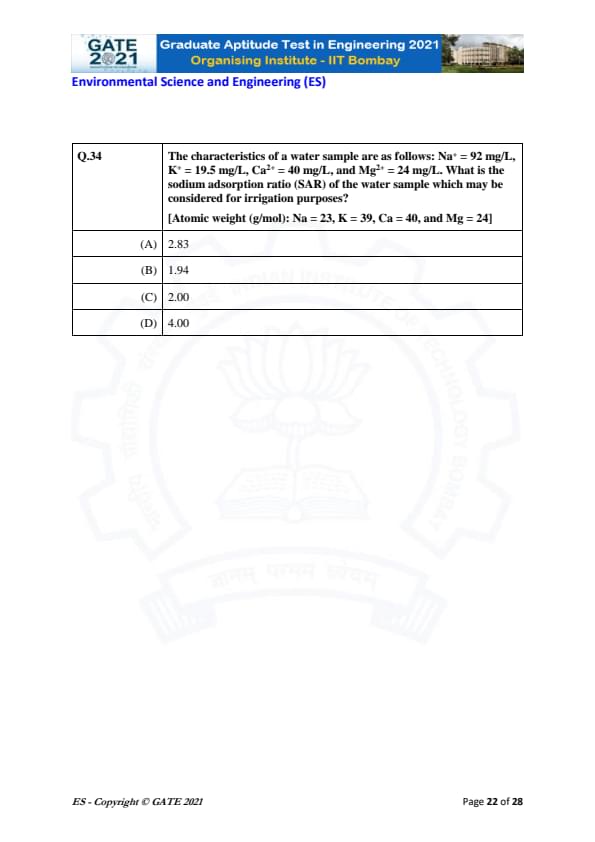
The characteristics of a water sample are as follows: Na\(^+\) = 92 mg/L, K\(^+\) = 19.5 mg/L, Ca\(^{2+}\) = 40 mg/L, and Mg\(^{2+}\) = 24 mg/L. What is the sodium adsorption ratio (SAR) of the water sample which may be considered for irrigation purposes?
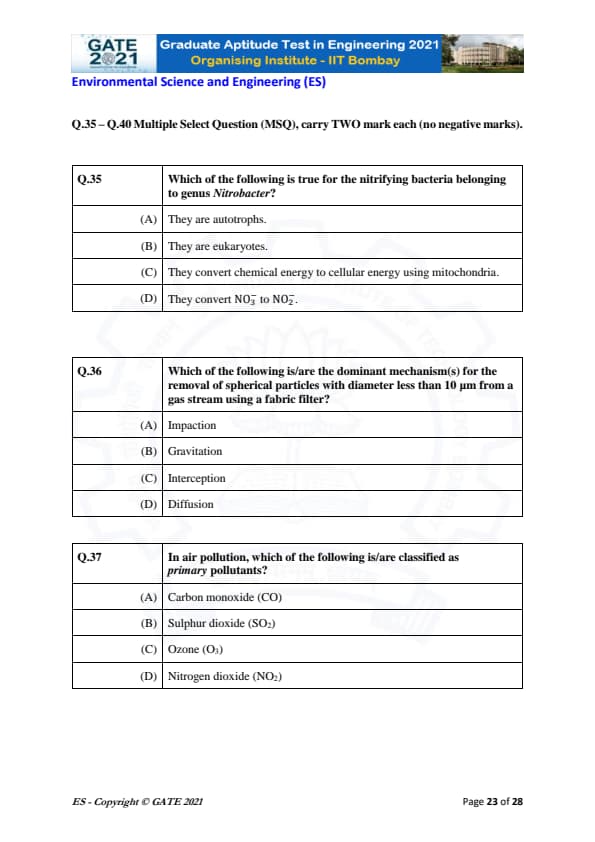
Which of the following is true for the nitrifying bacteria belonging to genus Nitrobacter?
Which of the following is/are the dominant mechanism(s) for the removal of spherical particles with diameter less than 10 µm from a gas stream using a fabric filter?
In air pollution, which of the following is/are classified as primary pollutants?
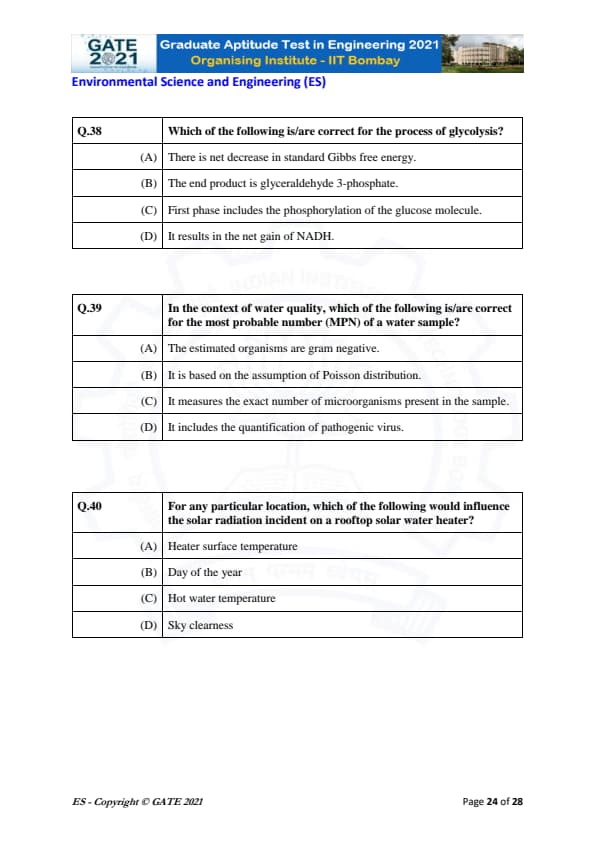
Which of the following is/are correct for the process of glycolysis?
In the context of water quality, which of the following is/are correct for the most probable number (MPN) of a water sample?
For any particular location, which of the following would influence the solar radiation incident on a rooftop solar water heater?
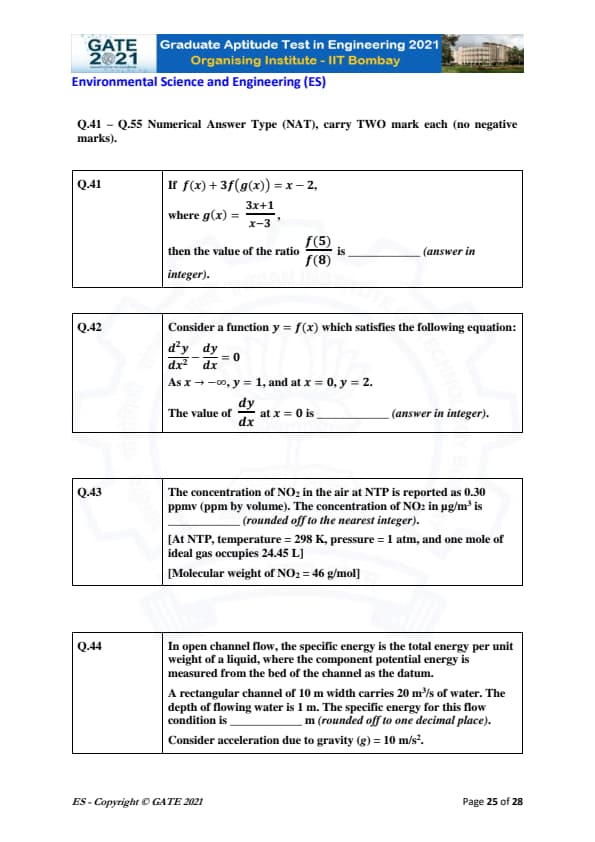
If f(x) + 3f(g(x)) = x - 2,
where g(x) = \frac{3x + 1}{x - 3},
then the value of the ratio
\frac{f(5)}{f(8) is ________ (answer in integer).
Consider a function \[ y = f(x) which satisfies the following equation: \] \[ \frac{d^2y}{dx^2} - \frac{dy}{dx} = 0.
As \( x \to -\infty, y = 1 \), and at \( x = 0, y = 2 \). The value of
\frac{dy{dx \text{ at x = 0 \text{ is ________ \text{ (answer in integer).
The concentration of NO\(_2\) in the air at NTP is reported as 0.30 ppm (ppm by volume). The concentration of NO\(_2\) in \(\mu g/m^3\) is ________ (rounded off to the nearest integer).
In open channel flow, the specific energy is the total energy per unit weight of a liquid, where the component potential energy is measured from the bed of the channel as the datum.
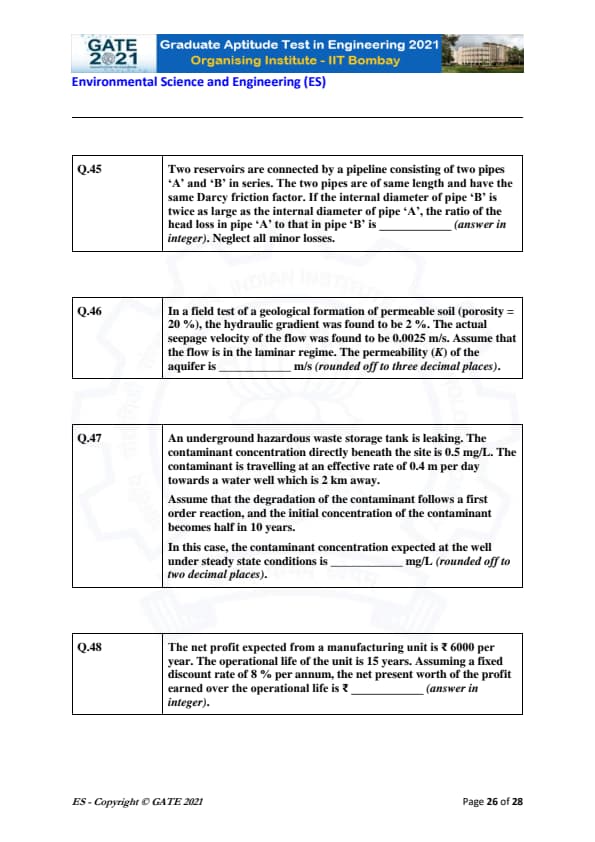
Two reservoirs are connected by a pipeline consisting of two pipes ‘A’ and ‘B’ in series. The two pipes are of same length and have the same Darcy friction factor. If the internal diameter of pipe ‘B’ is twice as large as the internal diameter of pipe ‘A’, the ratio of the head loss in pipe ‘A’ to that in pipe ‘B’ is ________ (answer in integer). Neglect all minor losses.
In a field test of a geological formation of permeable soil (porosity = 20 %), the hydraulic gradient was found to be 2 %. The actual seepage velocity of the flow was found to be 0.0025 m/s. Assume that the flow is in the laminar regime. The permeability \( K \) of the aquifer is ________ m/s (rounded off to three decimal places).
An underground hazardous waste storage tank is leaking. The contaminant concentration directly beneath the site is 0.5 mg/L. The contaminant is travelling at an effective rate of 0.4 m per day towards a water well which is 2 km away. Assume that the degradation of the contaminant follows a first order reaction, and the initial concentration of the contaminant becomes half in 10 years. In this case, the contaminant concentration expected at the well under steady state conditions is ________ mg/L (rounded off to two decimal places).
The net profit expected from a manufacturing unit is ₹ 6000 per year. The operational life of the unit is 15 years. Assuming a fixed discount rate of 8 % per annum, the net present worth of the profit earned over the operational life is ₹ ________ (answer in integer).
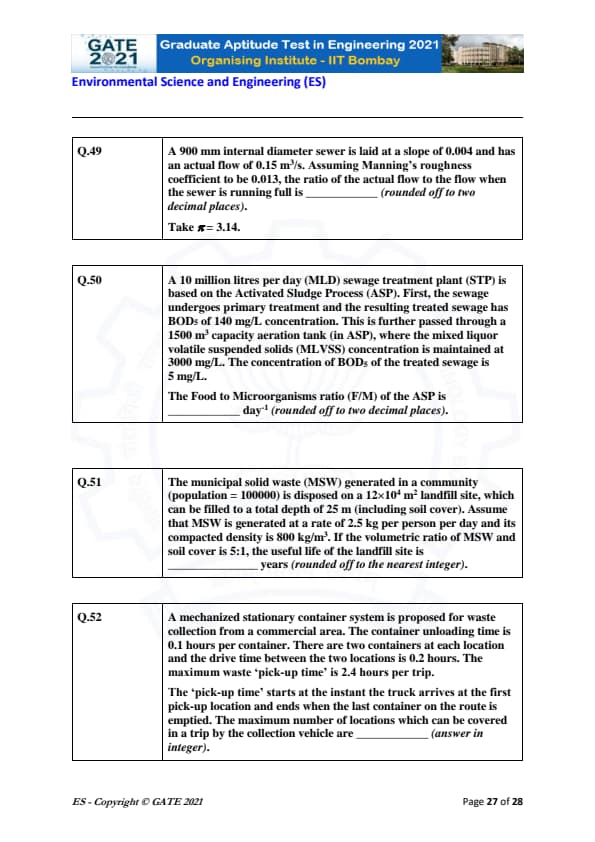
A 900 mm internal diameter sewer is laid at a slope of 0.004 and has an actual flow of 0.15 m\(^3\)/s. Assuming Manning’s roughness coefficient to be 0.013, the ratio of the actual flow to the flow when the sewer is running full is ________ (rounded off to two decimal places).
A 10 million litres per day (MLD) sewage treatment plant (STP) is based on the Activated Sludge Process (ASP). First, the sewage undergoes primary treatment and the resulting treated sewage has BOD\(_5\) of 140 mg/L concentration. This is further passed through a 1500 m\(^3\) capacity aeration tank (in ASP), where the mixed liquor volatile suspended solids (MLVSS) concentration is maintained at 3000 mg/L. The concentration of BOD\(_5\) of the treated sewage is 5 mg/L.
The Food to Microorganisms ratio (F/M) of the ASP is ________ day\(^{-1}\) (rounded off to two decimal places).
The municipal solid waste (MSW) generated in a community (population = 100000) is disposed on a 12\(\times\)12 m\(^2\) landfill site, which can be filled to a total depth of 25 m (including soil cover). Assume that MSW is generated at a rate of 2.5 kg per person per day and its compacted density is 800 kg/m\(^3\). If the volumetric ratio of MSW and soil cover is 5:1, the useful life of the landfill site is ________ years (rounded off to the nearest integer).
A mechanized stationary container system is proposed for waste collection from a commercial area. The container unloading time is 0.1 hours per container. There are two containers at each location and the drive time between the two locations is 0.2 hours. The maximum waste ‘pick-up time’ is 2.4 hours per trip.
The ‘pick-up time’ starts at the instant the truck arrives at the first pick-up location and ends when the last container on the route is emptied. The maximum number of locations which can be covered in a trip by the collection vehicle are ________ (answer in integer).
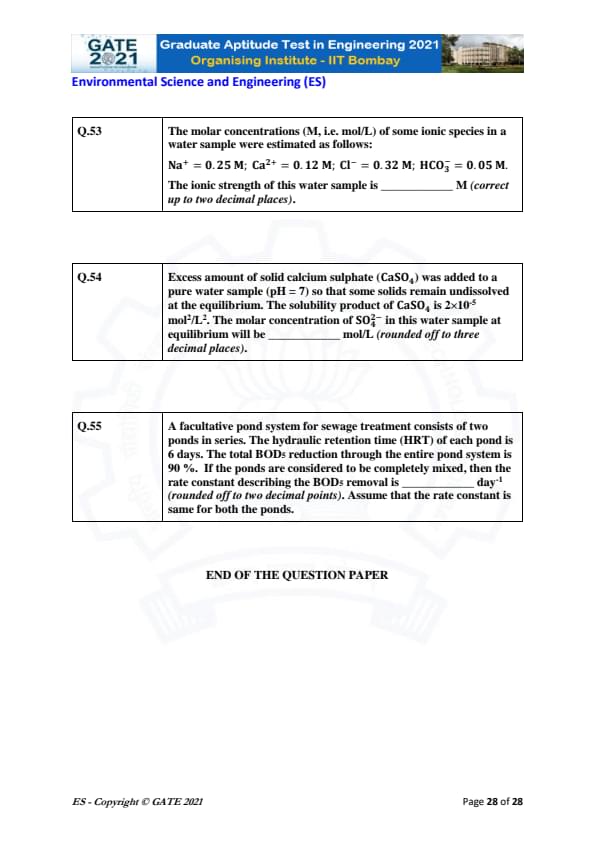
The molar concentrations (M, i.e. mol/L) of some ionic species in a water sample were estimated as follows: \[ Na^+ = 0.25 \, M; \, Ca^{2+} = 0.12 \, M; \, Cl^- = 0.32 \, M; \, HCO_3^- = 0.05 \, M. \]
The ionic strength of this water sample is ________ M (correct up to two decimal places).
Excess amount of solid calcium sulphate (CaSO\(_4\)) was added to a pure water sample (pH = 7) so that some solids remain undissolved at the equilibrium. The solubility product of CaSO\(_4\) is \( 2 \times 10^{-5} \, mol^2/L^2 \). The molar concentration of SO\(_4^{2-}\) in this water sample at equilibrium will be ________ mol/L (rounded off to three decimal places).
A facultative pond system for sewage treatment consists of two ponds in series. The hydraulic retention time (HRT) of each pond is 6 days. The total BOD\(_5\) reduction through the entire pond system is 90 %. If the ponds are considered to be completely mixed, then the rate constant describing the BOD\(_5\) removal is ________ day\(^{-1}\) (rounded off to two decimal points). Assume that the entire rate constant is the same for both the ponds.



Quick Links:
GATE 2021 ES Paper Analysis
- The questions in the paper were more conceptual than memory-based. To tackle the questions, you needed a thorough comprehension of the themes. There were also a few tough questions.
- In GATE 2021 ES tests, more focused were there on MSQs, with roughly 8 questions in our full-length tests. It was important because the GATE paper had roughly 10-12 MSQs.
- Aptitude and mathematics proved to be simple topics for which direct questions were asked.
- With 12-15 questions on NATs, especially from areas like Solid Waste Management, Water & Waste Water Engineering, and Environmental Hydraulics, there was a strong emphasis on them.
- The paper was average in difficulty, neither too difficult nor too easy.
- GATE ES 2021 consisted of 3 sections – Environmental Science and Engineering, Engineering maths and general aptitude.
- The total duration of GATE ES 2021 exam was 180 minutes.
Also Check:
GATE Previous Year Question Papers:
| GATE 2022 Question Papers | GATE 2021 Question Papers | GATE 2020 Question Papers |
| GATE 2019 Question Papers | GATE 2018 Question Papers | GATE 2017 Question Papers |





Comments