




CBSE Class 12 Bioltechnology Set 4 Question Paper PDF (99) is now available for download. CBSE conducted the Class 12 Biotechnology examination on February 16, 2024 from 10:30 AM to 1:30 PM. The question paper consists of 33 questions carrying a total of 70 marks. Section A includes 16 MCQs for 1 mark each, Section B contains 5 very short-answer questions for 2 marks each, Section C comprises 7 short-answer questions for 3 marks each, Section D comprises 2 questions carries 4 marks each and Section E comprises 3 long-answer questions carries 5 marks each.
Candidates can use the link below to download the CBSE Class 12 Biotechnology Question Paper with detailed solutions.
CBSE Class 12 Biotechnology Question Paper 2024 Set 4 (99) with Answer Key
| CBSE Class 12 2024 Biotechnology Question Paper with Answer Key |  Download Download |
Check Solution |
CBSE Class 12 2024 Biotechnology Questions with Solutions
SECTION A
Question 1:
The natural source of enzyme barnase and barstar, a system used to achieve male sterile plant is:
View Solution
Bacillus amyloliquefaciens: This bacterium is the natural source of the barnase and barstar genes which are used in plant biotechnology to create male-sterile plants. The barnase gene encodes for a ribonuclease enzyme that is toxic to plant cells, causing male sterility. The barstar gene produces a protein that inhibits the barnase enzyme, thus preventing its harmful effects and allowing for the controlled induction of male sterility.
Bacillus subtilis: Though it is a bacteria, it is mainly known for its probiotic nature.
Bartonella henselae: This bacterium is more related to causing diseases.
Barnesiella coli: This bacterium is mainly found in the human gut. Quick Tip: Remember the natural sources of enzymes and genes used in various biotechnological techniques as it forms an important aspect of the discipline.
Severe combined immunodeficiency disease is caused due to the absence of:
View Solution
Adenosine deaminase (ADA): Severe combined immunodeficiency (SCID) is a genetic disorder caused by the deficiency of the enzyme adenosine deaminase (ADA). This enzyme is essential for the normal development and function of the immune system, especially T and B lymphocytes. Its absence causes the buildup of toxic metabolites that damage these cells and the immune response is diminished.
Adenosine diphosphate: ADP is a nucleotide involved in cellular processes.
Adenosine cyclase: This is an enzyme that is involved in cyclic AMP formation.
Guanidine nitrate: This is a compound that has no connection with SCID. Quick Tip: Always remember the deficiency of important enzymes and its relation to certain diseases.
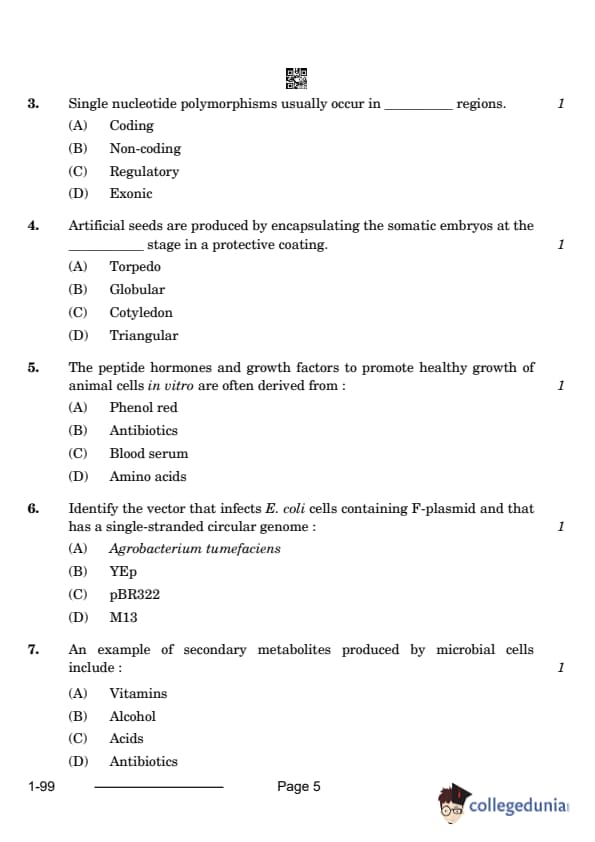
Single nucleotide polymorphisms usually occur in _______ regions.
View Solution
Non-coding regions: Single nucleotide polymorphisms (SNPs) are variations in a single nucleotide base, and they are most frequent in non-coding regions of DNA. These regions do not directly code for protein and are less subject to selection pressure, thus allowing more variation.
Coding regions: SNPs in coding regions may cause mutations.
Regulatory regions: Regulatory regions are also quite important for gene regulation, and the SNPs there may also have some kind of impact on gene expression.
Exonic regions: Exons refer to the protein-coding sections of a gene. Quick Tip: Understand the different sections of the DNA strand and its role in the genetic process.
Artificial seeds are produced by encapsulating the somatic embryos at the _______ stage in a protective coating.
View Solution
Torpedo stage: Somatic embryos, in the process of creating artificial seeds, are usually encapsulated at the torpedo stage. This stage marks the development of the embryo's axis and cotyledons, which is important for the development of a proper plant.
Globular stage: This is an early stage of embryo development before the cotyledons.
Cotyledon stage: This is a later stage of development of the embryo when the cotyledons are formed.
Triangular stage: This is another intermediate stage of embryo development. Quick Tip: Remember the different stages of somatic embryo development, as this helps you answer such questions easily.
The peptide hormones and growth factors to promote healthy growth of animal cells in vitro are often derived from:
View Solution
Blood serum: Blood serum, specifically fetal bovine serum (FBS), is a rich source of peptide hormones, growth factors and other nutrients which are necessary for the healthy in vitro growth of animal cells. These components provide the cells with the necessary signals for proliferation and differentiation.
Phenol red: Phenol red is a pH indicator used in cell culture media to monitor the pH levels.
Antibiotics: Antibiotics are added to cell culture media to prevent bacterial contamination.
Amino acids: Amino acids are components of cell culture media but do not serve the purpose of providing peptide hormones and growth factors. Quick Tip: Understand the role of different ingredients of cell culture media to answer questions about cell growth and maintenance.
Identify the vector that infects E. coli cells containing F-plasmid and that has a single-stranded circular genome:
View Solution
M13: M13 is a bacteriophage (a virus that infects bacteria) known for infecting E. coli cells containing an F-plasmid, and it has a single-stranded circular genome. This single stranded nature is very useful in many biological and biotechnological procedures.
Agrobacterium tumefaciens: Agrobacterium tumefaciens is a bacterium used to transfer genes in plant cells.
YEp: YEp is a yeast episomal plasmid and not related to E. coli.
pBR322: pBR322 is a commonly used plasmid vector and not a virus, that is used in bacteria. Quick Tip: Always remember important features of different vectors such as their origin, their target species and the genome that they use.
An example of secondary metabolites produced by microbial cells include:
View Solution
Antibiotics: Antibiotics are a type of secondary metabolite produced by microorganisms. Secondary metabolites are compounds that are not directly involved in the growth and reproduction of the organism. They are synthesized by microorganisms as a survival strategy.
Vitamins: Vitamins are essential nutrients required for growth and metabolism and they are mostly classified as primary metabolites.
Alcohol: Alcohol is also considered a primary metabolite that is produced during fermentation.
Acids: Acids are also primary metabolites which are usually products of cellular respiration and other metabolic processes. Quick Tip: Make sure to understand the difference between primary and secondary metabolites and remember key examples from both the groups.
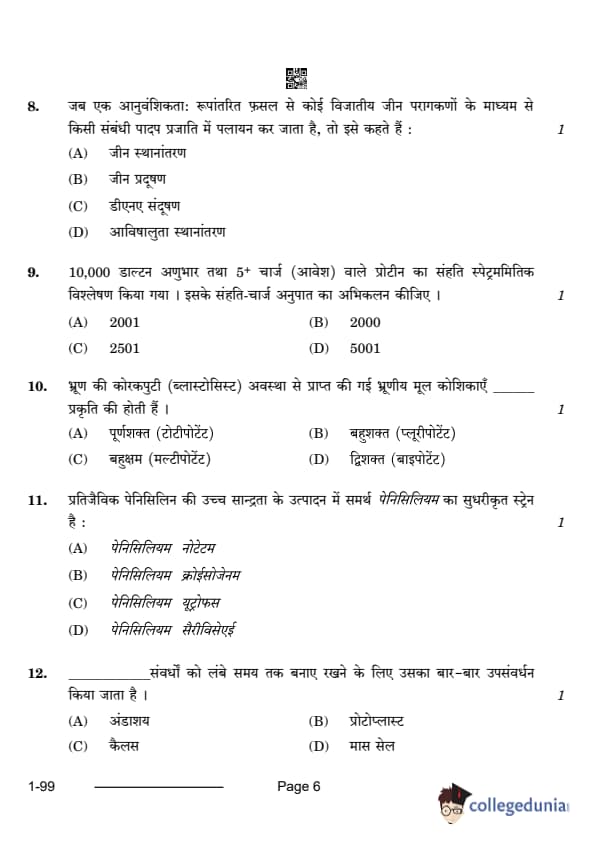
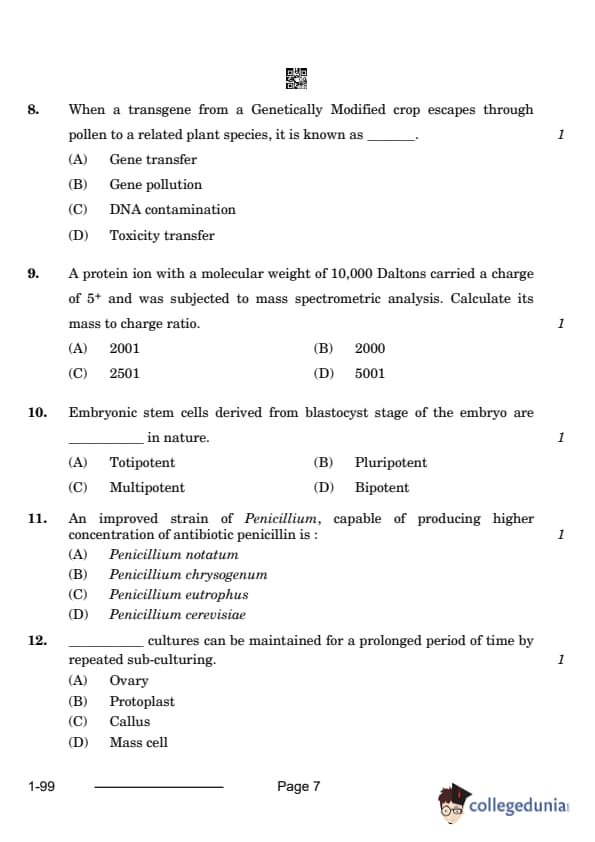
When a transgene from a Genetically Modified crop escapes through pollen to a related plant species, it is known as:
View Solution
Gene Pollution: Gene pollution, also known as genetic pollution, occurs when genes from a genetically modified organism are transferred to a non-genetically modified organism (especially a related wild species). This transfer often occurs through pollen, as it can travel to nearby related species, causing a change in the genetic structure of that species. It is termed ‘pollution’ because the spread of genes is unregulated, and can cause unexpected effects.
Gene Transfer: Gene transfer, while related to the movement of genes, does not specify the negative implications of the escape. It is more of a general term for genetic material transfer, and this might be in a controlled environment.
DNA Contamination: DNA contamination refers to the introduction of unwanted DNA into a sample or system which is not necessarily from pollen. This can happen because of laboratory practices, or accidental contamination.
Toxicity Transfer: Toxicity transfer refers to the transfer of toxic substances, and this is usually not related to transfer of genetic material. Quick Tip: Understand the term ‘gene pollution’ which is often associated with unintentional spread of genes, and learn how it differs from gene transfer or DNA contamination.
A protein ion with a molecular weight of 10,000 Daltons carried a charge of 5+ and was subjected to mass spectrometric analysis. Calculate its mass to charge ratio.
View Solution
Mass to Charge Ratio: The mass-to-charge ratio (m/z) is calculated by dividing the mass of an ion (in Daltons) by its charge.
Given the molecular weight of the protein ion = 10,000 Daltons and the charge of the protein ion = 5+, the mass-to-charge ratio = (10,000 Daltons)/5 = 2000. Quick Tip: For calculations involving mass-to-charge ratios, make sure you use the right method, and also do the calculation carefully to prevent errors.
Embryonic stem cells derived from the blastocyst stage of the embryo are ____________ in nature.
View Solution
Pluripotent Cells: Embryonic stem cells (ESCs) derived from the blastocyst stage of the embryo are considered pluripotent. Pluripotent stem cells have the capacity to differentiate into almost any cell type of the three germ layers (ectoderm, mesoderm, and endoderm), but cannot form a whole organism, which is a capability that is specific to totipotent cells.
Totipotent Cells: Totipotent cells, such as the zygote, have the ability to develop into any cell type or even a complete organism.
Multipotent Cells: Multipotent stem cells are more specialized than pluripotent cells and can develop into a limited number of cell types within a lineage or tissue.
Bipotent Cells: Bipotent cells can develop into two specific cell types, making them even more limited in their differentiation potential. Quick Tip: Make sure to be clear about the difference between totipotent, pluripotent, and multipotent stem cells and what they imply in terms of cellular development.
An improved strain of Penicillium, capable of producing higher concentration of antibiotic penicillin is:
View Solution
Penicillium chrysogenum: Penicillium chrysogenum is the species of fungus that is most commonly used for the commercial production of the antibiotic penicillin. Through selective breeding and genetic manipulation, improved strains of \textit{P. chrysogenum have been developed to produce higher concentrations of penicillin.
\textit{Penicillium notatum: Penicillium notatum was the first species where the antibiotic properties of penicillin were discovered by Alexander Fleming, but this is not the most commercially used variety.
\textit{Penicillium eutrophus: Penicillium eutrophus is not known for producing penicillin, and it is not commercially used in the production of penicillin.
\textit{Penicillium cerevisiae: \textit{Penicillium cerevisiae is the scientific name for the baker’s yeast and it is a fungus used in bread production. It does not produce penicillin. Quick Tip: It is essential to remember the scientific names of organisms involved in important industrial and medical processes.
____________ cultures can be maintained for a prolonged period of time by repeated sub-culturing.
View Solution
Callus Cultures: Callus is an undifferentiated mass of cells that are commonly used in plant tissue culture. They can be maintained in the lab for long periods through repeated sub-culturing. They are capable of growing for indefinite periods and can be used for various tissue engineering processes.
Ovary: Ovaries are parts of the plant reproductive system which contain ovules and are not typically used in long term cultures in vitro.
Protoplast: Protoplasts are plant cells from which the cell wall has been removed. Protoplasts are useful in plant genetic engineering and transformation techniques, and they are used in short term experiments.
Mass Cell: The term ‘Mass Cell’ is not associated with plant cell culture. Quick Tip: Make sure to note that plant tissue culture uses callus for long term experiments, and other structures like protoplast for short term experiments.
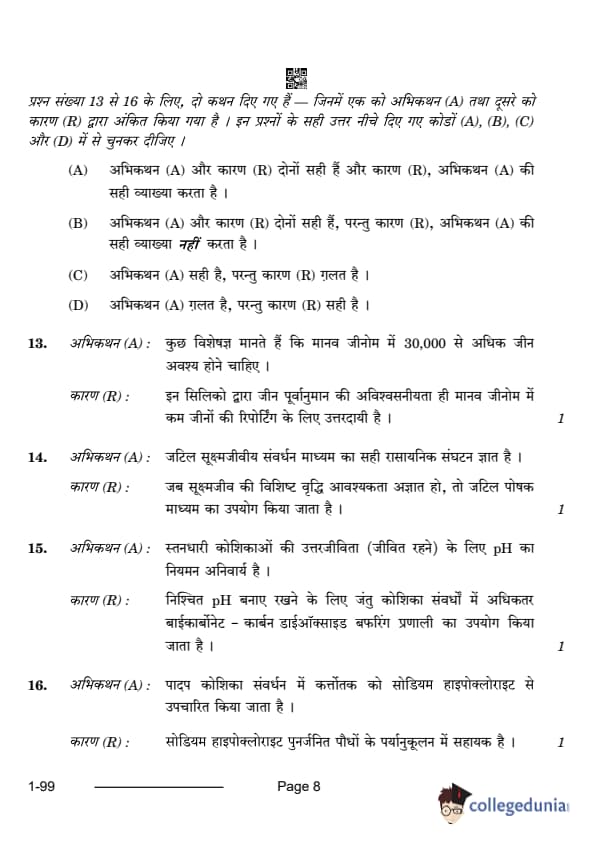
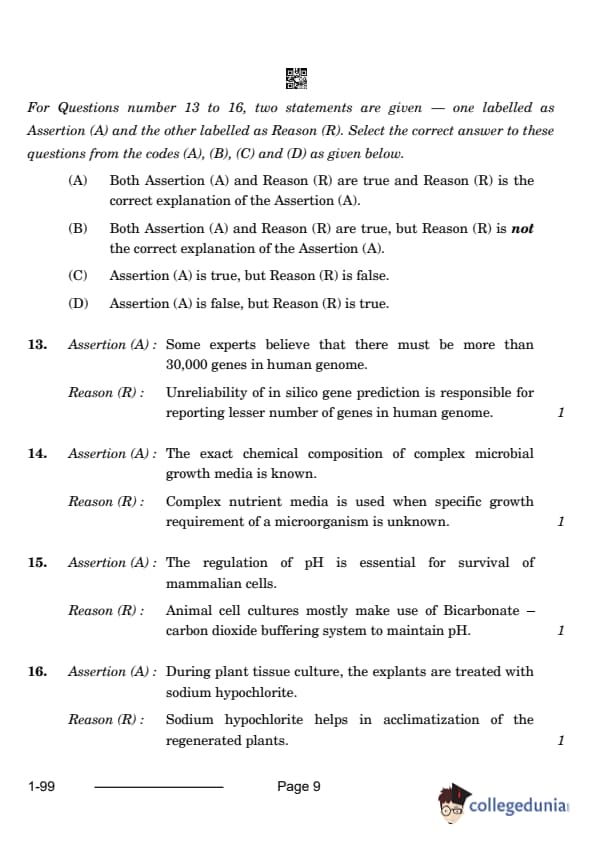
For Questions number 13 to 16, two statements are given—one labelled as Assertion (A) and the other labelled as Reason (R). Select the correct answer to these questions from the codes (A), (B), (C) and (D) as given below.
Assertion (A): Some experts believe that there must be more than 30,000 genes in human genome.
Reason (R): Unreliability of in silico gene prediction is responsible for reporting lesser number of genes in human genome.
View Solution
Assertion (A): Some experts have posited the possibility of the human genome containing more than 30,000 genes based on preliminary estimates and expected complexity of the system. As the human genome project progressed, they realised the actual number of genes was less than initially anticipated.
Reason (R): The reason is correct because it is true that *in silico* gene prediction is not fully reliable, especially with respect to non-coding regions and smaller genes. This has often resulted in a discrepancy between theoretical predictions and actual findings.
Explanation: Since both are true, and Reason (R) provides a valid justification for the assertion, (A) is the correct option. Quick Tip: In Assertion and Reason type questions, try to establish a clear link between the two statements before reaching a conclusion.
For Questions number 13 to 16, two statements are given—one labelled as Assertion (A) and the other labelled as Reason (R). Select the correct answer to these questions from the codes (A), (B), (C) and (D) as given below.
Assertion (A): The exact chemical composition of complex microbial growth media is known.
Reason (R): Complex nutrient media is used when specific growth requirement of a microorganism is unknown.
View Solution
Assertion (A): This assertion is incorrect. The exact chemical composition of complex microbial growth media is usually not fully known or defined. These media usually have complex mixtures of ingredients like extracts of yeast, meat, blood, peptones etc, and their composition is not clear.
Reason (R): The reason is correct. Complex media are generally used when the specific growth requirements of the microorganism are unknown, as the complex mixtures in them provide a range of essential nutrients which allow them to grow.
Explanation: Therefore, given that the assertion is incorrect, and the reason is correct, (D) is the correct option. Quick Tip: It is important to know the differences between defined and undefined media and their applications.
For Questions number 13 to 16, two statements are given—one labelled as Assertion (A) and the other labelled as Reason (R). Select the correct answer to these questions from the codes (A), (B), (C) and (D) as given below.
Assertion (A): The regulation of pH is essential for survival of mammalian cells.
Reason (R): Animal cell cultures mostly make use of Bicarbonate – carbon dioxide buffering system to maintain pH.
View Solution
Assertion (A): Maintaining a specific range of pH is essential for mammalian cells because their enzymes and other cellular processes operate efficiently only within this specific range, and a fluctuation in pH could lead to cell damage.
Reason (R): The Bicarbonate–carbon dioxide buffering system is commonly used in cell cultures to maintain a stable pH by reacting with acids or bases in the medium. However, this is not the only way in which the pH is controlled in a cell, where cellular mechanisms also play a part in pH regulation.
Explanation: Here, both the Assertion and the Reason are true, but the reason does not fully explain why pH regulation is essential for cell survival. Hence (B) is the right choice. Quick Tip: Be clear about different types of buffer systems used, and understand the link between pH levels and various biological processes.
For Questions number 13 to 16, two statements are given—one labelled as Assertion (A) and the other labelled as Reason (R). Select the correct answer to these questions from the codes (A), (B), (C) and (D) as given below.
Assertion (A): During plant tissue culture, the explants are treated with sodium hypochlorite.
Reason (R): Sodium hypochlorite helps in acclimatization of the regenerated plants.
View Solution
Assertion (A): Treating explants with sodium hypochlorite is done in plant tissue culture to sterilize them, and to remove surface pathogens that may be present on plant tissues, preventing microbial contamination during in vitro cultivation.
Reason (R): Sodium hypochlorite, although used for sterilisation, is not used for acclimating regenerated plants. Acclimatization involves preparing the plants for transfer to soil, through regulating environmental conditions like humidity.
Explanation: The assertion is correct, but the reason is false, making (C) the right choice. Quick Tip: Be sure to make a note of various chemicals used during tissue culture and their specific functions.
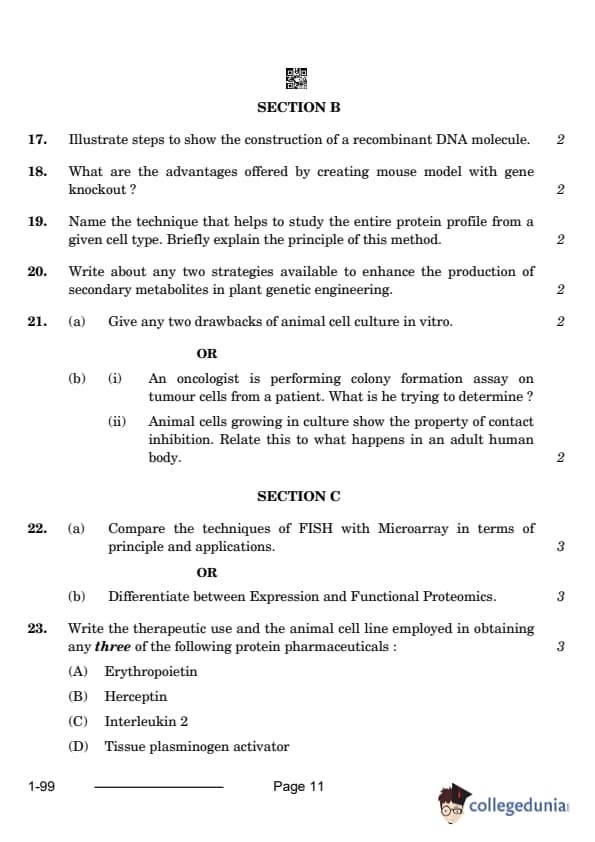
SECTION B
Question 17:
Illustrate steps to show the construction of a recombinant DNA molecule.
View Solution
The construction of a recombinant DNA molecule generally involves the following steps:
Isolation of DNA: The first step is to isolate the desired DNA fragment from a source (such as genomic DNA) and also the vector DNA (usually a plasmid) that will carry the desired DNA sequence into a host organism.
Cutting the DNA: Both the target DNA fragment and the vector DNA are then cut using the same restriction enzyme. This enzyme will create “sticky ends" or specific sequence on the DNA that can be used to join the target and the vector DNA.
Ligation: Next, the target and vector DNAs are joined together using a DNA ligase. This enzyme facilitates the formation of phosphodiester bonds, which joins the DNA sequences together, resulting in a recombinant DNA molecule, also known as a ‘chimeric’ DNA.
Transformation: This new molecule (vector plus insert) is then introduced into a host organism like \textit{E.coli through the process called transformation. Here the bacteria can grow, and it will replicate the vector containing the insert DNA.
Selection and Screening: The transformed cells are then screened to verify whether the DNA fragment has been successfully inserted. This usually involves antibiotic resistance and other selection techniques. Quick Tip: Remember the key steps involved in making a recombinant DNA molecule. Understand the role of restriction enzymes, DNA ligase and host organisms in this.
What are the advantages offered by creating a mouse model with gene knockout?
View Solution
Understanding Gene Function: Mouse models with gene knockout are beneficial for understanding the function of a specific gene. By eliminating a specific gene from the mouse genome, it is possible to observe the physiological or biological change that occurs in the mice. The changes, or lack thereof, give information regarding the function of the gene.
Disease Modeling: Gene knockout models can simulate human genetic diseases. This helps researchers study the mechanism of disease progression, as well as help in developing new diagnostics and therapeutic methods.
Searching for New Therapies: These models can be useful in testing new treatment approaches for human disease and to screen various therapies. Quick Tip: Make sure to remember that gene knockout models are important tools to study the effects of gene mutations, and are useful in disease biology.
Name the technique that helps to study the entire protein profile from a given cell type. Briefly explain the principle of this method.
View Solution
Technique: Two-Dimensional Gel Electrophoresis Technique combined with Mass Spectrometry or Mass Spectrometry Technique can be used for analyzing the complete protein profile of a cell.
Principle of Two-dimensional Gel Electrophoresis Technique: This method separates proteins based on their charge and size. In the first dimension, the proteins are separated using Isoelectric focusing (IEF) based on their isoelectric point. Then, the proteins are separated based on their molecular weight using SDS PAGE (sodium dodecyl-sulfate polyacrylamide gel electrophoresis).
Principle of Mass Spectrometry Technique: This technique determines the molecular weight of a chemical compound or protein by separating the molecular ions according to their mass-to-charge (m/z) ratio. Quick Tip: Be clear about the principle and purpose of proteomics techniques like Two Dimensional Gel Electrophoresis and Mass Spectrometry.
Write about any two strategies available to enhance the production of secondary metabolites in plant genetic engineering.
View Solution
Overexpression of Genes: One strategy is to overexpress the genes that encode for the first enzyme in a biosynthetic pathway. The first enzyme in the pathway is often the rate limiting step, and increasing its activity will increase the production of the end product.
Agrobacterium-mediated induction of secondary roots: Another technique is to use \textit{Agrobacterium rhizogenes to induce the formation of excessive secondary roots in plants that normally produce useful secondary metabolites in these roots, increasing their production and their harvesting. Quick Tip: Make sure to remember various methods in plant genetic engineering, and their application in producing useful products.
(a) Give any two drawbacks of animal cell culture in vitro.
View Solution
Small Size and Scale-Up Issues: One of the main issues of animal cell culture is that cultures are usually done on a small scale, and they may be difficult to scale up for commercial or industrial level production.
May Not Represent In-Vivo: An important limitation of in vitro animal cell culture is that it may not accurately reflect the natural characteristics of the cells in vivo in the body. This is mainly because the lab environment is very different from what is found in the body.
Other relevant points: Any other valid point from the chapter. Quick Tip: When mentioning the drawbacks of techniques, make sure to mention practical problems, along with theoretical and technical limitations.
SECTION C
Question 22:
(a) Compare the techniques of FISH with Microarray in terms of principle and applications.
View Solution
Principle of FISH (Fluorescence In Situ Hybridization): FISH is based on the principle of hybridization, where a fluorescently labelled DNA or RNA probe is hybridized to a complementary sequence on a chromosome. This hybridization indicates the presence and location of the target sequence. This is done using a microscopic slide.
Principle of Microarray: Microarrays utilize the principle of complementary base pairing. Fluorescently labelled, single-stranded DNA probes bind to a single-stranded DNA molecules on a microarray plate. This hybridization is detected to see the presence and level of expression of certain genes or DNA sequences.
Applications of FISH:
Diagnosis of genetic diseases by locating and identifying genetic aberrations like deletions, amplifications, and translocations.
Locating specific DNA sequences on chromosomes.
Identification of presence or absence of a particular gene.
Studying translocation of genes on chromosomes by visualizing these translocations under a microscope.
Applications of Microarray:
To monitor the whole genome at once, to study gene expression patterns, to see the interactions of genes using a chip based assay.
To compare the amounts of mRNA transcripts in cell populations, which can be useful in studying regulatory defects, cellular responses and cell cycle variations. Quick Tip: Note the differences in principle and applications of FISH and Microarray. The former works by hybridizing the probe with DNA on a slide, whereas the latter works on DNA on a chip based platform.
Write the therapeutic use and the animal cell line employed in obtaining any \textbf{three} of the following protein pharmaceuticals:
(A) Erythropoietin
(B) Herceptin
(C) Interleukin 2
(D) Tissue plasminogen activator
View Solution
(A) Erythropoietin:
Therapeutic Use: Erythropoietin is primarily used for the treatment of anemia, especially in patients with kidney disease and those undergoing chemotherapy.
Animal Cell Line: The most commonly used animal cell line for production of Erythropoietin is CHO (Chinese Hamster Ovary) cell line.
(B) Herceptin:
Therapeutic Use: Herceptin (Trastuzumab) is used for breast cancer therapy, particularly in cases where the cancer cells overexpress the HER2 protein.
Animal Cell Line: The production of Herceptin typically involves the CHO cell line.
(C) Interleukin-2:
Therapeutic Use: Interleukin-2 is mainly used for treating cancer.
Animal Cell Line: The most used cell line for production of Interleukin-2 is CHO cells.
(D) Tissue plasminogen activator (tPA):
Therapeutic Use: Tissue plasminogen activator (tPA) is used in treating stroke and dissolves blood clots.
Animal Cell Line: tPA is produced using CHO cells. Quick Tip: Memorizing a few key protein pharmaceuticals with their application, and also the commonly used cell lines is important.
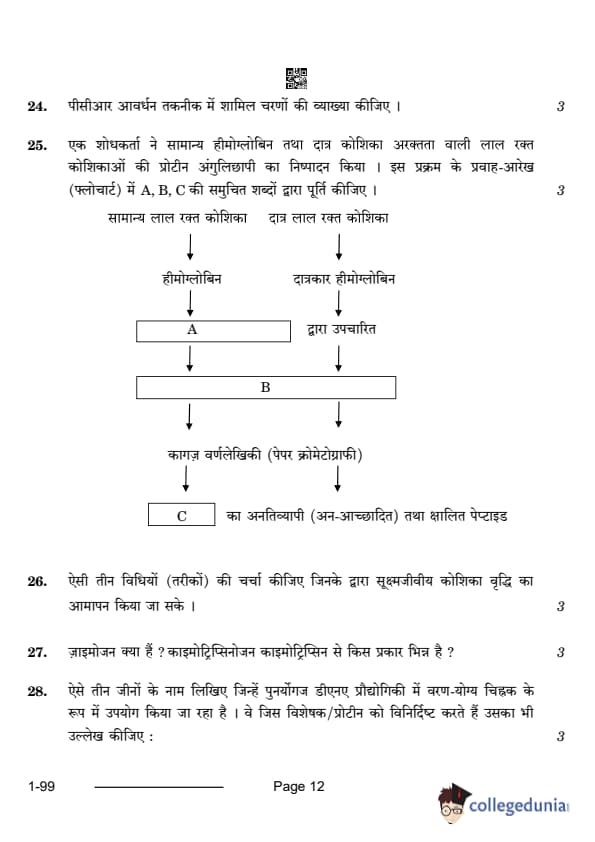
Explain the steps involved in PCR amplification method.
View Solution
Denaturation: In the first step, the DNA is heated to a high temperature (around 94-98°C). This separates the double-stranded DNA into single-stranded templates, and thus facilitates the process of amplification.
Annealing: In the second step, the temperature is lowered (around 50-65°C) so that the primers can bind to the specific sequences flanking the target DNA sequence at the 3' ends of each of the templates.
Extension: The temperature is then raised again to 72°C, the optimal temperature for the DNA polymerase enzyme to extend the primers. Here, the Taq DNA polymerase extends each primer using dNTPs, and replicates the DNA, producing a copy of the target region.
Repeat Cycles: The entire cycle is repeated multiple times which amplifies the target DNA exponentially, thus producing millions of copies of the desired sequence. Quick Tip: Remember the different temperatures used in different steps of PCR, the functions of primers and DNA polymerase, and how the process leads to amplification of a sequence.
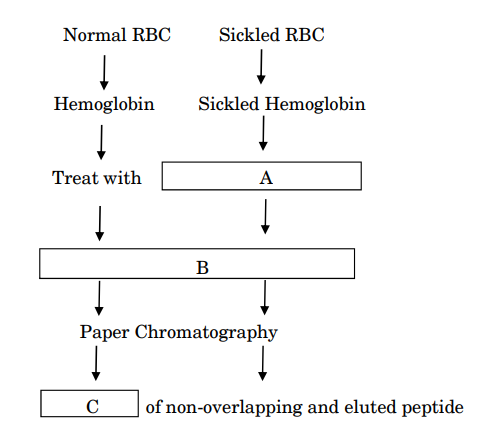
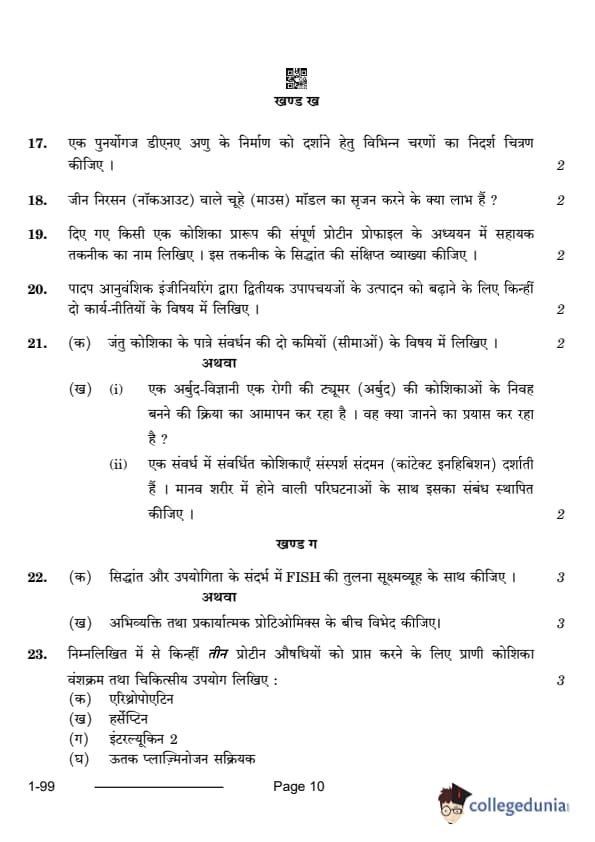
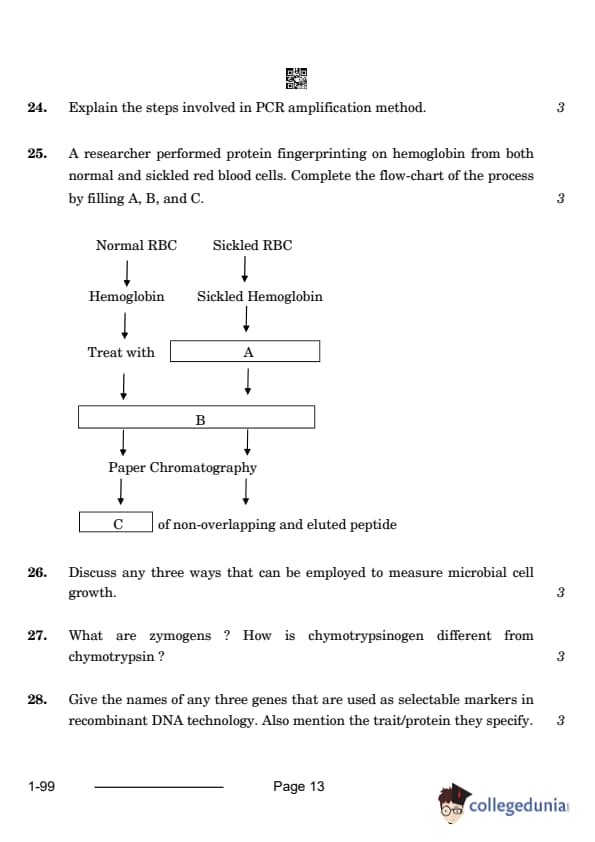
A researcher performed protein fingerprinting on hemoglobin from both normal and sickled red blood cells. Complete the flow-chart of the process by filling A, B, and C.
View Solution
A - Trypsin: In the first step, the proteins are treated with trypsin. Trypsin is a proteolytic enzyme that is used to cut proteins at specific amino acid sequences.
B - Paper Electrophoresis: The next step is to use paper electrophoresis to separate the resulting fragments based on their charge.
C - Sequencing: Finally, sequencing is done on the non-overlapping and eluted peptides from the chromatography, and this allows us to find the amino acid sequence of each peptide. Quick Tip: Be clear about the sequence of steps used in protein fingerprinting and the type of information that can be gained from each step.
Discuss any three ways that can be employed to measure microbial cell growth.
View Solution
Viable Plate Count Method: In this method, the number of living cells in a microbial culture are counted by the number of colonies that grow after being plated in a petri dish. The colony forming units (CFUs) give a measure of how many cells are growing in the original culture.
Turbidity Measurement: A spectrophotometer can be used to measure the turbidity or optical density of a microbial culture. The absorbance of the culture at a certain wavelength is proportional to cell concentration. This method is useful for quick and easy estimation of cell density.
Coulter Counter: A Coulter counter is a device that can count cells directly as they pass through a narrow pore. This provides a direct reading of the cell number, and is often used to measure cell count in a suspension.
Dry Weight: In this technique, the weight of the fixed volume of culture is measured after drying. It gives a direct estimate of the biomass.
Wet Weight: Here, the wet weight of a fixed volume of the culture is directly measured.
ATP Measurement: ATP concentration in a cell culture is measured by using ATP bioluminescence assay. Quick Tip: Make sure to remember that there are various ways to measure microbial growth, including both direct and indirect methods.
What are zymogens? How is chymotrypsinogen different from chymotrypsin?
View Solution
Zymogens: Zymogens, also called proenzymes, are inactive precursors of proteolytic enzymes. They are stored in this inactive state so that they don’t cause unwanted damage to cells.
Chymotrypsinogen vs. Chymotrypsin:
Chymotrypsinogen: This is the inactive precursor of chymotrypsin. It does not possess enzymatic activity on its own.
Chymotrypsin: This is the active enzyme, formed after modification of chymotrypsinogen through proteolysis.
Active Site: In the chymotrypsinogen, the substrate-binding pocket is blocked, and it is not exposed. However, once it is transformed into chymotrypsin, this pocket is made exposed.
Serine: In chymotrypsinogen, the Serine 195 in the active site is not acidic, but once it has been transformed to chymotrypsin, the Serine 195 becomes acidic.
Charge Relay: Charge relay system in chymotrypsinogen does not function, whereas in chymotrypsin, it starts to operate, making it active. Quick Tip: Understand the process of zymogen activation, and note the structural differences that cause them to be inactive and active.
Give the names of any three genes that are used as selectable markers in recombinant DNA technology. Also mention the trait/protein they specify.
View Solution
Ampicillin resistance gene: This gene encodes a protein that makes the bacteria resistant to the antibiotic ampicillin, and hence gives the bacteria a selective advantage in the presence of ampicillin.
Lac Z gene: The Lac Z gene encodes an enzyme called beta-galactosidase which is required for breaking down the disaccharide lactose.
GFP gene: The GFP (Green Fluorescent Protein) gene encodes a protein that fluoresces green under UV light.
Tetracycline resistance gene: This provides resistance against the antibiotic tetracycline.
Leu 2 gene: This is a marker gene which codes for an enzyme needed for synthesis of an amino acid, leucine. Quick Tip: Remember that selectable marker genes are useful tools in recombinant technology, and try to know the particular trait/protein associated with them.
SECTION D
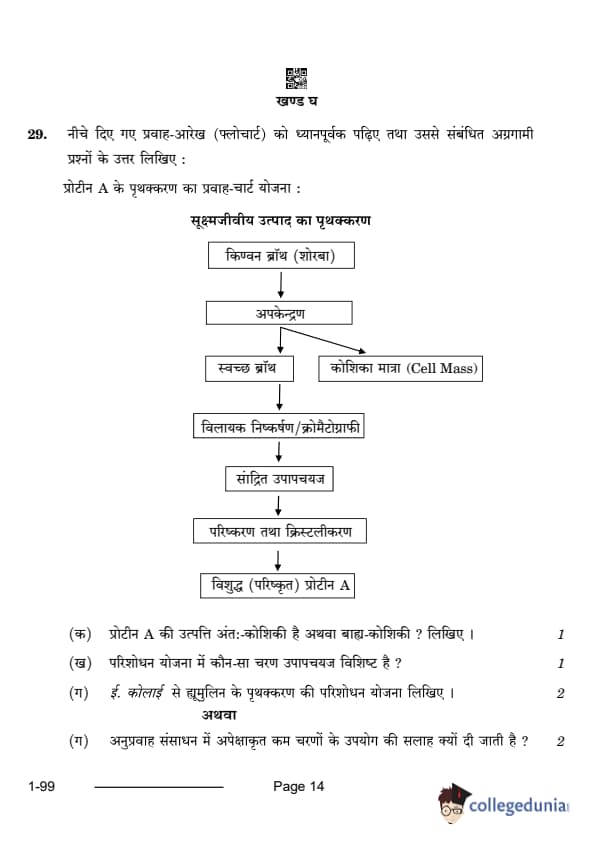
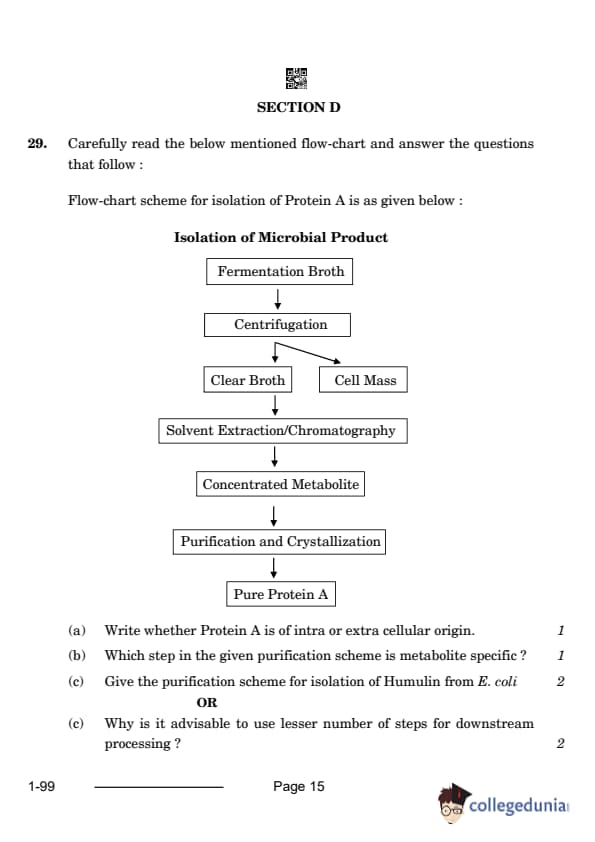
29. Carefully read the below mentioned flow-chart and answer the questions that follow :
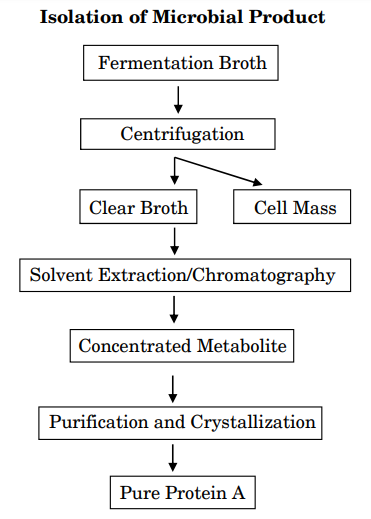
Flow-chart scheme for isolation of Protein A is as given below :
Question 29:
(a) Write whether Protein A is of intra or extra cellular origin.
View Solution
Based on the given flow chart, Protein A is extracellular in origin. This is because the cell mass is removed after fermentation, and the protein of interest is obtained from the clear broth. Quick Tip: Analyze the diagram carefully to trace the origin of the product.
(b) Which step in the given purification scheme is metabolite specific?
View Solution
The purification step which involves ‘Solvent Extraction/Chromatography’ is highly metabolite-specific because it uses chemical properties of a compound to purify it. Both solvent extraction and chromatography are methods for separating or purifying certain specific chemical compounds from complex mixtures. Quick Tip: Remember the separation techniques and how they are based on the different properties of different metabolites.
(c) Give the purification scheme for isolation of Humulin from E. coli.
View Solution
Fermentation Broth: \textit{E. coli containing the recombinant plasmid (carrying the gene for human insulin, “Humulin") is cultured in a fermenter.
Cell Harvest and Lysis: After the fermentation is complete, the bacterial cells are harvested and lysed to release all the intracellular contents including the Humulin protein.
Cell debris removal and protein solubilization: Cell debris is removed by methods like centrifugation and filtration. The Humulin protein needs to be solubilised by using buffers, before it can be separated from other proteins.
Chromatography: The solubilized protein mix is then passed through chromatographic columns to purify the protein using different methods based on size, charge or affinity.
Refolding and purification: The protein can be purified and refolded to reach its active form.
Final Purification: The resulting product may undergo additional steps of purification to meet the pharmaceutical standards. Quick Tip: Focus on both the source organism, and the different methods that need to be employed when working with intracellular proteins.
(c) Why is it advisable to use lesser number of steps for downstream processing?
View Solution
Reduced Cost: Fewer steps in downstream processing reduce the overall cost of the manufacturing process.
Increased Yield: Fewer steps prevent product loss during processing, which would improve overall product yield.
Time Efficiency: Less steps in processing save time, as it means fewer procedures and lower processing time. Quick Tip: Always highlight that efficiency in biotechnology processes is achieved by balancing time and costs.
Question 30:
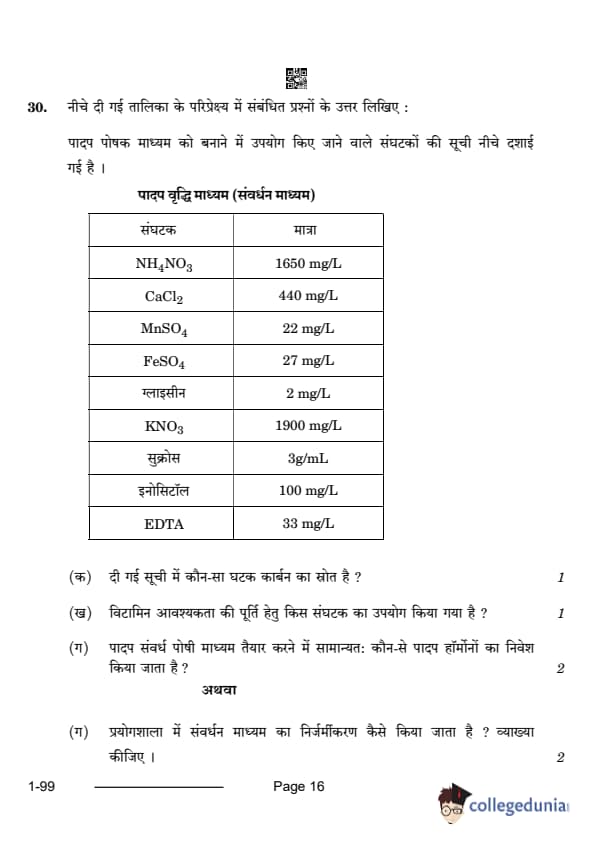
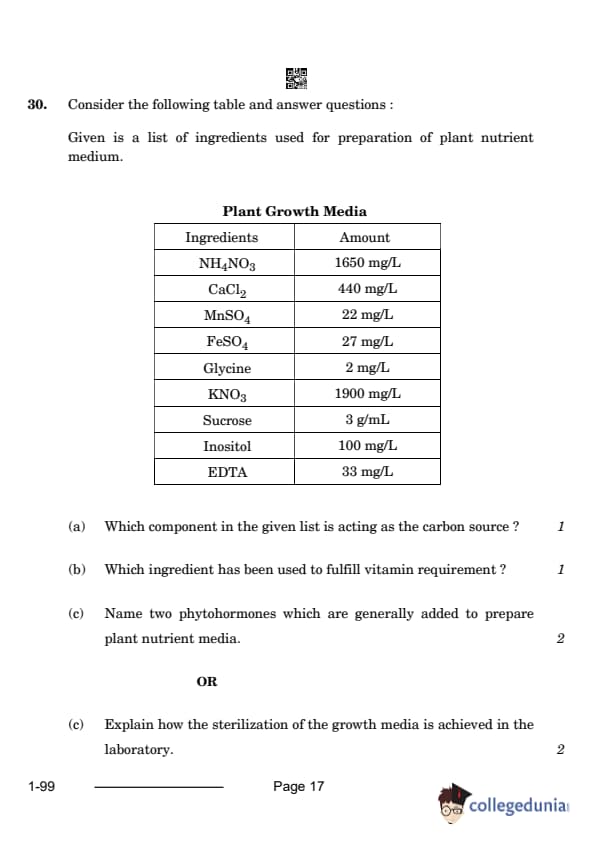
Consider the following table and answer questions :
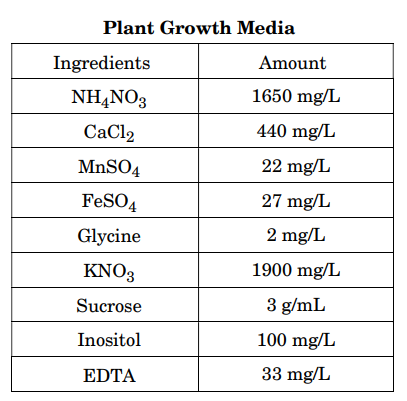
Given is a list of ingredients used for preparation of plant nutrient medium.
(a) Which component in the given list is acting as the carbon source?
View Solution
Sucrose is the component in the given list that acts as the carbon source. Quick Tip: Remember that Carbon is important for the growth of tissues, and that it is usually sourced from simple sugars.
(b) Which ingredient has been used to fulfill vitamin requirement?
View Solution
Inositol is an ingredient that has been used to fulfill vitamin requirements, as it is important for cell growth and metabolism. It is often classified as a vitamin-like compound. Quick Tip: Remember that certain vitamins and other growth factors are important components of a growth medium.
(c) Name two phytohormones which are generally added to prepare plant nutrient media.
View Solution
Auxins and cytokinins are two classes of phytohormones (plant growth hormones) that are generally added to plant nutrient media. Quick Tip: It is necessary to remember different classes of plant growth hormones and their role in growth and differentiation of plant tissues.
(c) Explain how the sterilization of the growth media is achieved in the laboratory.
View Solution
Autoclaving: Autoclaving is a common method for sterilizing growth media. The media is heated to a high temperature (usually 121°C) under high pressure (15 psi) for 15-20 minutes in an autoclave. This ensures that microbes and spores are killed in the growth media.
Membrane Filter Sterilization: Another common method involves filtering the media with a membrane filter. Here, the media is forced through a membrane with a very fine pore size (0.2 or 0.22 micrometer pore size). This process physically removes microbes from the media, making it sterile for use in the lab. Quick Tip: Remember the different methods of sterilisation, and the principles on which they work.
SECTION E
Question 31:
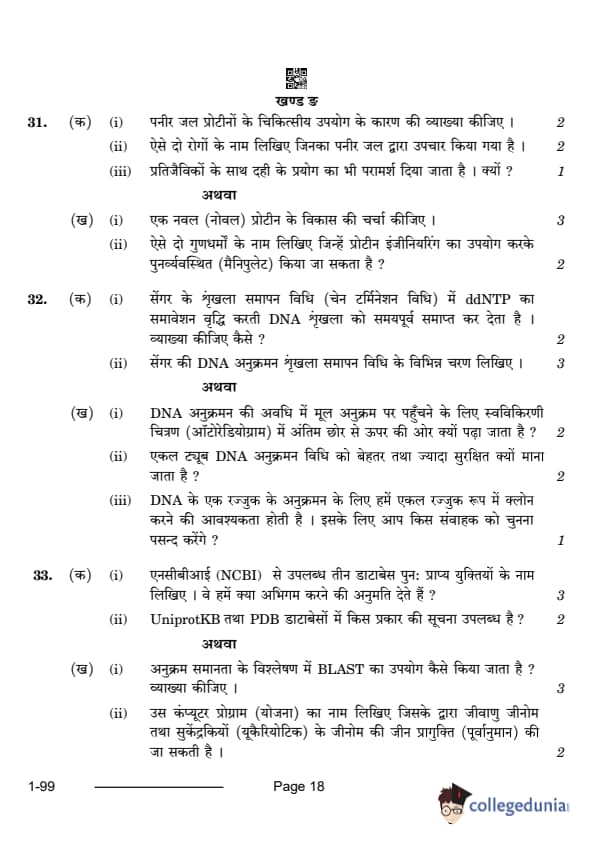
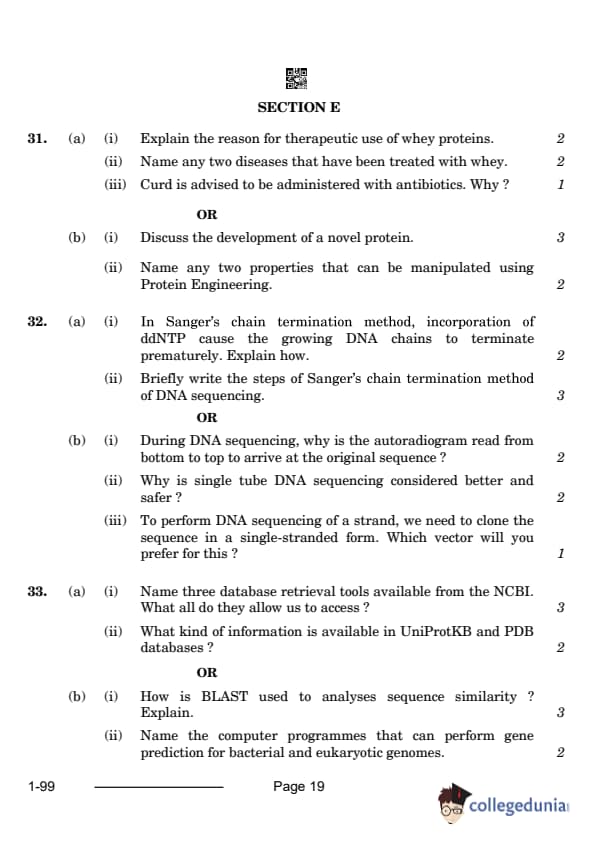
(a) (i) Explain the reason for therapeutic use of whey proteins.
(ii) Name any two diseases that have been treated with whey.
(iii) Curd is advised to be administered with antibiotics. Why?
View Solution
(i) Reason for therapeutic use of whey proteins: Whey proteins are a rich source of essential amino acids, which makes them useful for different applications in human health.
Whey proteins are known to elevate glutathione levels in cells, which can detoxify xenobiotics and is useful in preventing many types of diseases.
Whey proteins also protect cellular components from reactive oxygen species and free radicals, which reduces cell damage and can protect the cells.
(ii) Two diseases treated with whey: Whey proteins have shown positive results in the management of various health conditions. Some of these conditions include:
Jaundice
Infected skin lesions
Genito-urinary tract infections
Intestinal infections
(iii) Curd and antibiotics: Curd is often advised to be taken with antibiotics as it is a probiotic and a source of beneficial bacteria. Antibiotics can kill beneficial bacteria of the gut, and the presence of beneficial bacteria in curd helps to recolonize the intestinal tract. Quick Tip: Make sure to remember the therapeutic uses of different proteins and how they benefit in different disease conditions.
Question 31:
(b) (i) Discuss the development of a novel protein.
(ii) Name any two properties that can be manipulated using Protein Engineering.
View Solution
(i) Development of a novel protein: Recombinant vaccine based on selected epitope:
To develop a novel protein using recombinant DNA technology, it is first necessary to select an epitope, which is a specific portion of a protein of a virus that can create an immune response.
A synthetic gene for the selected epitope is assembled, and introduced into a host cell, like bacteria or yeast.
These host cells are grown on a large scale.
Then the epitope protein is isolated and purified for use as a recombinant vaccine, or as a subunit vaccine.
(ii) Properties that can be manipulated using Protein Engineering: Using Protein Engineering techniques, various properties of proteins can be modified, and some of these include:
Thermal stability: The protein can be modified to make it stable at higher temperatures.
pH stability: The protein can be modified to make it stable in a wider range of pH.
Solvent tolerance: This allows the protein to function effectively in the presence of various solvents.
Solubility: It is possible to manipulate the solubility of the protein.
Catalytic Potency: This enables one to enhance the catalytic activity of a protein.
Biological adaptation to environmental stresses: Using protein engineering, proteins can be manipulated to increase their tolerance to various stresses, such as high salinity, drought, and extreme temperatures. Quick Tip: Remember the different stages of vaccine development, and the various strategies employed by protein engineering techniques.
(a) (i) In Sanger's chain termination method, incorporation of ddNTP cause the growing DNA chains to terminate prematurely. Explain how.
(ii) Briefly write the steps of Sanger's chain termination method of DNA sequencing.
View Solution
(i) Chain Termination by ddNTPs: Dideoxynucleotides (ddNTPs) are analogs of deoxynucleotides (dNTPs) used in DNA synthesis. They lack a 3'-hydroxyl group (-OH), which is required for the formation of a phosphodiester bond with the incoming nucleotide. Therefore, if a ddNTP is incorporated into a DNA strand by the DNA polymerase, no further nucleotide can be added to the chain, leading to premature termination of the DNA synthesis.
(ii) Steps of Sanger's chain termination method of DNA sequencing:
Reaction Setup: The DNA to be sequenced is used as the template in four different tubes. Each tube also contains a DNA polymerase, a primer, deoxynucleotide triphosphates (dNTPs), and one of the four dideoxynucleotide triphosphates (ddATP, ddGTP, ddCTP, or ddTTP), at a low concentration.
DNA Synthesis: DNA polymerase starts to extend the primer. If any of the ddNTPs are incorporated into the new strand, it leads to premature chain termination.
Chain Termination: Synthesis proceeds until a ddNTP is incorporated at random positions of the growing strand. As ddNTPs lack the 3’OH group, extension can no longer proceed. This generates many different chains of varying lengths, with the ddNTP at the terminating position.
Gel Electrophoresis: The DNA fragments are then separated based on their size using gel electrophoresis. Here, smaller fragments move further down the gel, and larger fragments move slowly.
Autoradiography/Visualization: The fragments are visualised in the gel using radioactive markers or fluorescent dyes. This produces a ladder-like image with the smallest band appearing at the bottom, and the sequence is read from bottom to top. Quick Tip: Make sure to remember the roles of different enzymes in the DNA replication process, and the method of chain termination by ddNTPs.
(OR)
Question 32:
(b) (i) During DNA sequencing, why is the autoradiogram read from bottom to top to arrive at the original sequence ?
(ii) Why is single tube DNA sequencing considered better and safer ?
(iii) To perform DNA sequencing of a strand, we need to clone the sequence in a single-stranded form. Which vector will you prefer for this ?
View Solution
(i) Reading Autoradiogram from Bottom to Top: During DNA sequencing, the autoradiogram which is obtained after gel electrophoresis is read from bottom to top to determine the sequence. This is because the smallest fragments migrate fastest and reach the bottom of the gel and the larger fragments move slowly and stay at the top. As DNA synthesis occurs in 5' to 3' direction, reading from bottom to top shows the 5' to 3' sequence.
(ii) Single-tube DNA sequencing considered better and safer: Single tube sequencing is considered better and safer because it is automated, faster, and uses a single lane for gel electrophoresis which simplifies the process. It also uses fluorescent dyes, which are safer compared to radioactive isotopes that are used in the original method. The results can be directly displayed on a computer screen, and it is easier to store the data.
(iii) Vector Preference for Single-Stranded DNA Sequencing: M13-based vector will be the preferred vector for sequencing single stranded DNA. This vector carries single stranded DNA within the viral particles, which makes it ideal for cloning single-stranded DNA. Quick Tip: Remember how DNA fragments are separated on the basis of size and the different properties of the vectors.
(a) (i) Name three database retrieval tools available from the NCBI. What all do they allow us to access ?
(ii) What kind of information is available in UniProtKB and PDB databases?
View Solution
(i) Three Database Retrieval Tools from NCBI: The National Center for Biotechnology Information (NCBI) offers several database retrieval tools that allow access to biological information. Some of them include:
Entrez: Entrez allows users to access literature, sequences and structures, and it provides a very broad access to various types of information related to biology and medicine.
Taxonomy Browser: The Taxonomy browser provides taxonomic classification of various organisms (like animals, bacteria, plants etc).
Locus Link: Locus Link provides information on official gene names, descriptive information about the genes and about homologous genes.
(ii) Information in UniProtKB and PDB:
UniProtKB: The UniProtKB (Universal Protein Knowledgebase) provides detailed information about proteins, including annotated protein sequences, functions, structures and other related information.
PDB: The PDB (Protein Data Bank) provides information about the three-dimensional structure of proteins and other macromolecules. This is a key database in structural biology, and allows researchers to view the structure of the proteins. Quick Tip: Remember that databases like NCBI, UniProtKB and PDB are very important sources of biological information for researchers.
(OR)
Question 33:
(b) (i) How is BLAST used to analyse sequence similarity ? Explain.
(ii) Name the computer programmes that can perform gene prediction for bacterial and eukaryotic genomes.
View Solution
(i) BLAST for Analyzing Sequence Similarity: Basic Local Alignment Search Tool (BLAST) is a bioinformatics tool used to find regions of local similarity between sequences.
BLAST works by comparing a given DNA or protein sequence with sequences in databases using matrices that give scores for the alignment of these sequences.
Matches receive a reward score, and mismatches receive a penalty, and these scores are added to arrive at a final score for the alignment.
Top-scoring matches are ranked based on whether the match was due to an ancestral relationship or just by random chance, and matches with high similarity can be useful in identifying genes or proteins of interest.
True matches are then examined using ENTREZ.
(ii) Computer Programs for Gene Prediction:
GeneMark is a program that can perform gene prediction for bacterial genomes.
GENSCAN is a program that is used to predict the presence of genes in eukaryotic genomes. Quick Tip: Remember BLAST and other computational tools are useful in bioinformatics for analyzing sequence data.







Comments