




The Kerala Board of Public Examinations (KBPE) successfully conducted the Class 10 Biology Exam on March 30, 2026. The Kerala Board SSLC Class 10 Biology Question Paper with Solution PDF is now available for download.
The Kerala Board Class 10 Biology paper includes important topics such as life processes, cell structure and functions, heredity and evolution, human body systems, environmental management, and biotechnology. Students should focus on understanding biological concepts, diagrams, scientific explanations, and application-based questions. The exam is typically conducted as part of the SSLC board examinations and plays a significant role in evaluating students' understanding of fundamental biological principles.
Kerala Board Class 10 2026 Biology Question Paper with Solution PDF
| Kerala Board Class 10 Biology Question Paper 2026 | Download PDF | Check Solution |
Question 1:
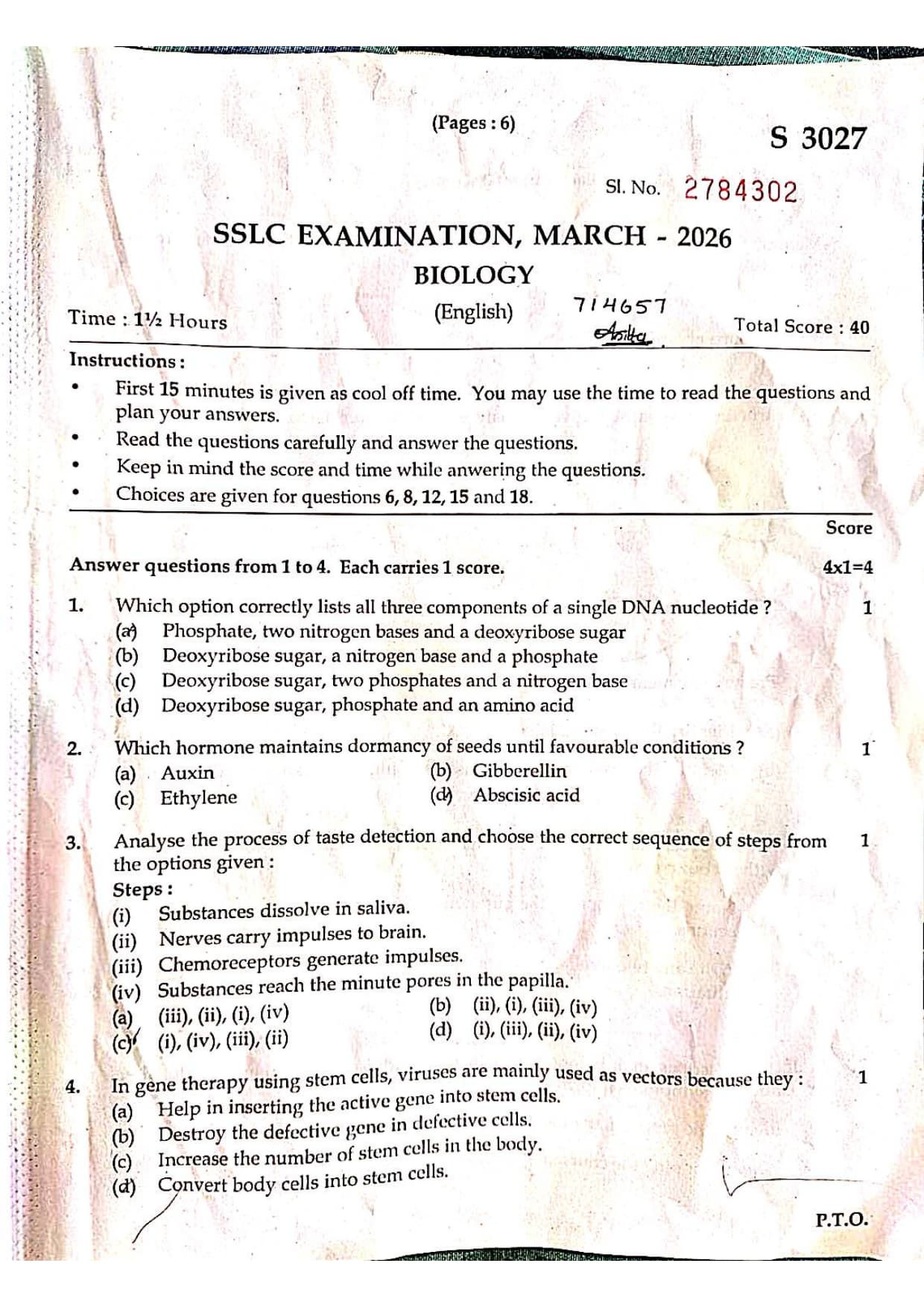
Which option correctly lists all three components of a single DNA nucleotide?
Which hormone maintains dormancy of seeds until favourable conditions?
Analyse the process of taste detection and choose the correct sequence of steps from the options given:
Steps:
(i) Substances dissolve in saliva.
(ii) Nerves carry impulses to brain.
(iii) Chemoreceptors generate impulses.
(iv) Substances reach the minute pores in the papilla.
In gene therapy using stem cells, viruses are mainly used as vectors because they:
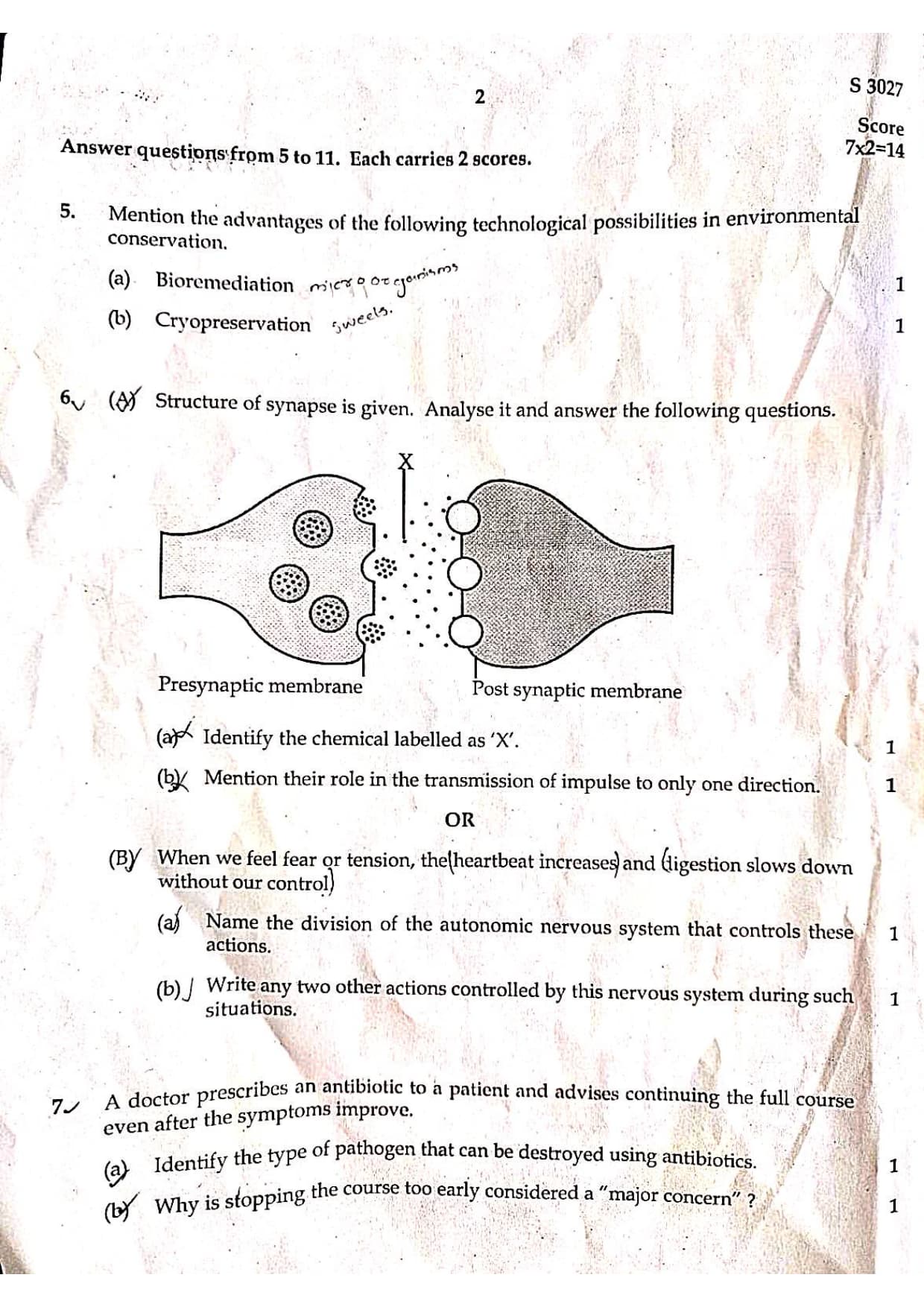
Mention the advantages of the following technological possibilities in environmental conservation:
(a) Bioremediation
(b) Cryopreservation
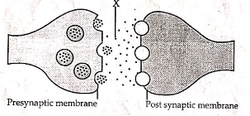
Structure of synapse is given. Analyse it and answer the following questions.
(a) Identify the chemical labelled as `X'.
(b) Mention their role in the transmission of impulse to only one direction.
When we feel fear or tension, the heartbeat increases and digestion slows down without our control.
(a) Name the division of the autonomic nervous system that controls these actions.
(b) Write any two other actions controlled by this nervous system during such situations.
A doctor prescribes an antibiotic to a patient and advises continuing the full course even after the symptoms improve.
(a) Identify the type of pathogen that can be destroyed using antibiotics.
(b) Why is stopping the course too early considered a “major concern”?
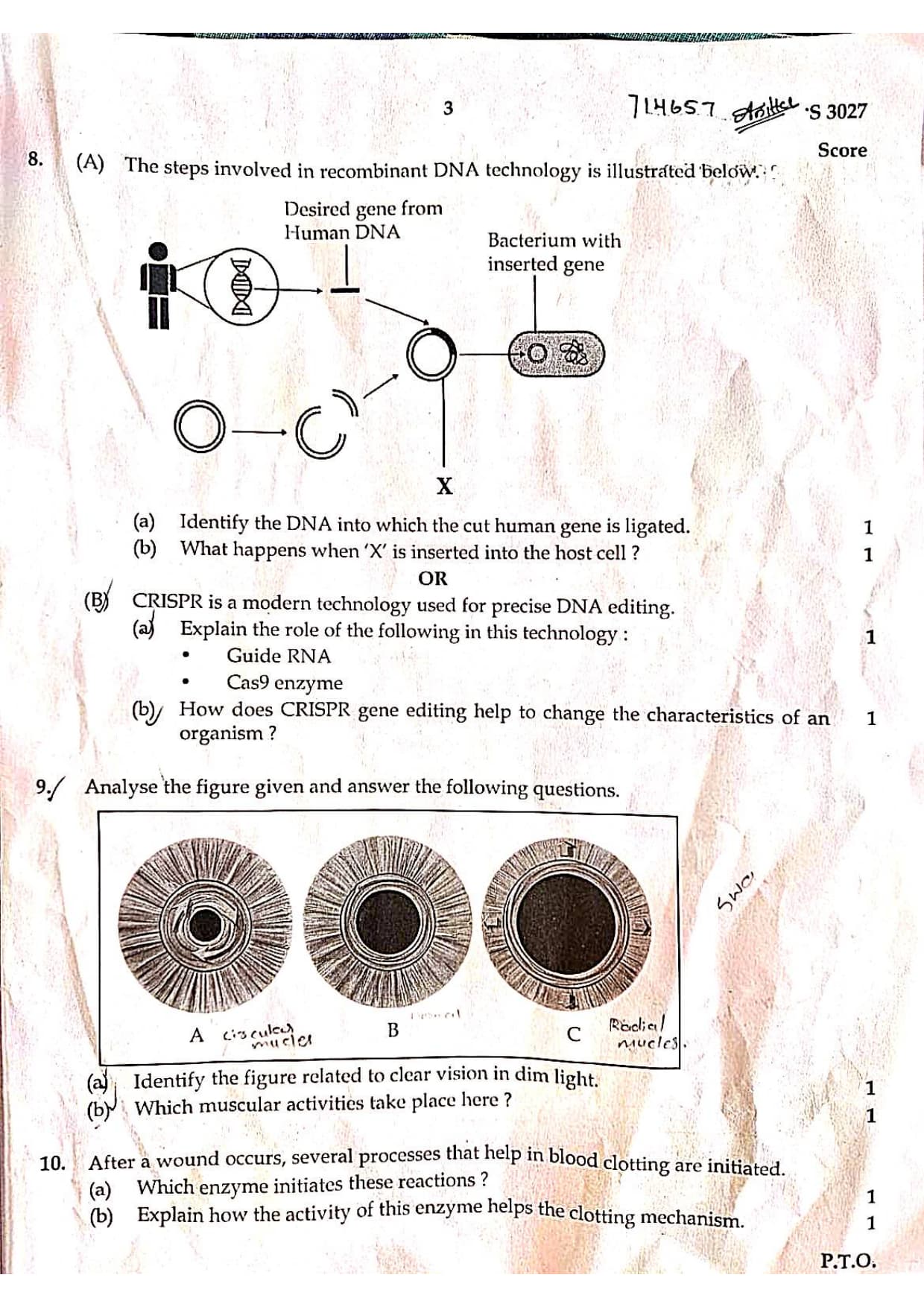
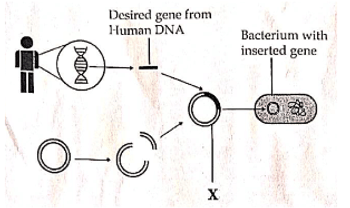
(A) The steps involved in recombinant DNA technology is illustrated below:
(a) Identify the DNA into which the cut human gene is ligated.
(b) What happens when ‘X’ is inserted into the host cell?
CRISPR is a modern technology used for precise DNA editing.
(a) Explain the role of the following in this technology:
• Guide RNA
• Cas9 enzyme
How does CRISPR gene editing help to change the characteristics of an organism?
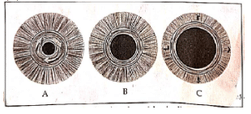
Analyse the figure given and answer the following questions.
(a) Identify the figure related to clear vision in dim light.
(b) Which muscular activities take place here?
After a wound occurs, several processes that help in blood clotting are initiated.
(a) Which enzyme initiates these reactions?
(b) Explain how the activity of this enzyme helps the clotting mechanism.
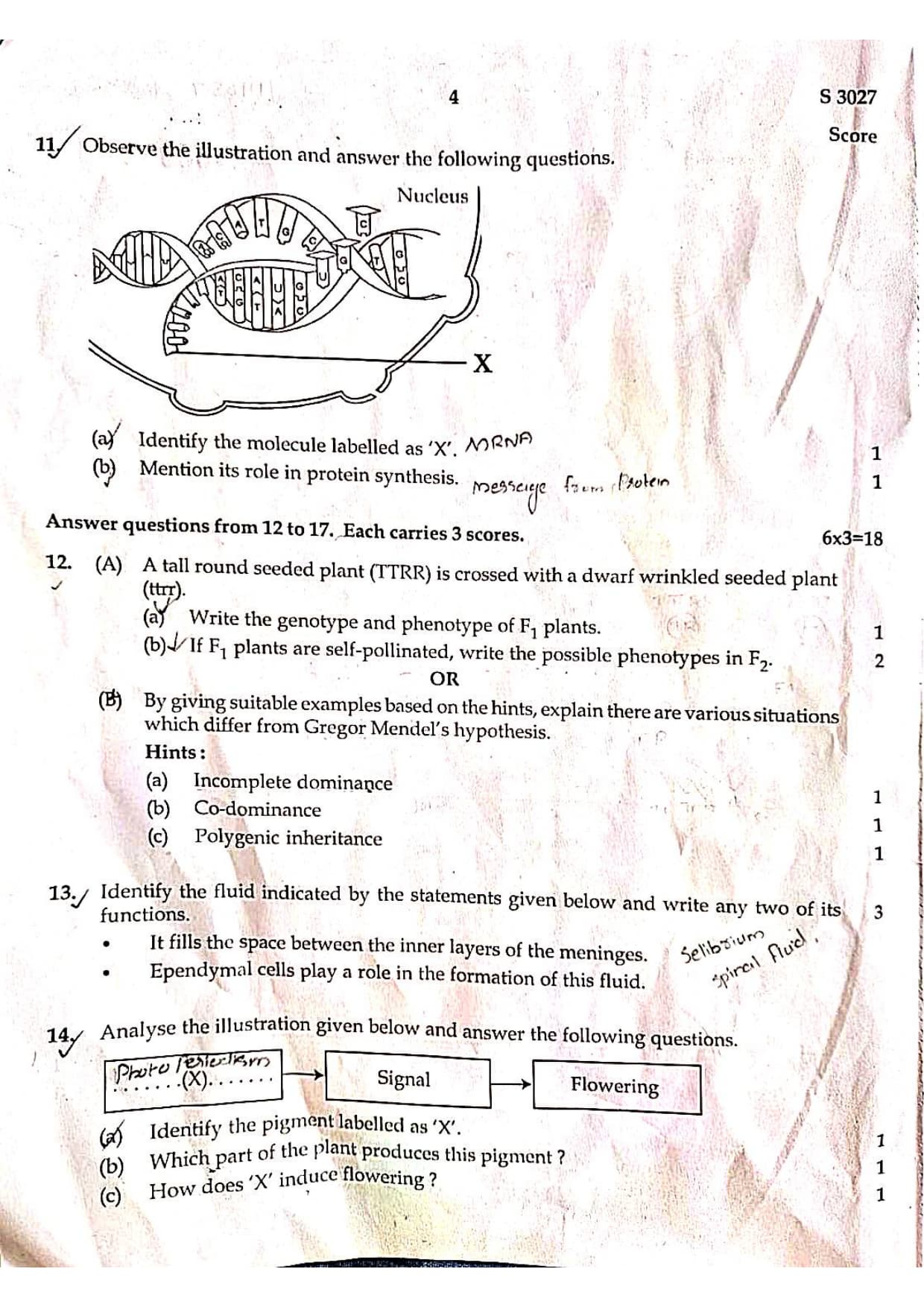
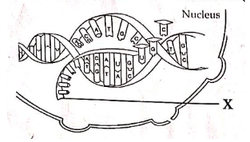
Observe the illustration and answer the following questions.
(a) Identify the molecule labelled as ‘X’.
(b) Mention its role in protein synthesis.
A tall round seeded plant (TTRR) is crossed with a dwarf wrinkled seeded plant (ttrr).
(a) Write the genotype and phenotype of F\(_1\) plants.
(b) If F\(_1\) plants are self-pollinated, write the possible phenotypes in F\(_2\).
By giving suitable examples based on the hints, explain there are various situations which differ from Gregor Mendel’s hypothesis.
Hints:
(a) Incomplete dominance
(b) Co-dominance
(c) Polygenic inheritance
Identify the fluid indicated by the statements given below and write any two of its functions.
• It fills the space between the inner layers of the meninges.
• Ependymal cells play a role in the formation of this fluid.
Analyse the illustration given below and answer the following questions.
(a) Identify the pigment labelled as ‘X’.
(b) Which part of the plant produces this pigment?
(c) How does ‘X’ induce flowering?

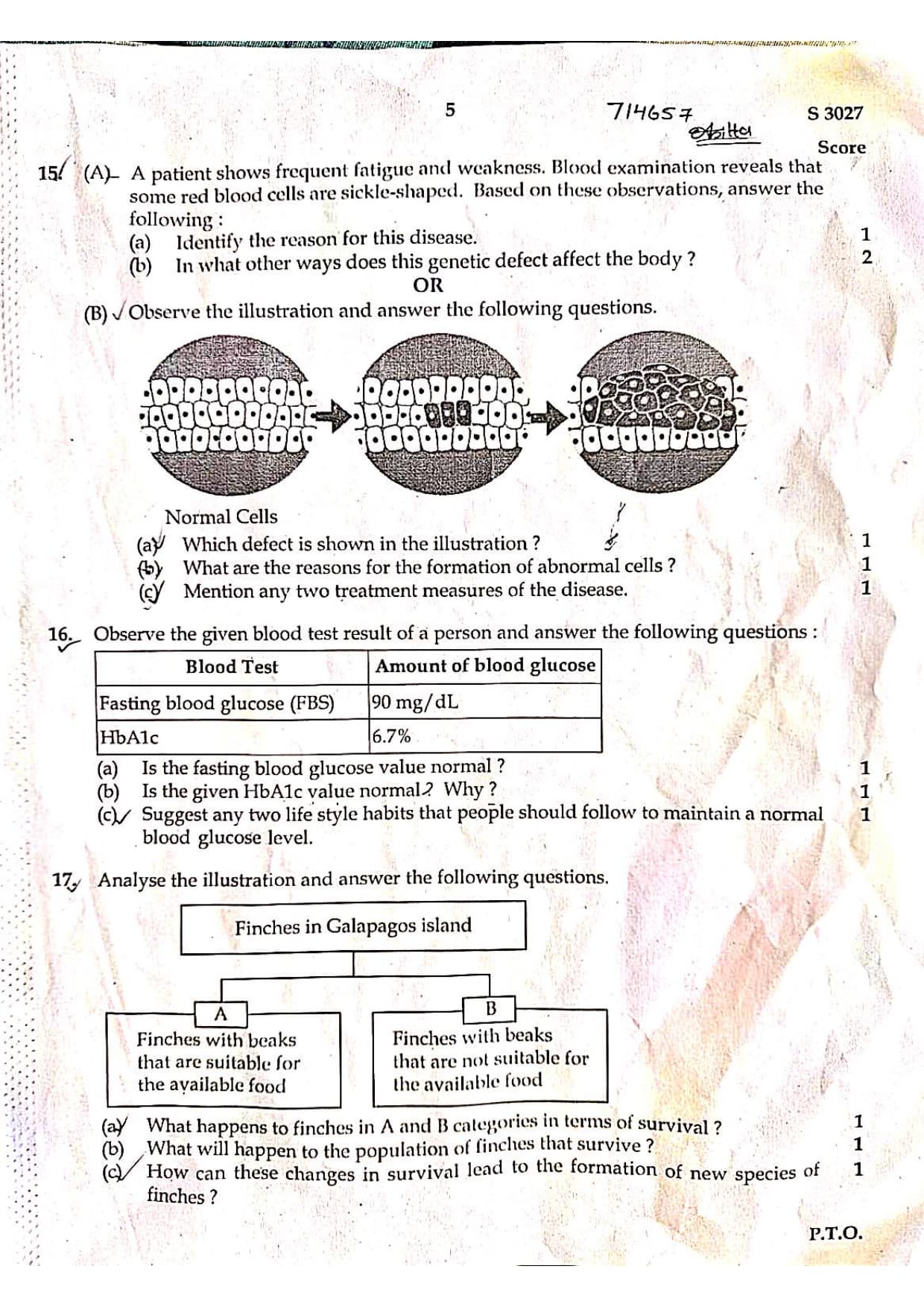
A patient shows frequent fatigue and weakness. Blood examination reveals that some red blood cells are sickle-shaped. Based on these observations, answer the following:
(a) Identify the reason for this disease.
(b) In what other ways does this genetic defect affect the body?
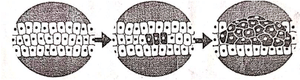
Observe the illustration and answer the following questions.
(a) Which defect is shown in the illustration?
(b) What are the reasons for the formation of abnormal cells?
(c) Mention any two treatment measures of the disease.
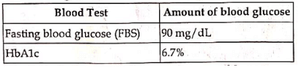
Observe the given blood test result of a person and answer the following questions:
(a) Is the fasting blood glucose value normal?
(b) Is the given HbA1c value normal? Why?
(c) Suggest any two lifestyle habits that people should follow to maintain a normal blood glucose level.
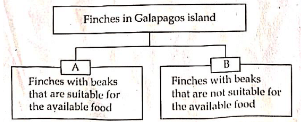
Analyse the illustration and answer the following questions.
(a) What happens to finches in A and B categories in terms of survival ?
(b) What will happen to the population of finches that survive ?
(c) How can these changes in survival lead to the formation of new species of finches ?
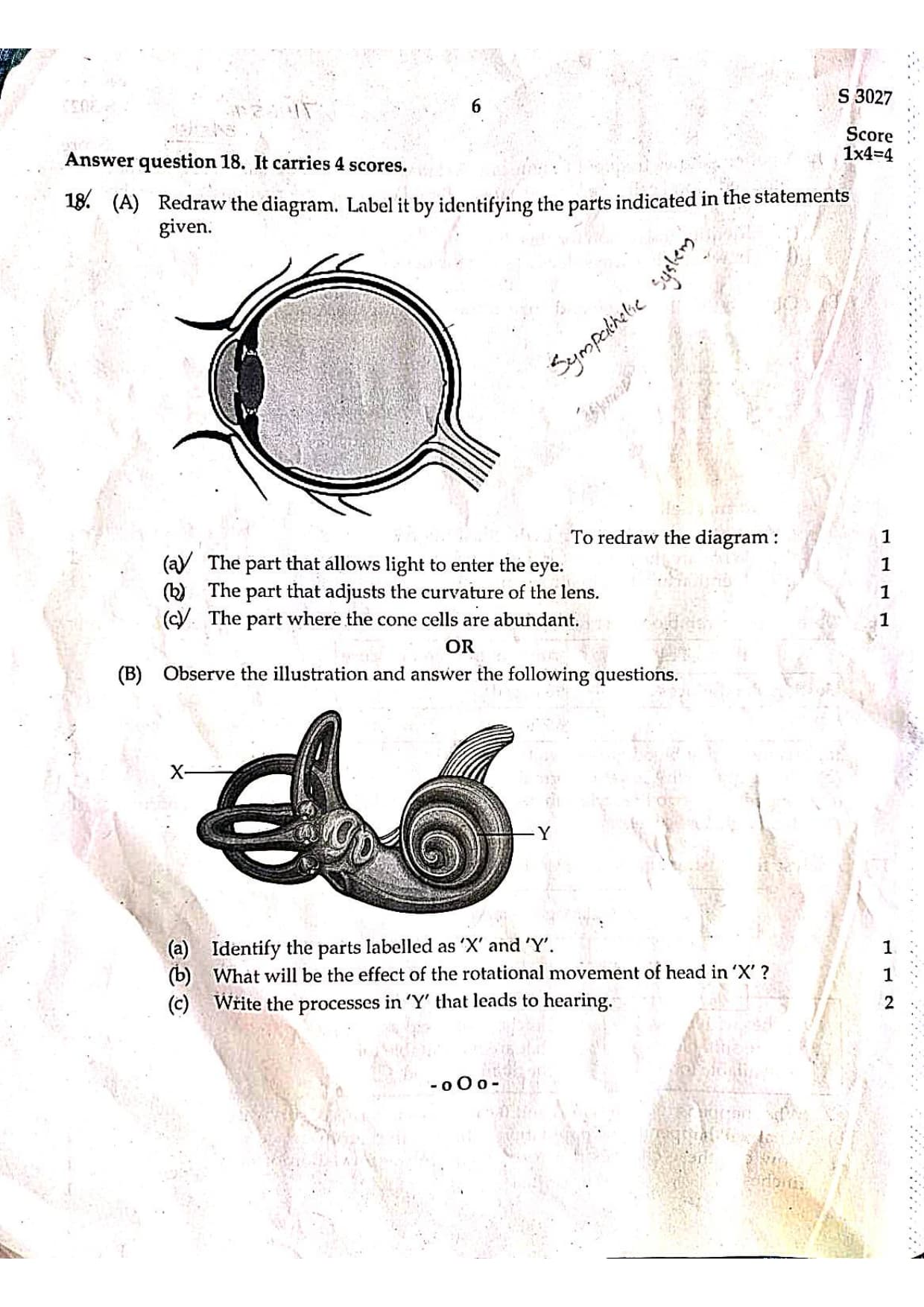
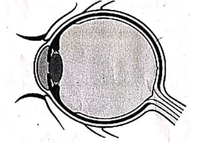
Redraw the diagram. Label it by identifying the parts indicated in the statements given.
(a) The part that allows light to enter the eye.
(b) The part that adjusts the curvature of the lens.
(c) The part where the cone cells are abundant.
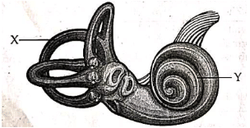
Observe the illustration and answer the following questions.
(a) Identify the parts labelled as `X' and `Y'.
(b) What will be the effect of the rotational movement of head in `X'?
(c) Write the processes in `Y' that leads to hearing.





Comments