





What Students Say
Likes
- First thing definitely would be the location as compared to the other two campuses.
- Second would be how actively and quickly the faculty addressed the issues or questions the students had.
- Students did have access to cool stuff like we had Apple desktops, and I was impressed because I had never witnessed such a thing. The North Campus has a lot more things. They also have professional gaming equipment, which I thought was impressive. The college has a room if we want to do a podcast, and there is this entire building dedicated to arts and media where, again, we had access to cool facilities and creative stuff.
Dislikes
- The major setback I felt was the compromise with the faculty, especially during the summers. Because during summer, there are not many good teachers available as they are mostly on vacation. So I found it a bit weird, as we are paying a lot and the college is compromising on the services.
- Second, there would be no placement cell available, so there was barely any major help from the college, unlike how institutions function in India.
- The third thing which I found very unfair was mid-term changes with the curriculum and fees, which I think should apply only to the new batch. But unfortunately, the college made a few changes, like in fees, which increased my overall expense compared to the quoted amount when I applied.
Course Curriculum
4
- The course curriculum was not difficult. We had presentations, class assignments, along with regular classes (i.e., the theoretical part). Professors used to teach from PPTs, which just had a few important points, so most of the content from books was not covered, either in class or in exams. We had 2- to 2.5-hour-long classes where at least a minimum of 2 chapters were covered, sometimes 3 or 4. Sometimes we had 1 class in a day, sometimes 3. The maximum number of classes I had in a day was 3. There were also days when we had no classes scheduled. The average number of students we had was around 30. There were some classes where 2 batches were incorporated, so there we might have had more than 50–60 students. We had Indian students—about 60% of the total strength.
- The negative aspect of the course would be the content covered—not much was being taught if I compare it with the education system here in India. Exams were conducted online on our laptops; it was very easy to cheat and very easy to score good grades. Sometimes the college used to invite the most inexperienced people to teach for the semester. Individuals who were working and had their businesses used to come to teach as part-time instructors, which I felt was very unfair for us as international students who are paying a hefty amount to study abroad.
- The positive aspect, I would say, is that we had some days of the college to ourselves, as everyone was working part-time as well, so the schedule was quite considerate and flexible. A lot of interaction was encouraged—public speaking and presentations—something that I had barely done during my graduation.
Admission Experience
-
I applied to 4 colleges:
- Seneca—confirmed admission
- Humber—confirmed admission
- Centennial—Waitlisted.
- I had discussed this with the institution and the person handling my application, but unfortunately, I didn’t receive any constructive response. I personally feel it must be due to high demand and limited spaces.
- George Brown—confirmed admission
- Initially, I was aiming for an MBA from a good university in Canada. But they require 4 years of graduation, and I only had 3 years of graduation. So that option was eliminated. My top priority was the colleges I mentioned. I had a 1-year course at Seneca and George Brown and a 2-year program at the other two. All four colleges, according to the reviews and everything, are good and of good value. So I had no preference as such. The deciding factor was the course of the program. A lot of people I talked to who were in Canada and a few immigration institutions I went to advised me to aim for a two-year program, as it comes with more benefits post-study. I got acceptance from Seneca and George Brown first, but when I got a call from Humber, I knew which college I would like to attend. IELTS, TOEFL, PTE, and the Duolingo English Test, I suppose, are the exams accepted. I took the IELTS, and I was strongly advised to get 7/7.5, given the number of rejections and a lot of students going to Canada, so to keep my application strong, I must get a good band there as well. I got a band 8. There is no such eligibility criterion—just a good band in English language proficiency tests accepted by the college and a strong academic background. The admission process was easy. I didn’t do much personally. The agent I hired pretty much did everything for me. They are great at their job—no issues. I was asked for a few documents, and my application was made. Nothing very complex, and I just waited for the college acceptance. I had to go for the medical exam where my blood test was done and a urine test, which again went smoothly and happened quickly, as slots were booked. This was after getting accepted as a part of my VISA process. I think the only anxious and major part of the entire process, I would say, would be the college admission letter and VISA approval. I got my VISA pretty quickly as well. So it was a pretty sorted process or experience that I had.
-
I applied for the summer intake starting in May 2023. After my exams, that was the only intake I could opt for. Having said that, the application for Humber started almost 10 months earlier because I remember I applied before September 2022 and got the acceptance letter in November 2022. So the admission process—from application to acceptance—took about 2 to 2.5 months. Having said that, I’m glad I got to go in the summer semester because it would have been very difficult to manage during the winters, as it snows harshly in Canada and the temperature is very low—can reach up to -30 degrees Celsius—especially if we are moving from a warmer country that doesn’t experience harsh winters or no winter at all. So, navigating and managing would have become very difficult. Plus, in winter, students tend to get winter depression. I was already emotionally overwhelmed, and then on top of that, Canadian snow and winter. So, starting in summer gave me enough time to settle in and prepare for the winter.
Faculty
4
- I am not aware of the faculty-to-student ratio, so unfortunately, I will not be able to comment on this. But our classes had around 30 students, so based on my classroom experience, the course content was not that great. Is the course content and teaching approach sufficient to prepare you for securing a job in your field? It wasn’t. It was just very basic stuff, more inclined towards marketing aspects. Faculty members—especially professors, I think—were not allowed to help much. In another batch, a professor was willing to help students, but the college banned the professor from doing so. They could suggest but not provide references.
- There were people to guide us on resumes and LinkedIn or placement advisors, but they provided only basic knowledge and advised us to connect on LinkedIn and stay consistent with messaging. No major help was offered because the college believes in students reaching out by themselves to connect and land a job. Even the professors gave the same advice, which was not to lose hope, apply consistently, and use LinkedIn as the main platform to apply for jobs and schedule coffee chats. There were, however, a few amazing professors. They took extra initiatives to teach and engage with the class.
- There was Prof. Nadaline, who taught us Project Management, and Prof. Katherine, who taught us Global Environmental Studies. What they taught and how they taught it was fun, used to grab our attention, and was explained so beautifully that we could memorise everything in class itself. The assignments that were given to us, the presentations, and the projects were very well explained and structured. So they were my personal favourites.
Campus Life
8
- Humber College has 3 campuses:
- North Campus—Located in Etobicoke, it is the largest campus of the three and offers a wider range of programs, including engineering.
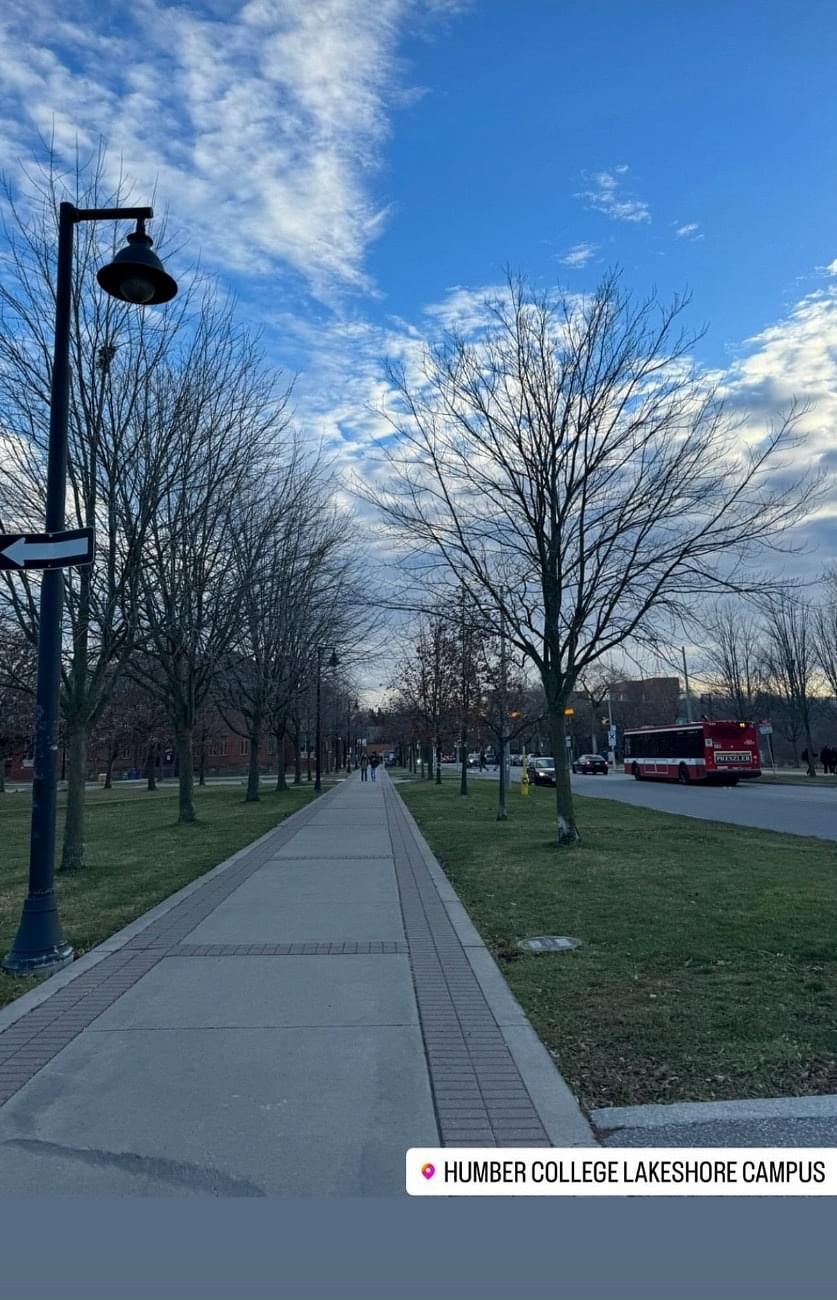
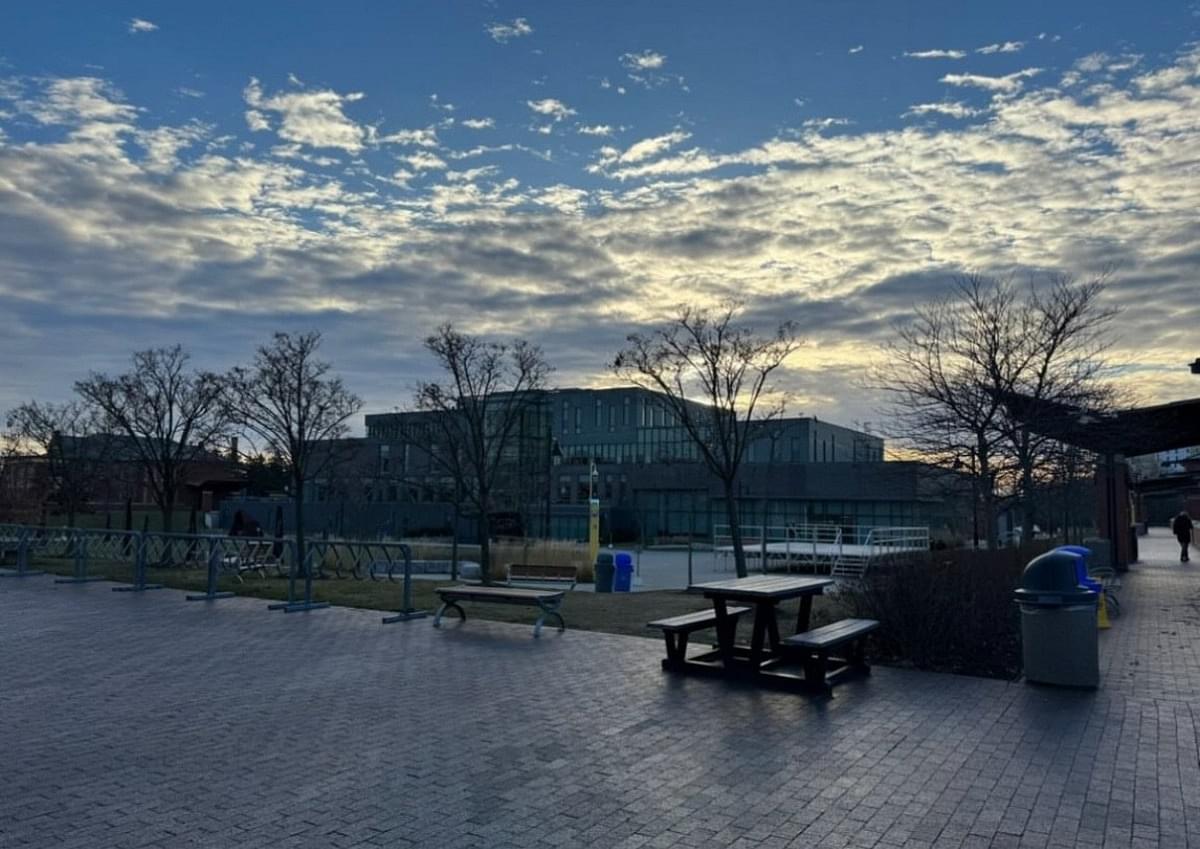
- Lakeshore Campus—The Lakeshore campus is located near Lake Ontario and is known for its natural beauty and how close it is to the lake. This is where I studied.
- IGS Campus—Located in the middle of downtown Toronto, it is a comparatively smaller setup and my least favourite of all the campuses.
- If I compare it to the fests that happen here in India, like in Delhi University, the scale on which they are conducted is much larger. I didn’t get to witness anything to that extent. There were a few events that were pretty okay. So, I would say the college has decent events conducted on and off campus. One was Ribfest, which was conducted on the college campus. It was a pretty famous fest held on the premises.
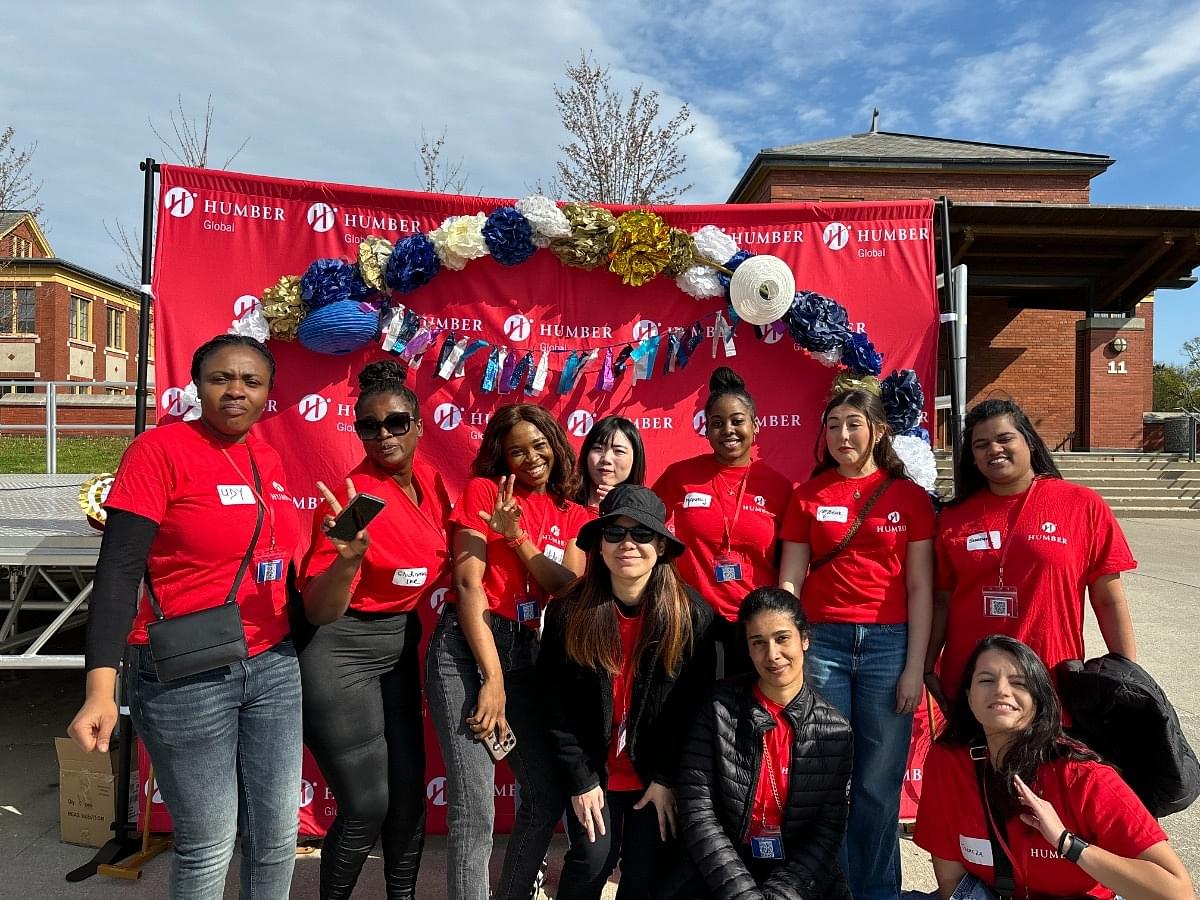
- Humber puts a lot of effort into Orientation Week, which is conducted with full spirit. It included a lot of games, campus tours, interactive sessions, etc. A few other things that the college celebrated included Wellness Week, focusing on mental health and self-care. We were given a week off after the first half of the semester and two weeks off before the next semester started as part of it. There were also a lot of career fairs and networking events conducted. When it comes to clubs and extracurriculars, there were plenty of options, like the Humber Toastmasters Club for public speaking and various cultural clubs like the Indian Students Association, which organized festivals like Diwali and Holi parties. Humber also has sports teams, but participation strongly depends on how much time we can spare, especially with the part-time work international students have to do to meet their expenses.
- Talking about my experience, I was a part of the Toastmasters Club and volunteered for Orientation Weeks. I enjoyed being a part of them and felt like I was contributing to the community, especially with the volunteering part. I didn’t find Humber’s event culture overly flashy, but it still provides some decent opportunities to connect, participate, and feel included, especially if one is willing to step out and get involved.
Part Time Jobs
- When it comes to part-time opportunities in Canada, the options are there, but as an international student, landing a good one—especially on campus—is quite competitive. References are a strong way to get a job on campus. Therefore, students who have good contacts can easily secure a spot. I applied for plenty of jobs on campus, but unfortunately, I never got any response, not even a rejection. Plus, there is high demand as well, so it makes it tough to be selected. Again, a good, strong connection surely helps. The pay range is basic pay, so as far as I remember, on-campus jobs were paying around 16–18 CAD per hour. I have already mentioned the pay range, which is the same for all jobs on campus. There are several jobs available, like working at the front desk at the college residence. There are a lot of places to eat on campus, and we can apply there as well. You can also apply for peer tutor roles. Another option is working at the gym—either as a trainer or at the front desk.
- There is also a student team called IGNITE on campus that keeps hiring for various positions like event coordinator, tax coordinator, etc. Students can apply there. A lot of social and media marketing jobs are also available on campus. The maximum hours we are allowed to work as students per week are 20 hours during the semester and full-time during breaks or holidays. As I mentioned above, it is pretty tough, as the open positions are not many, but the students applying are plenty. Also, it becomes easier to manage everything once we secure a job on campus. A strong connection, i.e., a reference, is the way to go. Talking about positions like TA/RA/DA, such jobs are more limited and a bit competitive. Some require references from professors, and strong academic performance helps here. On-campus jobs are easier to manage along with academics, but I think landing an off-campus job is easier.
- On an hourly basis, students get paid the basic wage, which is around 16 CAD. Most students prefer to work in retail stores, grocery stores like Walmart or No Frills, or in restaurants. These are the places where part-time opportunities are most commonly available. Things in Canada have gotten pretty rough. It has become very difficult to secure a part-time job, especially in big brands and large chains. Students are working more than 20 hours. Some students who are eligible to work full-time are holding down multiple jobs, which makes it extremely difficult to find vacancies for new people coming to the country and looking for part-time work.
- Right now in Canada, the demand is high and not many opportunities are available, so it’s very difficult to find a job right away. For part-time jobs, we usually look on Indeed—that’s where I came across some part-time roles. What works best is to ask friends and peers for references if any spots are available at their workplace. As I mentioned earlier, references are the quickest and most effective way to land a job. Another method is walk-ins, i.e., going around and handing over resumes at stores directly to the manager, hoping that if they are hiring, we can persuade them. But again, nothing is guaranteed.
- The process is pretty direct: we apply for the job, and if selected or shortlisted, we are interviewed by the store manager in person. Big chains might have an extra round, but at the store where I was working, I only went through one interview round. The process is straightforward, but it takes a while to land a part-time job.
Placement
2
- Given the current economic condition in Canada, it has become quite challenging to find full-time employment after graduation. Very few of my batchmates were able to land a job. I would say, out of every 10 people, only 1 or 2 managed to secure a job, and that too was only possible because they had strong references. The salary range varies depending on experience, seniority level, previous background, and the type of job being applied for. For example, someone working as a Financial Representative at one of the banks in Canada is initially paid around 18–20 CAD per hour. One of my friends, who works as an Underwriter at a reputable insurance company, earns 22 CAD per hour. Another friend of mine, with several years of experience as a Project Proposal Writer, secured a role as a Project Manager and is earning around 60–70K CAD per annum.
- The major trend in Canada is consistent job applications, seeking references, and networking, primarily through LinkedIn. I have known people who found a job only after 9–10 months or even a year of continuous effort. A lot of people I know—or have come across on LinkedIn—are working at banks in Canada like TD, CIBC, etc. This has become a popular field among students. Again, securing a job at these places wasn't through college support but entirely based on personal effort, connections made in Canada, or contacts already established before arriving. Some of my housemates, with whom I stayed, were also working as Representatives at banks.
Accommodation
Off Campus
8
- During my first semester, I stayed in the college residence, which was quite easy to apply for through Humber College’s official portal. After that, I moved to off-campus housing for the remainder of my course. I changed places once more after a year, so in total, I stayed at three different accommodations during my studies. The first off-campus place (after leaving the residence) was found through Facebook Marketplace—which, surprisingly, is extremely popular in Canada. Whether you're looking for rentals, roommates, furniture, or even selling used items, Facebook Marketplace is the go-to platform. The third place I moved to was through acquaintances, so it didn’t require much effort. Some of my friends also used real estate agents, especially those who had specific requirements like pets or needed fully private spaces. There are other online options as well (e.g., Kijiji, Rentals.ca), but Facebook Marketplace worked best for me due to the variety and availability.
- Across all three accommodations, my average rent was around CAD 850/month. In every place I lived: Utilities like electricity, hydro, and Wi-Fi were included in the rent. The first two places were fully furnished, while for the third one, I had to buy some furniture myself. All of my accommodations were within 5–10 minutes walking distance from the Humber Lakeshore campus. Many students, especially Indians, prefer to stay in Brampton, Mississauga, or Scarborough, where rent is cheaper. However, those locations are farther from campus, and I chose to stay nearby — even if it meant paying more — because I preferred having a private room and being close to college and friends.
- Finding the first off-campus place was tough. We started searching 1 to 1.5 months in advance, but many listings weren’t reliable — some landlords didn’t respond, and in other cases, multiple students were competing for the same place. When I finally found a suitable place, I paid the deposit immediately after viewing it, because I knew it wouldn’t be available for long. Moving out was emotionally and physically overwhelming. I was constantly worried about things like: Will I get along with housemates? Will they be clean and respectful? What if they’re too noisy or inconsiderate?. Living in shared accommodations often comes with a lot of compromise, and it never truly feels like home.
- Recommendations for Future Students: If you have friends or contacts in Canada, definitely seek their help during your accommodation search. It makes a big difference when you're settling in a new country. If you can afford it, stay in the college residence during your first semester. It’s convenient and saves you from the stress of immediate house-hunting. Facebook Marketplace is a great resource — but be cautious. Do not sign leases or transfer any money while you’re still abroad. Try to visit the property in person or have someone you trust check it out to avoid scams. Unfortunately, international students are often targeted by scams, especially when arranging housing from another country. So stay alert and verify everything before committing.
Exams
- The college requires an English language proficiency test. Commonly accepted exams are IELTS, TOEFL, and PTE. IELTS is more widely accepted, so I went for that and scored a band 8. Education consultants lately strongly advise students to get good scores, as people are receiving a lot of rejections from Canada. So that was a major requirement.
- Then there were a few documents along with the exam scorecard that I was asked to apply. That included my passport, resume, graduation marksheet, no backlog certificate, and provisional degree. I was also asked to pay an application fee. Application fees start at 50 CAD and go up to 100 CAD in general for colleges. For Humber, I think I paid 75 CAD.
- Having said that, I applied through a consultant who ensured everything was submitted properly and on time.
- Talking about the interview, there was no interview involved in my application process. I think the colleges don’t take interviews. The admission to Humber was solely based on academic performance and English language scores.
- I would also like to mention that an SOP is required for filing the VISA, and I was not asked for an LOR in my application.
Fees
- I think we paid around 36,000 CAD, approximately. Initially, after getting accepted, I was supposed to pay the full one-year fee, i.e., for the 1st and 2nd semesters. I had a 2-year program, so for the 3rd and 4th semesters, we paid the fee before the semester started. For the 1st year, we paid when I was in India, which was done by my father through bank transfer directly to the college from his account. All the details were provided by the college, and my parents handled the banking work as they were paying for my fees.
- When I was in Canada, my father transferred the funds to my bank account there, and then I paid the fees for the 3rd and 4th semesters like that. Paying from a Canadian bank account was pretty simple. I could do an e-transfer from my Canadian bank account to the college, which takes less than a minute or two, or I could use my card, which again is pretty easy. There was another option provided—paying through installments.
- Talking about the hostel, every semester we had to apply for the college residence. I booked the hostel for the 1st semester as I was new to the country and could not find a place outside, so I opted for the college residence. The college residence is pretty cheap comparatively during the summer semester, i.e., around 800-something, but the mess is not functional during that time. For other semesters, the hostel is pretty expensive, including the mess charges as well. After the 1st semester, I opted to stay out of the hostel. The reason being—it was expensive, and staying out was cheaper. The kitchen was on the ground floor and I used to stay on the 2nd floor, which was extremely inconvenient as I like to cook my food.
- And during other semesters, I mentioned that expenses to eat in the mess were mandatory—we were charged for it when paying for the hostel, with no option to opt out. So in that case, I had to eat in the mess, which again is something I didn’t like. As an Indian and a vegetarian, I am very particular about my food choices, so I prefer cooking my meals.
- I was staying very close to the college throughout my studies, so I saved on transportation. Talking about my monthly expenses, including rent, food, and other miscellaneous expenses, I used to incur approximately 1,200 CAD. For me, rent has always been an average of 800 CAD. After the college residence, I stayed at two other places in the same area—the rent was almost the same. I was cooking for myself, so grocery expenses were also not much. My workplace was also very close, and I was only occasionally going out, so I pretty much used to incur around 1,200 CAD monthly or so.
Scholarship
- I didn’t receive any scholarship, and as far as I remember, none of the people I knew in my batch did either. We did receive a scholarship application form released by the college during the course. All of us filled it out—it had questions related to our background, expenses incurred, financial needs, questions like why we need the reimbursement, etc., based on which students were picked out to be rewarded with scholarships.
- Scholarships were awarded primarily to vulnerable populations such as LGBTQ+, Black students, or refugees. I didn’t have detailed knowledge and never enquired about it much either. All I can say is that scholarships are limited—some are targeted towards specific communities or high achievers, making them not easily accessible to the general student population. Therefore, it is quite competitive. I think more information might be available on the college’s website for the same.


