


Reviewed on Mar 25, 2025(Enrolled 2021)
What Students Say
Likes
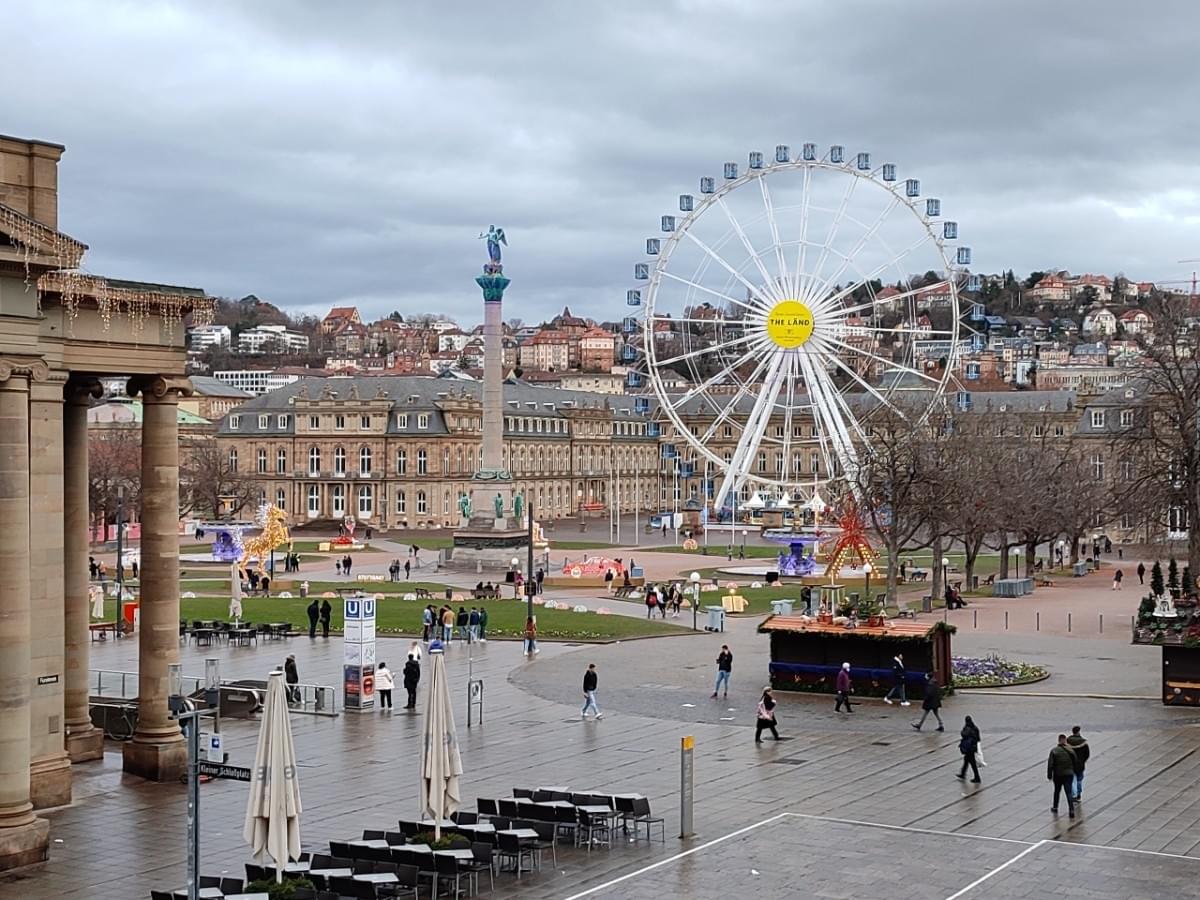
- Stuttgart is a good city to live in.
- Power Electronics specialization is good and innovative and updated
- Good diverse and international students
Dislikes
- 1500 euros tuition fee per semester
- No internships in the course
- Hard exams, grades we achieve are lesser
Course Curriculum
8
- The course is fairly difficult. You will not pass if you do not take the course seriously and study hard. The course was partly theoretical with 11 subjects and partly practical with a lab, research project and a thesis.
- Exams are really hard, so you get low grades for some papers which severely affects your final CGPA.
- In a semester, we can take on an average 5 subjects. Each will have a lecture and a tutorial, so in total 10 sessions per week, averaging 2 sessions per day.
- Class time would be from 8am - 5pm. The average number of students in each class were up to 20. The majority were Indian students since it was an English taught program.
Admission Experience
-
University of Stuttgart - Admitted
Technical University of Munich - Rejected
Karlsruhe Institute of Technology - Admitted - TUM is one of the top universities. I got rejected because of the huge number of applicants for each semester and maybe my motivation was not up to the mark and also my letter of recommendation and my CV might not have been perfect.
- I chose University of Stuttgart over KIT, because KIT acceptance confirmation was communicated too late and I had already applied for my visa and planned my travel to Stuttgart by then.
- At the University of Stuttgart, you just need to present your CV, Bachelors transcript and degree, Letter of motivation, recommendation letter from professor and APS certificate. Also, IELTS exam needs to be qualified to prove your knowledge of the English Language.
- I got the winter intake of 2021. I worked in a company till October and then went to Germany. I did not know there was a summer intake for the same course.
- I applied for the course in January 2021. I received the admit on March 2021 mid. I started my visa application process mid of July and received the visa mid of September. I travelled to Germany in the beginning of October.
Faculty
8
- Faculty to Student ratio would be around 1:50. The faculty did not care much about the academics of students. They were more focused on research in their respective institutes. All our studies were mostly self made .
- The teaching methodology was mainly power point presentations. There would be lectures and exercises for the same subject. Some courses were really relevant to what is currently happening in the industry and hence helped me with jobs.
- There is no assistance for job searching. You need to do it on your own.
- Professor Kalfass is a very good man and helps us perform our best. He tries to connect us more with the industry.
Campus Life
6
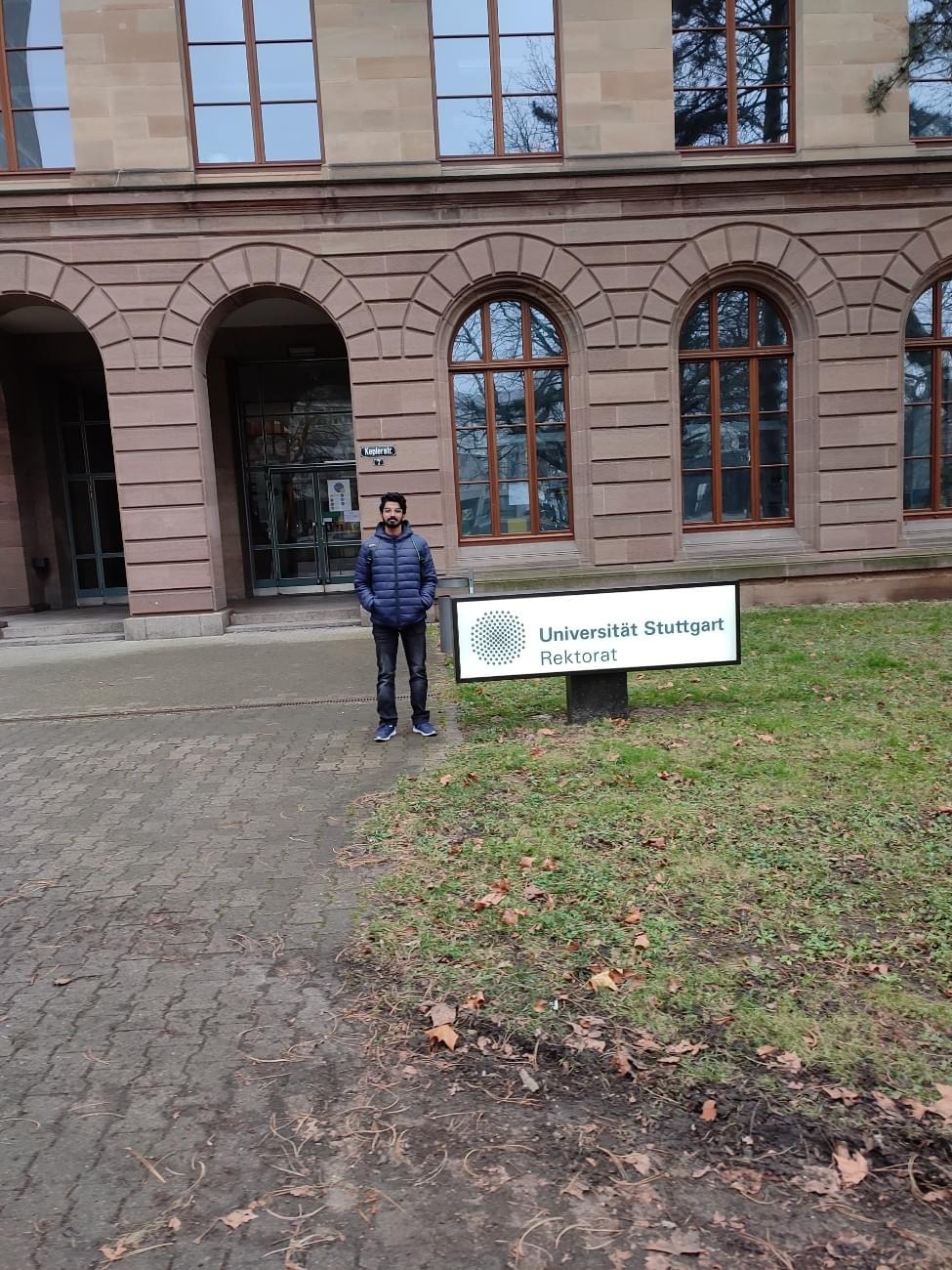
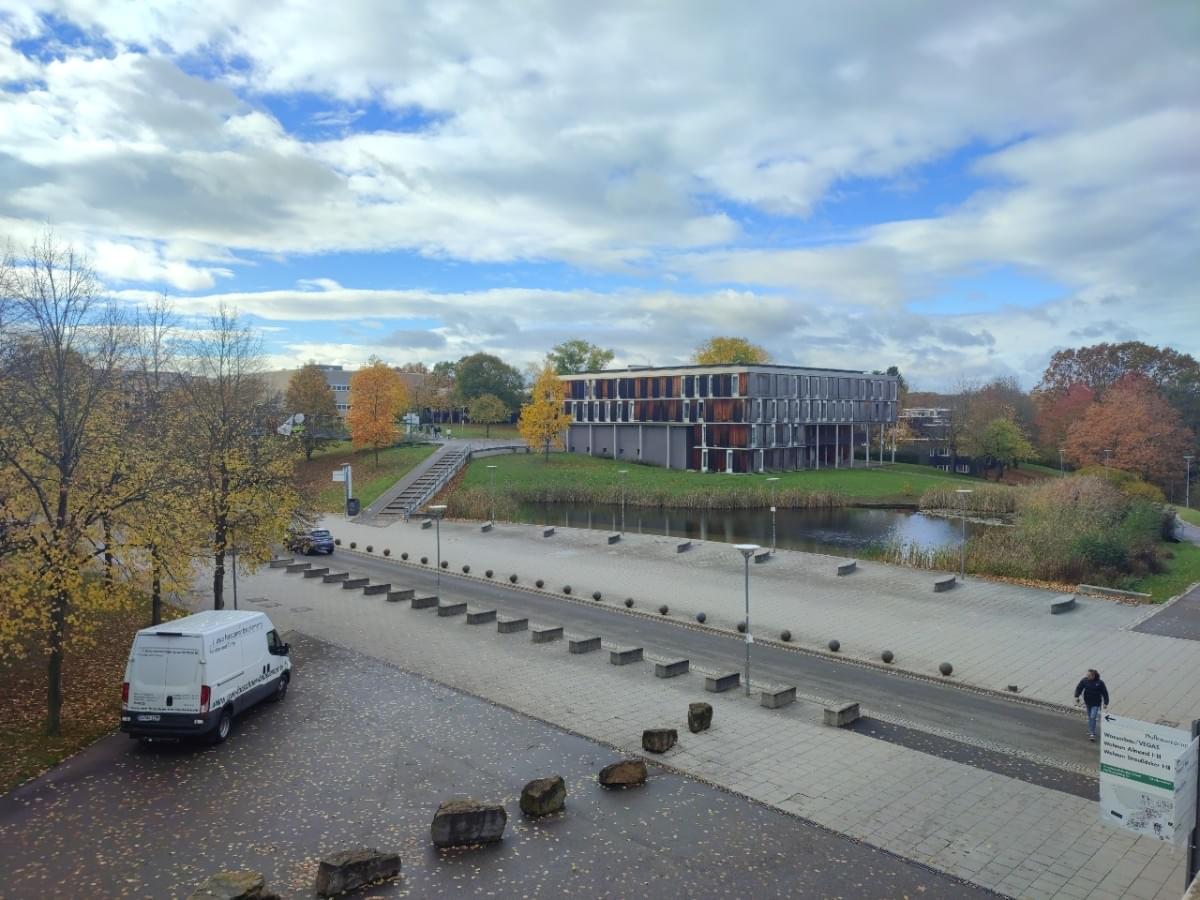
- University of Stuttgart has 2 campuses. One in Vaihingen and one in Stuttgart Stadtmitte.
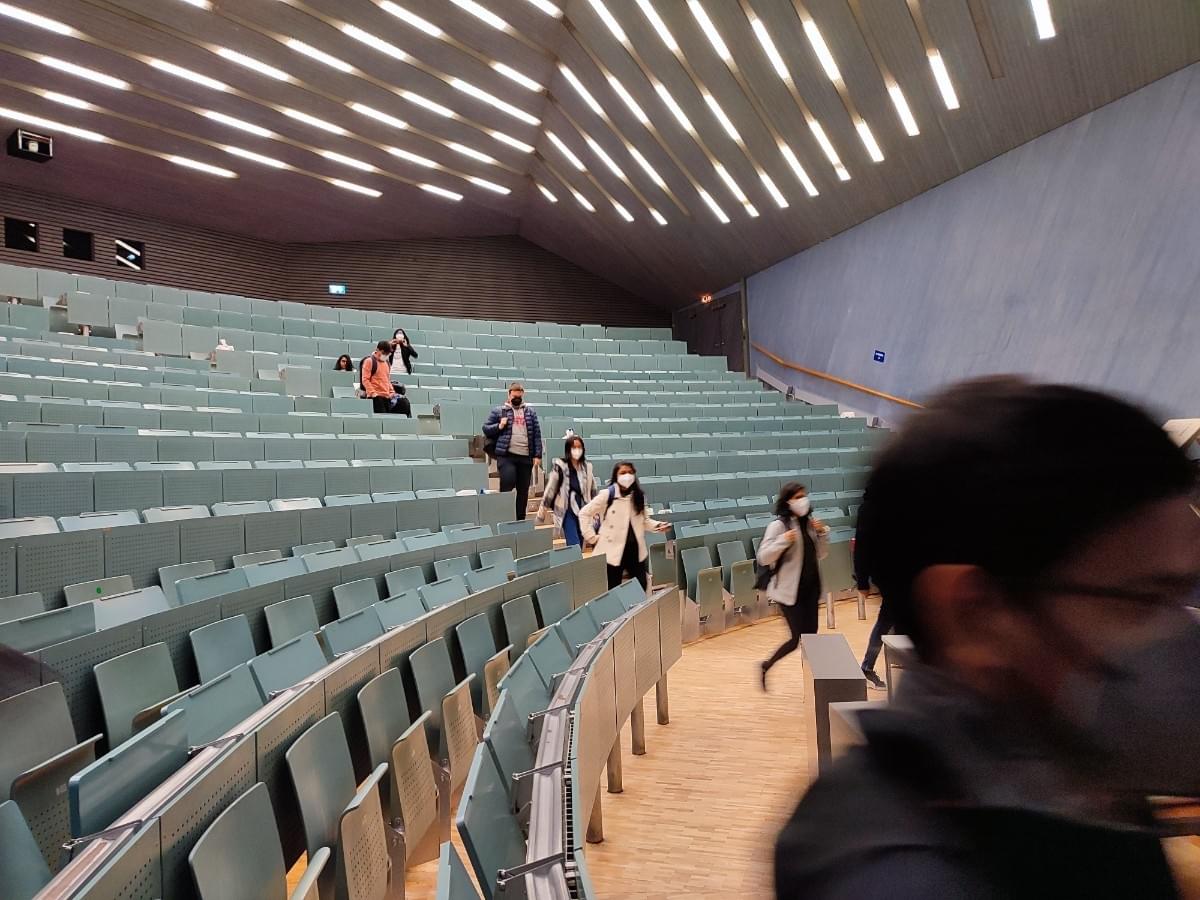
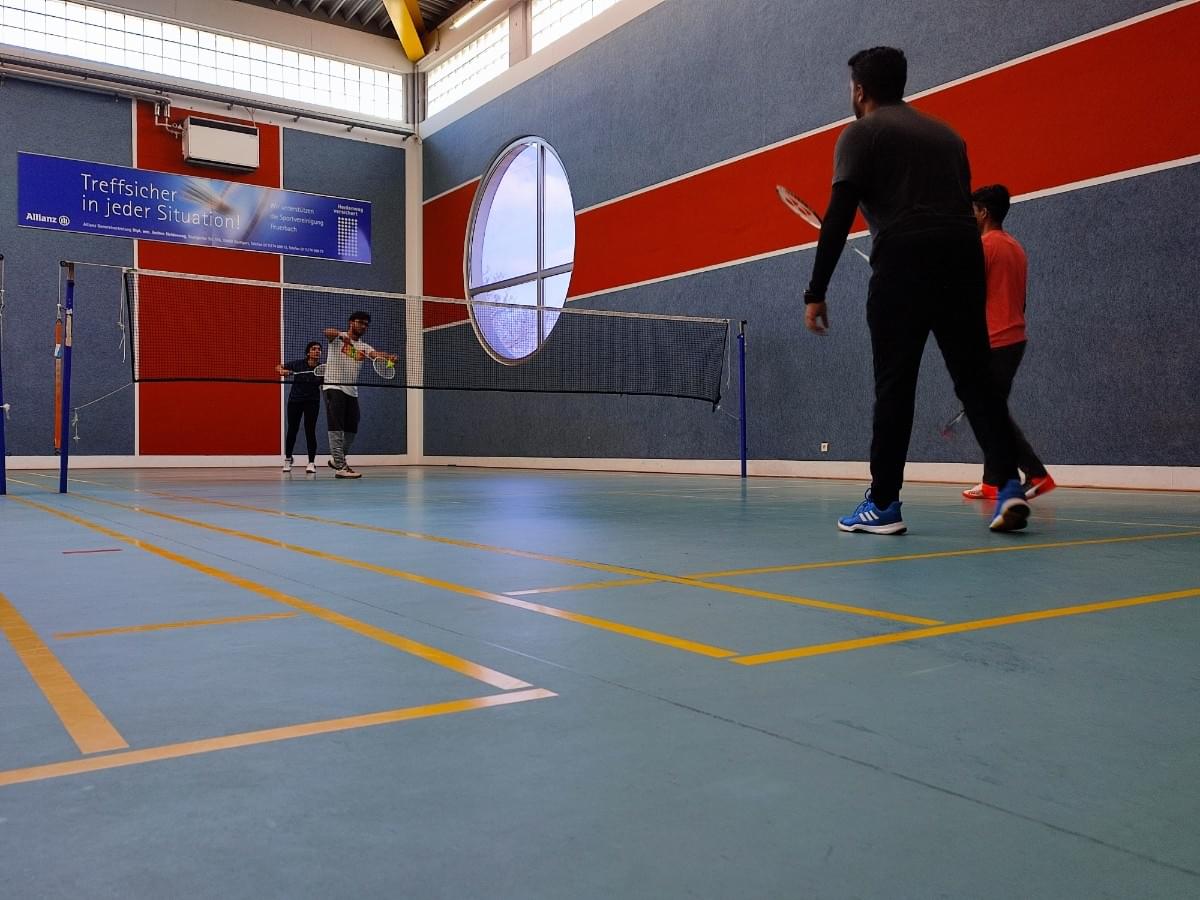
- Vaihingen campus has a library, sports halls and grounds, Lecture halls etc. Stadtmitte campus has lecture halls.
- The major campus festivals that happen are the dormitory festivals. Each dormitory has their own festival night. Apart from that the University conducts technical and cultural fests.
Part Time Jobs
- There are research assistant jobs in universities. There are non technical part time jobs in Stuttgart and also technical working student roles in Stuttgart. Usually everyone secures any one of these options to earn their living. Pay is 13-17 euros per hour. Students can work a maximum of 20 hours per week. It is not usually difficult, but you need to seriously search for it.
- Indian students prefer technical part time working student roles to add experience to their CVs and learn new technologies in their field. They usually earn 13-17 euros per hour. It is not so difficult to secure a job. You can find positions in LinkedIn, you can apply with your CV and a cover letter and the company will call you for an interview, either online or face to face. After that you can sign the contract and start working.
Placement
2
- A very high percentage of students secure full time jobs within 6 months after their graduation. They usually start searching already when they are doing their final master thesis.
- Salary range is 55000 to 65000 euros per year. There are no campus recruitment. You can directly apply through company websites on LinkedIn.
- Most of the student get absorbed into the companies in which they completed their internships or master thesis. From my program most people has been hired to Bosch, Mercedes, Infineon, Analog Devices, Tesla etc.
Accommodation
Off Campus
10
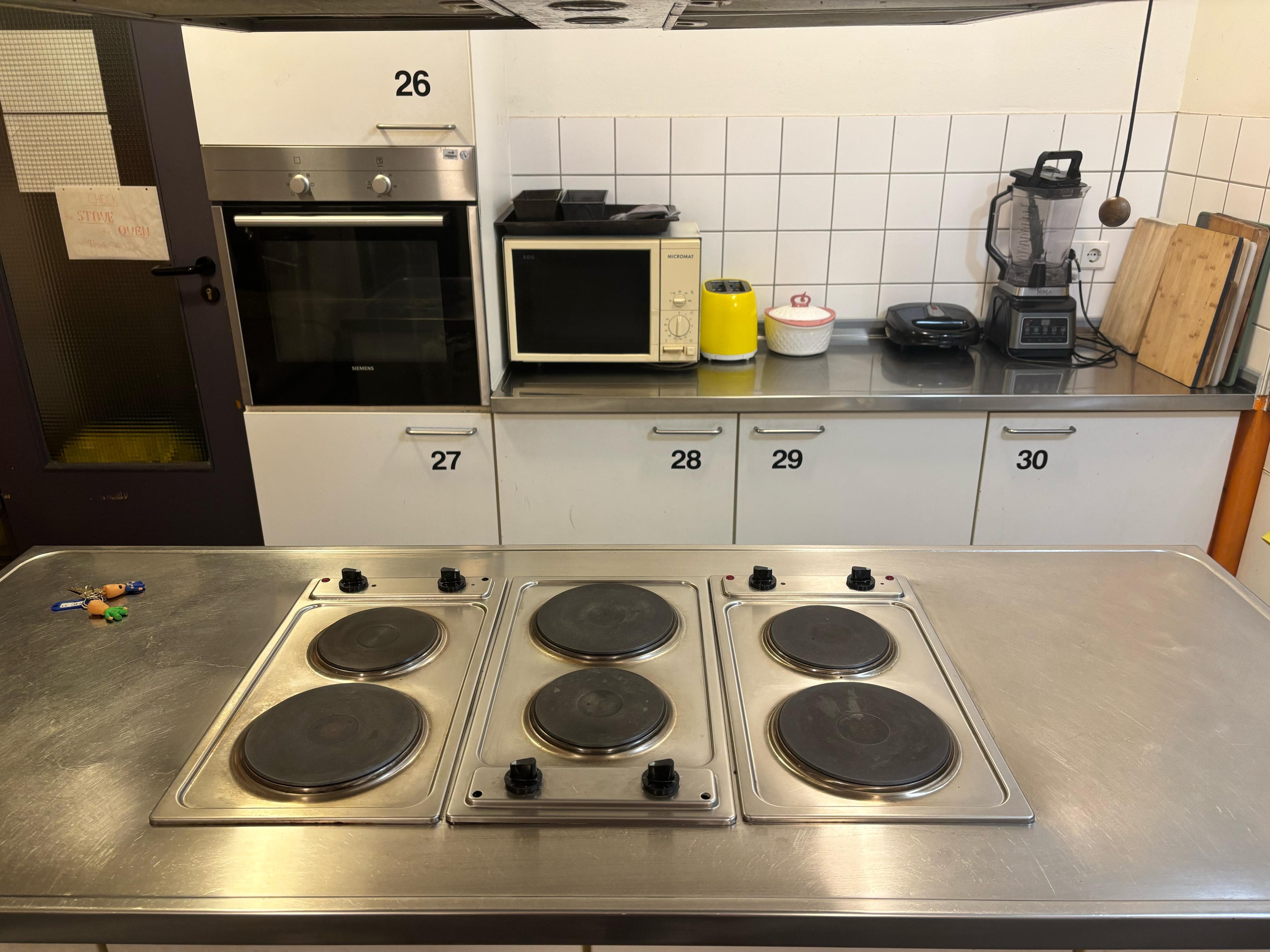
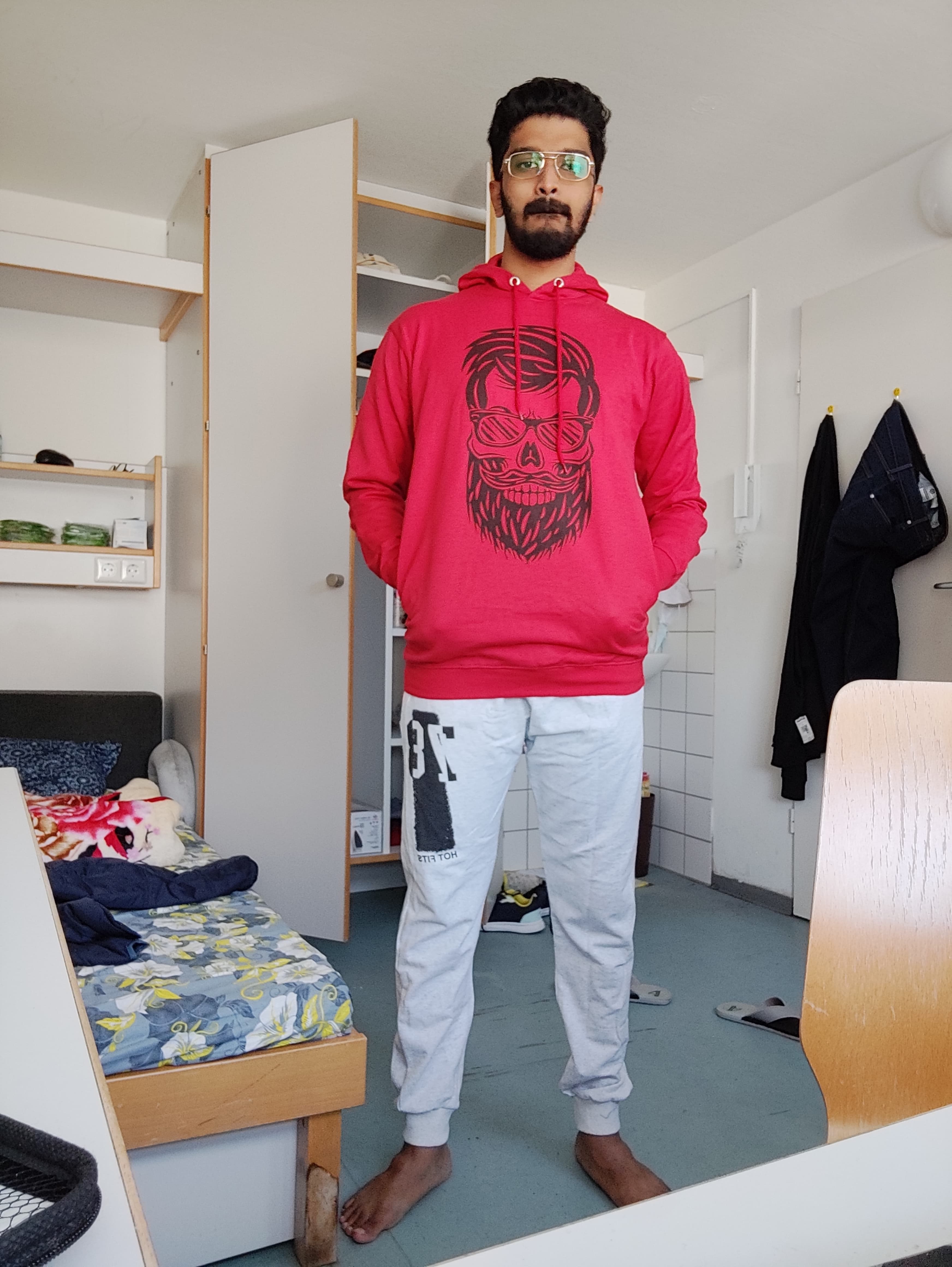
- I stayed in a student accommodation near the campus. There are portals and websites to apply for this cheap accommodation. Monthly rent is around 300 - 350 euros including all amenities.
- There was no challenges, there are lot of rooms here for students. You just need to apply 2-3 months prior before coming to Germany and you will get a good room in time. The room is just 10 minutes walk away from the University buildings.
Exams
- IELTS is needed for my course to prove my knowledge of the English language since my course was in English. For German taught programs, you need a Goethe C1 certificate or TestDaF exam.
- I submitted a statement of purpose, Letter of recommendation and my CV for the application. There was no interview, it was a direct admission. For some courses with restricted admission, there might be an interview.
Fees
- Tuition fee for international students per semester - 1500 euros
- Semester fee per semester - 160 euros
- Student accommodation rent per month- 350 euros
- Public Transport ticket per month - 55 euros
- Health Insurance per month - 141 euros
- Grocery per month - 150 euros
- Miscellaneous expenses - 100 euros
- University fees were charged per semester. We need to transfer it manually to a bank account.
Scholarship
-
- Deutschland Stipendium
- BafoG scholarship
- Bosch Stipendium
- DAAD scholarship. -
I received the Bosch Stipendium one time. The amount was 300 euros per month for 6 months. I submitted my CV, a motivation letter and an essay on Electromobility.
-
My batchmates received the above mentioned scholarships. Around 30-50 students receive these scholarships. The amount is 300 euros per month. The period of payment may vary.


