


Harshwardhan Dhumal
Reviewed on May 17, 2025(Enrolled 2021)What Students Say
Likes
- The University of Stuttgart is one of the most reputed universities in Germany and is part of the TU9 cooperation/association.
- It houses a wide range of Intstitutes from the STEM background, which in turn offer a number of Bachlors/Masters programme
- It promotes state of the art research acitivities and developtment of cutting edge technologies
Dislikes
- As I was enrolled for an international course, I had to pay a tuition fee of 1500 euros each semester.
- Availability of english taught courses is pretty less, but that's the case at any other german university I guess.
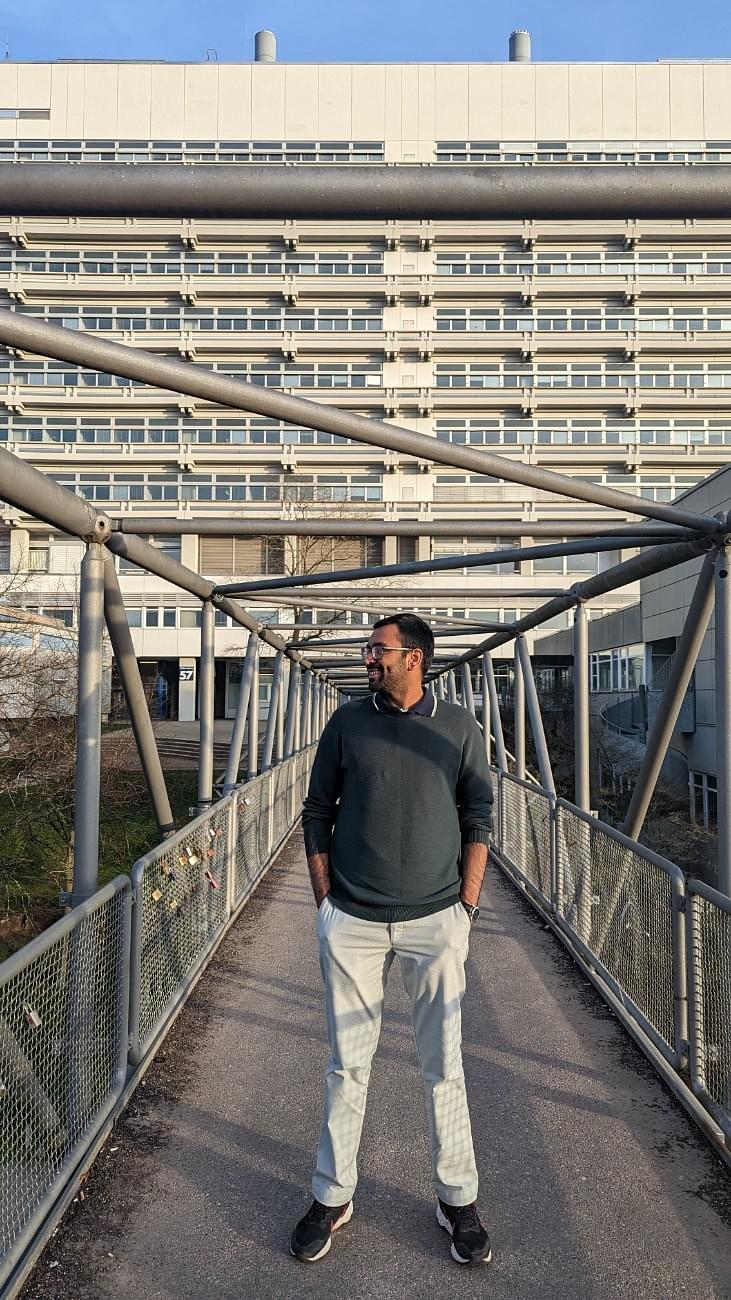
- Honestly the university buildings could have had a better and a more beautiful look. They do look modern, but are very mundane without any colour and texture.
Course Curriculum
8
- The courses were very difficult as compared to the level of courses undertaken during the bachelor's study in india. It is recommended to revise and study each week to keep up with the difficult curriculum. Commas was purely theoretical with very less practical exposure
- Positive aspects: It is completely theoretical and research-orientated. In-depth knowledge about the topic is provided. Opens the door for a possible PhD opportunity after the master's. Access to various institutes that are conducting groundbreaking research in this field.
- Negative aspects: Very difficult curriculum. Time-consuming assignments. Less exposure to practical or application based knowledge
- Classes: 5 classes per day (1.5 hrs each), maximum. usual timings were 8:00 am to 4:00/5:00pm
- The average number of students for my course was 25. 50% of the enrolled students are indian
Admission Experience
-
I had applied to the following universities:
- University of Stuttgart (M.Sc. COMMAS): Admitted
- University of Ravensburg Weingarten (M.Sc. Mechatronics): Admitted
- University of Siegen (M.Sc. Mechatronics): Admitted
- TU Kaiserslautern (M.Sc. CVT): Admitted
- Hochschule Esslingen (M.Sc. DDM): Admitted
- Ruhr-Universität Bochum (M.Sc. Computational Engineering): Admitted
- FH Aachen (M.Sc. Automotive Engg.): Rejected (Reason: Failed to meet the criteria for completion of specific credits for certain courses during Bachelors)
- TU Dortmund (M.Sc. Manufacturing Technology): Rejected
- I chose to accept the offer from the University of Stuttgart for the following reasons:
- As university of Stuttgart is part of the TU9 cooperation and has endless opportunities for carrying out research in various domains.
- The course on COMMAS gives a deep dive into the field of mechanics and simulations, which had always been a priority for me compared to the other topics and courses.
- Masters at a university provide more flexibility in terms of selection of courses, selection of voluntary internships, pace of study, etc as compared to a Fachhochschule, where most of the things are fixed.
- One has the opportunity to undertake part-time student jobs at the University like HiWi(Wissenschftliche Hilfskraft), where one can work on interesting research topics of his/her interest or simply assist professors/phD students for teaching and lecturing activities in order to broaden their understanding of that topic.
- The city of stuttgart is the automotive hub of germany with various huge automotive giants like Porsche, Mercedes-Benz, Daimler Truck or even Bosch having their Innovation centres located in the vicinity. This provides students with an extra edge during their part-time or full-time job hunt.
- Apart from the tuition fees of 1500 euros and semester contribution of less than 200 euros per semester, there aren't any other costs incurred at this university, which is pretty cheap compared to the various english-taught courses at private universities around Germany.
- Admission Process: The admission process begins with the submission of an application via the university portal before the deadline, which was in mid-february in my case for the upcoming winter semester. After the screening process of the received applications, the COMMAS committee selects the best candidates and sends a mail regarding the acceptance by April. After the acceptance, one can find the various documents in the University portal and start the visa application process. In the meantime, one can also look for accommodations in student dorms(Studierendenwerk/VSSW) that are located right next to the university and also enrol in intensive German language courses at the university if interested.
- Eligibility Criteria:
- 1) CGPA: A good score/CGPA from the bachelor studies is required (in my case, it was more than 9.0)
- 2) English proficiency: IELTS score of minimum 6.5 or comparable score in TOEFL
- 3) German language proficiency is not necessary but recommended
- 4) Work experience is not compulsory but recommended
- I applied for Winter semester 2021. My required course is only offered starting in winter semester
- The admission process takes roughly over 2-3 months
- Application deadline: 15 february, Admits rollout: April, Acceptance deadline: May/June
- Once the admit is received via mail, one can download the admit letter from the campus portal (university portal) and can further use it for applying for a student visa.
Faculty
8
- The faculty-to-student ratio is a bit difficult to define, but it might be approximately 1:5.
- The teaching methodology changes from person to person. But most of them prepare presentation slides and simultaneously create notes using an iPad that are also projected during the lecture. As stated earlier, this course is more theory-orientated, and external efforts are needed to be taken to become market-ready at the end of the course.
- Usually faculty do not offer direct help to students for securing jobs or full-time opportunities, but of course there are some exceptions that promote such activities
- We had a Phd student, Mr Siddhart Sriram, who was our faculty for one of the subjects and also the course coordinator for our master's programme. He was very friendly and always ready to assist the fellow students with their issues, be it academic, career-related or personal.
Campus Life
10
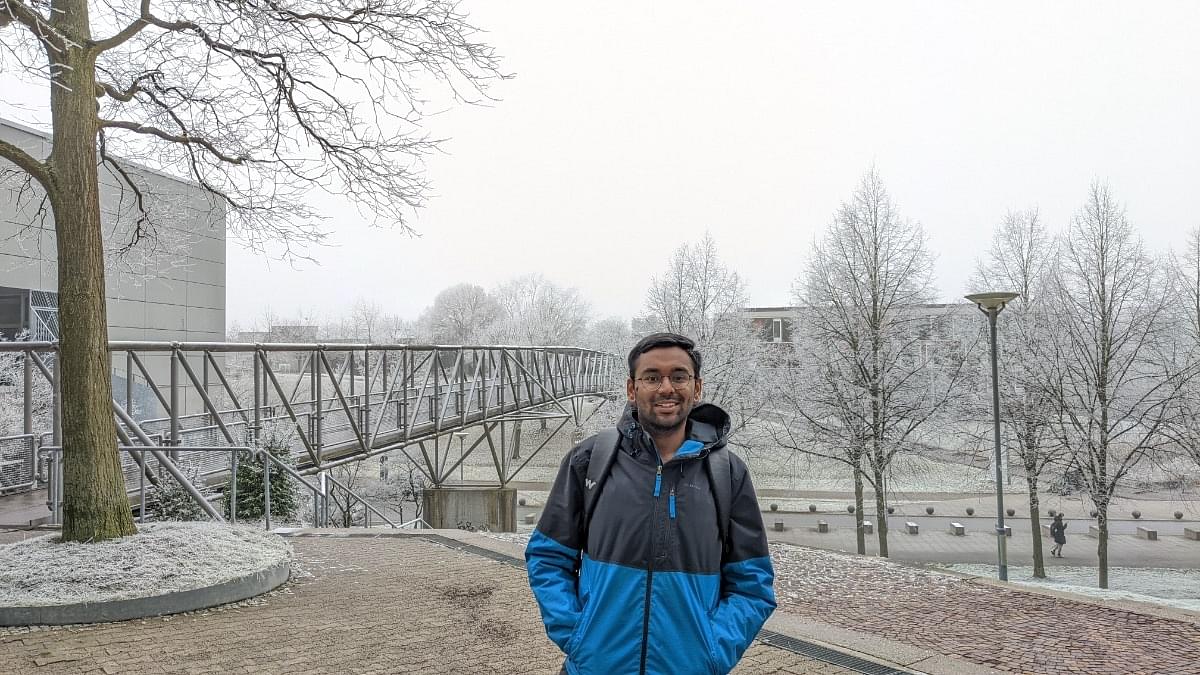
- The university has mainly two campuses. One is located at the city centre (Stadtmitte), where most of the non-technical courses are conducted. And the second one, which is comparatively the bigger one, is located in Vaihingen, where all the Technical/STEM related courses are conducted.
- A huge library is available on campus along with Hochschulsport which provides opportunity to play a number of different sports(https://www.hochschulsport.uni-stuttgart.de/)
- There are a number of festivals conducted on the campus. The most popular one is the freshers' party conducted at the beginning of the semester. Apart from this, most of the institutes have their own fest/event conducted over the year along with the huge parties organised by the hostels during winter (Winter parties), etc.
Part Time Jobs
- Mostly all my batchmates were able to secure TAA/RA (HiWi position) in the university
- One can easily earn between 400 and 800 euros per month with such positions.
- One can find helper jobs at the canteen, institutes, library or on-campus bars/restaurants. which have a typical hourly wage of 15-18 euros.
- One can work up to 20 a week (35-40 hours in case of internships)
- It is quite easy to find a position to work on campus
- Up to 15 euros per hour. It is relatively easy to find a part-time employment. Be it technical positions as a working student or even non-technical positions in restaurants, shops, malls, delivery partners, etc. The process is similar to applying for any other job. One can either look for open positions on common job portals like stellensuche, linkedin, stepstone, XING, etc or check the career website of the individual company to make the application. Other than that, there are also some apps ZEN jobs or Jobvalley, where one can actively seek flexible part-time opportunities.
Placement
8
- Most of my course-mates were able to secure an employment, either full-time position or PhD/Researcher postion (at least 60%). The number was less for our batch owing to the current poor market condition in germany and unavailability of job positions. But eventually everyone had secured a position within one year of completion.
- Average salary is 60000 euros p.a. Mostly people try to secure a position at a company during an internship followed by a master's thesis and try to convert the same into a full-time opportunity. Other than that, people use the common job application platforms mentioned above as well as specific targeting of companies along with targeted networking.
- Many of my coursemates are working as a Berechnungsingenieur(Calculation Engineer) or Application Engineer in companies like Altair, Nura robotics, Ansys, etc. Most of us are working as a phD student either ineternally ath the university or externally in a company or a research organisation.
Accommodation
Off Campus
10
- I found the accommodation by applying for a room on the official website of Studierendenwerk. The info and link for the same were provided by my university itself.
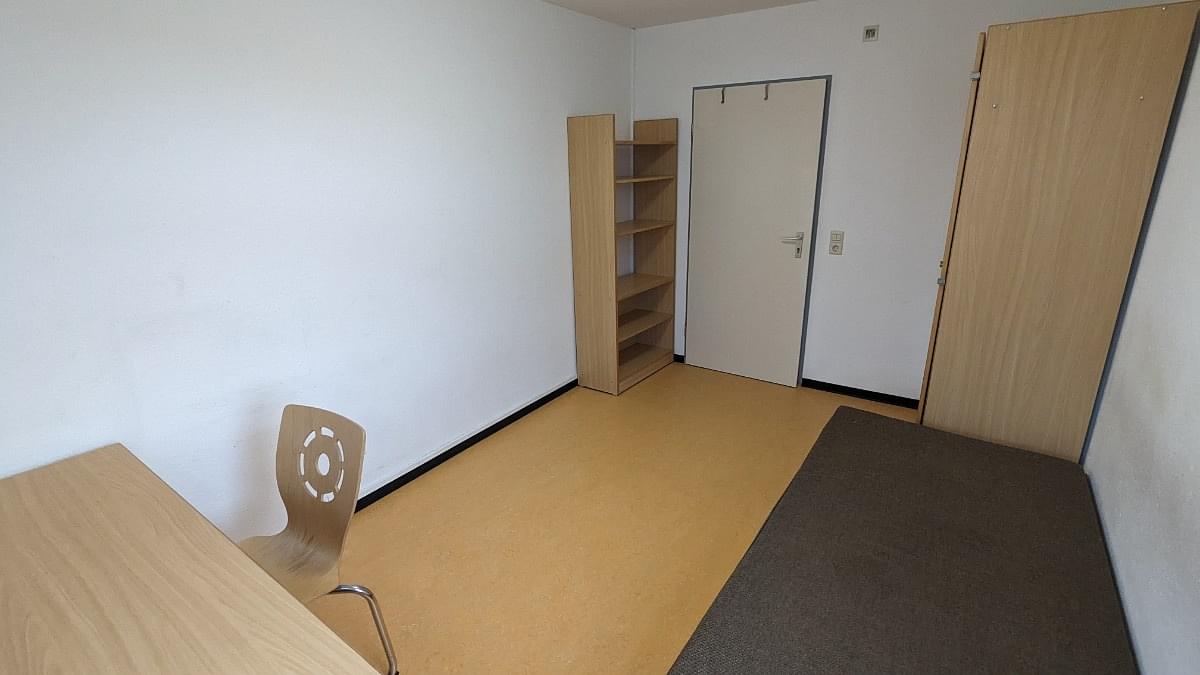
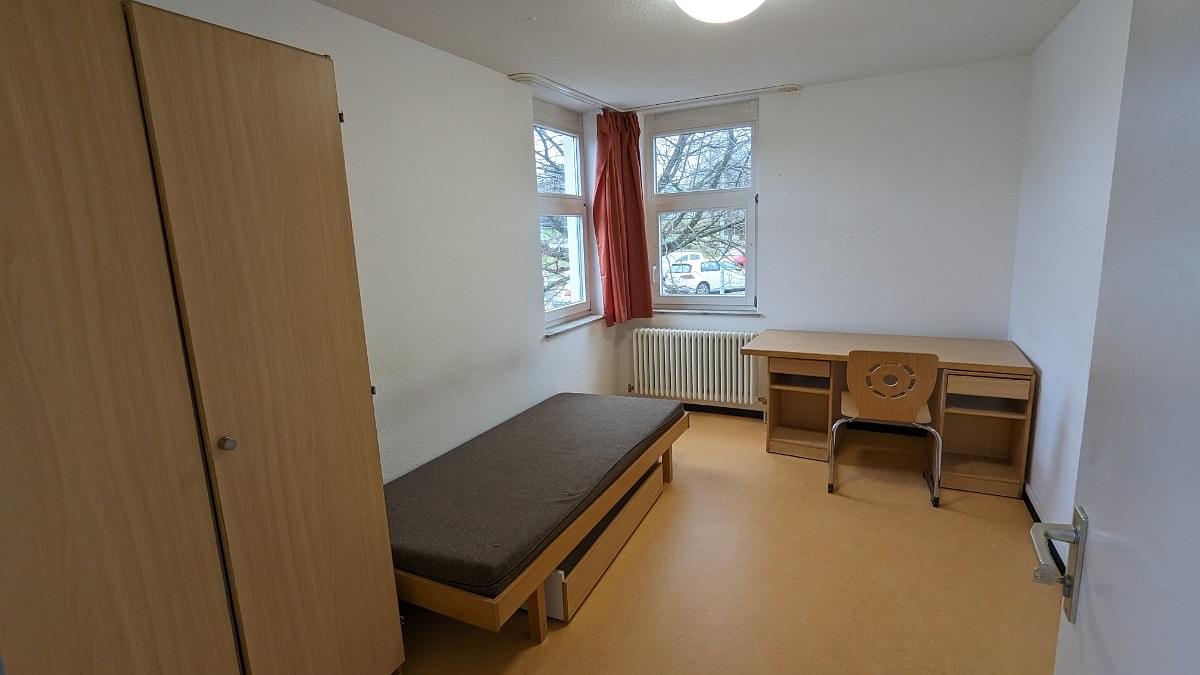
- The monthly rent was 320 euros in the beginning with a deposit of 400 euros. It included an individual room in a shared apartment for four people. It came with a common kitchen and dining area, common Toilet/bathrooms and a common storage area in the basement.
- Due to the information provided by the university, I had no challenges in finding accommodation.
- Try to get accommodation through official channels like the portals provided by Studierendenwerk or VSSW. In case of unavailability of rooms, you can look for sublet/temporary options on various whatsapp/facebook groups created for the same
- The accommodation is literally 8-10 mins away from campus on foot. And most of the international/Indian students live here in the vicinity (Landmark/street name: Allmandring)
Exams
- An english language proficiency certificate is compulsory. IELTS/TOEFL scores are accepted
- SOP, CV, LOR are all necessary to make an application; for students holding an indian bachelor's degree, a document explaining the grading system is recommended, etc.
- Interview was not part of the application process. the application is screened purely based on the documents and letters submitted during the application process.
Fees
- Breakdown of fees (per semester): Tuition fees-1500 euros Semester contribution-200euros
- Fees is charged semester-wise
- Monthly expenses: Rent: 350 euros, Health insuarance(compulsory):120euros, Food & Groceries: 150 euros, Transport ticket/internet/sim card charges:80 euros, Auxiliary (trips/gym/outings): 200 euros. Total 800euros approx (can sustain in less as well, based on lifestyle.)
Scholarship
- I did not receive any scholarships
- I knew certain students who had received schlorships, like the erasmus mundus exchange students. More information regarding scholarships can be found on the unversity website or DAAD website
- Not sure about the average number of students receiveing the scholarships. Local germans have more exposure to scholarships, but the number of foreign students holding scholarships is very less


