







Reviewed on Mar 31, 2026(Enrolled 2024)
What Students Say
Likes
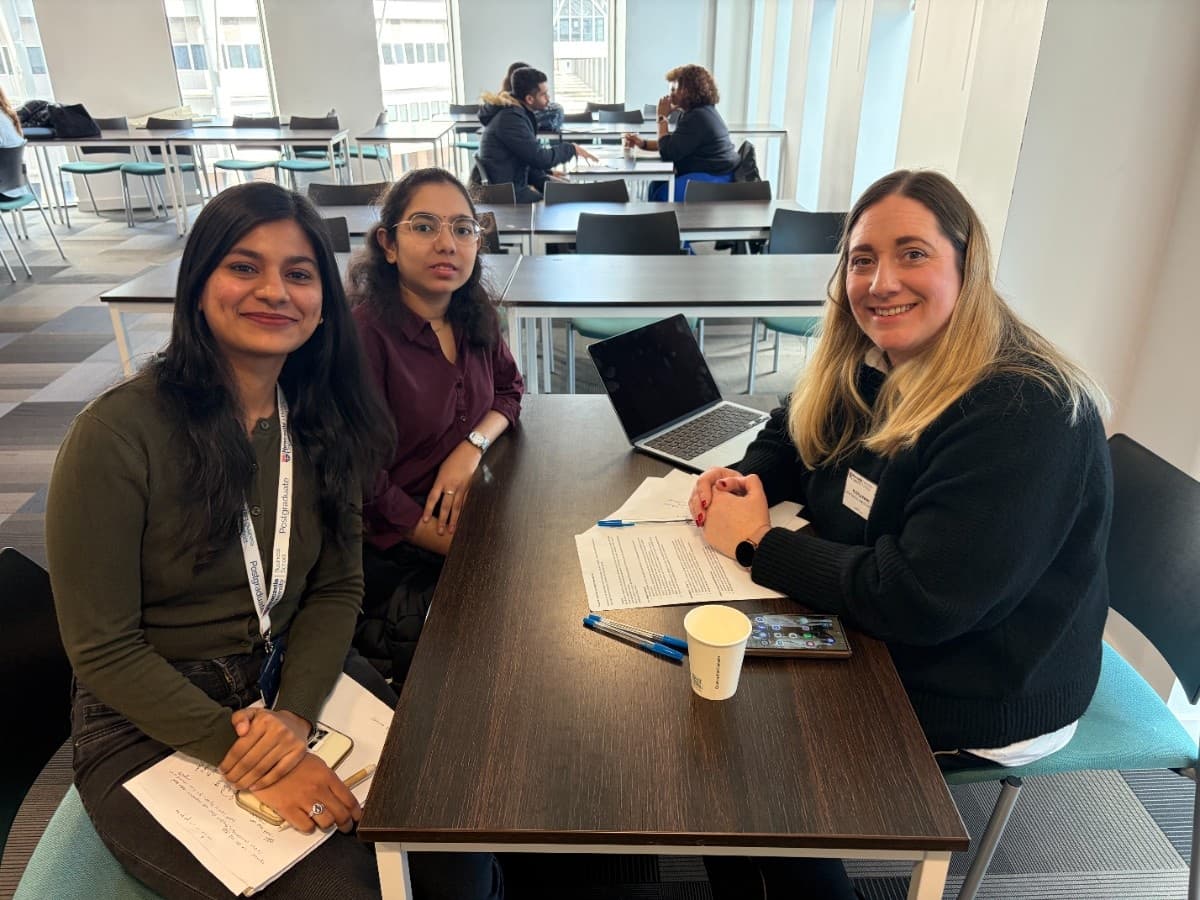
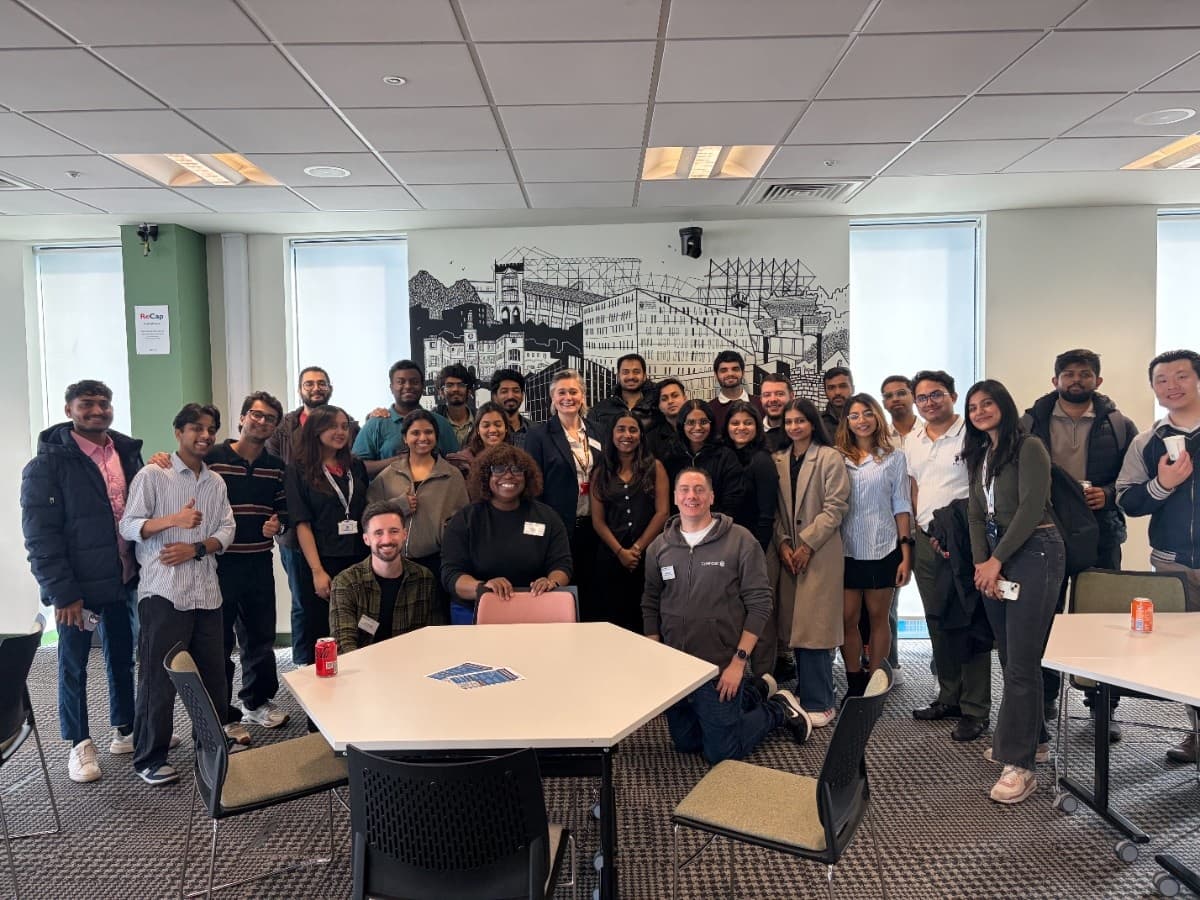
- One of the best opportunities was the speed networking session where the university brings all the top employers across different sectors into the university giving students the opportunity to ask employers about their company culture directly, what they look for in candidates, their recruitment system and giving you a real chance to actually connect with these amazing professionals.
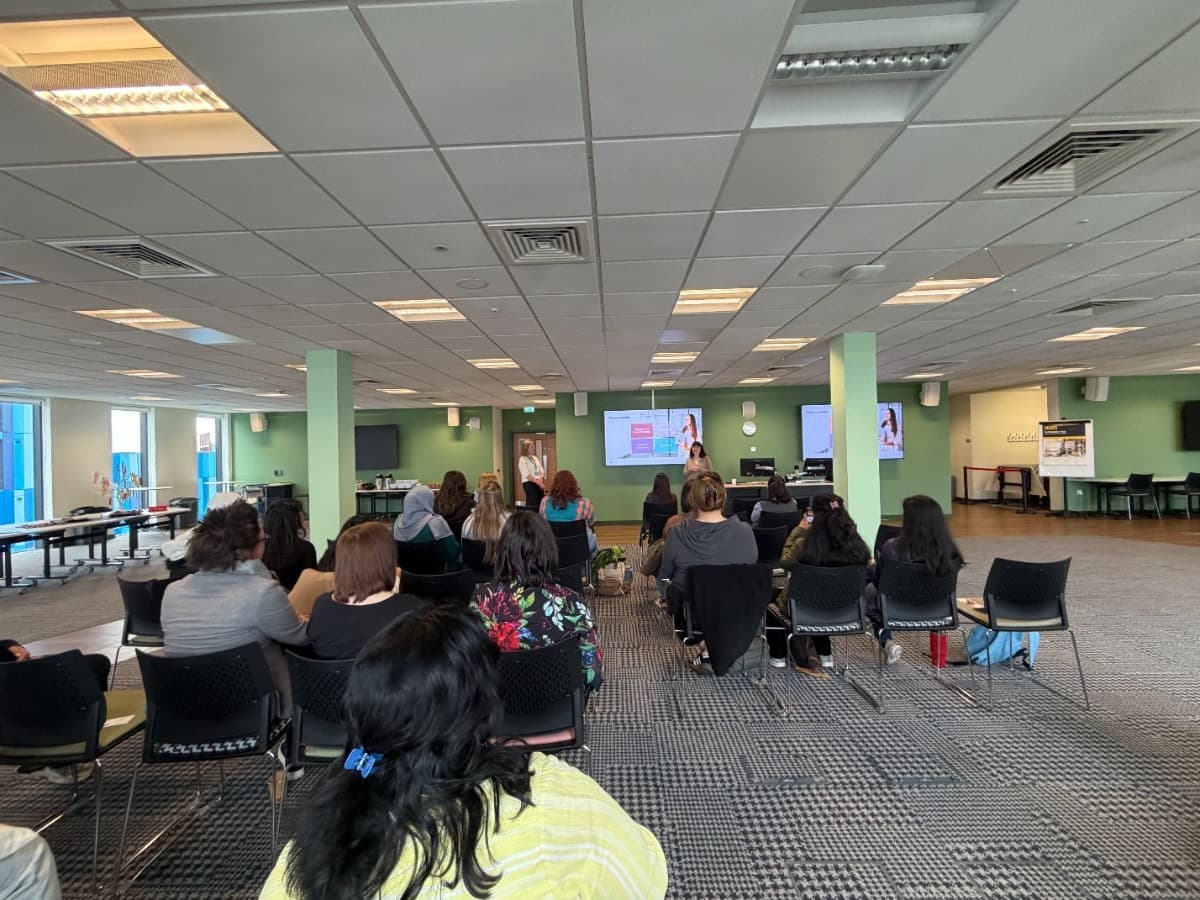
- I really enjoyed the countless opportunities the business school brought to us like coffee chats where we have the opportunity to have a relaxed 1:1 chat with an industry professional over a coffee and sessions like industry insights, where a panel of leading professionals come and talk to us giving us insights to the real world helping us to better transition from uni to the graduate loaboir market.
- Another event I really enjoyed was the local and national business treks were the university takes us to visit different companies. We get to see how the company moves in real time in a day. The employers prepare sessions for us to students helping us to clearly understand what the current job market is looking for.
Dislikes
- One thing I disliked was that there are so many resources and information out there, sometimes it does not reach you at the right time.
- For example very few people knew about the NCL+ award because it was not advertised properly. It's an award you get from the uni for 40+ hours of extracurricular work, which looks great on your CV. By the time some students learned about it, the deadlines had passed.
- Business School is quite large on its own but I thought it was a little bit far away from the beautiful main campus, I wish it was a little more closer and connected with the main campus.
Course Curriculum
10
- I thought it was an amazing blend of theoretical, practical, interactive, and engaging coursework. I will be honest, the transition from an Indian classroom to a world-class university is a little difficult. However, if you are curious, open-minded, and are coming into the course with a mindset to elevate yourself by completely engaging with the course, I think it's not that difficult to crack how you need to work. And there are so many sessions dedicated to international students to help you with your transition to the new education system. There are plenty of resources available, but it's up to you to ask questions and make use of those resources. I also found that people are always willing to help; all you have to do is ask.
- What stood out to me is how engaging the coursework is. When you do your assignments, projects, or presentations, you are engaging with real-life case studies and companies to complete your coursework. I enjoyed the fact that it is not all by heart and writing things from your memory. What you learn sticks throughout your life. This was and is useful to you when you step into your job.
- There are only 3 classes maximum scheduled in a day. And you have classes 4 times a week on average. I had around 40 students in my class, and I only had two other Indian batch mates. Some courses had more Indian students than mine. The only problem I faced was that, in my second semester, some classes used to end as late as 6:30, which was a bit difficult, and when you have classes back-to-back in different buildings, it's a little bit difficult to get from one lecture to another.
Admission Experience
- I had only applied to Russell Groups as part of my Plan A. Apart from Newcastle University, I got admitted to the University of Birmingham, the University of Liverpool, the University of Leeds, the University of Sheffield, and Queen’s University Belfast.
- I was rejected from the University of Manchester because by the time I applied, the course seats were full. The University of Glasgow rejected me because my bachelor’s degree content was not suitable for enrollment in this course.
- And I was unable to make applications to the University of Edinburgh, the University of Durham, and the University of Bath due to extra application fees, which I could not afford at the time, as I had no financial support during my application process and IELTS exams.The
- University of Birmingham actually ranks higher than Newcastle University. However, the course modules I was interested in aligned better with what Newcastle University offered, and when I did my research, I was more impressed by how Newcastle University Business School supports its students to boost their employability during the course and after the course. Additionally, Newcastle is student friendly city with a low cost of living compared to other cities as well.
- I applied for the 2024 September Intake
- I applied in May, and I got my admission within a month. Some of the universities gave a conditional offer within a week of applying. However, since my target was to get into Newcastle University, it took me a month.
- I applied through a study abroad consultancy. I submitted everything that was required from my end to them, and they processed my applications for me.
Faculty
8
- Faculty-to-student ratio, I am unsure. Our class strength was 40, and we had around 10 faculty members engaging with us throughout. Most of them were very engaging tutors. I admire the director of my programme a lot. I had read about her when I was shortlisting universities, as I read a bit of her research work. I resonated with her personally with my values and what I want to build for myself. She is very empathetic, always keen to support not just academically. She cares about her student’s well being a lot and is a genuine cheerleader for her students.
- The career service faculty helps you in finding internships and part-time opportunities and supports you well throughout the process. They direct you to opportunities that pay you as well as contribute positively to your CV.
Campus Life
8
- Newcastle Campus: The main city-centre site in Newcastle upon Tyne in UKwith over 100 buildings and the Newcastle Helix development.
- NUMed Malaysia Campus and Newcastle University, Singapore, for tech programmes.
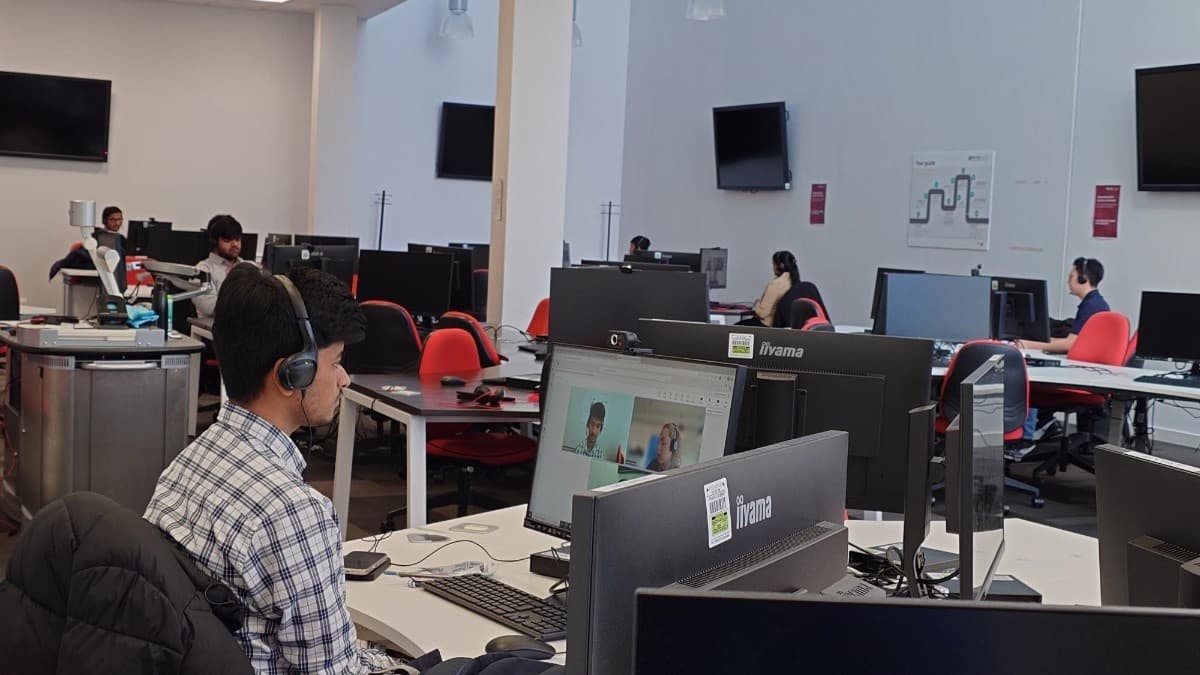
- There are plenty of services. There is a student union, well-being support, a sports centre, and 24-hour libraries. I used to be in libraries all the time during the assignment period. You have cubicle spaces and combine study areas. You have even booked a room for yourself or for you and your friends to do team projects. You can use the computer cluster if you need to use the system.
- There are a countless clubs and societies for you to pick from. I was part of the Indian Arts Society at the university and have participated in and attended many cultural events.
Part Time Jobs
- The maximum time allowed per week for students is 20 hours. All the jobs on campus pay minimum wage or above. Internships are a much better option, as they are more flexible around work, you build graduate-level skills, plus you are paid well more than minimum wage. I have only done one internship for 6 months. However, some students have done up to 3 internships.
- The NCL internships page has loads of information on their page, and the career service team supports them through the application process. Securing campus jobs can be difficult because most undergrads secure them before they even reach here. However, securing an opportunity is not that difficult if you take the support of the career service and do proper homework to build your profile. I have seen my peers take up two different part-time jobs, sometimes project contracts as well.
- Students above 21 earn £12.71 an hour. After my internship ended, I looked for part-time jobs. My friends were already doing different part-time jobs. Through a mutual friend, I came across an opportunity to work as a team member in Cineworld. Having a referral is always good, but this mutual friend also walked me through their recruitment process and what they are looking for in candidates, which helped me secure the part-time job. I had two rounds during my recruitment process.
- The first one involved all the shortlisted candidates, and we formed groups to do a few tasks they assign. Based on how engaged you are, how you interact, your language proficiency, the ideas that you bring, and how you work in a team, they select you for interviews. I was fortunate to pass this round, and the second round was interviews, where they check your knowledge around the job role and see if you would be able to do it, especially since it's quite a fast-paced setting. Some people also go around distributing their CVs across various cafes and shops had found opportunities as well.
Placement
8
- The recruitment process is a little bit different here compared to India, and I think it's very important for a student to understand these differences and be prepared for them when they are trying to pursue a career abroad. In India, if you get one of the top institutions, it's almost guaranteed you will get a job through campus placement. There are no campus placements in the UK.
- The UK have graduate schemes instead. Graduate schemes are roles which you apply for during your semester 1 to be hired after you graduate. This is a long process with multiple rounds of tests and interviews. Most of the top companies and fast-growing small businesses give amazing graduate scheme opportunities. Once you are hired, you work with them for two years across different departments before you can find a role best suited for you. It's a great opportunity for those who are seeking entry-level roles or students with little or no work experience.
- The next one is the graduate labour market. I mostly use LinkedIn to follow the companies I am looking to apply for and go through their job openings regularly. You can also use the company sites or other platforms like Indeed and totaljobs. Newcastle University also has many jobs advertised on its career service page as well. The average salary range depends on what the role is and where you will be working in terms of the cities in the UK. For example, I am an HR graduate with a few years of experience, my average salary in Newcastle would be £27000, whereas in London it would be £32,000. On the other hand, a fresher business analyst with minimal experience would get paid an average of £ 34,000 in Newcastle or even £38,000 in London. Everyone from my cohort and my friends from other programmes who stayed back in Newcastle got employed full-time within the first 5 months after graduation. I also had a friend who received two offer letters from two great companies as well.
- Some of the Key points-
- Soft skills are much more important than you think. Even if you have all the technical skills needed, recruiters are keen on knowing how you conduct yourself, your self-awareness and if you would be a good fit into their company culture and team.
- The way you present yourself is very important. Please don't dress up like a student in casuals in spaces where you will be meeting your employees. Dress sharp and stand out, be ready to build professional connections and relationships in these places. It might sound cliché, but it actually works. People really take note of these things, and it adds to what kind of first impression you want to give.
- Networking is very important here, and I cannot stress this enough. To be a good networker, you need to build those soft skills and really understand what networking is all about. I have attended some great sessions with the career service team to be a confident netoworker as initially I was quite shy and awkward around networking.
- Some students who are struggling do have full-time jobs, but they might not be happy with them and tend to be searching for better roles. As far as I know, no one has been fully unemployed here.
Accommodation
Off Campus
10
- Off-campus accommodation. I could walk and reach the main campus in 5 mins and the business school in 20 mins. £392 monthly, including electric, water, heater, and wifi bills. Most indian students stay in Newcastle University campus. However, many don't apply on time or think the cheapest option is not good enough and go for accommodation with slightly higher rates.
- The only challenge is that there is a particular time window during which they release to make an application to get the accommodation. So you need to be alert and get your application within the time slot they offer. Apart from that, the rest of the process is quite easy and straightforward.
- There is no extra deposit, and you only need to pay at the end of every month. I will always recommend Newcastle Uni accommodation over any other accommodation tbh.
Exams
- IELTS with a score of 7 or equivalent, or a reliable medium of instruction certificate. I submitted a medium of instructions certificate as well as my IELTS score, as I was targeting Russell Group universities.
- Docs required:
- Statement of Purpose
- CV
- Letter of Recommendation from an educational institution
- Letter of Recommendation from Employers
- I also submitted a letter of clarification regarding my career trajectory, as I was a freelancer transitioning from contracted work. You can also use it for a gap year.
Fees
- £28000 for my tuition fees, divided across two semesters, but with a scholarship, it came down to £24000. I paid £2000 to secure my offer and place at the university. There is no credit-based system across the university. However, since I struggled to pay my second sem fees, I requested an installment plan and was able to pay monthly fees towards my tuition, but that happened only once. Normally, they expect you to pay the first half at the start of the first semester (as soon as you join) and the rest at the start of the second semester (last week of January).
- For my accommodation, I applied early for the uni accommodation, and I only paid £392 per month as rent for 12 months I stayed there, which is inclusive of electric, water, heater, and wifi bills. This was the cheapest but the best accommodation I have lived in the UK, as the university has great accommodation standards, even for the cheaper accommodations.
Scholarship
- I received the Vice Chancellor’s Scholarship of £4000. I received scholarships from almost all the universities I applied to, but Newcastle University gave me the best scholarship, considering the ranking of the university.
- As far as I know, all of the Indian students received the same scholarship that I did. And some of my batch mates who were high achievers recieved 50% scholarship for their students. An outstanding Indian student received 100% scholarship in the same year as well.


