


Reviewed on Mar 24, 2025(Enrolled 2022)
What Students Say
Likes
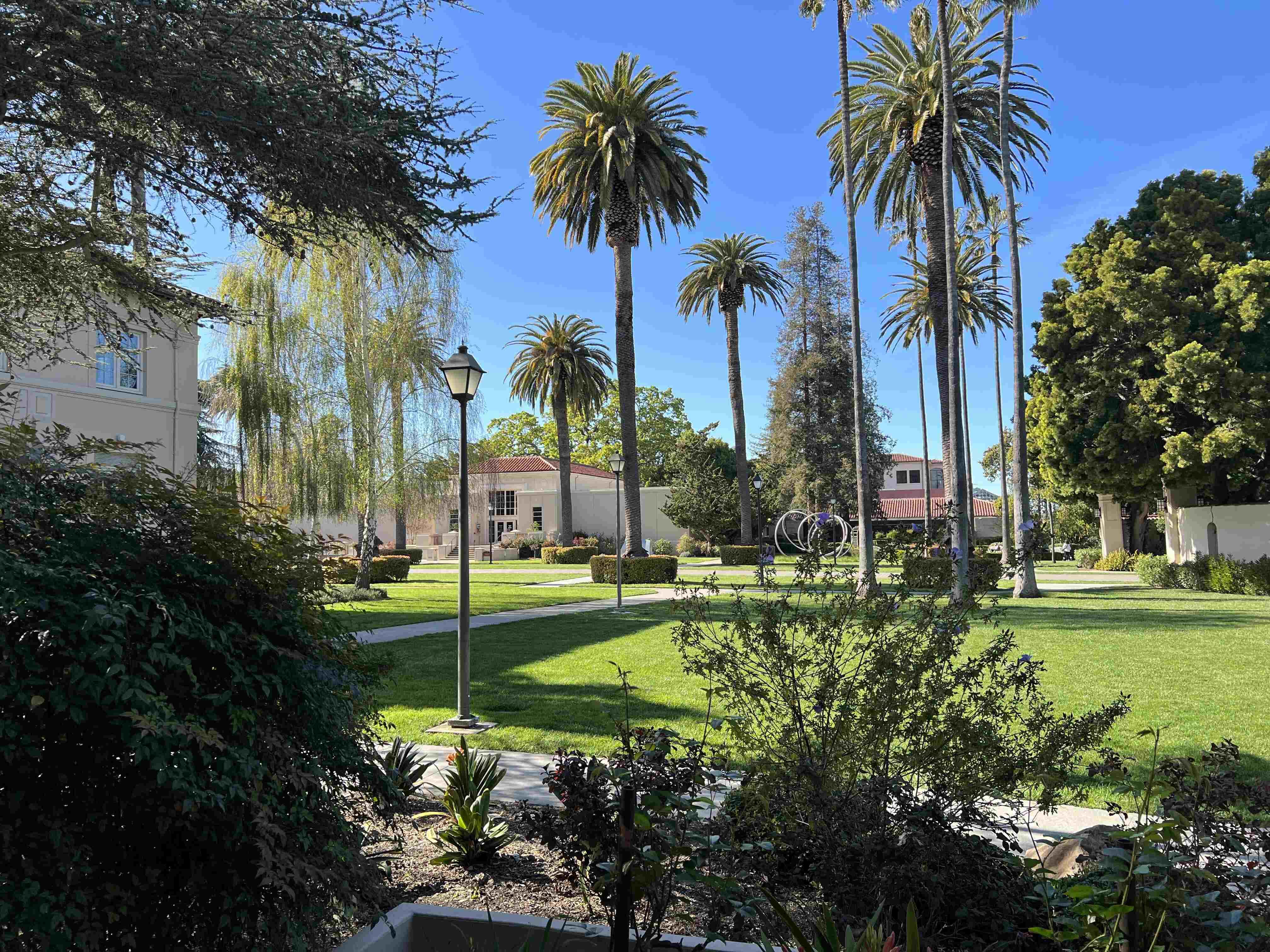
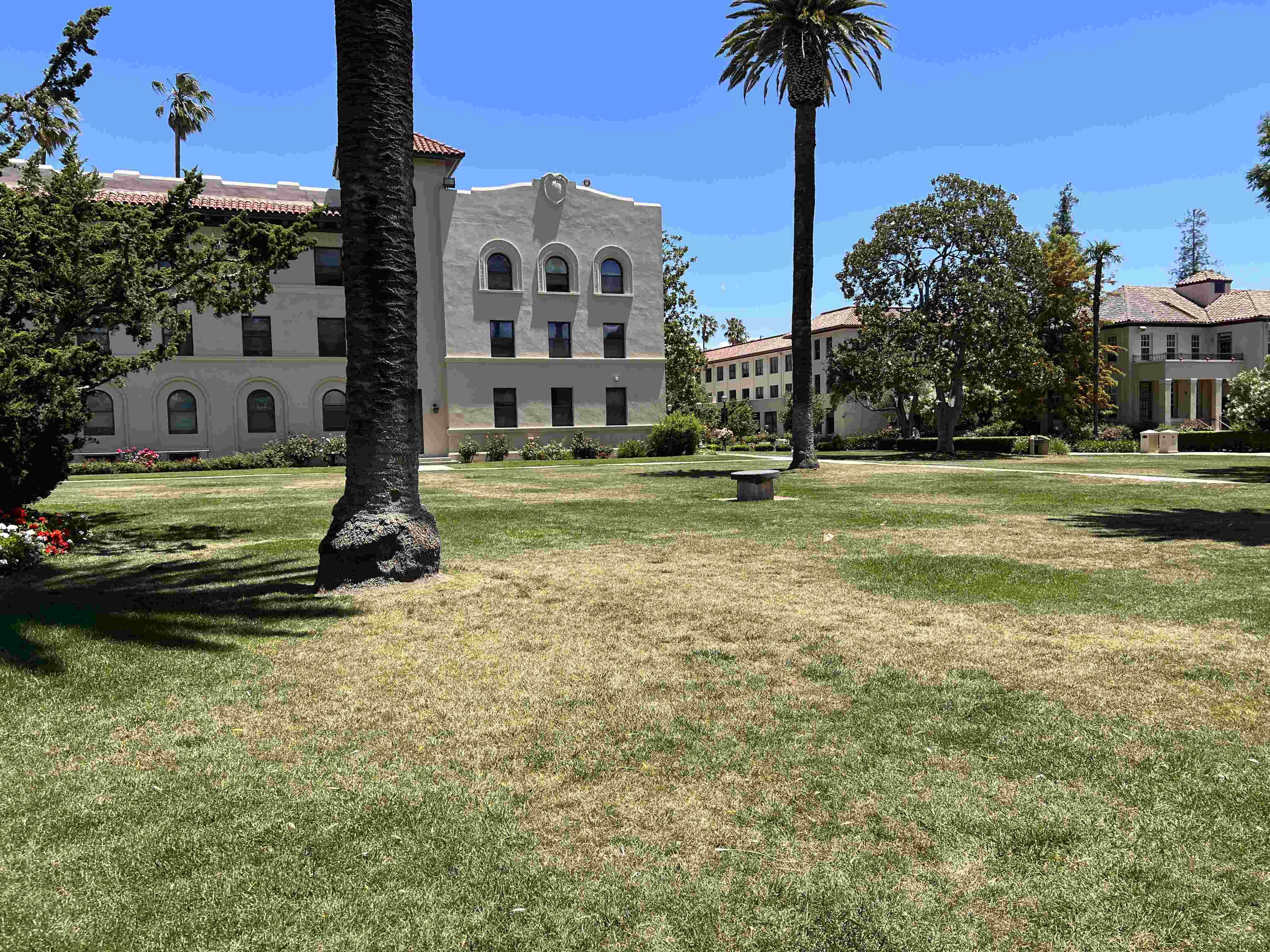
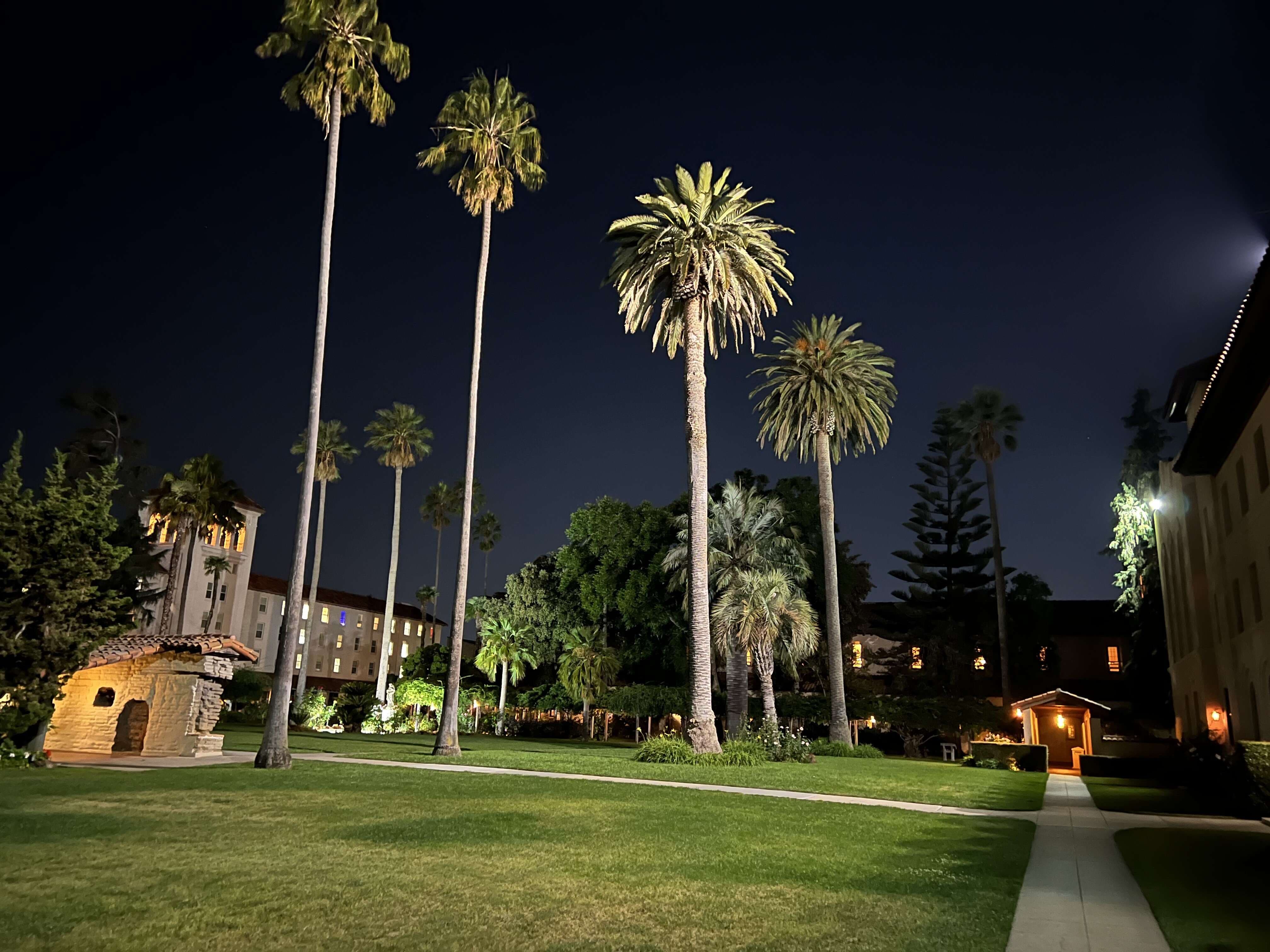
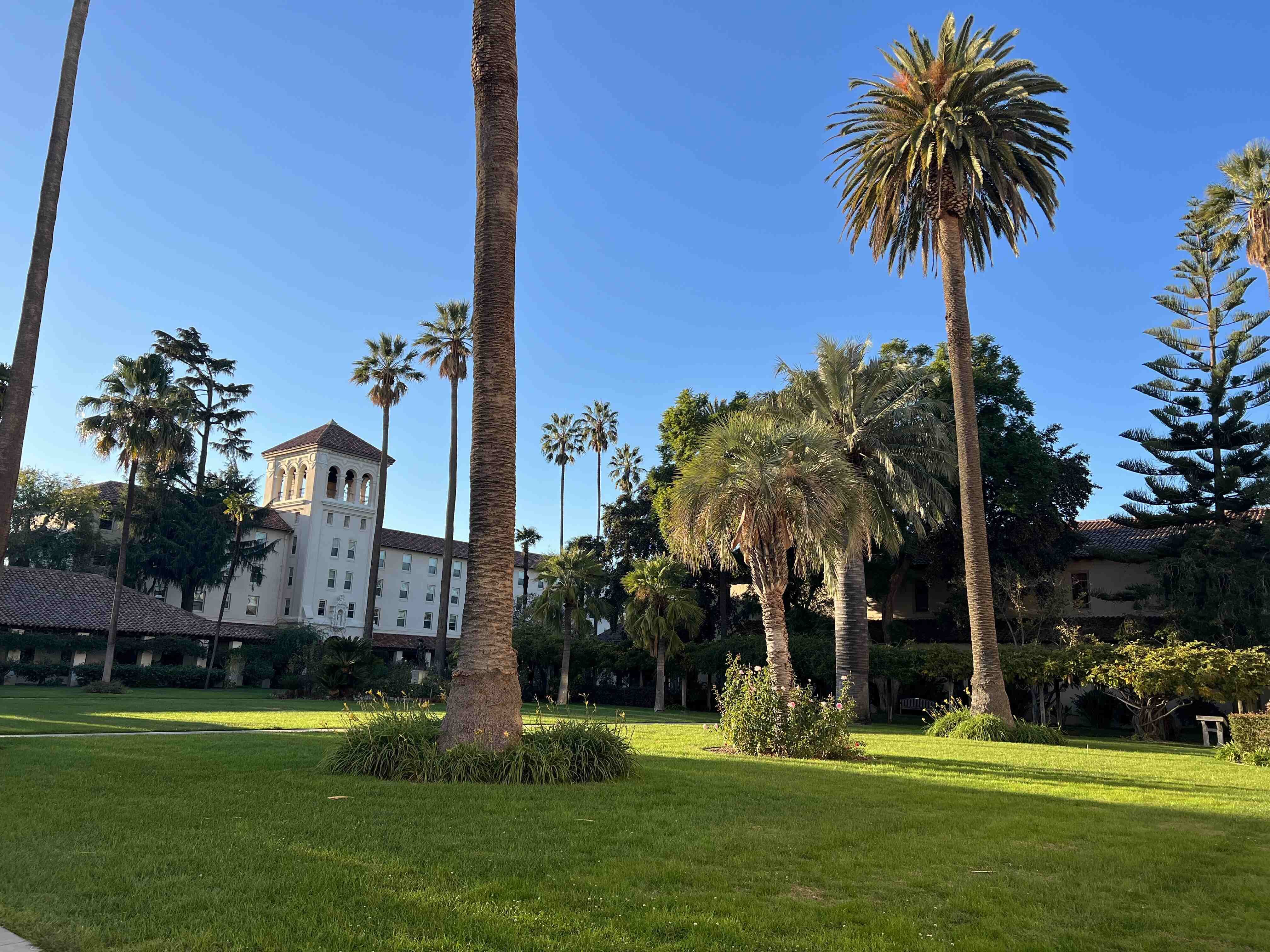
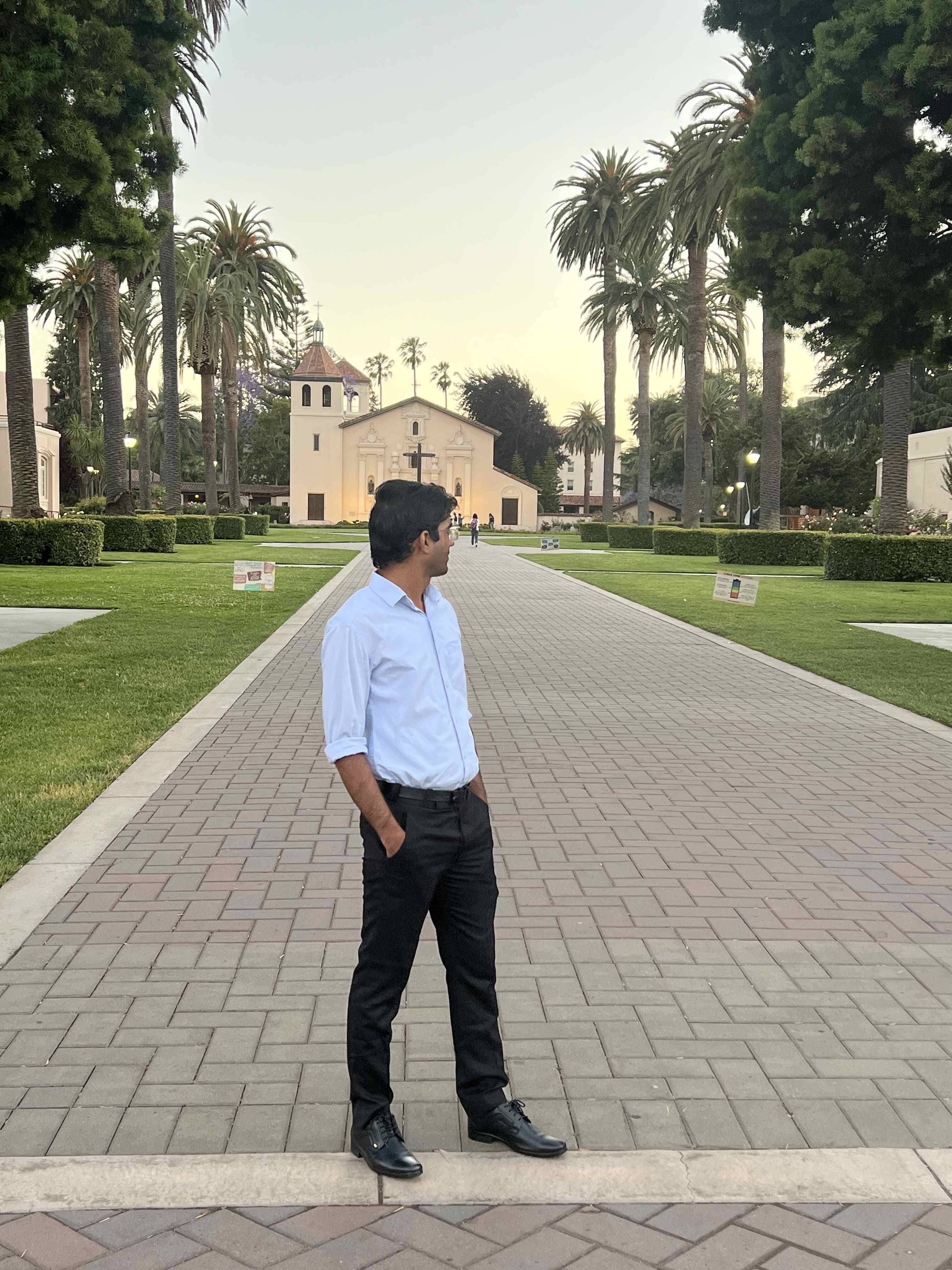
- The beautiful campus especially the library and the mission gardens. The mission gardens was a relaxing place.
- Proximity to big tech companies especially the company where I was interning.
- The location - San Francisco Bay Area, which has a pleasant weather throughout the year, cool breeze and top notch AQI compared to all Indian metro cities.
Dislikes
- Curriculum - Everyone had to take some core courses despite what their background was. For people who had already studied those, there was some repetition and unnecessary expenditure.
- Large intakes - The university had a huge intake for Computer Science and related branches which made most lectures Indian heavy in terms of student composition. So, the opportunity to interact with students of other backgrounds reduced.
- High expenditure - Being in the Bay Area, the university tuition fees and even the housing was quite expensive compared to other universities like Indiana University Bloomington, SUNY Buffalo and University of Florida.
Course Curriculum
6
- The difficulty level of the curriculum was 3/5. It also depends a lot on the courses the student takes. It was a good mix of theoretical, managerial and practical aspects of computer science.
- Positive aspects: good professors, proximity to tech companies that help with securing a job, curriculum includes entrepreneurial courses also that help with understanding tech and business together.
- Negative aspects of the course: the curriculum includes some mandatory courses that have to be taken. Also, the quarter system is extremely hectic and the students are on their toes throughout the degree program.
- I joined the course in Spring 2022 and there were about 30 other students along with me, as the majority of them joined during the fall quarter. The average number of students in a class (a particular course) depends on the course, number of students registered and professor guidelines.
- Most students admitted into MS CS, MS IS, and MS Business Analytics programs are Indians and Chinese, and I would say the percentage of Indian students in any course on average is 55-60%. But some courses have very less students and some have a lot. The average is about 55% though.
Admission Experience
-
I applied to 12 universities.
- North Carolina State University, Admitted
- Santa Clara University: Admitted
- University of Massachusetts Amherst: Rejected (medium GPA was the rejection reason)
- Indiana University Bloomington, Admitted
- University of Pennsylvania-Rejected (medium GPA was the rejection reason)
- Arizona State University, Admitted
- Syracuse University: Admitted
- Georgia State University: rejected (medium GPA could have been the reason)
- Northeastern University - Rejected (Applying late was the main reason for rejection.)
- University of California Davis: rejected (lack of research publications could be the reason)
- University of San Francisco: Rejected after interview (answered a question incorrectly in the interview with Professor)
- Stony Brook University: Rejected (medium GPA)
- I chose this university due to its proximity to big tech companies and its strategic location in the heart of the SF Bay Area. The idea was that this would make it easier to get interview calls.
- The admissions process included submitting GRE and TOEFL scores, a WES report of UG transcripts, applying with a statement of purpose, recommendation letters and the application fee.
- The eligibility criteria are a minimum TOEFL and undergraduate GPA. GRE, TOEFL and IELTS are all accepted and for the minimum scores in these exams to be accepted into Santa Clara University, you can visit their website.
- I had applied for Fall 2020 initially but did not travel due to COVID. I reapplied in 2021 end for Spring 2022 intake—the primary motivator being the booming job market. The admissions process took 2 months, from submitting scores to my application and receiving my I-20. I applied in early September 2021, couriered the WES transcripts and submitted test scores. I received the admission in the first week of November 2021. I immediately paid the deposit and got my I-20.
Class Schedule
6
- There are three slots - 7-9 AM, 5-7PM and 7-9PM in which lectures are held on any given working day. Every 4 unit course has two lectures per week and 2 unit courses have one lecture per week. The number of classes depends on what courses the student has registered for.
Faculty
8
- The faculty-to-student ratio in my course was decent and a lot of the courses were taught by highly experienced professors. The ratio does influence the quality of education since experienced professors cover a lot of depth and have good teaching skills.
- The teaching methodology of faculty members is academic. But the course content and teaching approach themselves are insufficient to prepare students for securing a job. It provides the basics of the course and also pushes students to learn more, but it is up to the students to hone their coding skills, communication and presentation skills to clear interviews.
- Faculty members assist students in finding part-time or full-time jobs through their personal networks. They also review resumes and provide feedback on improving them and structuring them better. Also, if the student has a good rapport with them, they provide students leads on which department in a particular company is hiring at the moment.
- I admired my professor for the Ethical Decision Making for Technology Leaders course the most. He designed the curriculum and delivered it in such a way that encouraged students to think about complex problems like saving a company from going bankrupt, deciding when to blow whistles and simply leaving an organisation for a better opportunity—something that can't be addressed purely from a tech point of view (building an app/software), and so he also taught concepts of neuroscience and evolution and pointed out the faults (evolutionary hardwirings) that limit humans and also what it takes to overcome them.
Campus Life
8
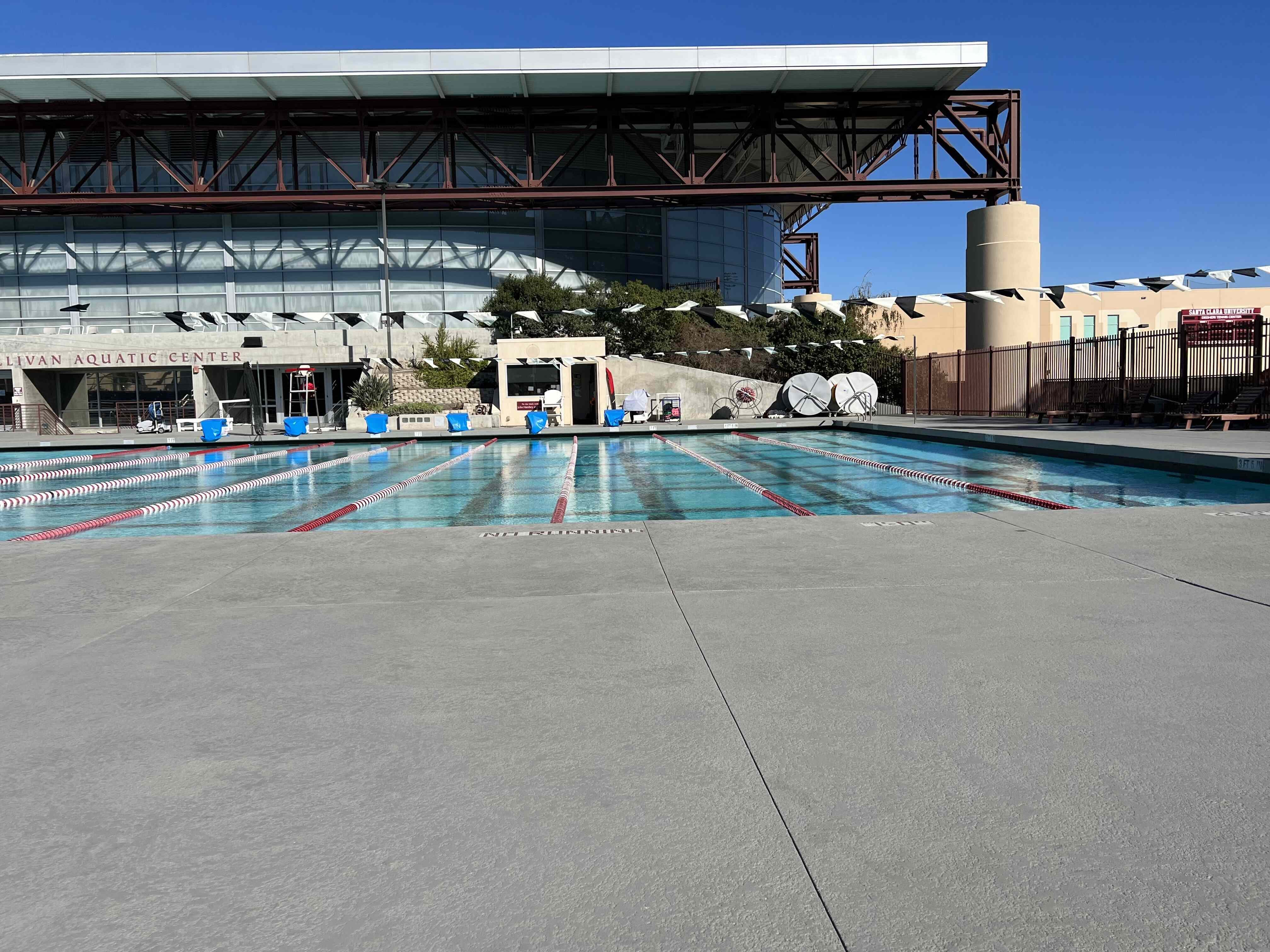
- The university has one big campus and small buildings around it. University facilities include a swimming pool, gymnasium, computer labs, a massive and beautiful library, a canteen with dining halls, dormitories, campus health services, a meditation room and lounges.
- I was an active participant in the mindfulness club on campus. Activities include weekly reflections, journaling activities and games.
- There are many clubs on campus that meet regularly and do fun activities—chess club, badminton club, physics club. Students can go to the university gymnasium and play any games that they like.
Part Time Jobs
- Quite a few students receive TA positions but not a lot of them receive RA and DA positions. I don’t know about the exact number of students that receive these assistances every year. The pay range for all these positions is above the state minimum wage requirements.
- Other on-campus opportunities available for students: library student assistant, receptionist at cafe, church worker, exam proctor, receptionist at sports centre, video editor, media services assistant... Hourly wages are mostly the state minimum wages or 2/3$ above that.
- For international students, during regular quarters, 19 hours per week are allowed and 40 hours per week during summers. Most students receive some on-campus jobs, and with decent networking skills, it is not a difficult thing to secure an on-campus job.
- Most students earn the California hourly minimum pay working part-time jobs. It is quite easy for students to secure part-time employment while studying. Students apply for part-time jobs through Workday, attend interviews, get offer and then apply for SSN, which is a must to work on campus. Students can benefit from networking with peers and asking them for referrals.
Placement
6
- Around $100k is the average salary range that most students in the program can expect to earn upon graduation
- Students find jobs through LinkedIn, Glassdoor, networking and referrals. A few people also apply through YCombinator and get jobs.
- Meta, Walmart, Amazon, AMD, and Nvidia are the major companies that hire graduates from the program.
Accommodation
Off Campus
8
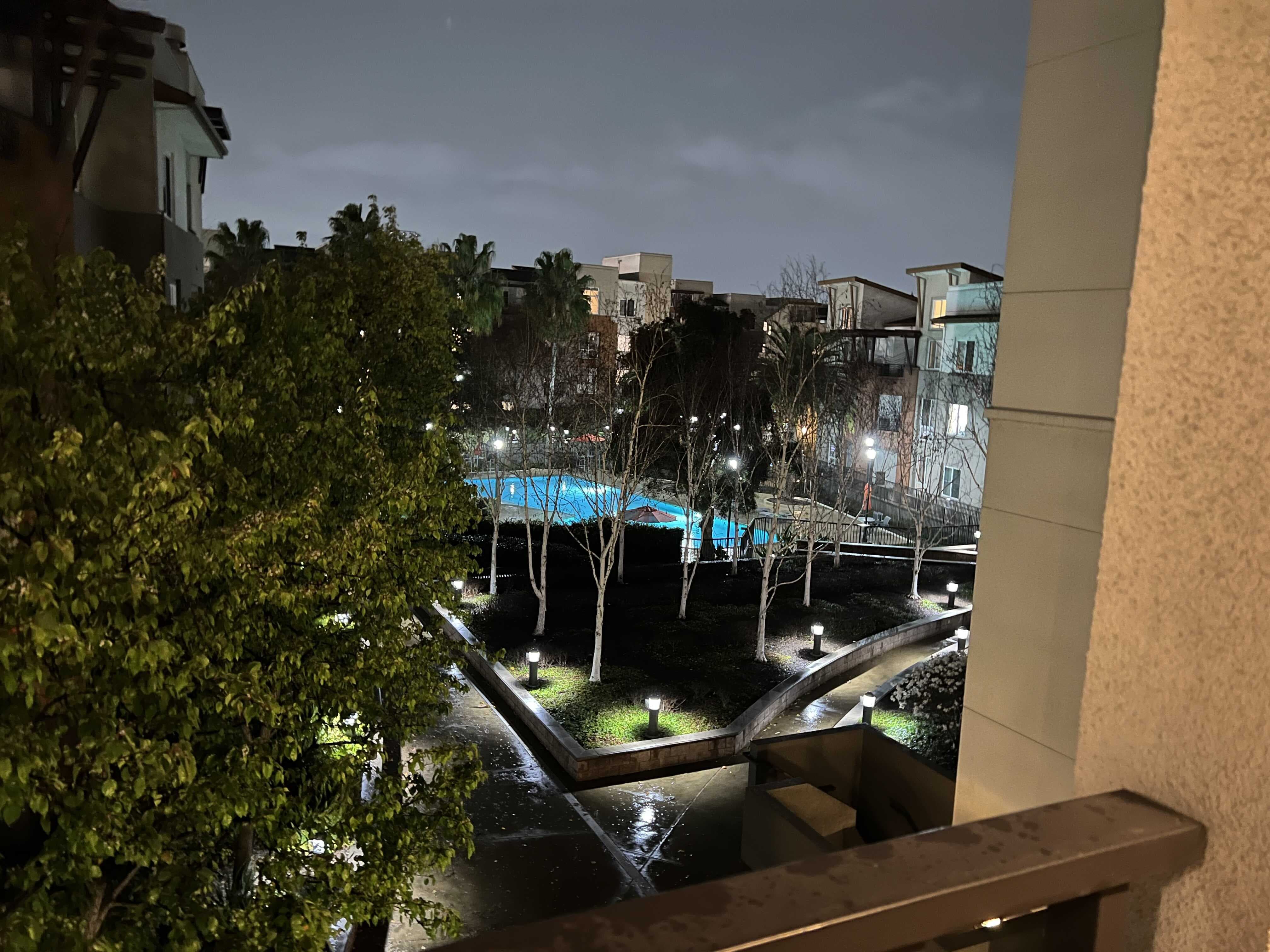
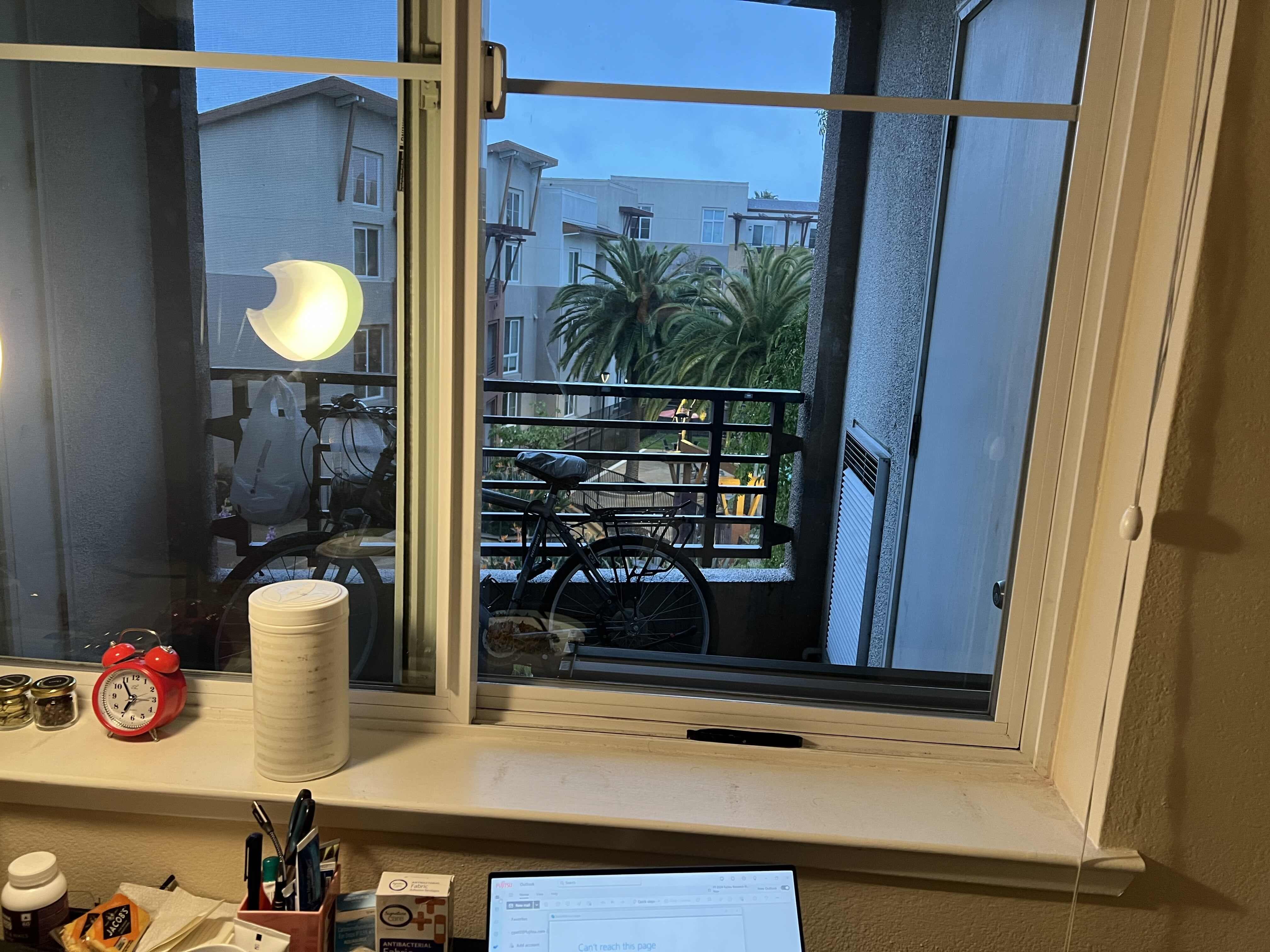
- I found my accommodation through a WhatsApp group meant for university students. Monthly rent was about 750-775$ for a 2-bedroom, 2-bathroom apartment with five people in the house. Facilities included central AC, oven, microwave, induction stove, washing machine, dryer, exhaust fan, closet in each bedroom, smoke detectors, parking spot, patio, trash room, lift, gym, pool, jacuzzi and Amazon parcel box.
- Utilities like sewage, water and trash was separate and the electricity bill was separate too.
- Finding decent inmates was the biggest problem, as people have habits like consuming alcohol and drugs, not keeping the house clean and other disgusting habits.
- Recommendation for future students: if you can afford it, go for university housing or a private room with <=3 residents in the house. Or, it is all up to luck what kind of inmates you get.
- Most Indian students stay in off-campus housing close to the university. I stayed in a similar apartment tooand it was ~1 km away from the main campus
Exams
- I had taken the GRE and TOEFL already. So, I submitted the scores. Although I believe the GRE score was optional at that time due to COVID-19.
- I submitted my SOP and letters of recommendation electronically and WES evaluation (transcripts) physically via courier to the university as part of the admissions process.
- No, the interview was not a part of the application process.
Fees
- Tuition: 1121$/unit (46 units to be completed for MSCS) Medical insurance fees~$3600/year
- Housing: $1,000/mo per head, including utilities, groceries, electricity and rent.
- Tuition fees increases every year by some percentage (the website has more details)
- Monthly stay: 775$(rent) + 50$(electricity) + 75$(utilities) + 100$(food and groceries)
- The rent depends on what kind of apartment is occupied but other expenses remain more or less the same.
Scholarship
- I did not receive any scholarship for this course and don’t know of people who received one. Although I am sure some of them might have received it. Scholarships are usually provided by professors who also expect that student to work as their assistant and lab technician. But I know for sure that very few people receive scholarships at US universities.


