


%20-%20Sandhra%20Saburaj%20(1).jpg)
.jpg)
.jpg)
.jpg)
.jpg)
.jpg)
.jpg)
.jpg)
.jpg)
Reviewed on Nov 8, 2024(Enrolled 2022)
What Students Say
Likes
- 24 hours library
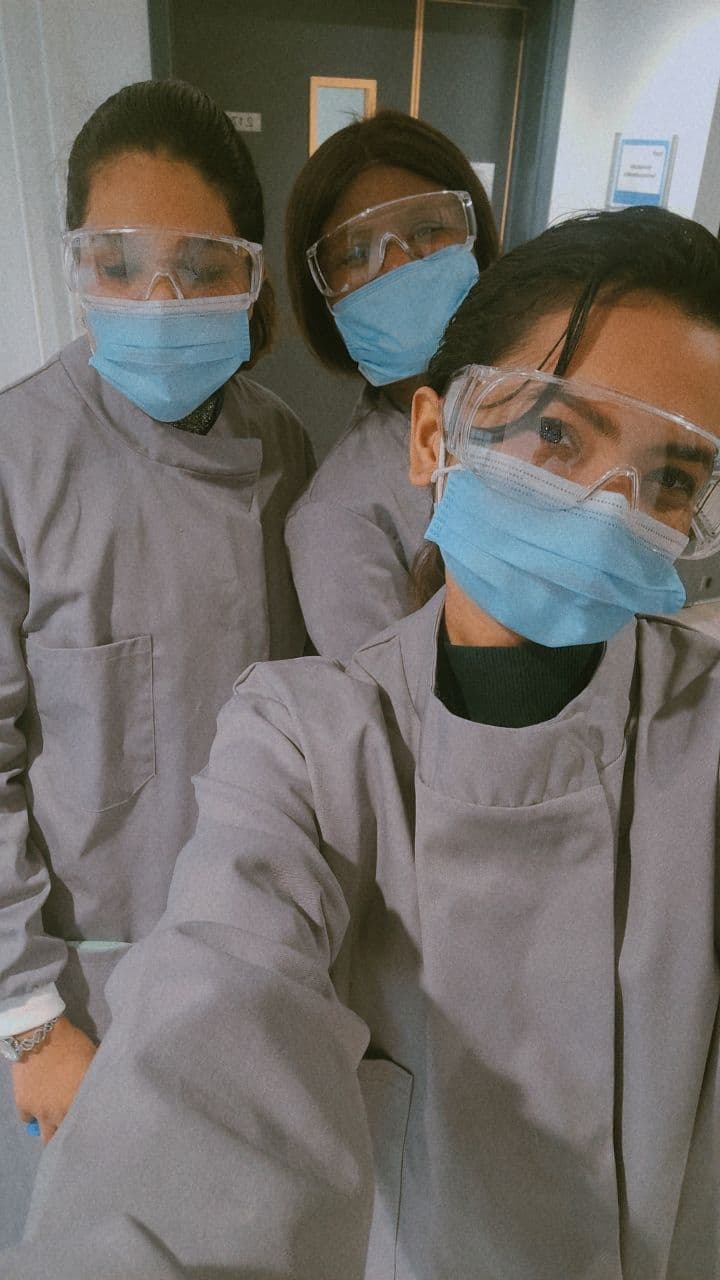
- Provides hands-on experience in industrial quality equipments and facilities
- Appreciating every culture and also have a DMU Indian society ( Conduct cultural programs, Holi celebrations etc..)
Dislikes
- About 150 to 300 students in one class (most of the time some students doesn't get seats)
- Running from one building to another building to next class (sometimes with the same Professor)
- Using code for submitting attendance (some students send codes to their friends who isn't present in class and they get attendance)
Course Curriculum
5
- It was a really difficult course with a strong curriculum. It was a strong mix of both practical and theoretical classes. It contains practical sessions, seminar classes, lecture classes, worksheet classes, small group sessions, large group sessions etc. They also provide academic helps for achieving good scores which is highly beneficial for international students who are new to UK educational system.
- The negative aspect is that my course had a entirely new pattern of exams which other people of my degree level experience in PHD.
- The positive aspect is the the University and faculty is ready to prepare us to face all of this. They provide all the help and support to International students.
- This course have both online and offline classes, mainly offline classes. Typical there is 3-5 days a week with 1 to 4 module a day. Each module is of 1 hour. The University timing is 9am to 5pm.
- The University have a special help desk to help students find part time jobs during the course period and they also help in placements after the course.
- My course has the least number of students because it is difficult to get in. In my batch there were 36 students and more than half of them were Indians. Typically this course have less than 40 students every year that's what makes this course special from rest of the courses provided by University which usually have 150 to 300 students per class. Almost half of the students in the University are Indians.
Admission Experience
- I applied to only two universities because I was too late to apply for September 2022 admissions and I was only left with few University options which provided course of my interest. One is De Montfort University Leicester (MSc in Pharmaceutical Biotechnology) and other one is Ulster University Coleraine (MSc in Biotechnology Research). I received unconditional offer letter from both the Universities.
- I chose DMU because I liked this university and the course most, and it was also my option one in university choices. Only two of the UK University provided Masters in Pharmaceutical Biotechnology. I'm interested in working in Pharmaceutical field and my background in biotechnology helped me to conclude in the choice of selecting this Course and University.
- First I received conditional offer letter and later after submitting all my documents I received an unconditional offer letter.
- After that, I had an interview with a dean from the university. In the interview, I was asked mostly about how I'm going to fund my course and support myself in the UK. After I passed the interview, they provided me with CAS. They didn't require any English skill-checking tests. That's one of the factors that makes getting admission to DMU easier.
- My overall admission experience with DMU was good, because my admission was done with the help of an overseas educational consultancy. The agency did most of the works on my behalf so everything went so smoothly.
- I applied for September 2022 intake. I completed my application process by the end of May 2022 and received conditional offer letter by 3rd week of June 2022. After submitting the required documents I received unconditional offer letter by 3rd week of July 2024. By the end of August 2022 I was interviewed by a delicate from De Montfort University to know about my funding and proficiency in English. The interview results were out by first week of September 2022. Then I applied for Visa which took about 15 working days. And by October 5th 2022 I was in UK and my classes started in October 2024.
Faculty
5
- From the faculty members to the professors everyone is kind hearted and helpful especially our Program leader Dr.Neill Horley.
- The faculty to student ratio of my course is 1:3. This have a positive impact and is highly beneficial.
- I would give a 100 on the Methodology of teaching of this course. They have chosen a perfect way to tutor and make as a master in the field of Biotechnology.
Campus Life
5
- De Montfort University have two main campus. One in Leicester, United Kingdom and other one in Dubai, United Arab Emirates.
- They have four main faculties :
1. Health and Life Sciences
2. Business and Law
3. Art, Design and Humanities
4. Computing, Engineering and Media. - DMU has many sports facilities including swimming pool, fitness gym, dance studio. They also have a 24 hours open library. They have a student union called DSU . They conduct a variety of programs and have an International student support center.
- They have DMU Indian society which helps us to stay in our roots and gain connections with a lot of people. They conduct cultural programs and celebrate festivals like Holi.
Part Time Jobs
- About 2-3 students typically secure Teaching Assistant (TA), Research Assistant (RA), or Departmental Assistant (DA) positions. The pay range for TA/RA/DA positions are about £23000 per annum in the beginning of the career. Based on the experience in the field pay range increases.
- Student marketer, technician, non- medical helper are the other on-campus jobs available for students. It is quite difficult to secure on- campus part time job.
- Jobs like restaurant staff, Health care assistant, warehouse worker are the other jobs available for students in the city. The hourly pay will be mainly the basic pay which is now £11.44 that is £228.8 in a week.
- 16 to 20 hours is the maximum hours of work allowed per week.
- In Leicester it is quite difficult for students to secure part-time employment while studying that was mainly because of the increased number of dependents who can work full time. Company's prefer full-time workers over part time students. Usually the students apply for Job online and the emoloyer calls for interview. We can also get jobs by referrals which is the most easiest way.
Placement
2
- Less than 20 percent of my graduating batch secures employment within 6 months of completing their course in the field of study.
- The average salary range that most students in my program can expect to earn upon graduation is £24000.
- Students usually find job by networking and through online job portals. While we were students we went to pharmaceutical companies like Alma pharmaceuticals from University to learn more in this field in industrial level and to learn about job opportunities.
Accommodation
Off Campus
5
- I opted for a Off- Campus Accommodation. It's was a 3 bedroom apartment, just a 10 minute walk from University. I found that place with the help of an agent.
- My monthly rent was £400 (Total of £1200 for whole apartment). Only the water bill was included with the rent. The electricity bill and gas bill was shared among the tenants.
- It was a three bedroom house with tables and wardrobe in each room, Kitchen, Bathroom, toilet, a common area and a study room.
- It is quite challenging to find a affordable accommodation. My recommendation for future students is to stay in University accommodations. That is better for a student as they will provide better facilities and will be safer. And the accommodation will be near the University.
- My accommodation was just a 10 minute walk from University. And most of the South Indians stay in off- Campus accommodation and North Indians Stay in On-campus accommodations.
Exams
- One of the reason I applied to De Montfort University is because they don't have any English profiency testing exam if we pass a certain criteria. It's a huge barrier to cross. Because I was a CBSE student and always scored 80% above marks in English that part was easier for me. 75% above marks in English in schools is important for admission.
- A self written Statement of purpose, Letter of recommendation from old school/ college head and department head, CV and all the original copies of educational certificates from high-school are the required documents. The document from bank showing our funding is the most important one.
- The interview was the most important part of admission. It was taken by a delicate from the University. The main purpose of interview is to check our proficiency in English and know about our funding. They also ask about our knowledge in the course, what made us choose this particular University and what made us choose UK.
Fees
- Tuition fee: £16800 (International students) & £8400 (Home students). 50% of fees is paid before enrollment and rest of the 50% fees is paid after enrollment (we can pay that as two installments)
- Living expense for a year: £9207 (For outer London)
- Amount to be shown in account: Balance fees (£8400) + Living expense ( £9207)
- NHS Insurance: £750 ( According to year 2022)
- Visa fee: £675 ( According to year 2022)
- Medical charges: £27
- Estimate on monthly expenses: Rent- £400, Transportation- £200, Others- £250
Scholarship
- I didn't receive any scholarship during my course Master of Science in Pharmaceutical Biotechnology for De Montfort University. I was late to apply for the scholarship as my admission was done in last minutes.
- One of my friend actually received scholarship from University. The amount was about £2000.
- It is heard that De Montfort University provides scholarship for about 10 to 25% students considering various categories.


