


What Students Say
Likes
- I had classmates from all over — different countries, different cultures — and honestly, it really opened up how I looked at things. Just hearing their views made me think differently.
- Supportive teaching staff and faculties.
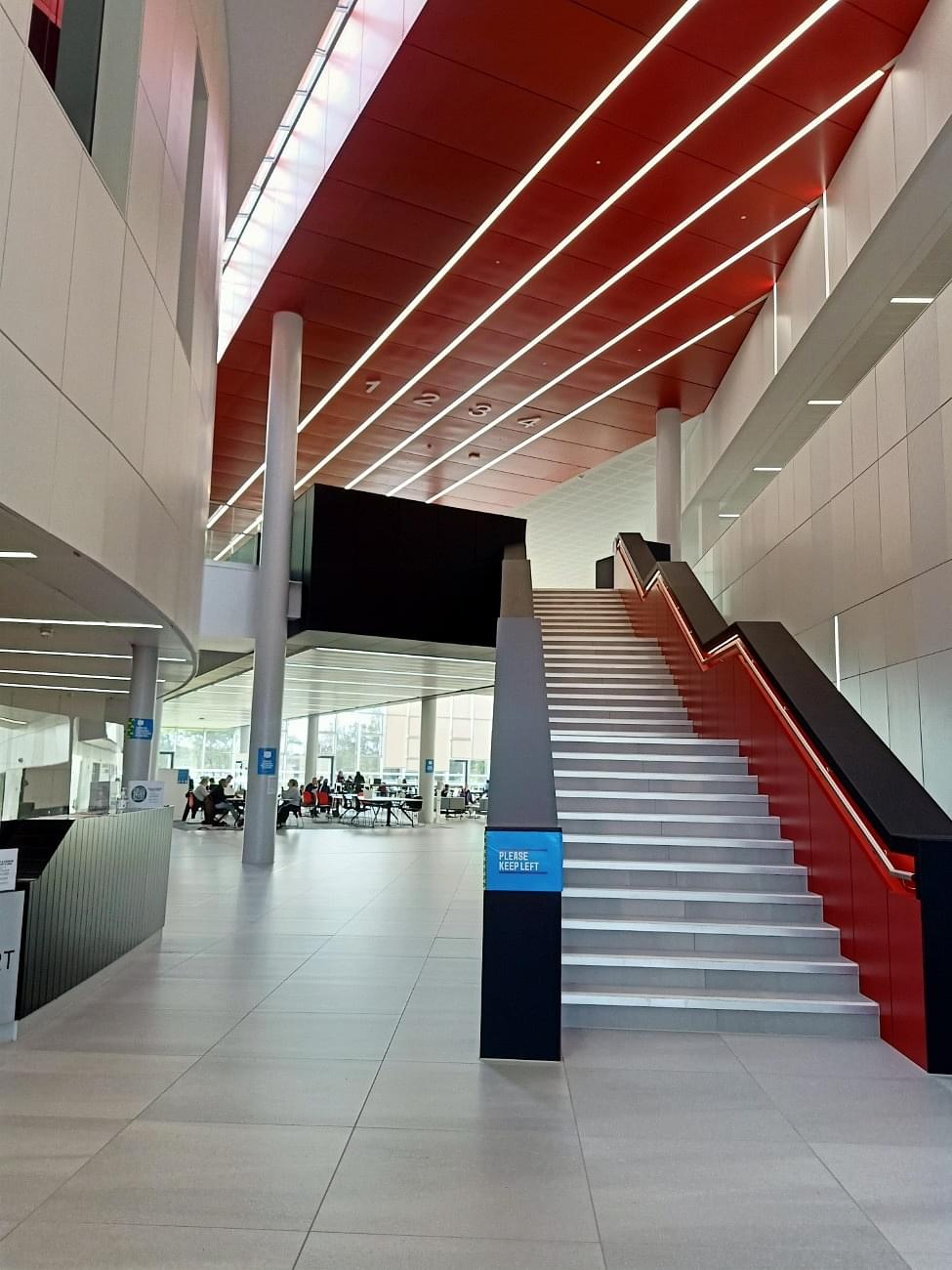
- The classrooms were pretty modern — fully digital, with smartboards, projectors, and fast internet. Everything you needed was right there.
Dislikes
- Placement and internship support are quite limited. The university doesn’t offer guaranteed opportunities, so most of it depends on your skills and how much effort you’re willing to put in. Finding a job often comes down to being proactive and sometimes, timing plays a role too.
- Studio accommodations offered by the college can be quite costly. With living expenses going up, managing day-to-day life as a student isn’t easy. Part-time jobs do help but it can take some time to find one. Still, if you plan things well balancing up to 20 hours of work with studies is manageable.
Course Curriculum
10
- The MBA course was okay, not too tough but not super easy either the professors explained things clearly and used real examples from business instead of just boring theory, which helped a lot we had group work and discussions, which made things more practical. I liked that we could actually understand how things apply in real life instead of just reading stuff from slides
- One of the most positive aspects was the support we received from the course director and faculty; they were genuinely approachable and the course was structured well. It encouraged independent research, especially while working on assignments. However, one downside was the lack of clear communication regarding schedule changes. If a lecture was cancelled or rescheduled, it was usually updated on the MyBeckett portal, but there wasn’t any formal email notification, which sometimes led to confusion.
- The best part was how much support we got from our course director and all the teachers. They were honestly super easy to talk to, which made a big difference, and the course itself was put together really well. It even pushed us to do our own research, especially when we had assignments, which was actually pretty cool.
- The only real hassle was when the schedule changed. If a class got cancelled or moved, they'd update it on the MyBeckett portal, but we never got an email about it. That could definitely cause some confusion sometimes.
- In my MBA course at the City Campus, there were around 20–25 students in total. Out of them, about 10 students were Indian. Since the batch size was small, we weren’t divided further, and we mostly had classes together in the same group.
- Class timings were usually between 10 AM and 3 PM. Mostly one or two lectures a day, with breaks in between. It gave us some breathing space—especially if you were working part-time or needed time to prep for assignments.
Admission Experience
- I had many colleges in my mind, but I chose to apply only to Leeds Beckett University. I spent a lot of time researching, and everything, from the course to student feedback, just felt right. I trusted my instinct and went ahead with it. Everyone has different choices and requirements, and I liked this college because it was just right according to my requirements.
- My advice to all of you is that whichever college you are thinking of applying to, first check the details about that college. Do research and then make a final decision. Do not make any decisions in haste because it is a very big decision for your career.
- The two colleges that I liked are
- Cardiff University
- University of Nottingham.
- To be fair, it wasn’t just one thing—more like a combo. Leeds felt like a good pick. Not as crazy expensive as London, which honestly matters a lot when you’re on a student budget. Plus, I’d heard from a few friends and folks online that the student vibe is solid—busy, active, and easy to settle in. What really helped, though? The university was quick to respond and very supportive during the whole process, Quick replies, clear updates. It just made me feel like, okay, yeah... they actually care. That gave me a bit more confidence to just go for it.
- So yeah, the process wasn’t too bad. I did everything online—filled out the form, uploaded my transcripts, IELTS score, six months’ bank statements, and my SOP. After a couple of weeks, I got a conditional offer. Sent the remaining docs, made the deposit, and then got my CAS letter for the visa. What I really appreciated was that their communication was pretty clear throughout. No major confusion, which honestly helped a lot—made things less stressful.
- For admission into my course, they looked for about 55 to 60% in your bachelor's degree. IELTS was also needed—I had to score at least 6.0 overall, and no section could be below 5.5 in any section. Besides that, I submitted a Statement of Purpose and one or two academic references. Nothing too complicated, but yeah, you had to make sure everything was in place.
- It was better than I thought it’d be. I mean, applying to a university abroad sounds overwhelming, right? But Leeds Beckett made it feel manageable. Their team replied quickly whenever I had doubts, which helped a lot. The only annoying part? Just getting all the documents together. That took a bit longer. But once that was sorted and uploaded, everything else kind of moved fast.
- I applied for the January intake—mainly because I needed a bit more time to pull everything together. Between getting my documents ready and taking the IELTS, January just made more sense for me. Plus, it was a little calmer than the September rush, which gave me space to settle in properly.
- The whole admission process took close to two months, start to finish. I don’t remember the exact dates but here’s roughly how it went:
- Around early October, I filled out the online form and submitted stuff like my transcripts, SOP, IELTS score, and all that.
- By mid-October, I got a conditional offer.
- At the end of the month, I uploaded whatever was pending and paid the deposit.
- A few days into November, I got my unconditional offer.
- A bit later that month, the CAS letter came through.
- By mid-December, my visa was sorted.
- One thing I’ll say—their emails were clear and came on time. That really helped. Didn’t feel lost or stressed during any part of the process.
Faculty
10
- There were around 25 to 30 of us in the MBA batch at City Campus. About 14-16 students were Indian. Since the group was small, we all attended the same classes. That made it easy to know each other and get to know the professors, too. They actually remembered our names. It felt more personal and less like just another student in a crowd.
- Classes weren’t just lectures. The teaching felt real and easy to connect with. We did a lot of case studies, group talks and hands-on stuff. It wasn’t about memorizing. It was more like thinking on your feet and applying what you learn. If you wanted to be job-ready, though, you had to put in extra work yourself. Like building skills, staying updated, and connecting with people outside class.
- In terms of job support, while placements weren't guaranteed, some faculty members were open to sharing job leads or referring students through their networks, especially if you asked them directly or showed genuine interest.
- One of the standout faculty members was our course director, Mr. Garry Carr. He also taught us strategic management, and his sessions were always engaging. He made an effort to involve every student, explained concepts clearly, and gave constructive feedback whenever we needed help with coursework or career advice. You never felt awkward approaching him for feedback or help.
Campus Life
10
- My university has two main campuses; One is the City Campus (also called the Rose Bowl) right in the city Centre, and the other is Headingley Campus, which is in a more residential area of Headingley.
- The City Campus is where most of the business courses happen, and it's well-equipped. There’s a digital library where you can borrow books and laptops, modern computer labs, career support services, quiet study areas, and even health and student support offices. For sports and fitness, students usually go to the Carnegie Sports Centre at the Headingley Campus. It’s got a gym, indoor courts, and regular fitness classes.
- In terms of student life, there’s a lot going on. There are clubs and societies for everything — photography, drama, entrepreneurship, and a really active Indian Society. I joined the badminton groups. It was a nice break from classes.
- There are also events throughout the year: Freshers Week, cultural nights, volunteering fairs, career networking events, and international student meetups. These aren’t just fun; they really help you settle in and meet people.
- Honestly, if you're willing to put yourself out there, there’s plenty to explore outside the classroom. From volunteering to student-run events, being involved in campus life makes the whole university experience way more meaningful.
Part Time Jobs
- Getting on-campus part-time jobs at Leeds Beckett wasn’t super easy. There are jobs, yeah, but not too many. Stuff like TA, RA, or departmental assistant roles mostly went to students who had some previous research or academic background. In my batch, maybe just a few got them. It’s definitely not something everyone lands.
- If you do get one, the pay’s decent—around £12 to £15 per hour depending on the department and work.
- Apart from that, there were some other jobs on campus too—like working at the library, cafes, events, or the IT help desk. These are a little easier but again, not a guarantee. They usually pay about £10 to £12 an hour, which is more or less the student minimum wage.
- We could work up to 20 hours a week during term time. In the holidays, it’s full-time. And after graduation, with the post-study visa, there’s no limit—you can work full-time, even over 40 hours if you want.
- The usual process to get a job is to search online (on websites like Indeed, Reed, or directly on company sites like McDonald’s, Subway, Domino’s, KFC, etc.), apply by uploading your CV, and wait for a call. If someone you know already works there, you can also give their reference. If shortlisted, they usually call you for a short in-person interview, and if all goes well, you get hired. Or if you want to work in a warehouse, there are many options for that too. You just have to work a little hard. You have to find the warehouse and you have to go there and talk to them.
- Most Indian students go for part-time jobs in retail shops and supermarkets like Tesco, Sainsbury’s, or Morrisons, and also in restaurants, cafés, or delivery apps like Uber Eats or Deliveroo. Hospitality jobs, like working at hotels or events, are also common since they’re flexible and don’t usually need UK experience. The pay? It’s usually between £10 and £12 an hour. Night shifts or certain roles might pay a bit more.
- Finding a job at first can be a bit of a hassle, especially before you get your UK address, bank account, or National Insurance Number. Once that’s sorted though, it gets better. You just need to keep trying. The process is pretty simple: search online (Indeed, Glassdoor), or walk into shops and hand in your CV. Some people also get jobs through friends or WhatsApp groups. If they like your profile, you might get called for an interview or even a trial shift. After getting the job, you’ll need to submit your documents—BRP, proof of right to work, NI number, and bank info. That’s it. Best tip? Start your job hunt early. Take up any job at first—even if it’s not ideal. Once you get some experience, it’s easier to move to better ones.
Placement
8
- After finishing the MBA at Leeds Beckett, finding a full-time job depends a lot on your own effort, networking, and any past experience you might have. Unlike India, there's no guarantee of campus placements here so you really have to be proactive. From what I saw, around 50% to 60% of students landed jobs within six months after graduating, especially those who had done internships or worked part-time during the course.
- Starting salaries usually fall somewhere between £24,000 and £35,000 per year. If you already have some work experience or get into a good company, you might even get a bit more.
- Most people in my batch found jobs through LinkedIn or job sites like Indeed and Glassdoor. A few found leads through networking, university career fairs, or alumni connections. Some even got offers from the same companies where they worked part-time or interned during their studies.
- A few of my batchmates ended up working in roles like marketing executive, operations assistant or HR associate. Some got internships or contract roles at places like Capita, NHS, Coop, and even Deloitte. Others joined smaller firms or consultancies around Leeds and nearby cities.
Accommodation
Off Campus
8
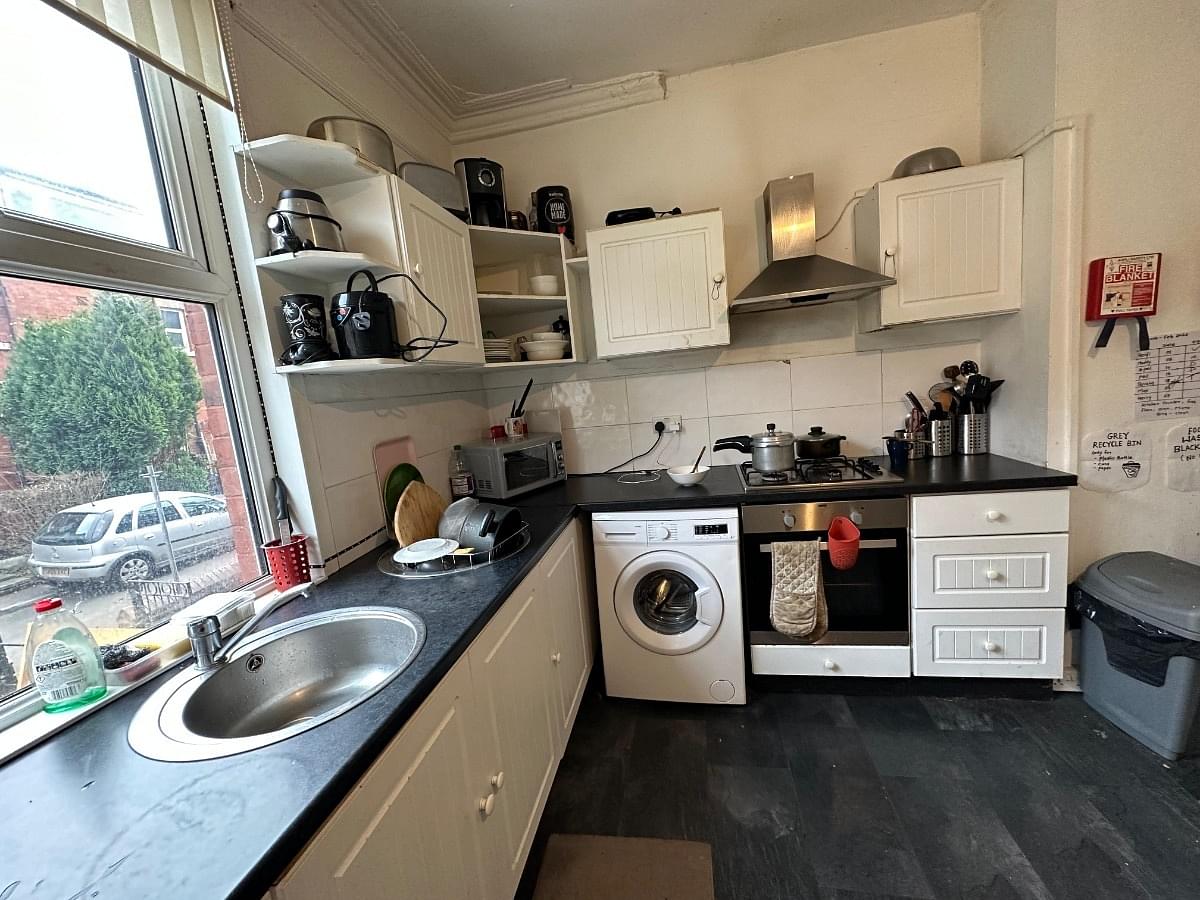
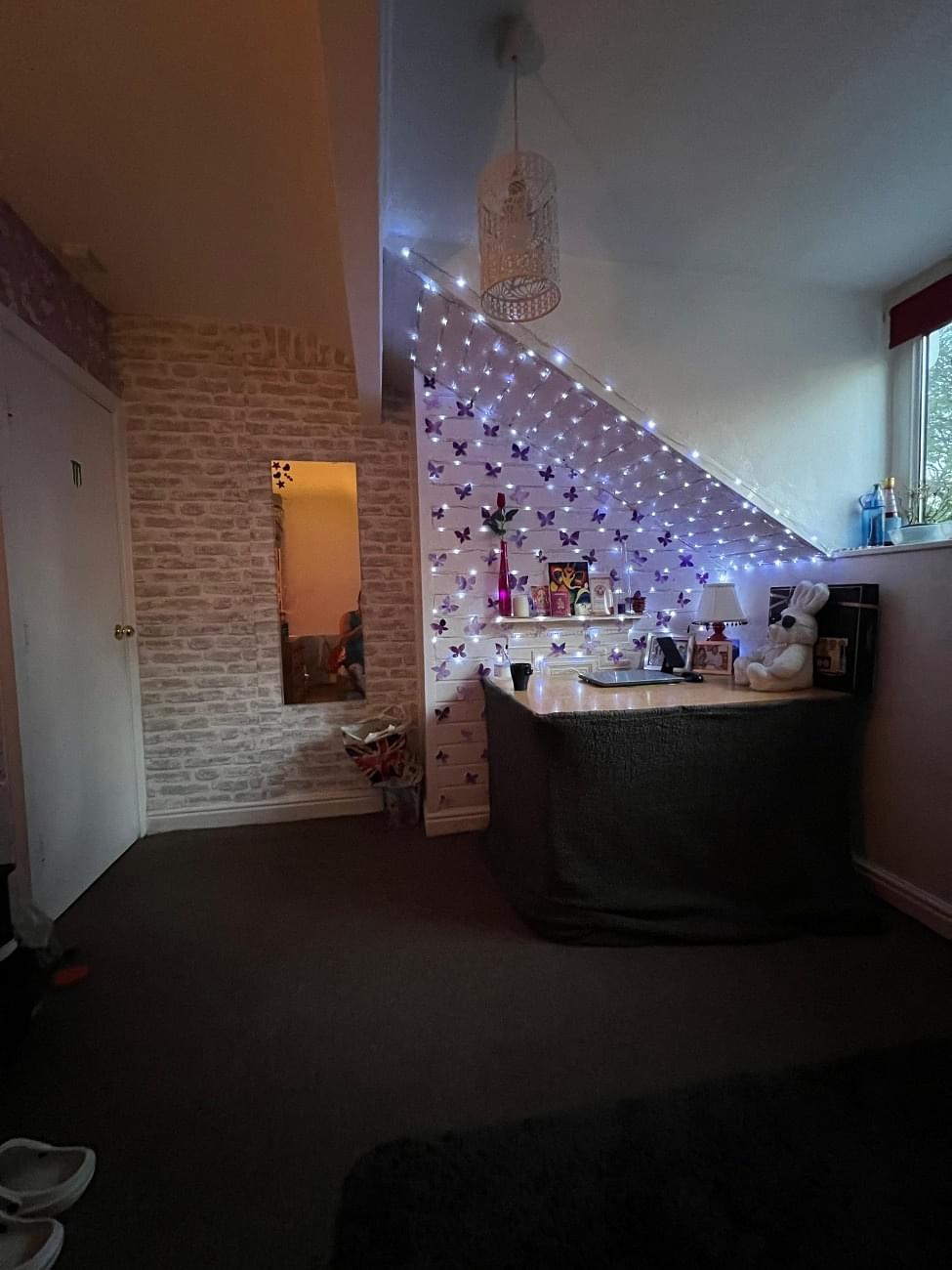
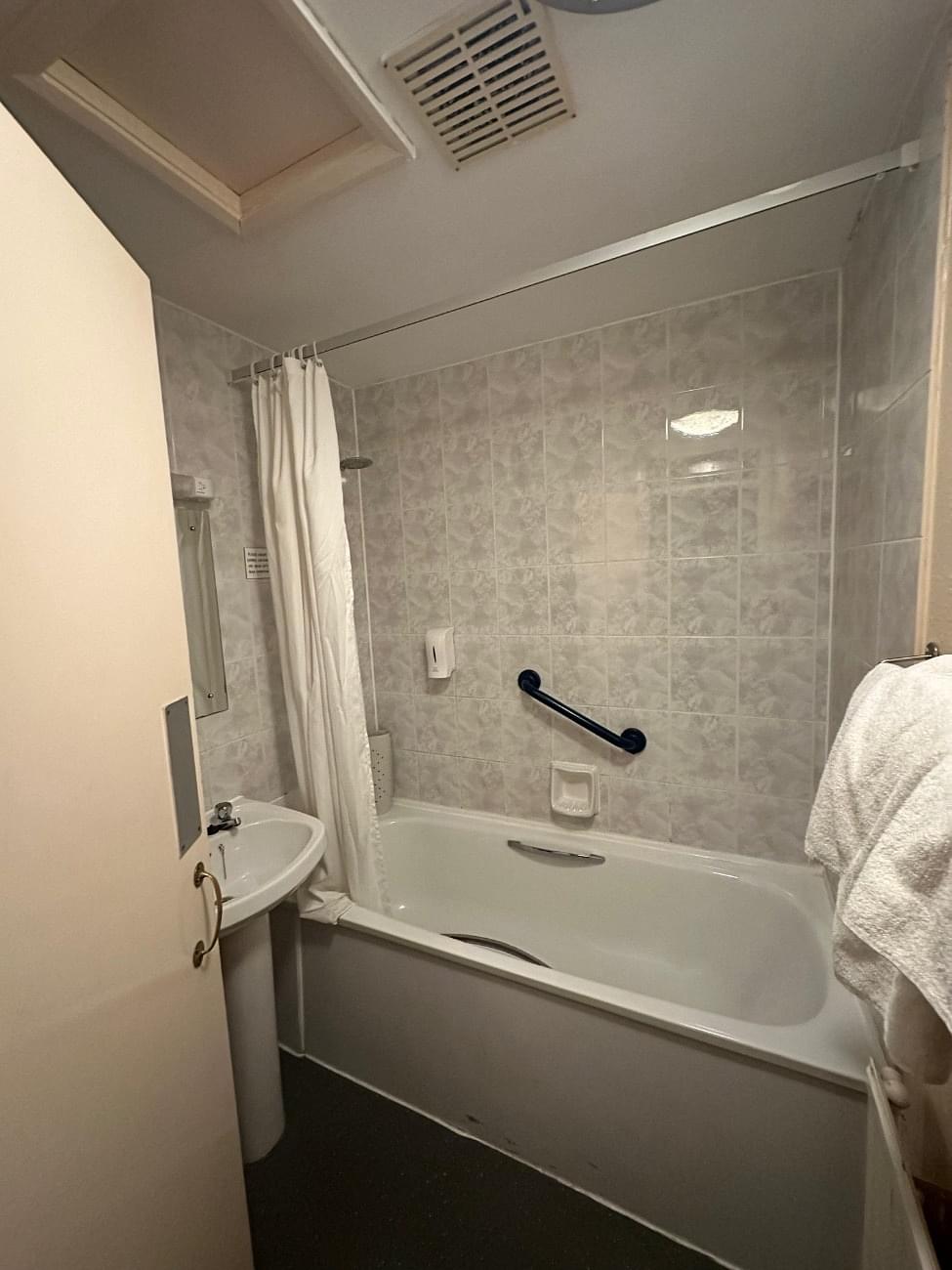
- I went for off-campus accommodation during my MBA. Found it through SpareRoom mostly, and also joined a couple of WhatsApp and Facebook groups where students shared available rooms or looked for flatmates. That actually helped a lot—it's how I found the place I ended up living in.
- MY Rent was around £350 a month and that covered everything: WiFi, heating, electricity, water, all the basics. The house was furnished and I shared it with other students. The house where I lived was also inhabited by people form others countries - Nigerians, British, Chinese, and Indians—which kept costs manageable and made it feel less lonely too.
- One big challenge? Finding something before reaching the UK. A lot of landlords wanted in-person viewings, and not all online listings were reliable. To avoid stress, I actually booked college accommodation for the first month. Once I was in Leeds, I could look around and get a proper feel for the areas before choosing a long-term place.
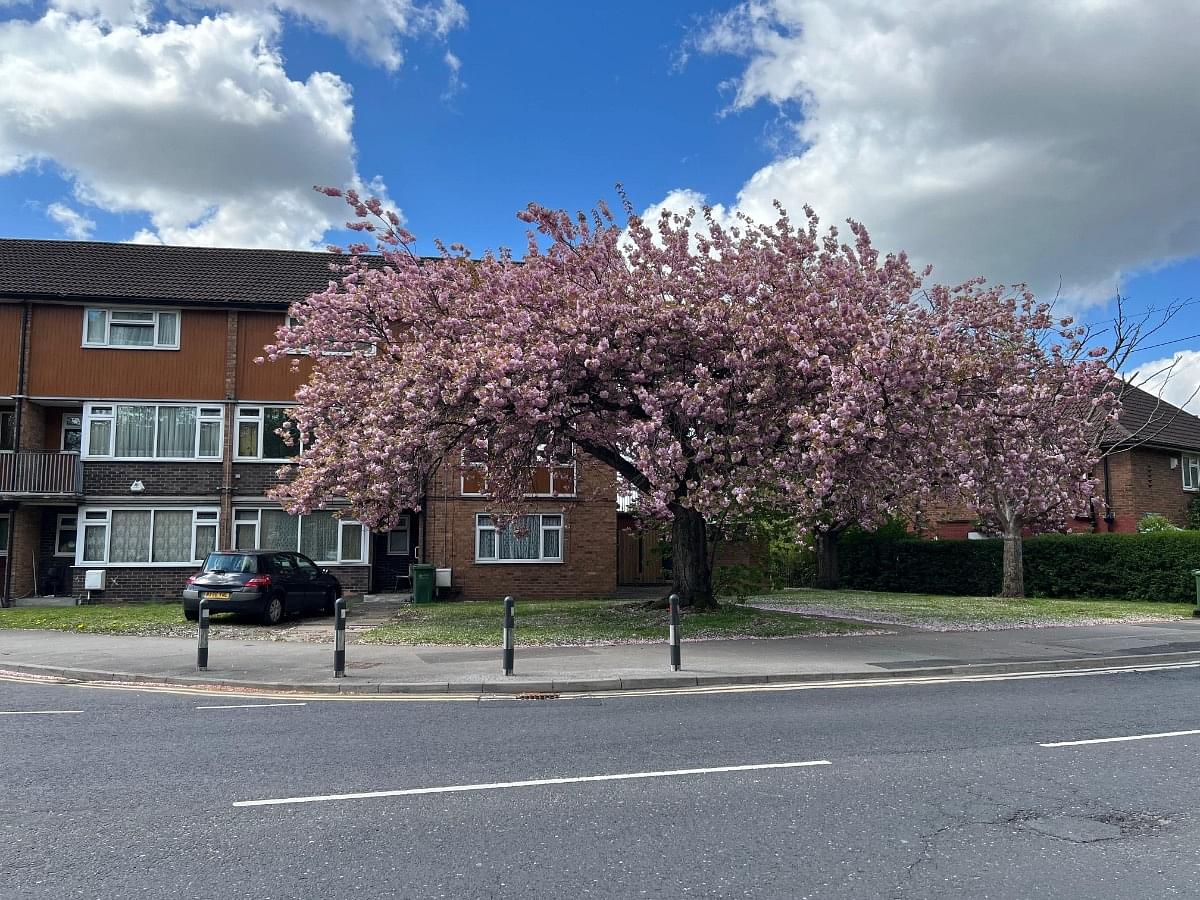
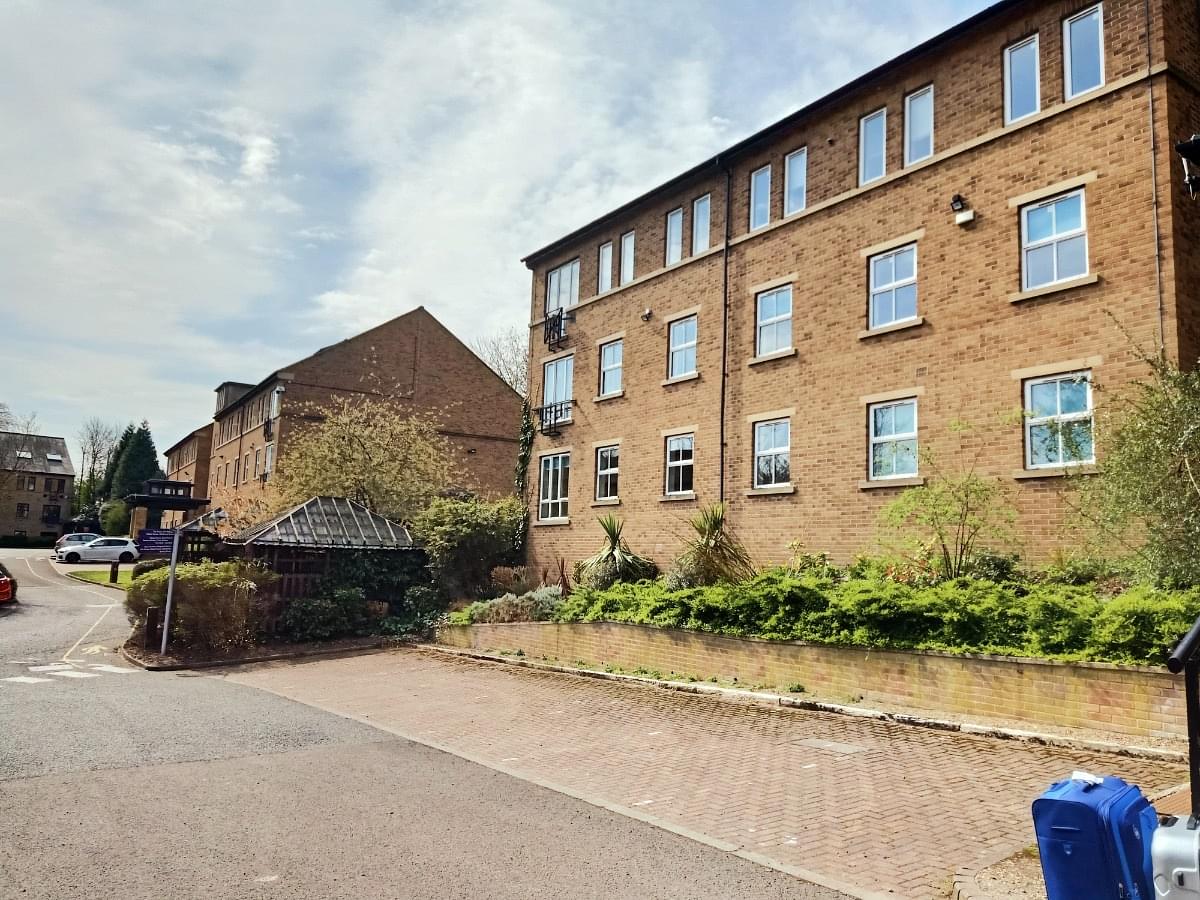
- The house I picked later was about 15–20 minutes from the City Campus by bus, not too bad. A lot of Indian students stay in areas like Hyde Park, Headingley, and Burley. They're cheaper and filled with students so it’s easier to settle in.
- One thing I’d say is try not to book long-term accommodation just from looking online. Prices are often high and photos don’t always match reality. If you can talk to someone already living there or just stay somewhere temporary first, then find something better once you're there. Also always double-check listings and never pay anything upfront without seeing the place or verifying the landlord.
Exams
- IELTS is required
- Yeah, I had to take IELTS for Leeds Beckett. They needed a 6.0 overall, and no band could be below 5.5 — that was the requirement for my course.
- For the admission stuff, I had to send in a bunch of documents like
- Statement of Purpose (SOP)
- 6 months’ bank statements
- Letters of Recommendation (LORs)
- Academic certificates like Mark sheets from 10th, 12th, and my graduation degree
- Passport Copy
- IELTS result
- And an updated CV
- I didn’t apply on my own, though. I had joined this MBA consultancy in Pune—MBA International—they pretty much handled everything. So there wasn’t any interview or anything like that. It was all based on my scores, English test, and documents. No extra steps, just paperwork and waiting.
Fees
- So my MBA tuition at Leeds Beckett was around £14,500 for the year. I paid it in two chunks—one before getting my CAS, the other after I landed in the UK. That’s kind of the norm there. Most folks split it into two or three payments, depending on their course and what the university says.
- For housing, the university accommodation was somewhere between £400 and £700/month. Depends on the room, obviously. I didn’t go for that, though. Found a private flat for around £350 a month—bills included, which helped.
- Here’s roughly what I spent per month:
- Rent – £350
- Groceries – maybe £100–150
- Transport – £40–60 (with a student pass)
- Phone recharge – £10
- Other stuff—like £80–120 (eating out, random shopping)
- Altogether, I usually spent around £700 to £800 a month, give or take. Not too bad, especially once I got a part-time job.
Scholarship
- Yeah, Leeds Beckett does offer scholarships for international students. When I applied, there was one based on academic performance—nothing super complicated. I got the International Postgraduate Scholarship, and the good part? It was applied automatically during the admission process. No extra forms or anything.
- The amount I received was £3,000 and it was just deducted from my tuition fee directly. A few of my batchmates got the same one and I think some received around £2,500 to £3,000, depending on when they applied or their grades.
- Most international students do get something if they meet the basic criteria. On average, I’d say the scholarships range from £1,000 to £3,000, but yeah, it can vary depending on your course and when you submit your application.


