



Newcastle University Courses and Fees 2026


What's New in Uni of Newcastle?
19 September 2025: Newcastle University has updated its MBA fees for 2026 to £33,250 (₹39.77 lakhs) per year for international students. Check course details.
4 September 2025: Newcastle University fees 2026–27 has been released for international students. The first year fees for B.Eng Electrical and Electronic Engineering program is £30,700 (₹36.3 lakh), while the BA Architecture fee is £29,850 (₹35.3 lakh).
Newcastle University offers 295+ courses for international students across undergraduate, postgraduate, and PhD levels. Some of the most popular programs include MBA, MSc Data Science, MSc Computer Science, Business Management, and Engineering courses.
For admissions, postgraduate applications are submitted through the university’s official portal with no application fee, while undergraduate applicants must apply via UCAS, with an application fee of £28.95 (₹3,603). The tuition fees for international students vary depending on the course and level of study:
Newcastle University Tuition Fees Range (2026)
- Postgraduate (PG): ₹18.7 – ₹39.9 Lakhs (£15,670 – £33,500)
- MBA: Around ₹39.5 – ₹41.8 Lakhs (£32,600 – £33,250)
- Undergraduate (UG): ₹27.3 – ₹37.6 Lakhs (£22,900 – £31,500)
- PhD: ₹27.2 – ₹39.9 Lakhs (£22,800 – £33,500)
Apart from tuition fees, the average monthly cost of living at Newcastle University ranges between £700 – £1,200 (₹75K – ₹1.25 Lakhs). On-campus accommodation costs around £100 – £185/week (₹10.7K – ₹19.7K), while off-campus housing ranges from £350 – £1,200/month (₹44K – ₹1.51 Lakhs).To reduce costs, the university offers scholarships like £2,000–£5,000 (₹2.1–₹6.2 Lakhs). It also provides top awards such as the Vice-Chancellor’s Scholarship (up to 100% tuition fee) and fully funded Postgraduate Research Scholarships with stipend.
Check all the courses offered by Newcastle University for International Students
*Conversion used: £1 ≈ ₹125.84
- Newcastle University Fees for Indian Students 2026
1.1 Newcastle University Fees Comparison
- Newcastle University Popular Course
- Newcastle University Medicine Fees for International Students
- Newcastle University Undergraduate Tuition and Fees
- Newcastle University Cost of Living
- Newcastle University Accommodation Fees
- Newcastle University Tuition Fees Comparison
Newcastle University Fees for Indian Students 2026
Newcastle University offers 295+ courses across bachelors, masters, and PhD levels of study. Level-wise fee structure of Newcastle University courses are as follows:
| Study Level | Annual Fees in INR | Annual Fees in GBP |
|---|---|---|
| Masters (133+ courses) | 18.7 to 39.9 lakhs | 15,670 to 33,500 |
| Bachelors (87+ courses) | 27.3 to 37.6 lakhs | 22,900 to 31,500 |
| PhD (75+ courses) | 27.2 to 39.9 lakhs | 22,800 to 33,500 |
Newcastle University Fees Comparison
Here are the fees comparisons of a few top courses offered by Newcastle University.
- The cost for Newcastle University M.Sc Data Science is GBP 31700/Year (₹37.53 Lakhs). In 2021, the fee was GBP 28200/Year (₹33.39 Lakhs). The fee has increased by GBP 3500 (₹4.14 Lakhs).
- Newcastle University MBA fees 2026 is GBP 33250/Year (₹39.56 Lakhs), compared to GBP 32600/Year (₹38.78 Lakhs) in 2025, reflecting a rise of GBP 650 (₹77,336).
- Newcastle University fees for M.Sc Computer Science is GBP 32300/Year (₹38.24 Lakhs) for the 2026 entry. In 2021, the fee was GBP 28800/Year (₹34.1 Lakhs). Compared to the previous year, fee has increased by GBP 3500 (₹4.14 Lakhs).
Newcastle University Popular Course
Newcastle University Cost 2026 for Popular Courses among Indian Students is as tabulated below
| Program Name | Duration | Annual Tuition Fees (in INR) | Annual Tuition Fees (in GBP) |
|---|---|---|---|
| Business Administration (MBA) | 1 Year | ₹41.84 Lakhs | £33,250 |
| MPH | 1 Year | ₹38.74 Lakhs | £30,800 |
| MSc Data Science | 1 Year | ₹39.88 Lakhs | £31,700 |
| BA Business Management | 3 Years | ₹30.69 Lakhs | £24,400 |
| MSc Computer Science | 1 Year | ₹30.69 Lakhs | £24,400 |
| MSc Finance | 1 Year | ₹40.19 Lakhs | £31,950 |
| Phd Ageing | 3 Years | ₹40.13 Lakhs | £31,900 |
| MSc International Business Management | 1 Year | ₹38.74 Lakhs | £30,800 |
| BEng Electrical and Electronic Engineering | 3 Years | ₹38.62 Lakhs | £30,700 |
| M Arch | 2 Years | ₹37.24 Lakhs | £29,600 |
Newcastle University Medicine Fees for International Students
Indian students can choose from 13+ courses offered by Newcastle University in medicine field. Popular choices among Indians include M.Res in Medical Genetics, MSc Foundations in Clinical Psychology, PhD in Biomedicine among others.
| Courses | Annual Fees in INR | Annual Fees in GBP |
|---|---|---|
| Master of Research [M.Res] Medical Genetics | ₹36.6 lakhs | £30,700 |
| Master of Science [M.Sc] Foundations in Clinical Psycholog | ₹36.6 lakhs | £30,800 |
| Doctor of Philosophy [Ph.D] Biomedicine | ₹38 lakhs | £31,900 |
| Master of Philosophy [M.Phil] Medicine and Surgery | ₹38 lakhs | £31,900 |
| Master of Philosophy [M.Phil] Biotechnology (Medical Sciences) | ₹38 lakhs | £31,900 |
| Master of Philosophy [M.Phil] Biomedicine | ₹38 lakhs | £31,900 |
| Bachelor of Science [B.S] Pharmacology | ₹33.5 lakhs | £28,100 |
| Master of Research [M.Res] Medical and Molecular Biosciences | ₹36.5 lakhs | £30,700 |
| Master of Research [M.Res] Mitochondrial Biology and Medicine | ₹36.5 lakhs | £30,700 |
| Doctor of Philosophy [Ph.D] Medicine and Surgery | ₹38 lakhs | £31,900 |
| Bachelor of Science [B.S] Biomedical Genetics | ₹33.5 lakhs | £28,100 |
| Bachelor of Science [B.S] Chemistry with Medicinal Chemistry | ₹37.4 lakhs | £31,500 |
| Bachelor of Science [B.S] Medical Science | ₹33.5 lakhs | £28,100 |
Newcastle University Undergraduate Tuition and Fees
Newcastle University offers 87+ course options at the undergraduate level. BS Psychology, BEng Electrical and Electronic Engineering, BA Business Management are among the popular choices among Indian students.
| Courses | Annual Fees in INR | Annual Fees in GBP |
|---|---|---|
| Bachelor of Science [B.S] Psychology | ₹36.7 lakhs | £30,900 |
| Bachelor of Engineering [B.Eng] Electrical and Electronic Engineering | ₹36.6 lakhs | £30,700 |
| Bachelor of Arts [B.A] Hons Business Management | ₹30.6 lakhs | £25,750 |
| Bachelor of Arts [B.A] Architecture | ₹35.6 lakhs | £29,850 |
| Bachelor of Arts [B.A] Film and Media | ₹29.2 lakhs | £24,500 |
| Bachelor of Arts [B.A] Sociology | ₹29.2 lakhs | £24,500 |
| Bachelor of Science [B.S] Agriculture | ₹37.6 lakhs | £31,500 |
| Bachelor of Science [B.S] Hons Biology | ₹37.6 lakhs | £31,500 |
| Bachelor of Science [B.S] Computer Science - Game Engineering | ₹37.6 lakhs | £31,500 |
| Bachelor of Arts [B.A] Journalism, Media and Culture | ₹29.2 lakhs | £24,500 |
Newcastle University Cost of Living
As per the official website ot the university, an estimated monthly cost of living for students at Newcastle University, helping you budget for accommodation, food, transport, and other essentials:
| Expense Type | Monthly Cost (GBP) | Monthly Cost (INR) |
|---|---|---|
| Accommodation (UG) | £543 – £924 | ₹68 K – ₹1.16 Lakhs |
| Accommodation (PG) | £392 – £940 | ₹49 K – ₹1.18 Lakhs |
| Groceries | £144 | ₹18 K |
| Social / Leisure | £99 | ₹12 K |
| Mobile Phone | £16 | ₹2 K |
| Study Materials | £11 – £59 | ₹1.3 K – ₹7.4 K |
Also Check:
Newcastle University Accommodation Fees
Newcastle University offers multiple accommodation options are undergraduate and postgraduate students. Students with their dependents can also apply for these accommodations. Newcastle University accommodation fees for 2026-27 academic year are tabulated below.
On Campus Accommodation
| Residence Name | Room Types Available | Key Features | Weekly Rate (GBP) |
|---|---|---|---|
| Castle Leazes | Standard Rooms, En-suite Rooms | Close to campus, large common rooms, on-site laundry facilities | £110 – £150 (₹11,770 – ₹16,050) |
| Marris House | Standard Rooms with Washbasin | Located near the city center, shared kitchen and bathroom facilities | £120 – £160 (₹12,840 – ₹17,120) |
| Park View Student Village | En-suite Rooms, Premium En-suite Rooms, Studios | Modern facilities, on-site gym, social spaces, close to sports center | £130 – £180 (₹13,910 – ₹19,260) |
| Windsor Terrace | Standard Rooms with Washbasin | Proximity to campus, shared facilities, vibrant student community | £115 – £155 (₹12,305 – ₹16,585) |
| Kensington Terrace | En-suite Rooms, Studios | Central location, modern amenities, close to university facilities | £135 – £185 (₹14,445 – ₹19,795) |
| Bowsden Court | Standard Rooms | Located slightly off-campus, quieter environment, shared kitchen and bathroom facilities | £100 – £140 (₹10,700 – ₹14,980) |
| St Mary's College | Standard Rooms, En-suite Rooms | Traditional architecture, large green spaces, communal dining hall | £125 – £165 (₹13,375 – ₹17,655) |
| Leazes Parade | En-suite Rooms | Close to sports facilities, shared kitchen, and living areas | £120 – £160 (₹12,840 – ₹17,120) |
Off-Campus Accommodation:
| Accommodation Type | Monthly Cost (GBP) | Distance from Newcastle University | Amenities |
|---|---|---|---|
| Private Apartments | £600 - £1,200 (₹75K – ₹1.51 Lakhs) |
Within 1-5 km | Private room, kitchen, bathroom, heating, Wi-Fi, furnished/unfurnished options available. |
| Shared Housing | £350 - £700 (₹44K – ₹88K) |
Within 2-6 km | Private bedroom, shared kitchen and bathroom, utilities may be included, communal living. |
| Student Halls (Private) | £500 - £1,000 (₹63K – ₹1.26 Lakhs) |
Within walking distance (0-2 km) | En-suite/private or shared rooms, communal areas, gyms, study spaces, high-speed internet. |
| Homestays | £450 - £800 (₹57K – ₹1.01 Lakhs) |
Within 5-10 km | Private or shared bedroom, family environment, meals, utilities, cultural immersion. |
| Budget Accommodation (Hostels & Bedsits) | £300 - £600 (₹38K – ₹75K) |
Within 3-7 km | Shared or private rooms, common kitchen, laundry, Wi-Fi, basic furniture, 24/7 security. |
Explore: Work While Studying In UK
Newcastle University Tuition Fees Comparison
The table below compares Newcastle University’s tuition fees with other similarly ranked UK universities, helping you understand its affordability and overall value:
| University | Tuition Fees (GBP/year) | Tuition Fees (INR/year) |
|---|---|---|
| Newcastle University | £15,670 – £33,500 | ₹16 – ₹39.9 Lakhs |
| University of Nottingham | £20,000 – £40,000 | ₹20 – ₹42 Lakhs |
| University of Exeter | £18,000 – £38,000 | ₹18 – ₹40 Lakhs |
| University of York | £19,000 – £36,000 | ₹19 – ₹38 Lakhs |
| Cardiff University | £18,000 – £35,000 | ₹18 – ₹37 Lakhs |
| University of Leeds | £22,000 – £42,000 | ₹22 – ₹44 Lakhs |
Additionally, Newcastle stands out as a more affordable student city, with relatively lower living costs compared to cities like London, helping students manage their overall budget better. With the availability of scholarships, flexible accommodation options, and strong academic value, the university remains a solid choice for Indian students seeking a balance between cost and quality in the UK.
Popular Programs and Important Dates
| Program | Important Dates | Fees | Eligibility | Financial Aid |
|---|---|---|---|---|
MBA 1 year | Class Start Date For September 2025 Intake (15th Sep 2026) | INR 41.7 L/Yr GBP 33,250 /Yr | 60%, IELTS: 6.5, TOEFL: 90, PTE: 70, Duolingo: 125 | |
M.Sc Data Science 1 year | Two Semester Start & End Dates 2025/26 (5th Jun 2026) Summer Term Start & End date 2025/26 (5th Jun 2026) Three Semester Start & End Dates 2025/26 (11th Sep 2026) | INR 39.8 L/Yr GBP 31,700 /Yr | 60%, IELTS: 6.5, TOEFL: 90, PTE: 70, Duolingo: 125 | |
M.P.H 1 year | Two Semester Start & End Dates 2025/26 (5th Jun 2026) Summer Term Start & End date 2025/26 (5th Jun 2026) Three Semester Start & End Dates 2025/26 (11th Sep 2026) | INR 38.7 L/Yr GBP 30,800 /Yr | 60%, IELTS: 6.5, TOEFL: 90, PTE: 70, Duolingo: 125 | |
B.A Business Management 3 years | INR 30.6 L/Yr GBP 24,400 /Yr | TOEFL: 90 | IELTS: 6.5 | PTE: 70 | Duolingo: 125 | ||
M.Sc Computer Science 1 year | Two Semester Start & End Dates 2025/26 (5th Jun 2026) Summer Term Start & End date 2025/26 (5th Jun 2026) Three Semester Start & End Dates 2025/26 (11th Sep 2026) | INR 40.5 L/Yr GBP 32,300 /Yr | 58%, IELTS 6.5, TOEFL 90, PTE 70, Duolingo-125 | |
M.Sc Finance 1 year | Two Semester Start & End Dates 2025/26 (5th Jun 2026) Summer Term Start & End date 2025/26 (5th Jun 2026) Three Semester Start & End Dates 2025/26 (11th Sep 2026) | INR 40.1 L/Yr GBP 31,950 /Yr | 60-65% in UG ,IELTS 6.5, TOEFL 90, Duolingo 125 | |
Ph.D Ageing 3 years | Class Start Date For April 2026 Intake (20th Apr 2026) | INR 40 L/Yr GBP 31,900 /Yr | 60%, IELTS 6.5, TOEFL 90, Duolingo 125 | |
Two Semester Start & End Dates 2025/26 (5th Jun 2026) Summer Term Start & End date 2025/26 (5th Jun 2026) Three Semester Start & End Dates 2025/26 (11th Sep 2026) | INR 38.7 L/Yr GBP 30,800 /Yr | 60%, IELTS 6.5, TOEFL 90, PTE 70, Duolingo-125 | ||
| INR 38.5 L/Yr GBP 30,700 /Yr | TOEFL: 79 | IELTS: 6.0 | PTE: 65 | Duolingo: 115 | |||
M.Arch 2 years | Two Semester Start & End Dates 2025/26 (5th Jun 2026) Summer Term Start & End date 2025/26 (5th Jun 2026) Three Semester Start & End Dates 2025/26 (11th Sep 2026) | INR 37.2 L/Yr GBP 29,600 /Yr | 60%, IELTS: 6.5, TOEFL: 90, PTE: 70, Duolingo: 125 |
Do you think the Dates are wrong ? Report Here
Top Subjects:
Course Finder - Search from 50K+ courses
Popular Streams:
Newcastle University Reviews
Most Popular Tags
20 Reviews Found
Likes
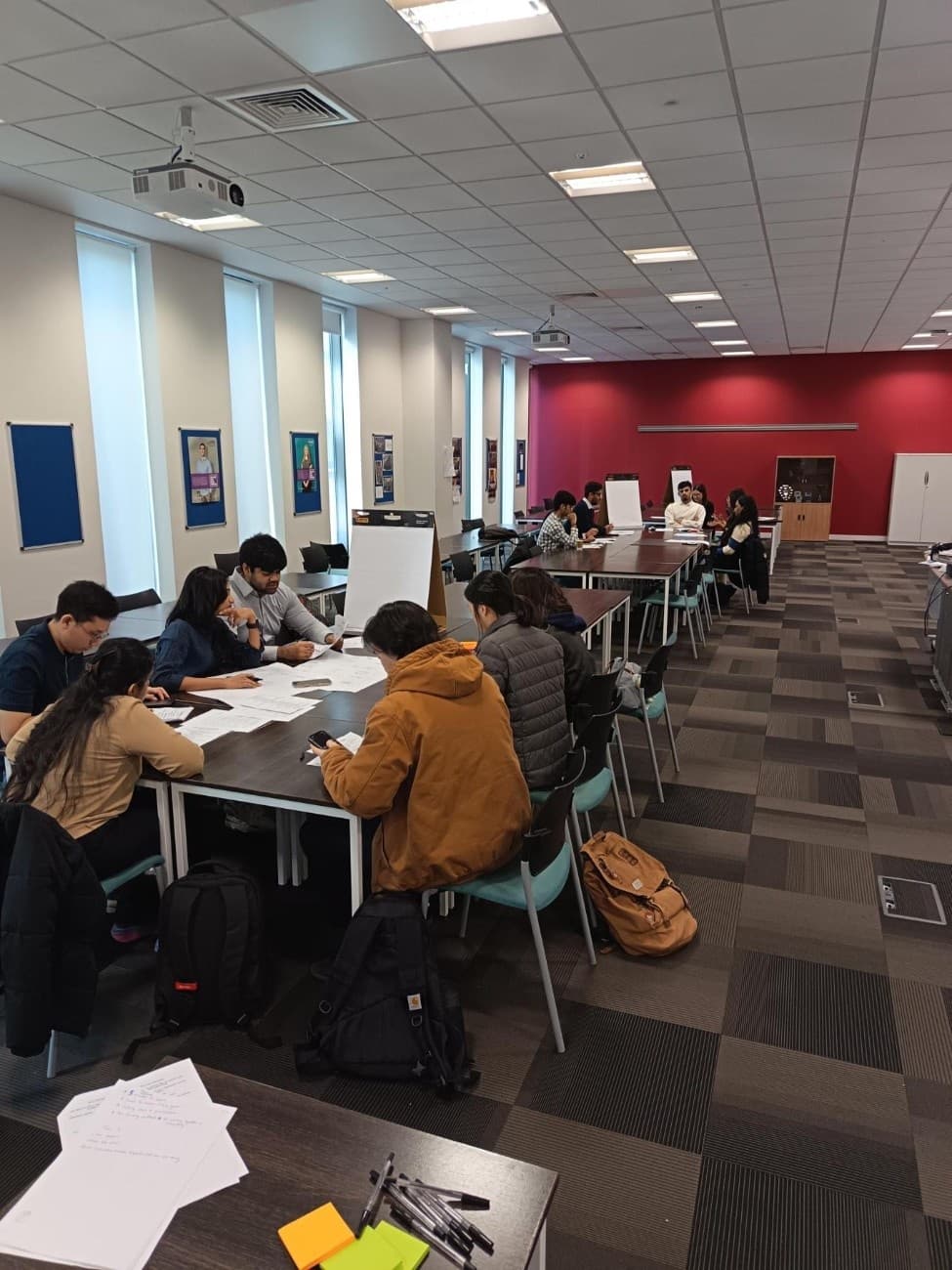
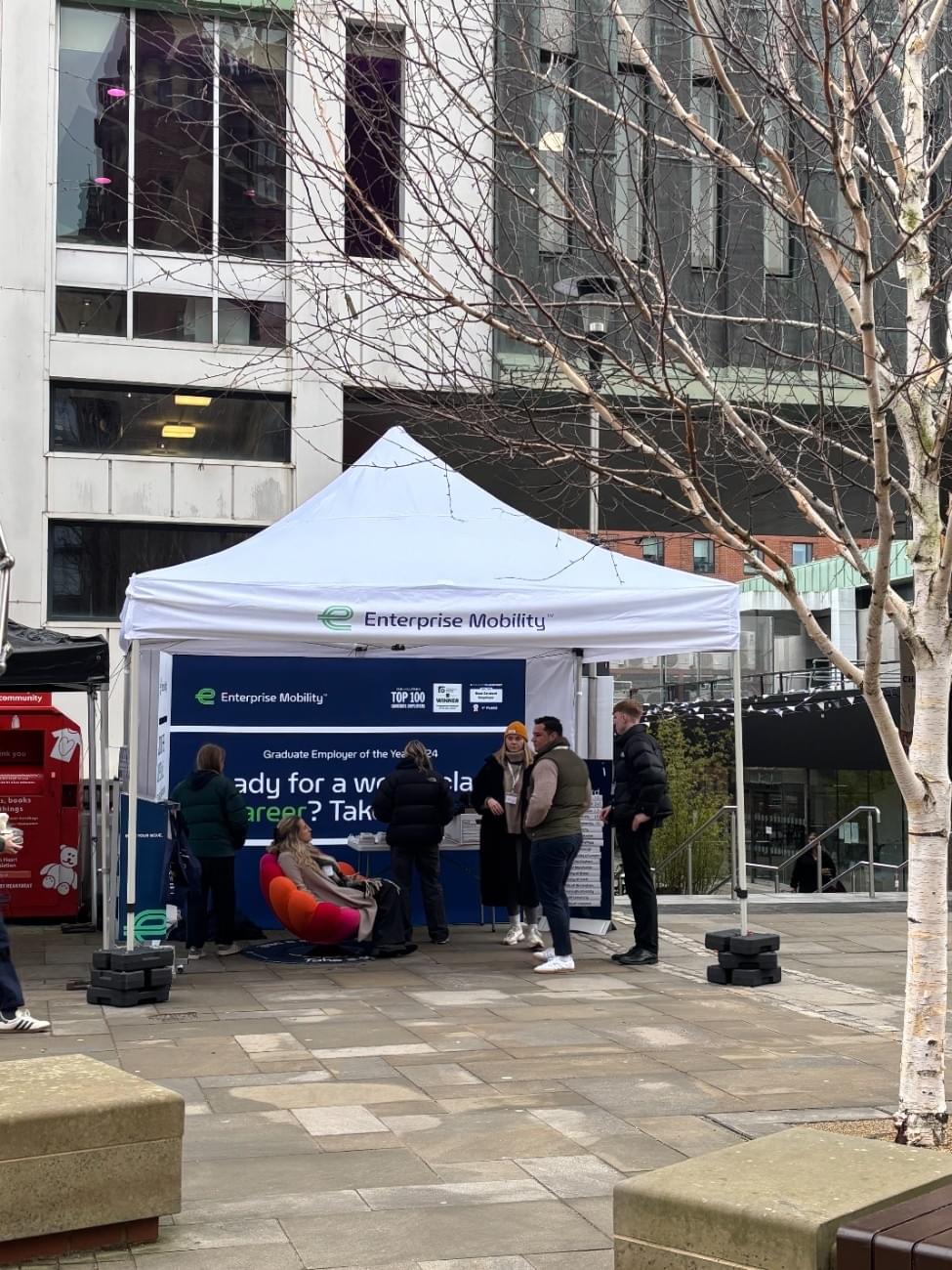
- One of the best opportunities was the speed networking session where the university brings all the top employers across different sectors into the university giving students the opportunity to ask employers about their company culture directly, what they look for in candidates, their recruitment system and giving you a real chance to actually connect with these amazing professionals.
- I really enjoyed the countless opportunities the business school brought to us like coffee chats where we have the opportunity to have a relaxed 1:1 chat with an industry professional over a coffee and sessions like industry insights, where a panel of leading professionals come and talk to us giving us insights to the real world helping us to better transition from uni to the graduate loaboir market.
- Another event I really enjoyed was the local and national business treks were the university takes us to visit different companies. We get to see how the company moves in real time in a day. The employers prepare sessions for us to students helping us to clearly understand what the current job market is looking for.
Dislikes
- One thing I disliked was that there are so many resources and information out there, sometimes it does not reach you at the right time.
- For example very few people knew about the NCL+ award because it was not advertised properly. It's an award you get from the uni for 40+ hours of extracurricular work, which looks great on your CV. By the time some students learned about it, the deadlines had passed.
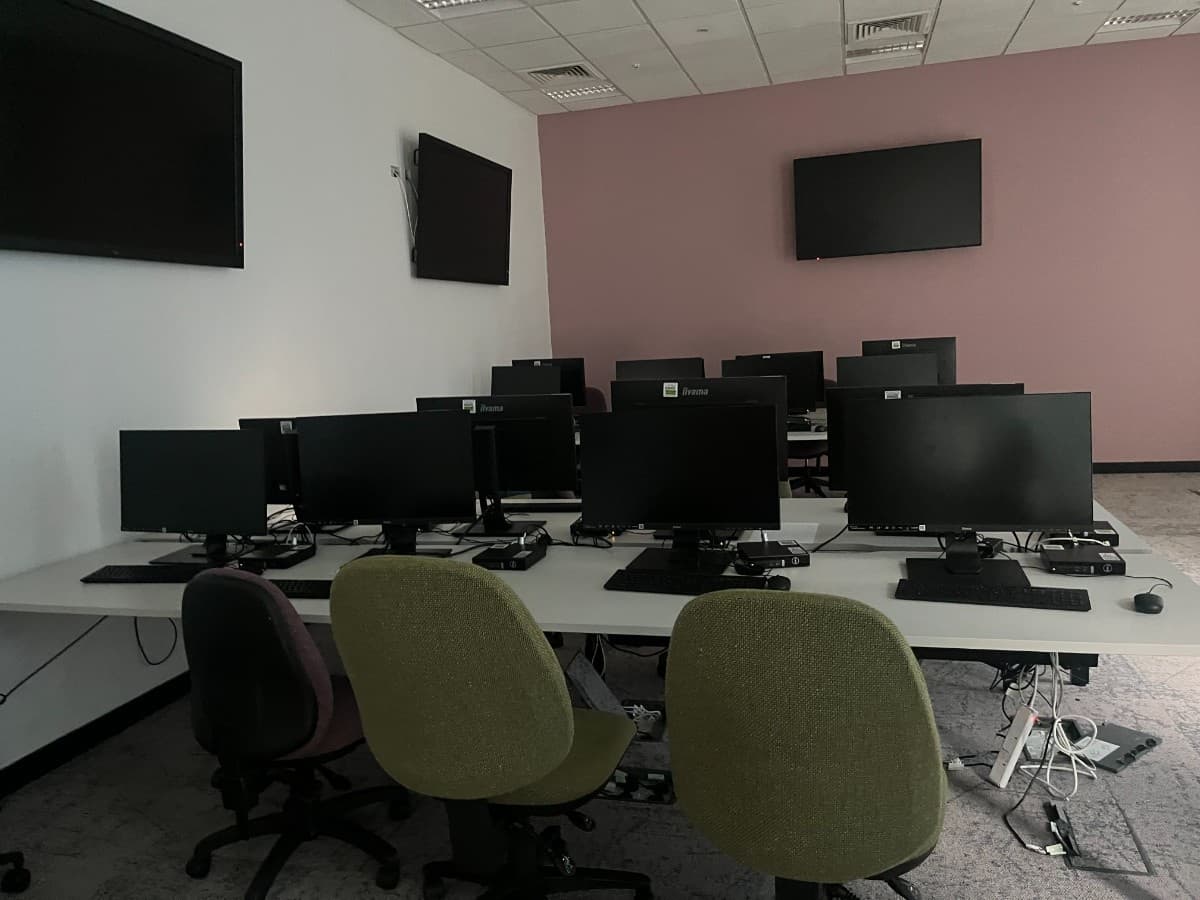
- Business School is quite large on its own but I thought it was a little bit far away from the beautiful main campus, I wish it was a little more closer and connected with the main campus.
Course Curriculum
- I thought it was an amazing blend of theoretical, practical, interactive, and engaging coursework. I will be honest, the transition from an Indian classroom to a world-class university is a little difficult. However, if you are curious, open-minded, and are coming into the course with a mindset to elevate yourself by completely engaging with the course, I think it's not that difficult to crack how you need to work. And there are so many sessions dedicated to international students to help you with your transition to the new education system. There are plenty of resources available, but it's up to you to ask questions and make use of those resources. I also found that people are always willing to help; all you have to do is ask.
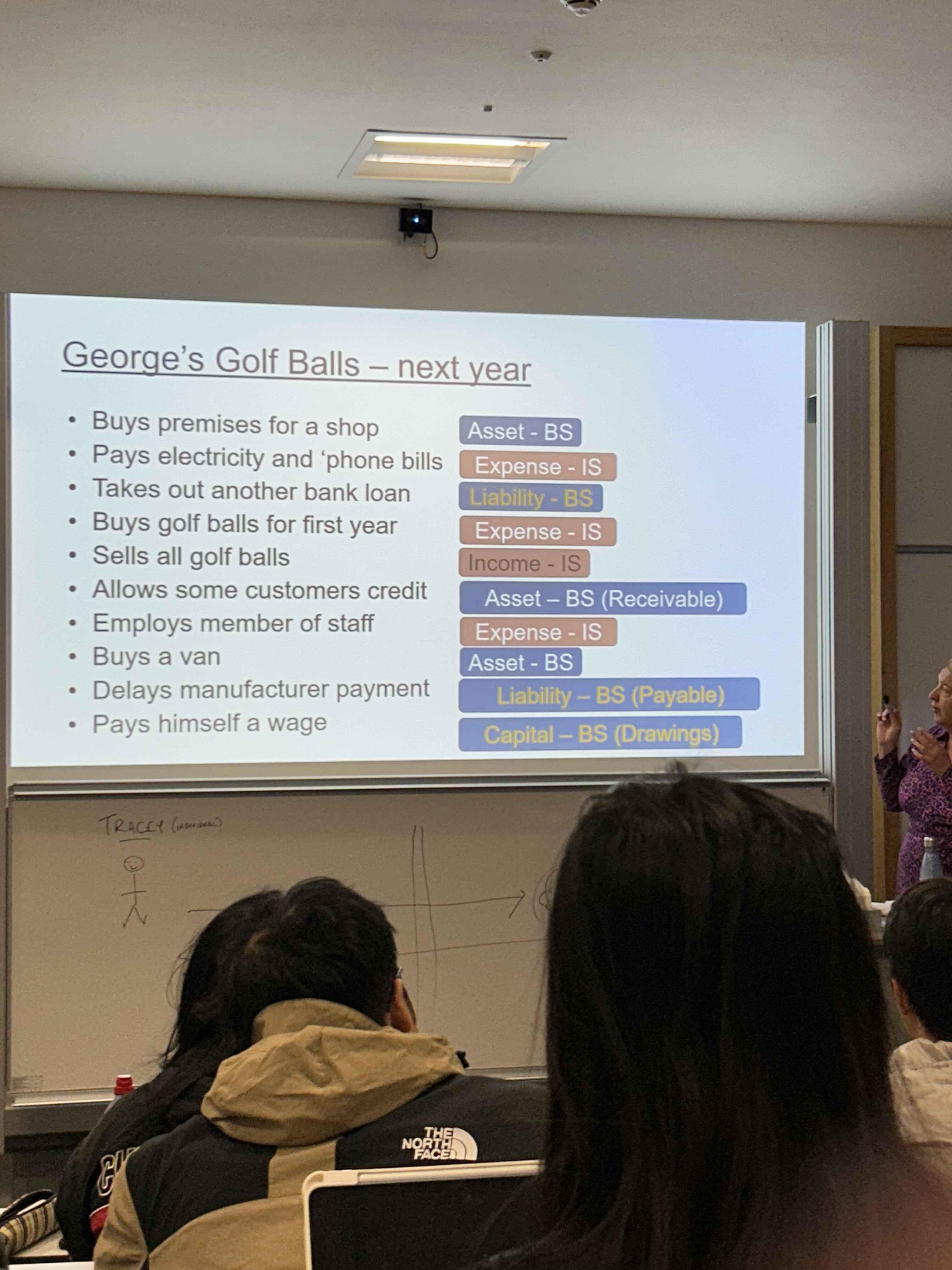
- What stood out to me is how engaging the coursework is. When you do your assignments, projects, or presentations, you are engaging with real-life case studies and companies to complete your coursework. I enjoyed the fact that it is not all by heart and writing things from your memory. What you learn sticks throughout your life. This was and is useful to you when you step into your job.
- There are only 3 classes maximum scheduled in a day. And you have classes 4 times a week on average. I had around 40 students in my class, and I only had two other Indian batch mates. Some courses had more Indian students than mine. The only problem I faced was that, in my second semester, some classes used to end as late as 6:30, which was a bit difficult, and when you have classes back-to-back in different buildings, it's a little bit difficult to get from one lecture to another.
Fees
- £28000 for my tuition fees, divided across two semesters, but with a scholarship, it came down to £24000. I paid £2000 to secure my offer and place at the university. There is no credit-based system across the university. However, since I struggled to pay my second sem fees, I requested an installment plan and was able to pay monthly fees towards my tuition, but that happened only once. Normally, they expect you to pay the first half at the start of the first semester (as soon as you join) and the rest at the start of the second semester (last week of January).
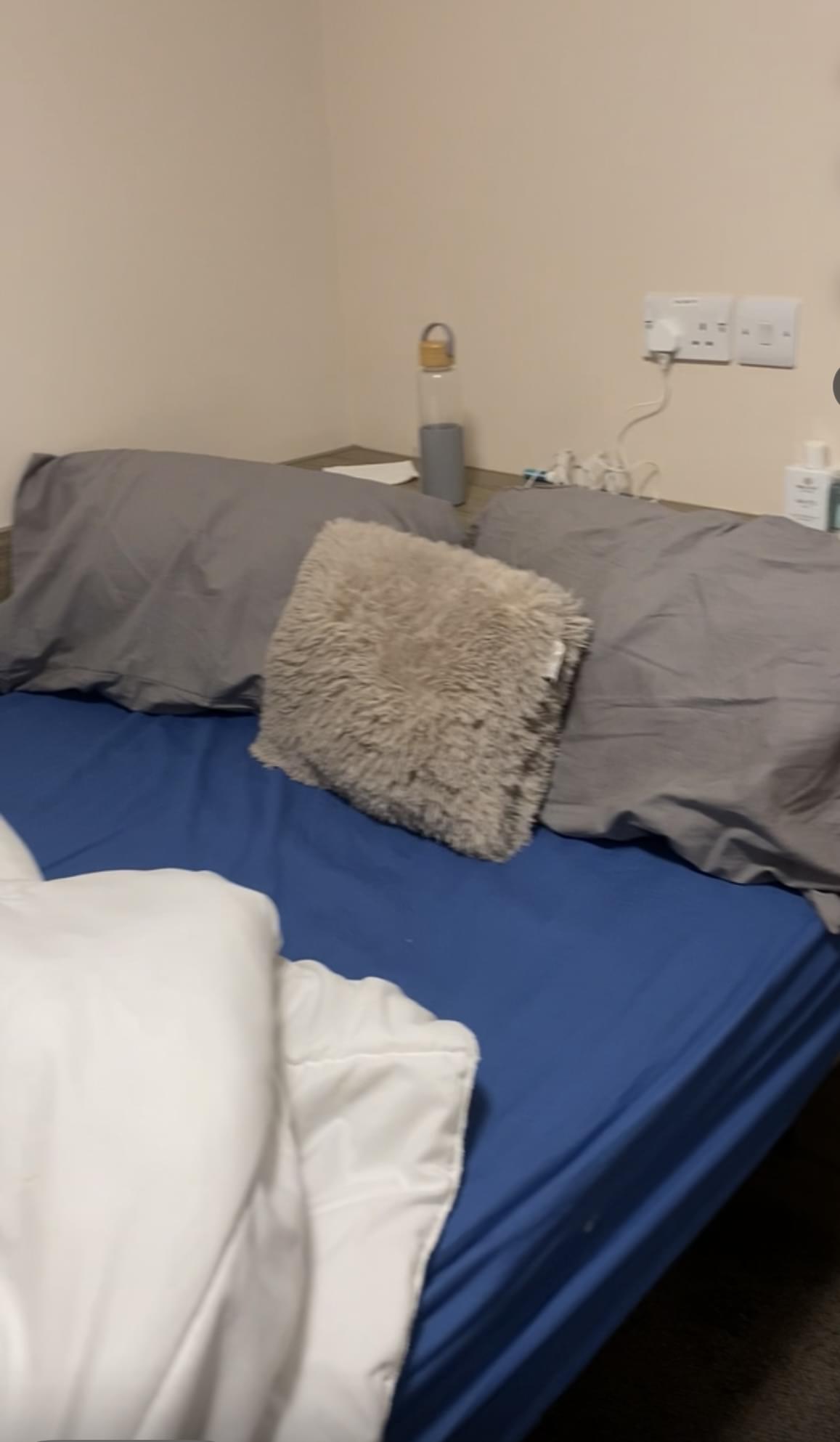
- For my accommodation, I applied early for the uni accommodation, and I only paid £392 per month as rent for 12 months I stayed there, which is inclusive of electric, water, heater, and wifi bills. This was the cheapest but the best accommodation I have lived in the UK, as the university has great accommodation standards, even for the cheaper accommodations.






Likes
- Newcastle was a great, friendly city
- Great exposure to different nationalities
- Faculty were immensely approachable and accommodating as I did my Master's during COVID. Even though I was there in Newcastle, I still did my Master's online. It was our faculty's first online experience, so they did help and make every effort.
Course Curriculum
- The syllabus for the course I had done was very up to date. Unfortunately, i did my Master's from 2020-21. So, a lot of the teaching was impacted. For ex. as part of a module (Corporate Finance), I was to have a week of simulated trading in an actual trading room. However, we never go that exposure and other such experiences.
- We typically had 2 lectures, and 1 seminar at the beginning of the week. As we moved towards the weekend, we had more of seminars and work shops as lectures.
- We had 25-30 for most modules apart from Accounts in which there were 60
Fees
- Fee was 20,500 gbp .
Likes
- The university provides a balance between campus life and study. The support provided at every step is extremely comforting.
Course Curriculum
- IoT and embedded systems are integral part of the current living generation.
Fees
- It could be approximately upto 20,000 pounds. But financial aid and scholarships are available. I got a scholarship of 1500 pounds
Likes
- The course is well structured and focuses on practical learning.
- The lecturers are knowledgeable, supportive and encourage hands-on problem solving.
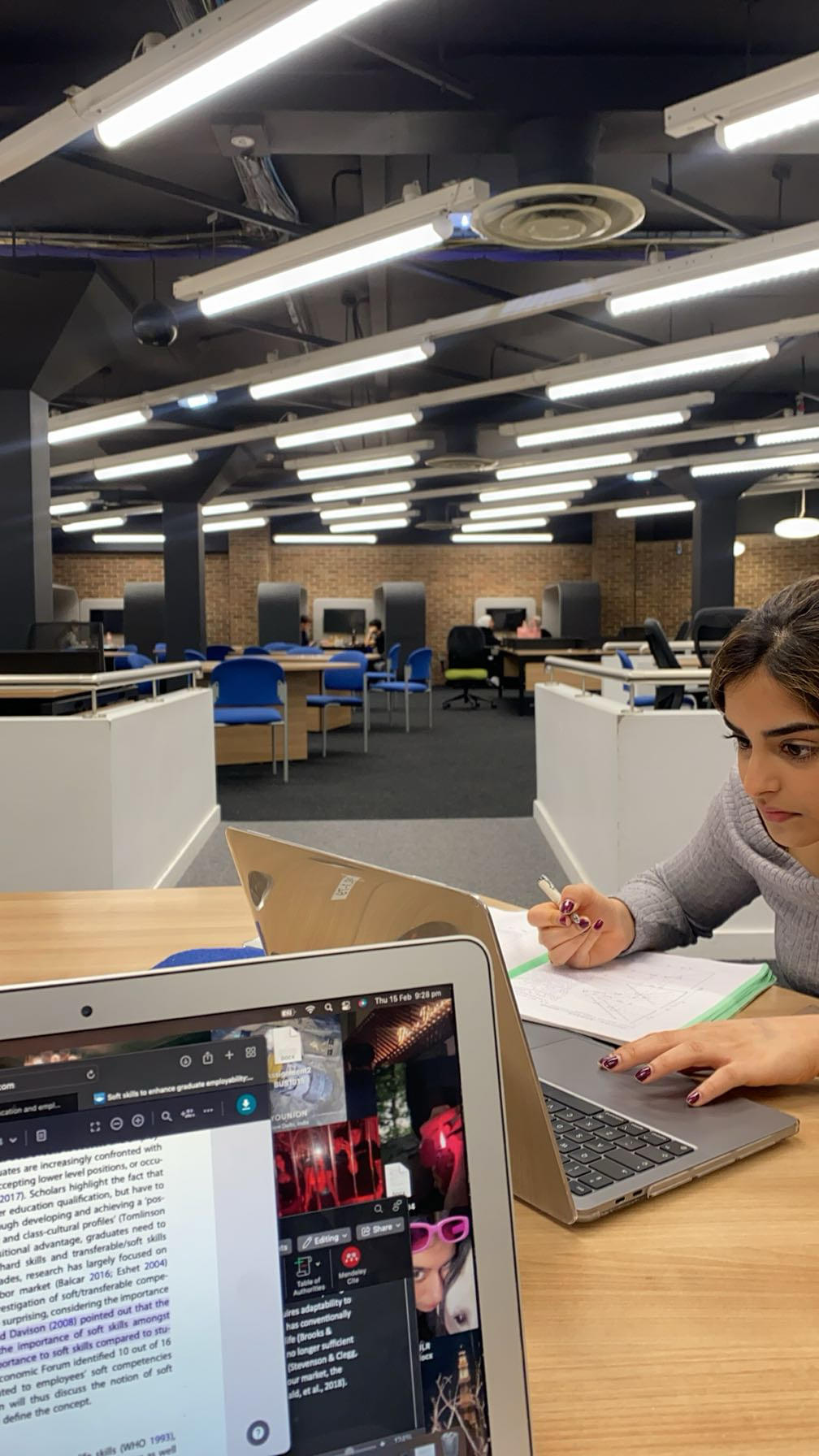
- The University has great facilities, labs and modern library.
Dislikes
- Some module schedules were tightly packed.
- More networking events with cybersecurity companies would be helpful.
- Some events conflicts with another.
- Many students secure full time jobs within 6 months after completing the course, especially in cybersecurity roles like SOC Analyst, Security Consultant or Risk Analyst. The average starting salary ranges from 25000 to 35000 GBP/year with some roles going higher depending on experience.
- Jobs are usually found through LinkedIn, job portals , career fairs and the university's career services. Networking , internships and certifications can also help boost chances.
Likes
- Culture Diversity, you could able to meet various culture people in your programme and expand your network.
- Active Student Union, which offers wide variety of society's to join in. Also you can get opportunity to volunteer.
- A well driven career employability team, which offers multiple events on personality development, interview success, etc.
Dislikes
- Only thing I hate is having classes on all the 5 days in a week, which makes it difficult to do part time. Unless, it is a very good University and a good place to live in as it in the North east of UK, where cost of living also comparatively less.
Course Curriculum
- It is quite difficult. Because it has written exams more. We do have assignments but comparatively fewer.
- Positive aspects: practical experience on data, computing lab sessions to get hands-on practice.
- Negative aspects: more of written exams.
- Maximum two classes. Minimum one class. Usually it will start around 11:30 am and last around 2 hours.
- So the usual timings are,
- 11:30 am to 1:30 pm
- 12:30 am to 2:30 pm
- 3:30pm to 5:30pm
- and the seminars will be for one hour.
- The average number of students is 50. In my class, 8 Indian students are there.
Fees
- The tuition fee was 28900 GBP. I got the university's scholarship worth 4000 GBP. So, I have paid 24900 GBP for my tuition fee. I'm living in private accommodation, so hostel fees are not included.
- It is annually and semi-annually. I have taken a bank loan to fund my fees so I have paid in full before travelling to the UK.
- My expenses are as follows:
- Food: 200 GBP
- Transportation: 40 GBP
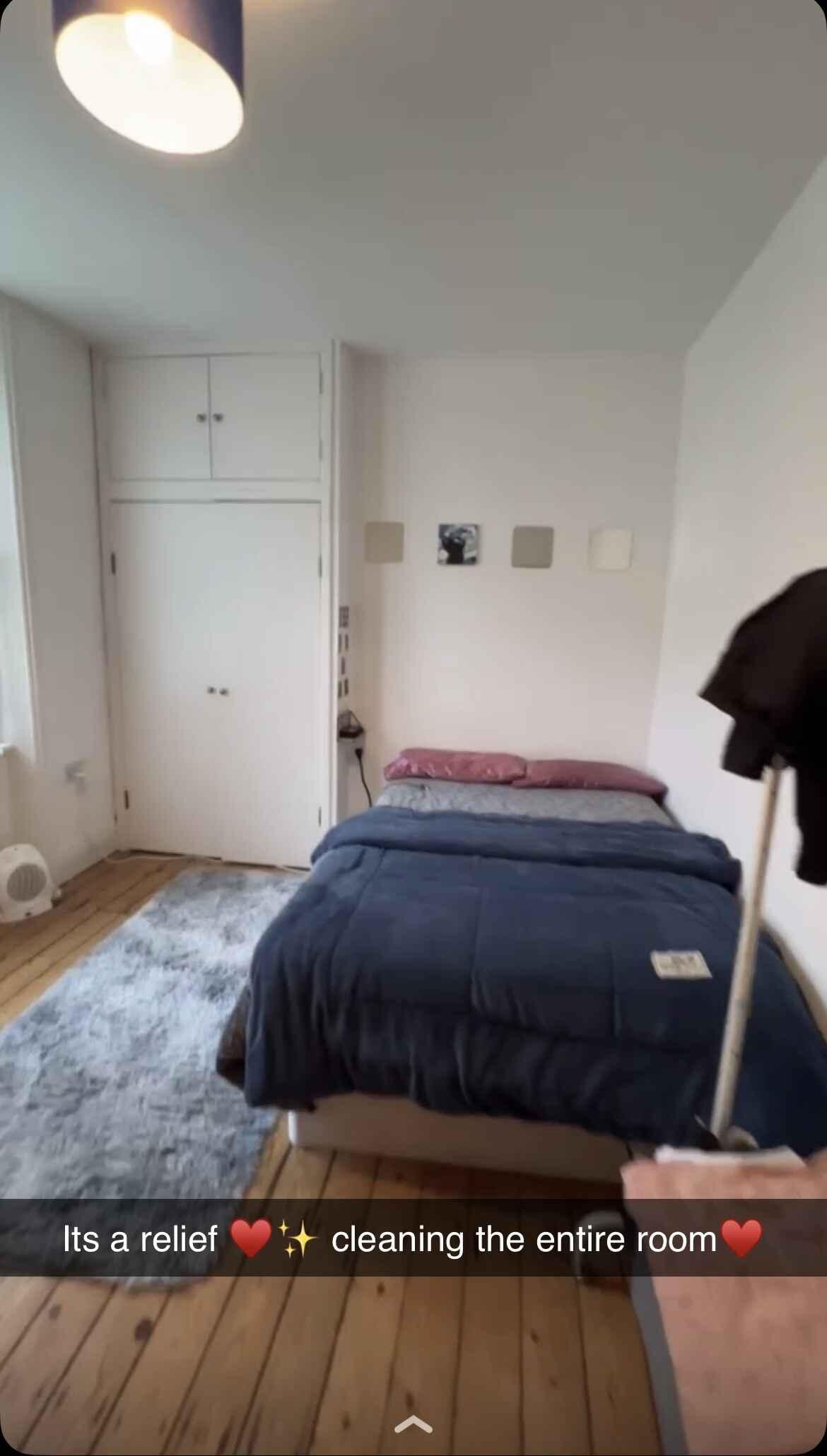
- Rent: 500 GBP



Likes
- Flexibility to work alongside studying.
- More emphasis on individual learning than lectures
- Rarely any exams
Dislikes
- Morning lectures
- The campus is so big that it is spread across the city which for some courses might mean travelling back and forth
- Takes too long to release exam results
Course Curriculum
- It is not difficult at all. It is the perfect blend of theory and real life practice. Positive aspects of the course is that it teaches how to manage time efficiently for yourself as individual learning is 70% and lecture learning is only 30%
- I believe allowing that space in a students life can either motivate them or demotivate them. For me it acted as a motivator because I was able to take part in extra curricular activities.
- Negative aspects of my course would be the number of people in one class. There are 200-300 people in one class which may sometimes mean lacking individual focus.
- There are barely any Indian students in my class. It is just me and one guy. Bit in finance courses and MBA there are a lot more Indian students.
Fees
-
Received a 4k pounds scholarship from every year's tuition fee.
The fee structure was as follows: 20000 for programme
7000 for accommodation
400 per month for living -
The fees is charged through an online portal. It can be submitted for one year directly or be split in for two semesters. Transportation costs are not much for Newcastle if you live in the city centre, every place is within walking distance. Other regular expenses like groceries cost me around $ 30 per week.



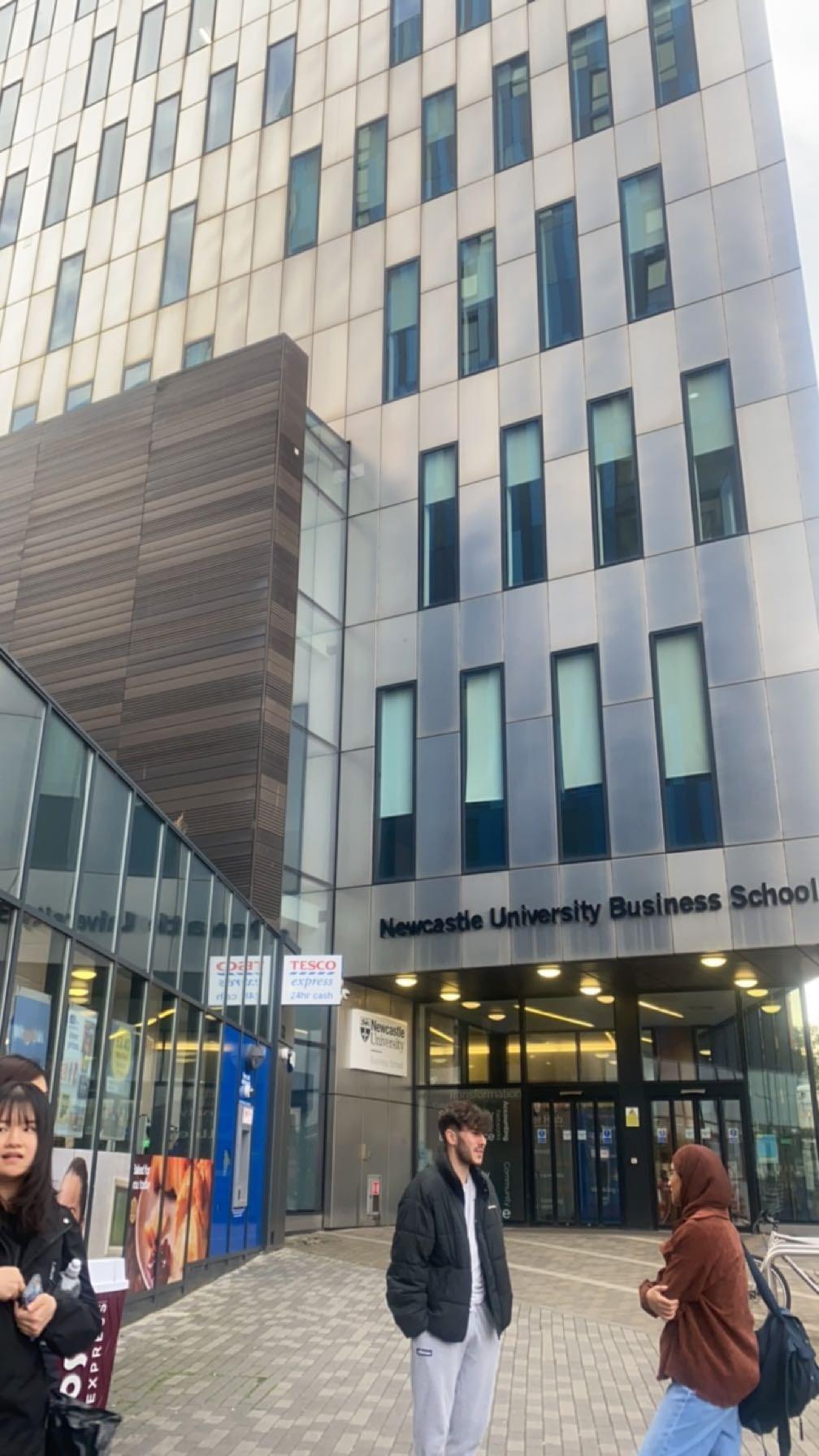
Likes
- Modules are organized in such a way that you will gain more practical/industry knowledge rather than theoretical
- Faculties are helpful and eager to solve your doubts.
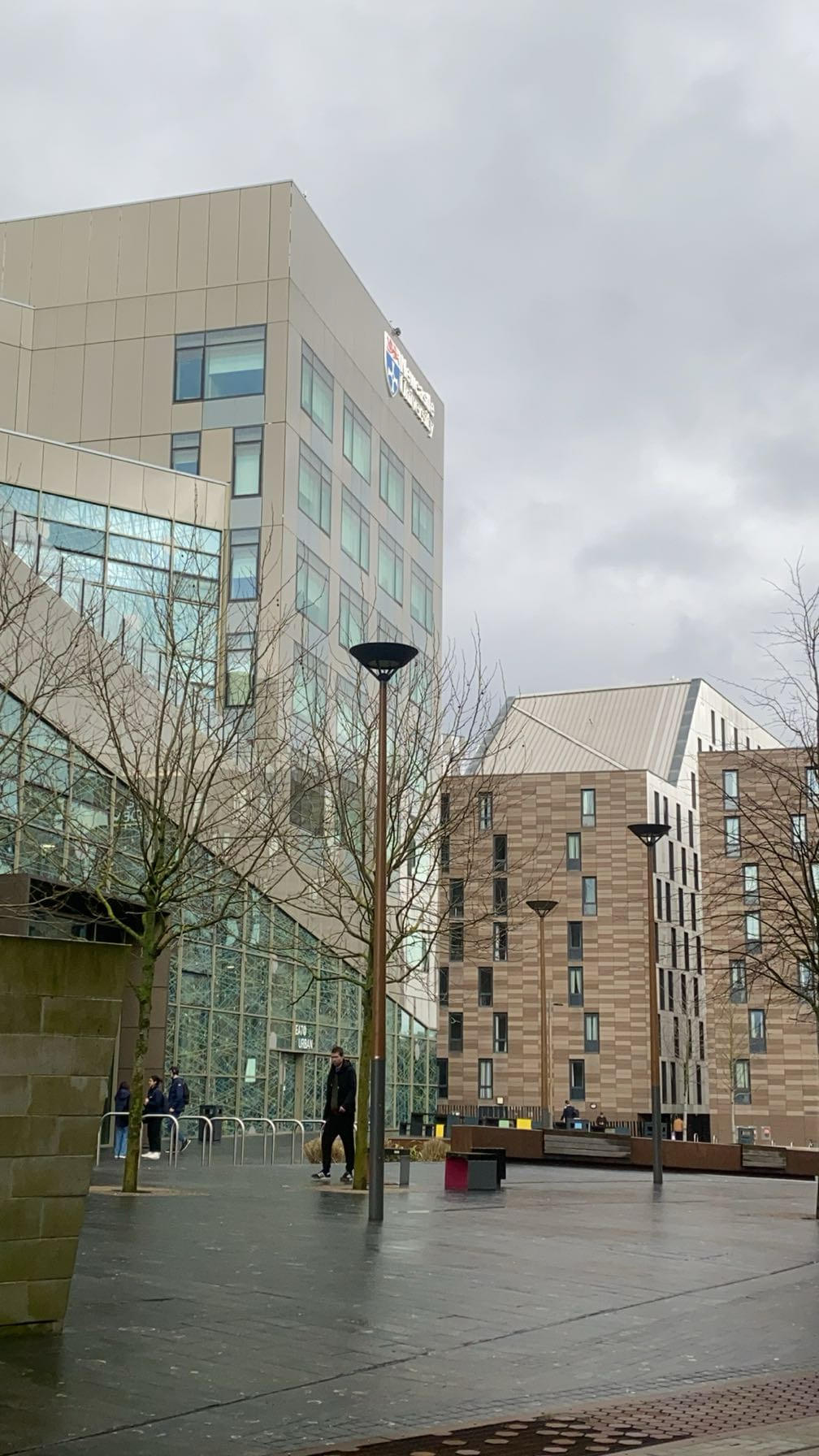
- Campus is huge with very good lecture theaters and buildings for each department.
Dislikes
- Campus is huge, which means you have to walk a lot.
- Some days with two lectures, 1st lecture in one building and 2nd in another with marginal time difference
- Since one specialization building is far away from the second Since one specialization building is far away from the second specialization, it is very difficult to communicate with students from different specializations apart from events.specialization, it is very difficult to communicate with students from different specializations apart from events.
Course Curriculum
- Level of Difficulty is medium and courses are more focused on Practical or Industry knowledge rather than theoretical knowledge.
- Positive aspects of my course are the way modules are organized and the teaching methodology. Negative aspect of my course, it is fast- paced and sometimes it is difficult for students from Non programming backgrounds to understand the concept.
- You have one lecture and one practical scheduled everyday from Monday to Friday. In Newcastle University there is a career team which helps you in preparing for jobs and there is University job portal where all different jobs were listed.
Fees
- For my course the total fees was £30600 for 2024 batch which include 1500 as a confirmation fee.
- University accommodation starts from £98 per week and it depends on your choice of accommodation.
- You can submit your fees in 3 installments or in one time.
- It is advisable to walk as all locations are nearby and to save transportation cost but if you choose to travel by bus then single journey cost is £2 and £6 for full day. Apart from that £80 per month needed for other expenses.
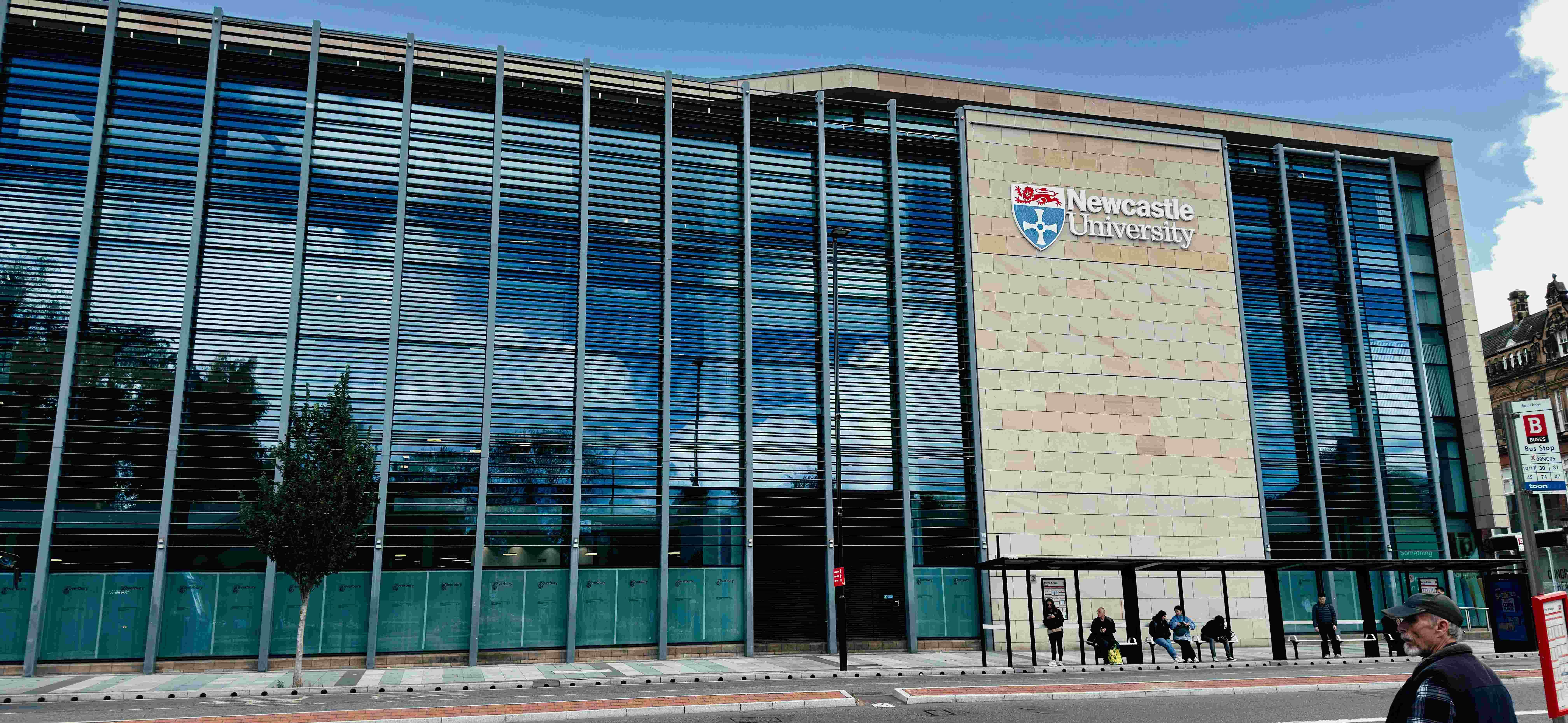

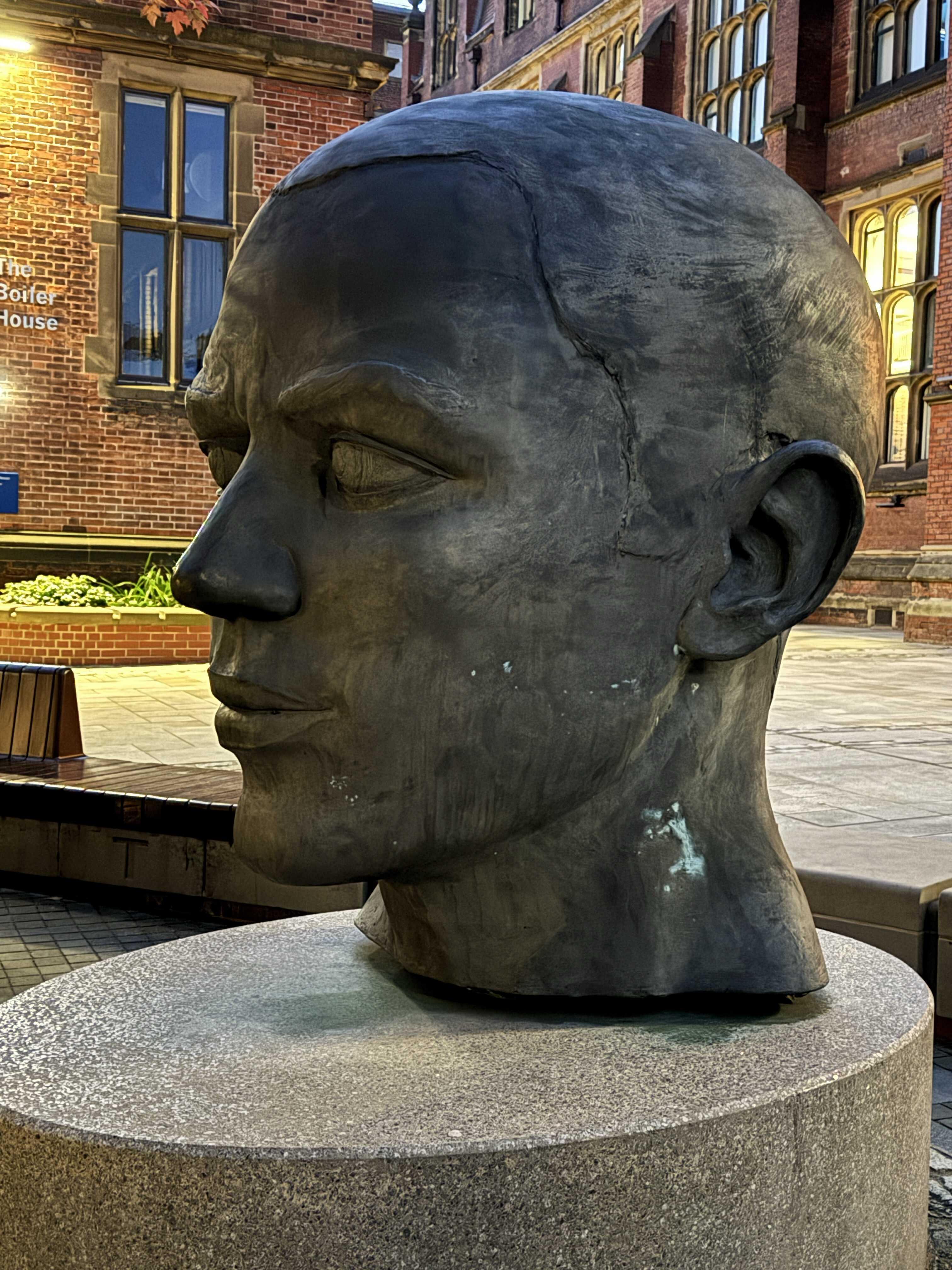
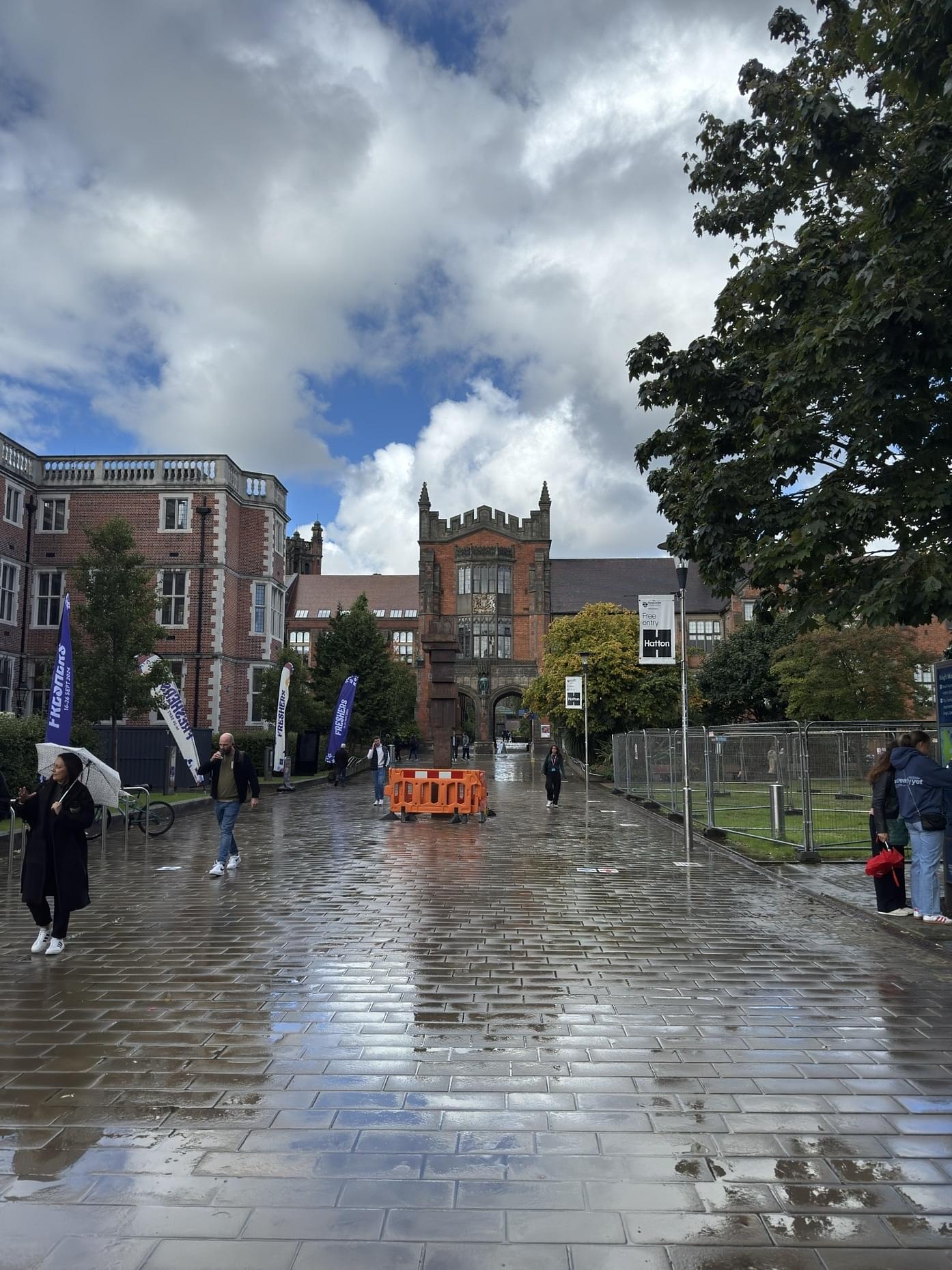


Likes
- Had a very structured module format for the course with lots of practical approach.
- Experienced several real time projects throughout the course and got a chance to work with prestigious organisations during the course of degree
- Great careers service of the university providing a lot of guidance and help with resumes, cover letter, internships, interview preperations and several other career related opportunities.
Dislikes
- Computing Department building was a bit further away from the main university campus, so sometimes, computing students used to miss out on some fun activities organised by students union, etc.
- University campus accommodations are filled really quick, so sometimes you have to stay away from the campus, but still everything is within walking distance.
- As our batch (2021) , was the first batch after COVID, we had to deal with a lot of hybrid classroom structure, and it wasn't inconvenient, but it was just a matter of getting used to the process.
Course Curriculum
- The difficulty level was from moderate to difficult. It was a good balance of theoretical and practical approach.
- Positive aspects included - real time projects and hands on and detailed module teaching.
Negative aspect - was the timeline and the deadline, as masters is 11 months course - the deadlines were really strict and close.Ususally 3-4 classes are scheduled, with a mix of practical and theory, and it ususally is flexible between 9am to 5pm. - The course content and teaching approach is set to high and satisfactory standards, but apart from those there are so many factors that you need to prepare for securing a job in the field and it ultimately comes down to you as a student and a person.
Fees
- Tuition fees for the first year of the course: £24,300 (Band 2)
- I was in receipt of a £4,000 VCIS scholarship and a 2% reduction for early payment of fees.
- I was staying in a private accommodation (studio apartment) and my charges were £168 per week and my booking was for 51 weeks.
- Regular expenses differ and it depends on every person and the way of living.
- Students could get a bus pass and could get upto 40% discount on the monthly or yearly pass.



Likes
- Russel group university, really good for economics/management related courses, cost of living is lower than other UK cities.
- The different opportunities available to students in terms of courses offered, optional modules, societies to get involved in, activities to participate in etc.
Dislikes
- While there are many positive aspects of my College/University, there are a few things I'm not particularly fond of. For instance, I sometimes find the administrative processes to be a bit cumbersome and bureaucratic. Additionally, there could be more resources and support available for students in certain areas.
Course Curriculum
Course curriculum and academics are intense and the university has very high academic standards on account of it being a Russel group.
Fees
£21,400 (for academic year 2023-24)
Likes
- My friend referred this university to me as he was previous graduate here.
- Expecting students to learn and improve by providing them with the best environment instead of micro managing them. There are a lot of coursework that tests the skill of a student unlike other universities that have a lot of exams.
Dislikes
- The teaching lecturers english are not up to the mark, but they want students to have IELTS with 6.5 overall, which does not seem fair. Other than that I don't have anything else to complain about Newcastle University.
Course Curriculum
The Course Curriculum was very good end with latest technologies.
Fees
23000 pounds
SUBSCRIBE TO OUR NEWS LETTER



Comments